Timeless Furniture: How to Choose Pieces That Won’t Date Quickly
Estimated reading time: 6 minutes
Furniture trends can shape how we decorate our homes, but they can also change remarkably quickly. A colour or material that dominates interiors for several years can soon begin to feel closely associated with a particular period.
For this reason, choosing timeless furniture is less about avoiding trends altogether and more about understanding which design qualities tend to remain relevant over time. Proportion, material quality, function and visual balance often have a greater influence on longevity than whether a piece is currently fashionable.
What Makes Furniture Feel Timeless?
The idea of timeless design does not mean that furniture must look traditional or neutral. Contemporary furniture can also have longevity when its design responds to enduring principles over short-lived visual trends.
Furniture often dates quickly when several highly recognisable trends appear in the same piece. An unusual shape may work well on its own, for example, but combining it with a very specific colour and fashionable finish can make the design more closely tied to a particular moment.
By contrast, timeless furniture tends to balance character with restraint. It may still have a distinctive silhouette or material, but the overall design remains adaptable.

Pay Attention to Proportion
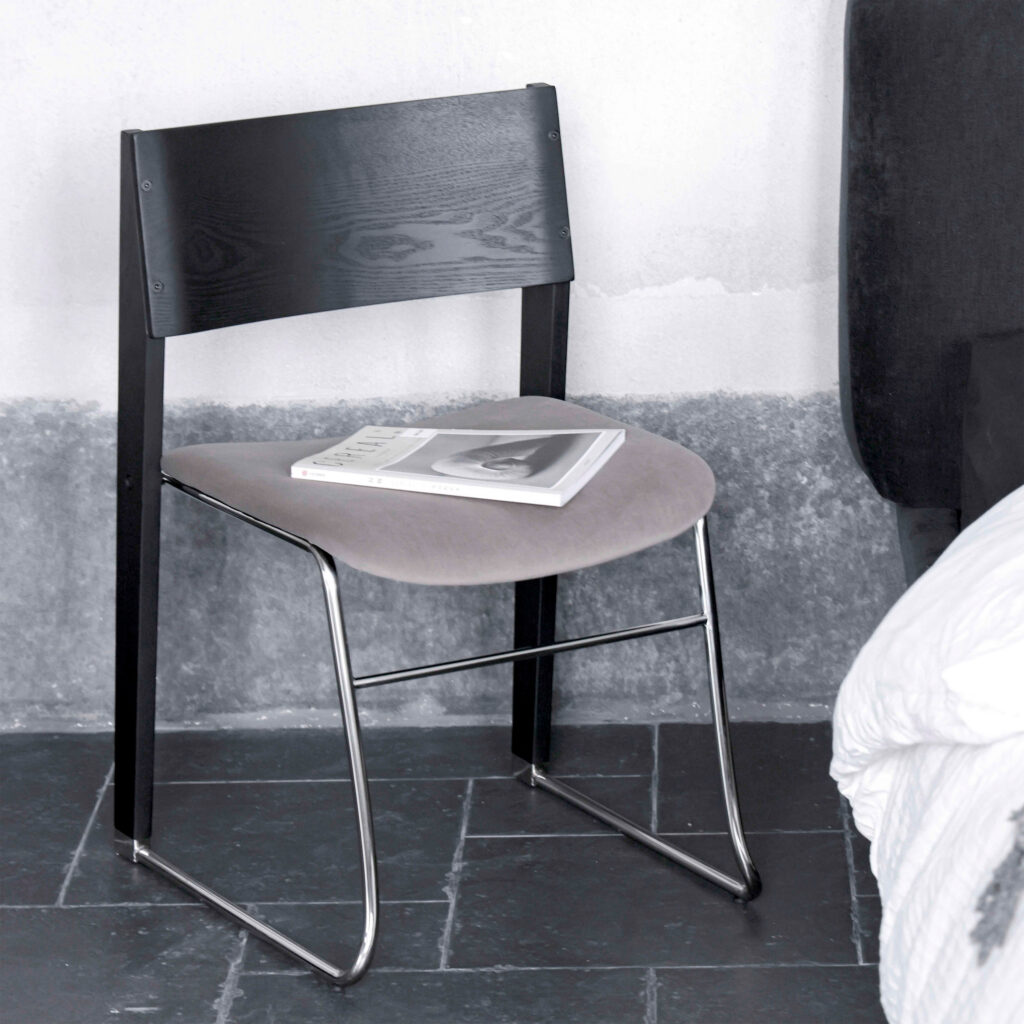
Proportion plays an important role in how furniture is perceived.
Well-proportioned furniture tends to feel visually balanced within a room. The relationship between the height, width and depth of a piece can also influence whether it appears elegant or heavy.
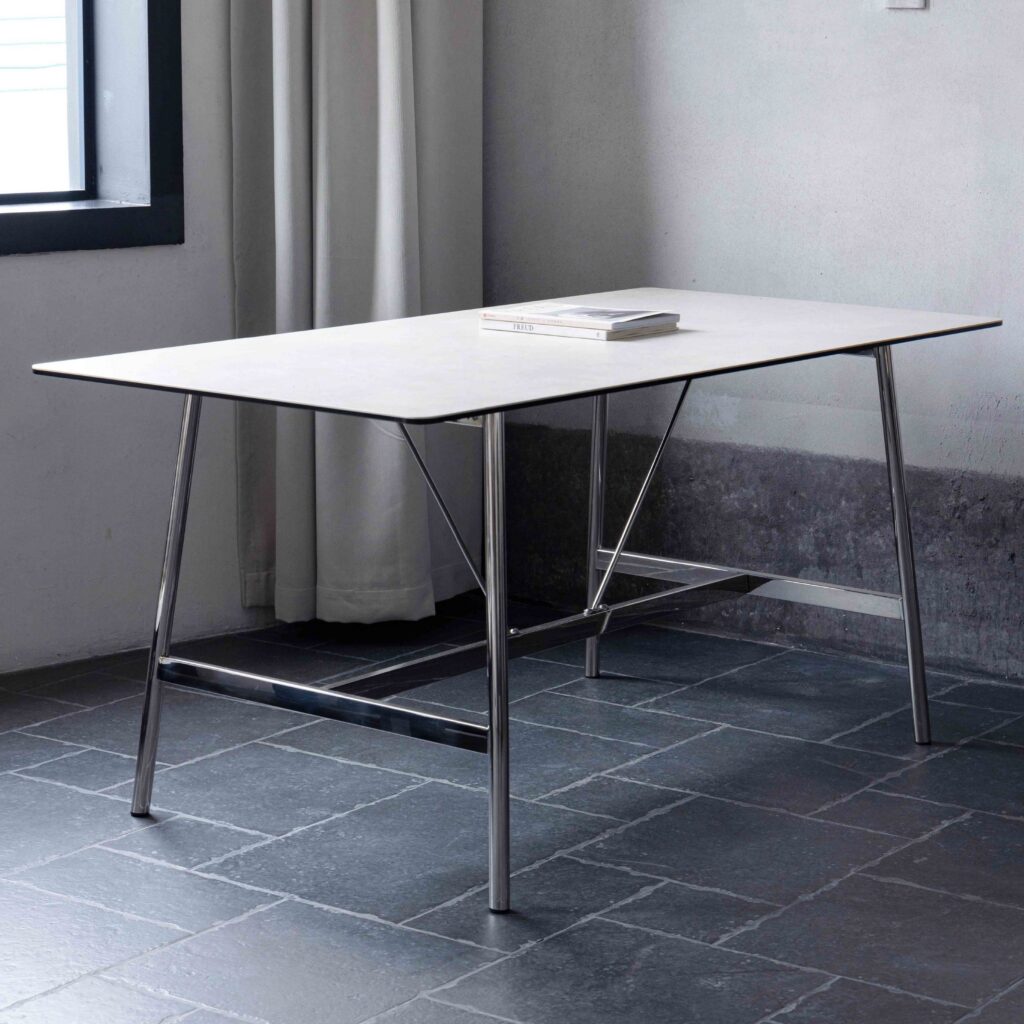
Extreme proportions often emerge as part of wider design trends. Pieces such as very low sofas, oversized dining chairs or unusually thick furniture profiles can create a strong visual statement, but their distinctive proportions can also make them more closely associated with the period in which they became popular. As tastes shift, these exaggerated features may begin to feel more characteristic of a particular design era, whilst more balanced proportions often have greater longevity.
This does not mean that furniture should lack personality. Rather, choosing proportions that respond to the human body and the scale of the room can help a piece still feel relevant over time.


Choose Materials That Age Well
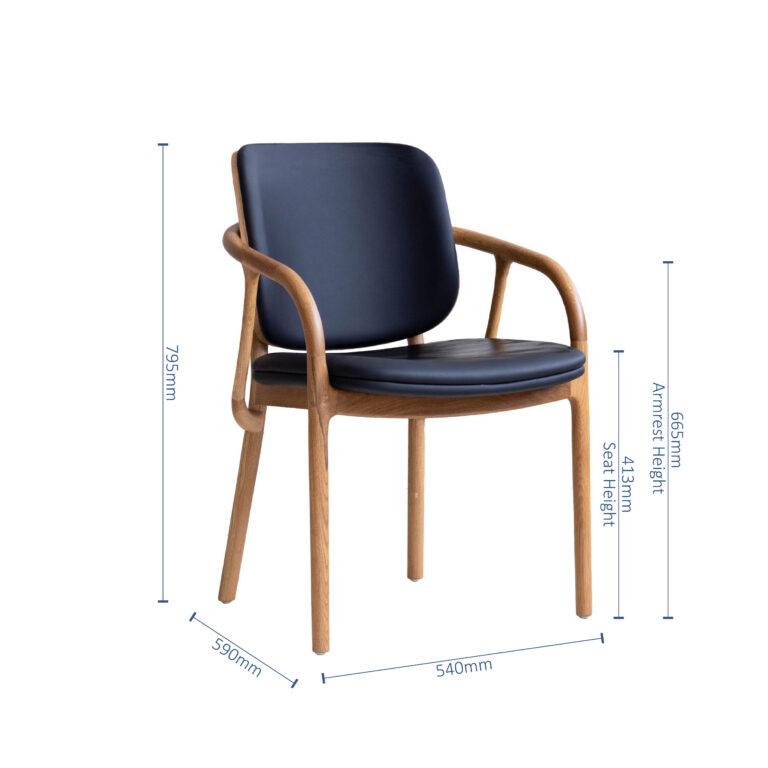
Material selection also has a significant effect on how furniture changes over time.
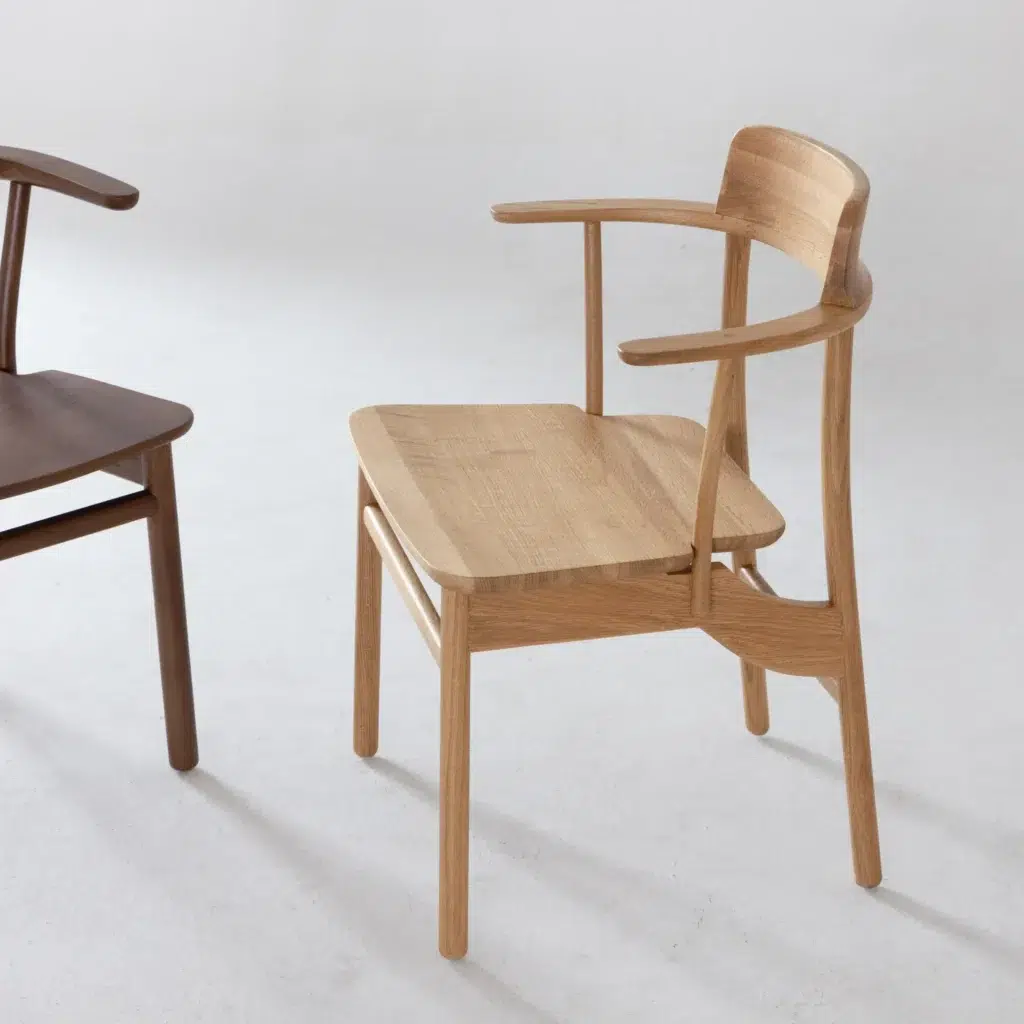
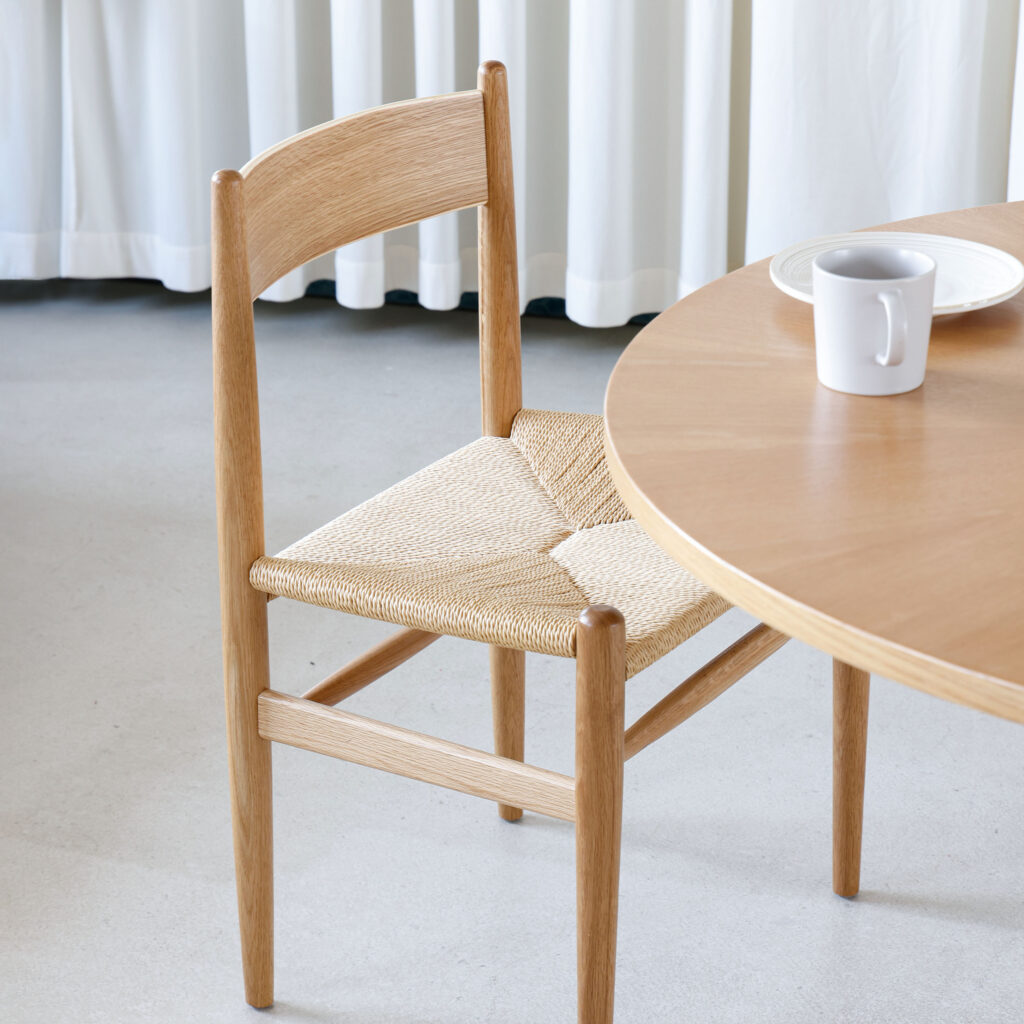
Natural materials such as timber, stone and leather often develop visible signs of use as they age, these changes can contribute greatly to the character of the piece. Timber is particularly adaptable because variations in grain and tone give it visual depth without relying on decorative trends. Oak, walnut and other natural finishes can also work across a wide range of interior styles.
When choosing timeless furniture, it is therefore useful to consider not only how a material looks when new, but also how it may develop after years of regular use.
Be Selective With Trend-Led Colours
Colour trends are one of the fastest-moving areas of interior design.
Certain shades may become closely associated with a particular design period after appearing repeatedly across furniture and social media. This does not mean that bold colour should be avoided. Instead, it can be useful to consider where colour is introduced.
Large pieces of furniture usually represent a greater visual and financial commitment. Sofas, dining tables, sideboards and storage pieces can therefore benefit from colours and materials that remain flexible, whether that is warm neutrals, natural timber tones, muted colour or something more expressive that still feels true to your personal style.
More trend-driven colours can then appear through objects that are easier to replace or move. Cushions, artwork and smaller accessories allow an interior to respond to changing tastes without requiring major furniture purchases.

Consider the Silhouette Before the Trend
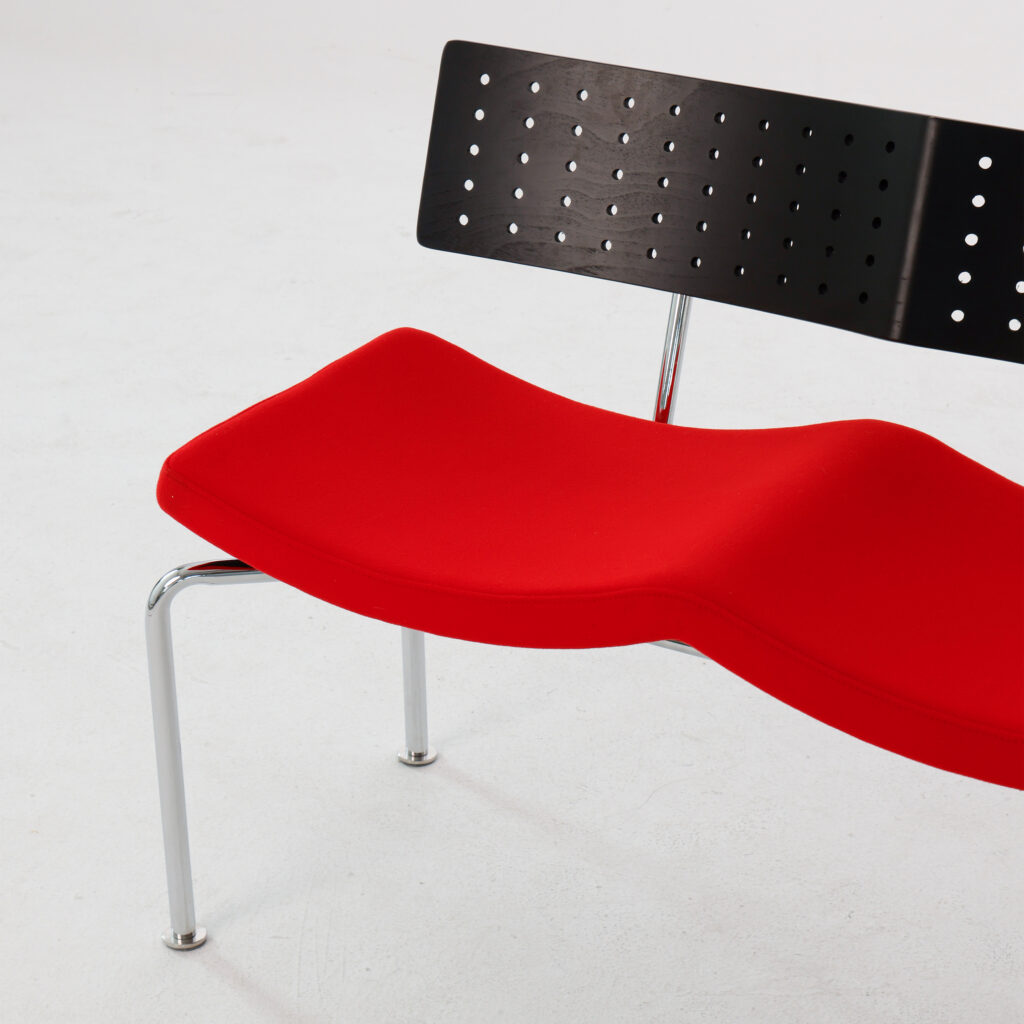
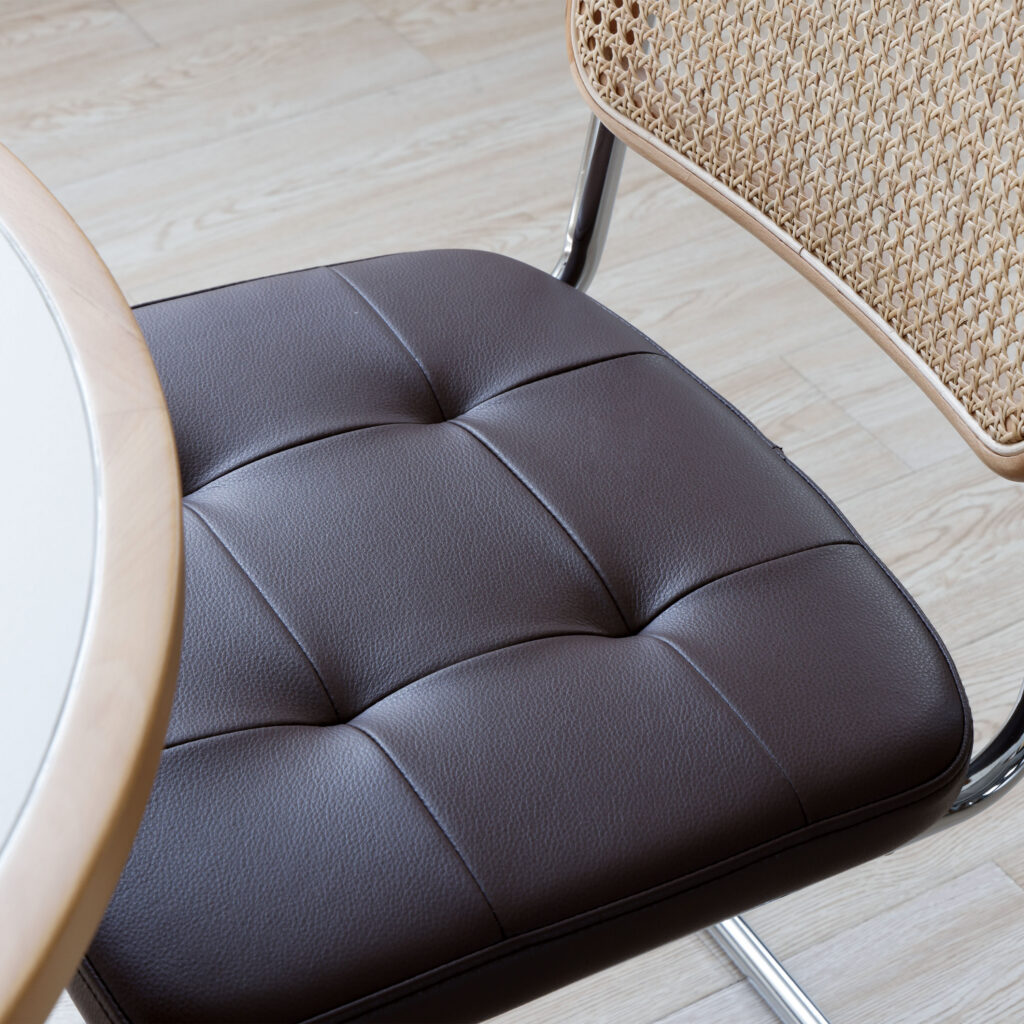
The silhouette of a piece often determines how recognisable it becomes.
Some shapes endure because they rely on relatively simple geometry and balanced proportions. Others become popular because they differ sharply from what came before. Strong sculptural furniture can still remain relevant for many years. However, it generally works best when the form itself has a clear design logic rather than existing only because the shape is fashionable.
Curves provide a useful example. Curved furniture has become increasingly prominent in contemporary interiors, yet curved forms have appeared throughout design history. As a result, a well-resolved curved chair or table can feel far more enduring than a piece that simply reproduces the most exaggerated version of the trend.



Prioritise Function as Well as Appearance
Avoid Designing an Entire Room Around One Trend
One of the easiest ways for an interior to date is to apply the same design trend repeatedly. When every piece follows the same colour palette, finish or silhouette, the room can become strongly associated with the period in which it was decorated.
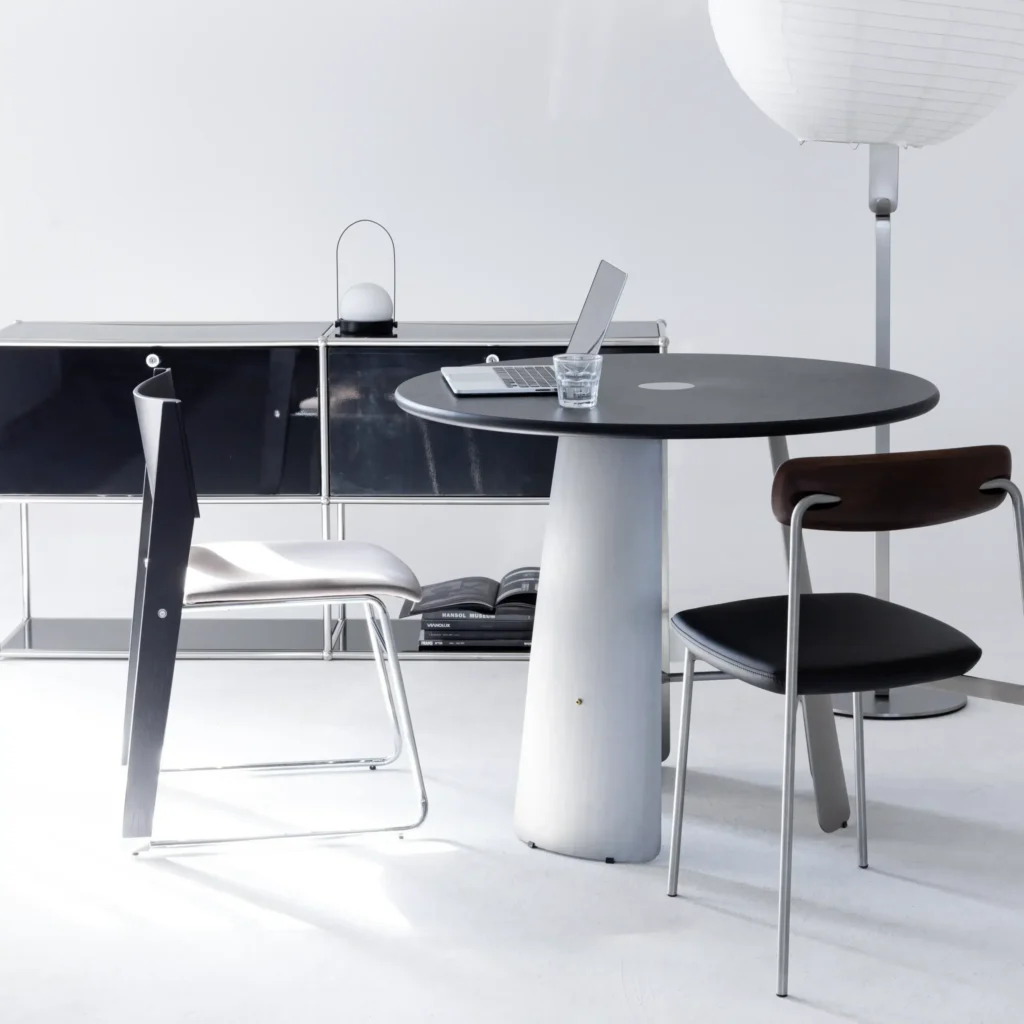
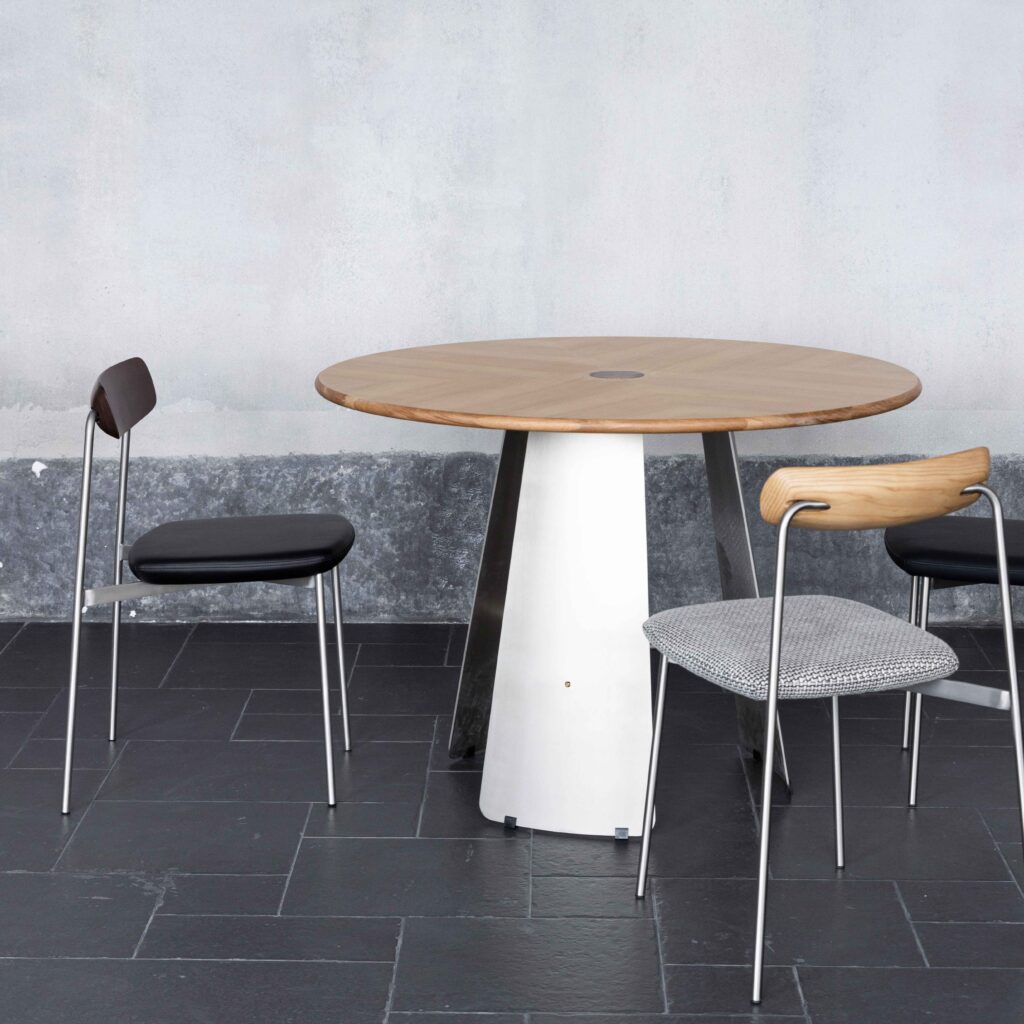
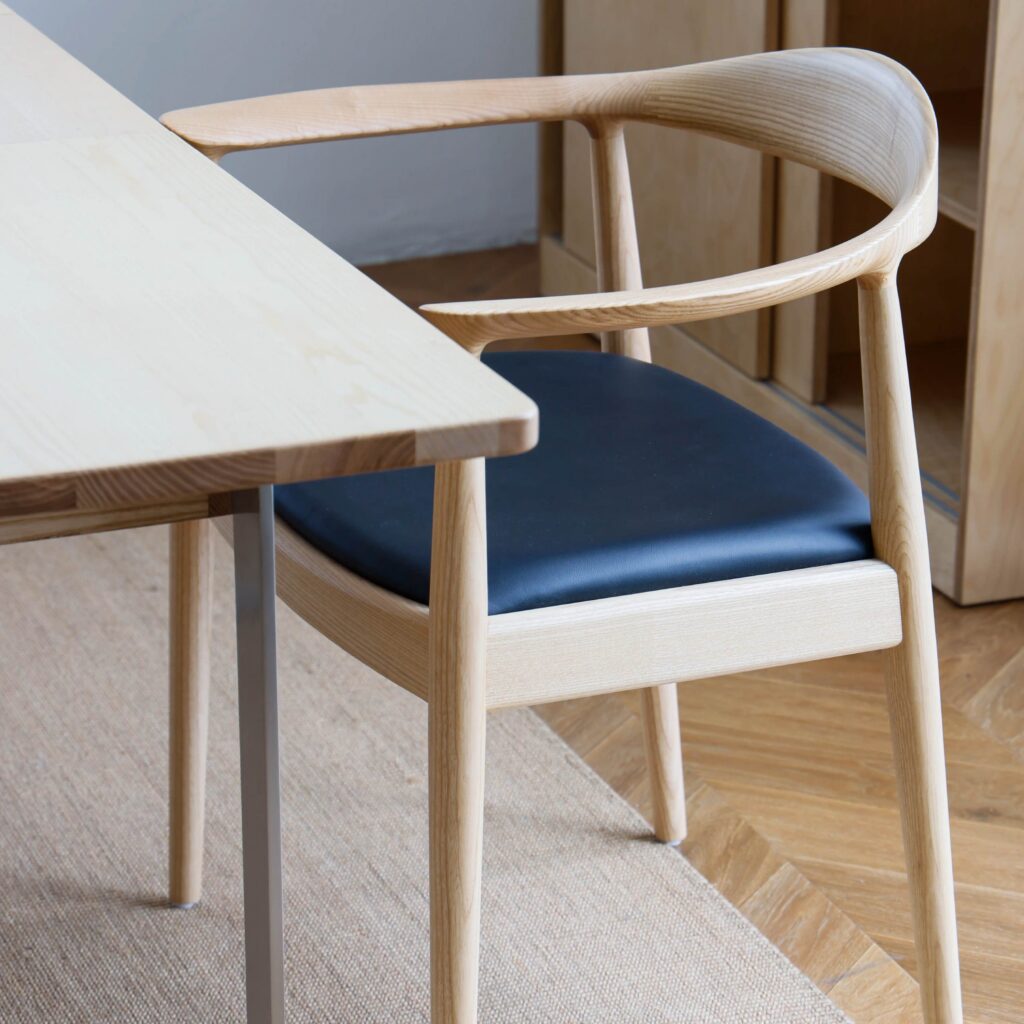
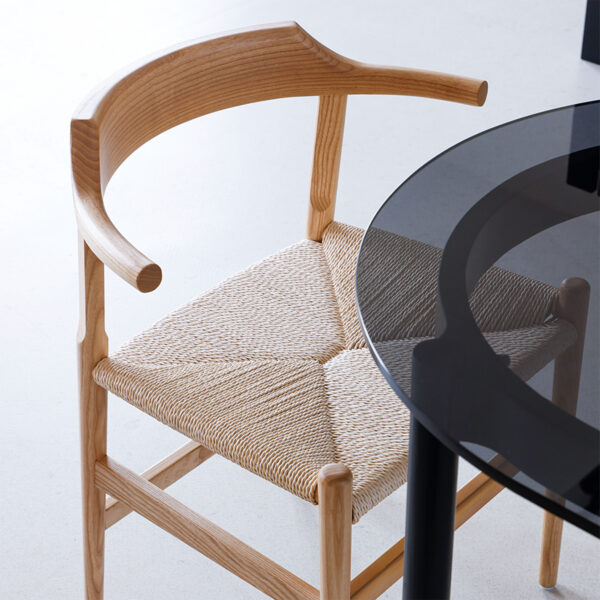
Layering pieces from different design influences usually creates a more gradual sense of time. A contemporary dining table can sit comfortably beside a more traditional chair. Likewise, a sculptural object can introduce contrast within an otherwise restrained space. This approach also allows a home to develop over time rather than appearing as though every object was purchased at once.
Look for Evidence of Design Longevity
Design history can provide useful clues about which furniture characteristics tend to endure.
Many pieces that continue to influence contemporary interiors were designed decades ago. Their relevance does not come from being neutral. In many cases, they were highly innovative when first introduced. What they often share is a clear relationship between form, material and function.
When considering new furniture, it can therefore be useful to ask whether the design would still make sense without the current trend surrounding it. If the answer is yes, the piece is more likely to retain its appeal.
Designs That Have Stood the Test of Time
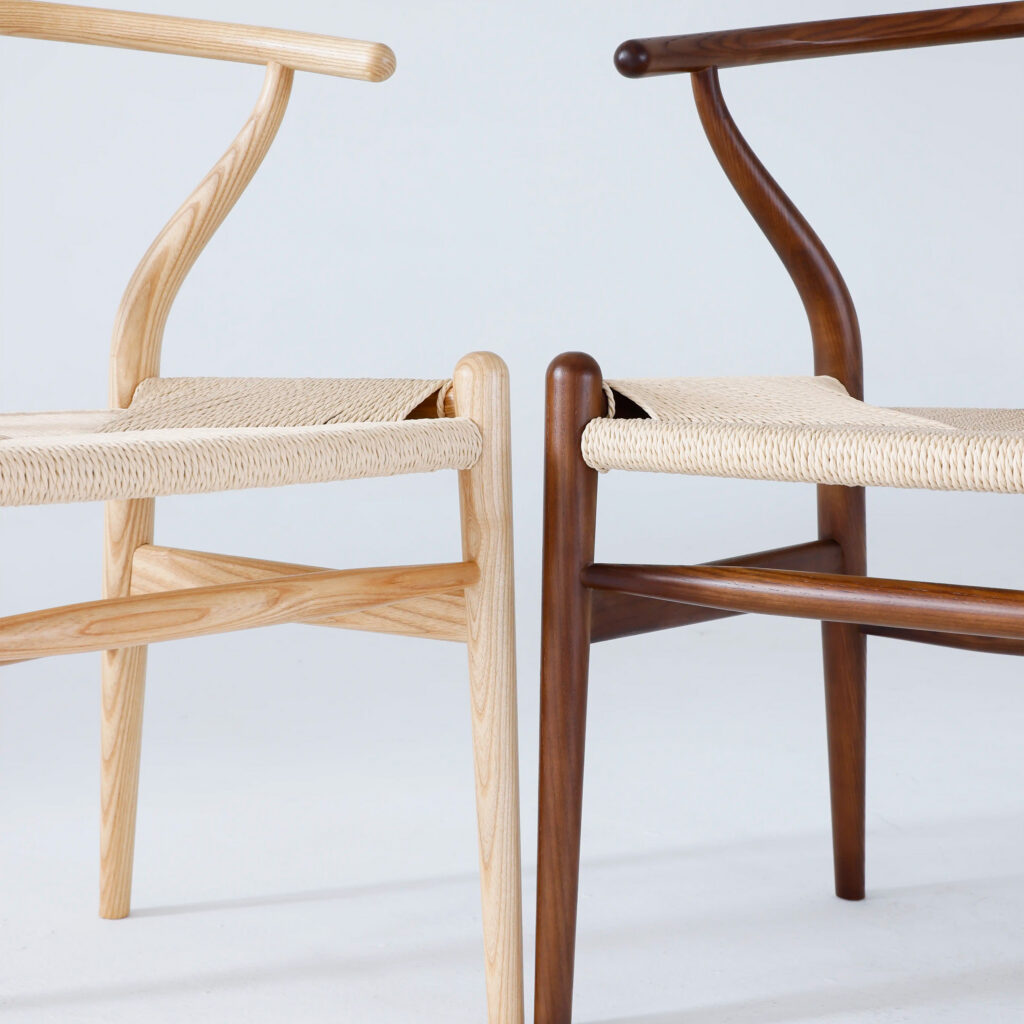
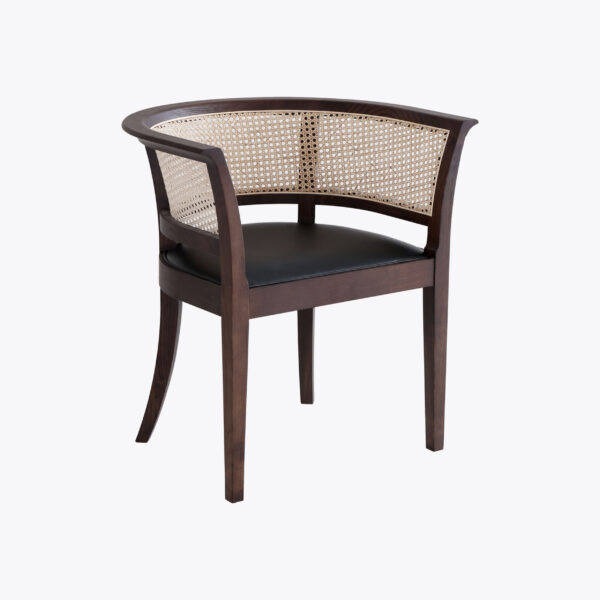
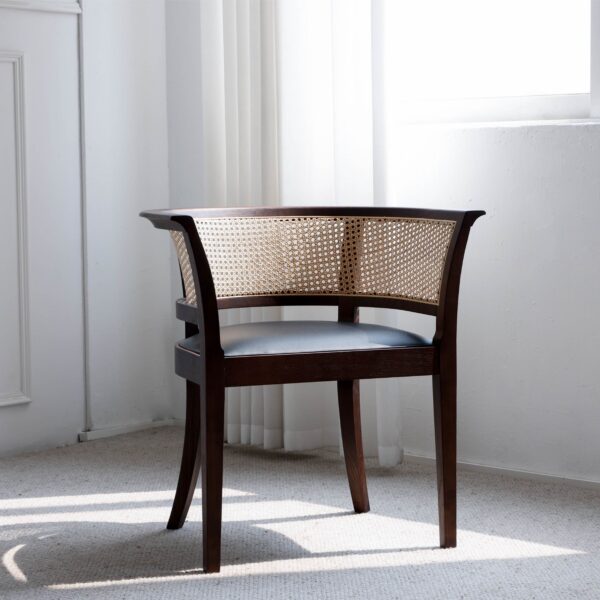
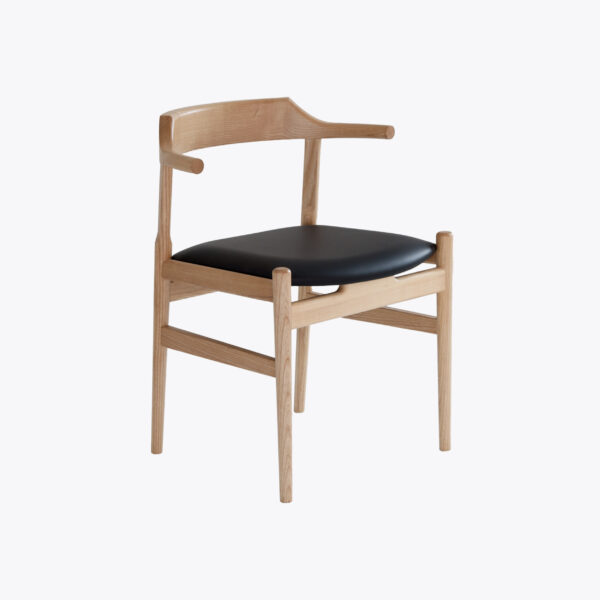
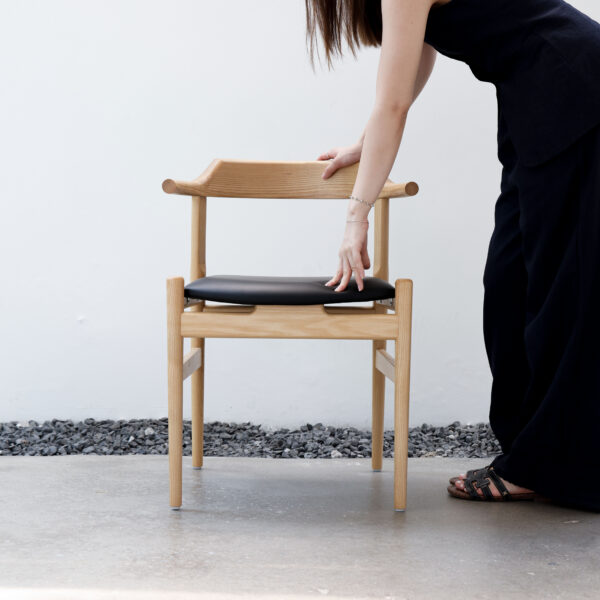
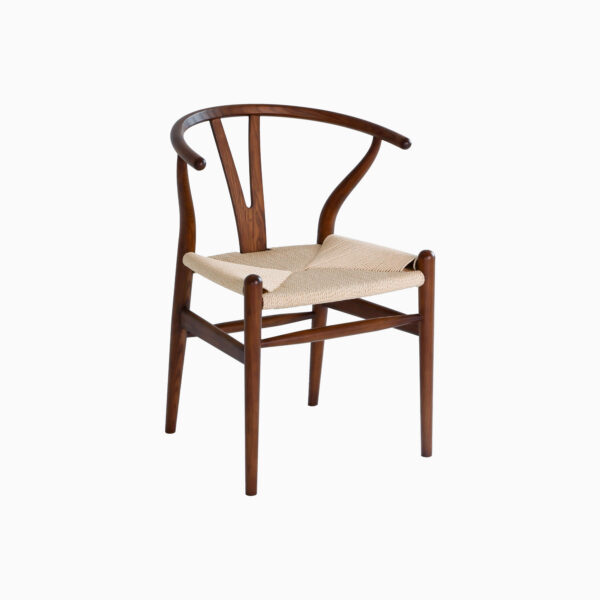
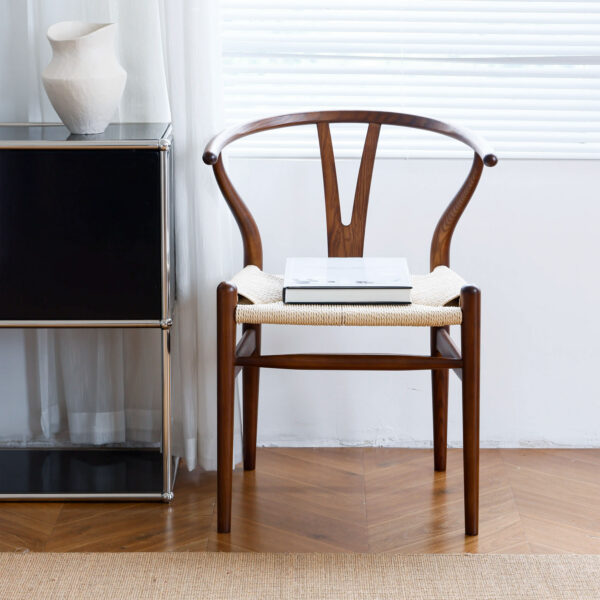
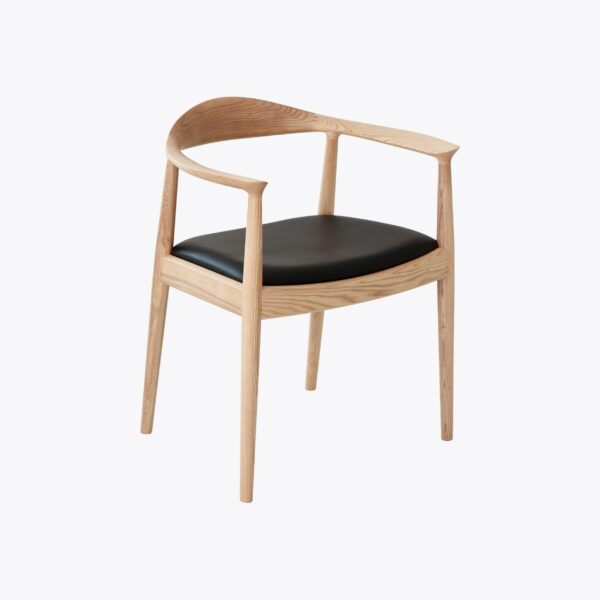
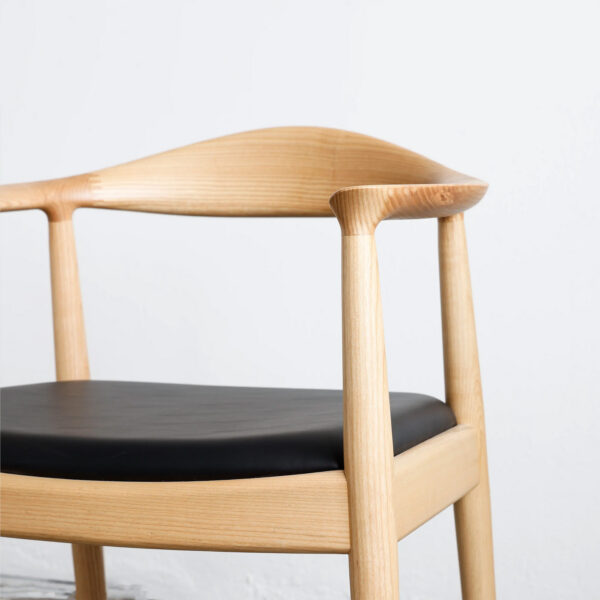
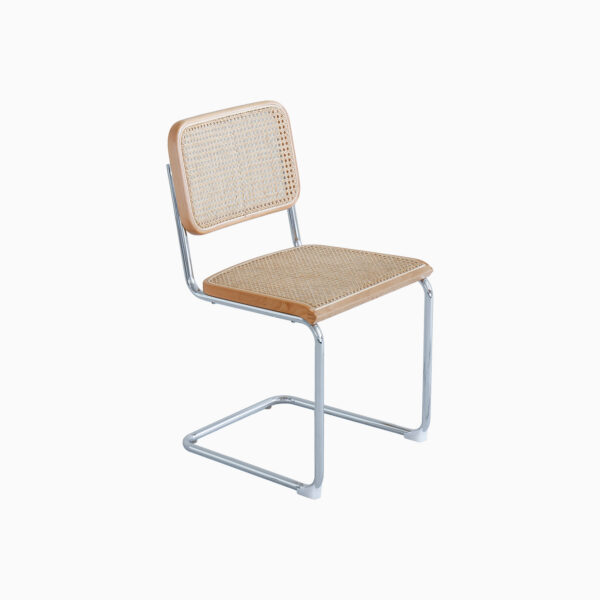
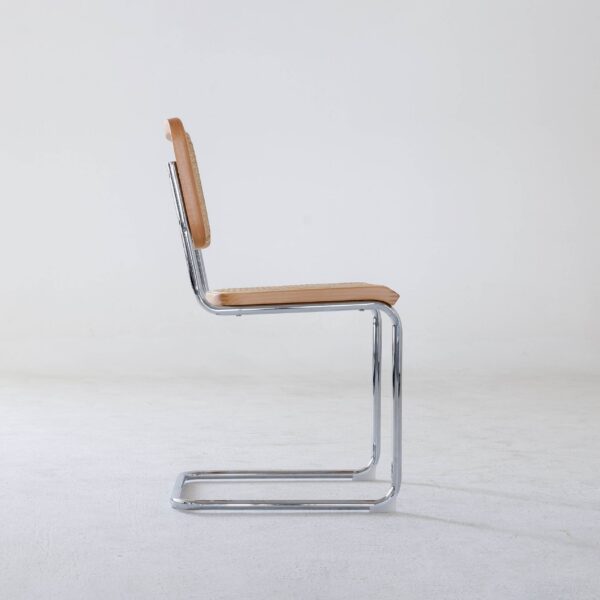
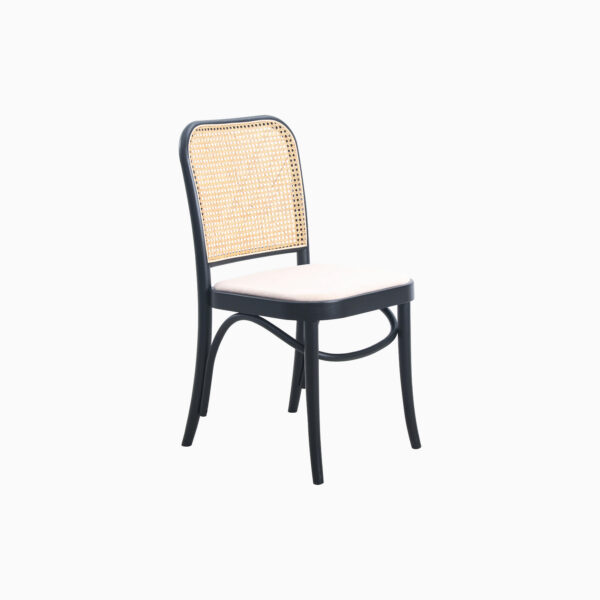
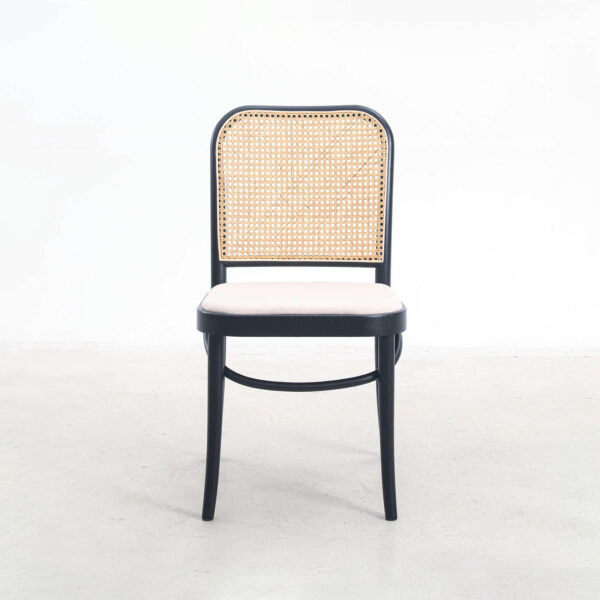
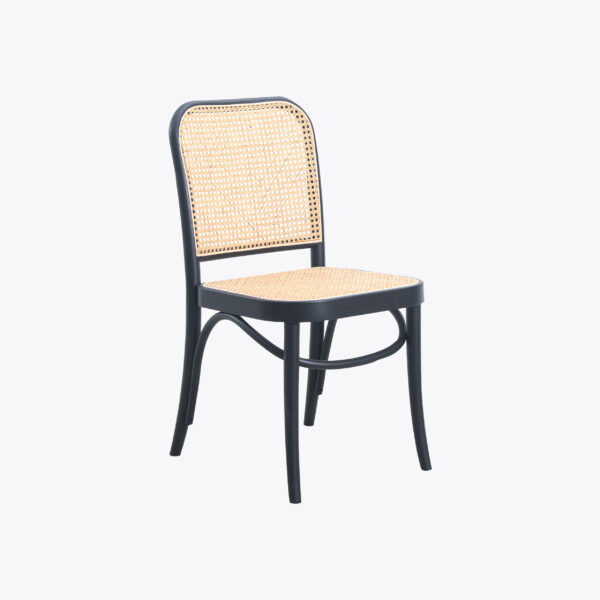
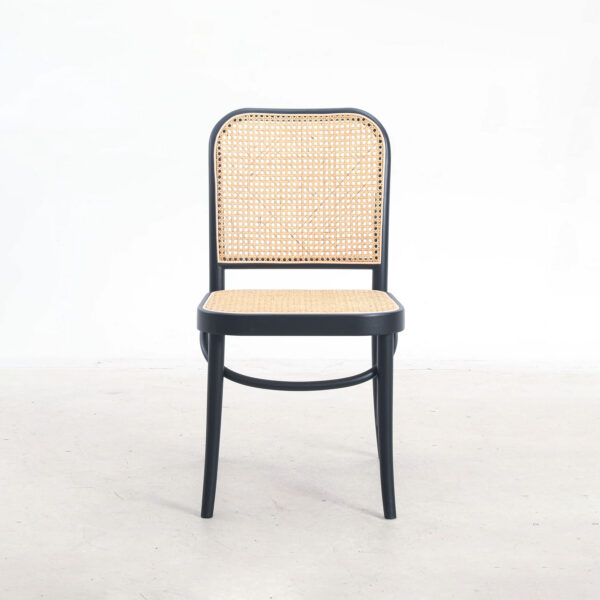
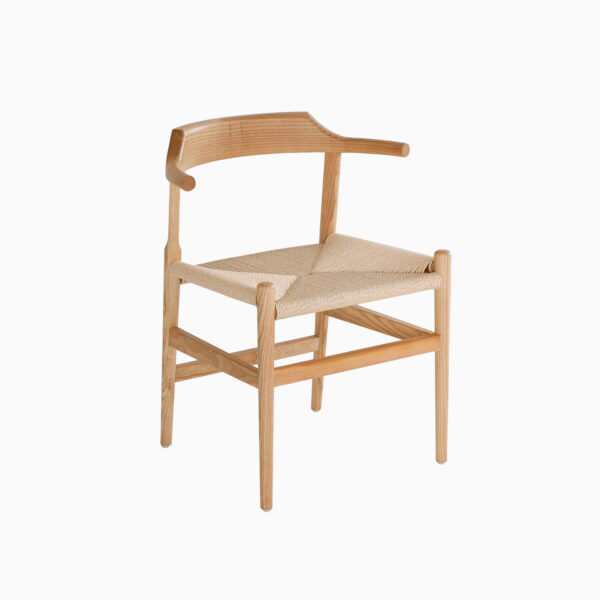
Some of the most recognisable furniture designs remain relevant decades after they were first introduced. Explore pieces inspired by enduring classics below.
Allow Your Home to Change Slowly
Creating a timeless interior does not require predicting the future.
Personal taste naturally changes, and homes should reflect the people living in them. The aim is not to create an interior that never changes. Instead, it is to choose major pieces carefully enough that the room can evolve around them. This is one of the main advantages of timeless furniture. A well-designed dining table, chair or storage piece can remain while smaller elements change around it.
Over time, this creates a home that feels collected rather than constantly redesigned.