
Side Tables
Side tables should put a useful surface where you can reach it comfortably. Begin with the seat and the things that need a place: a drink, book, lamp or another everyday item. A decorative shape is easier to judge once those tasks are clear.
Read moreRead less
Compare the top with the seated position, then include the complete base and route into the chair or sofa. The practical choice is more than a small outside measurement. Sofa side tables take a closer look at that particular seat relationship, while side tables with storage focus on contents below the top. Choose useful reach and actual construction before finish completes the room.
Showing 1–24 of 94 resultsSorted by recommended
-
Week’s PickOriginal price was: $429.00.$356.00Current price is: $356.00.
-
On SaleOriginal price was: $213.00.$187.00Current price is: $187.00.
-
-
-
-
-
-
On SaleOriginal price was: $806.00.$709.00Current price is: $709.00.
-
-
-
On SaleOriginal price was: $399.00.$351.00Current price is: $351.00.
-
On SaleOriginal price was: $849.00.$747.00Current price is: $747.00.
-
-
On SaleOriginal price was: $459.00.$404.00Current price is: $404.00.
-
-
On SaleOriginal price was: $552.00.$486.00Current price is: $486.00.
-
-
On SaleOriginal price was: $479.00.$422.00Current price is: $422.00.
-
-
-
-
-
Week’s PickOriginal price was: $749.00.$674.00Current price is: $674.00.
-
Week’s PickOriginal price was: $612.00.$551.00Current price is: $551.00.
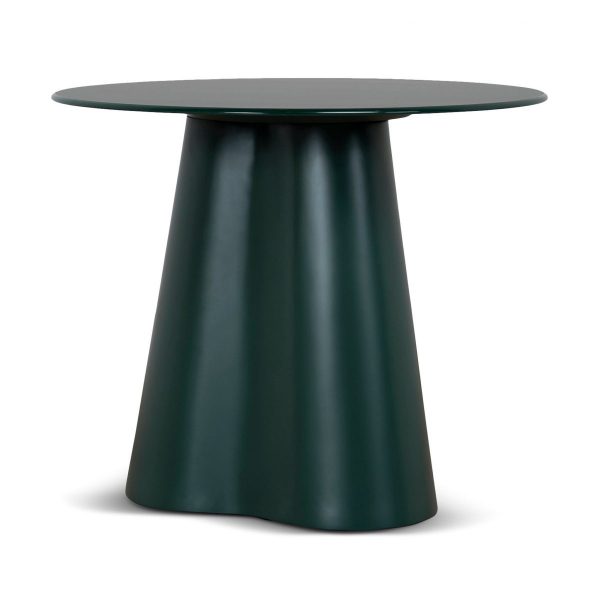

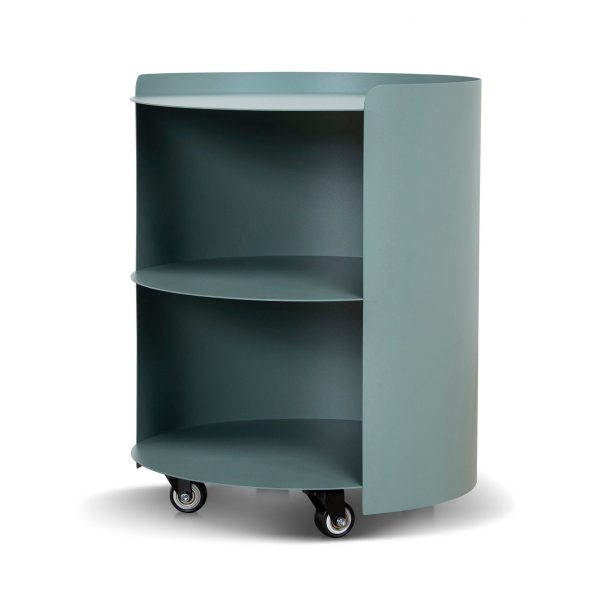

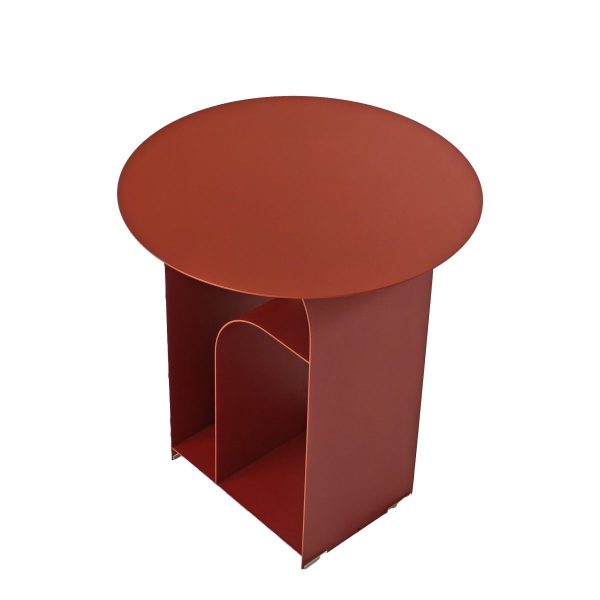
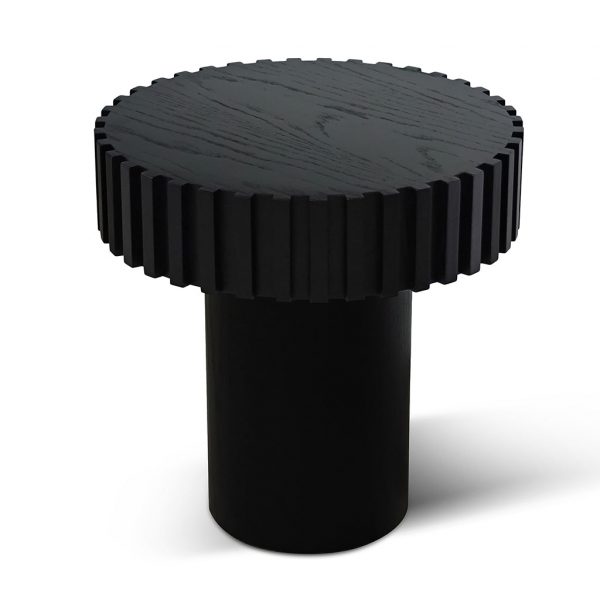
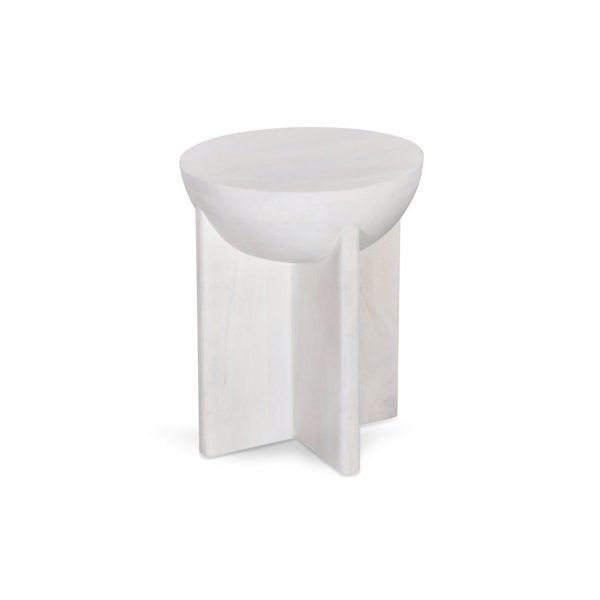
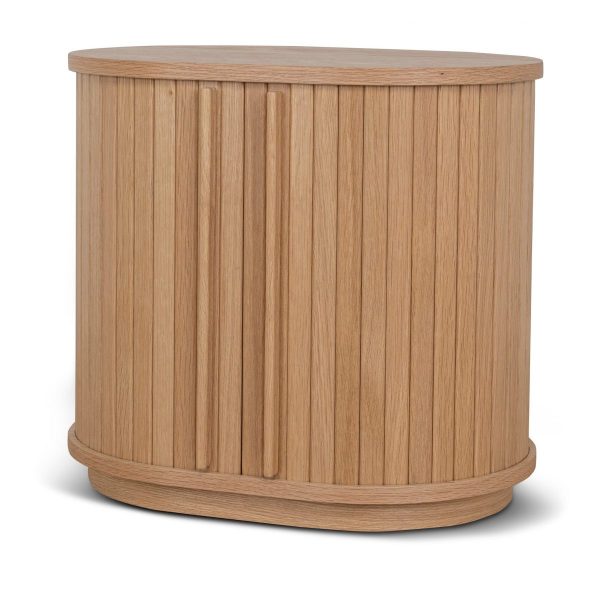

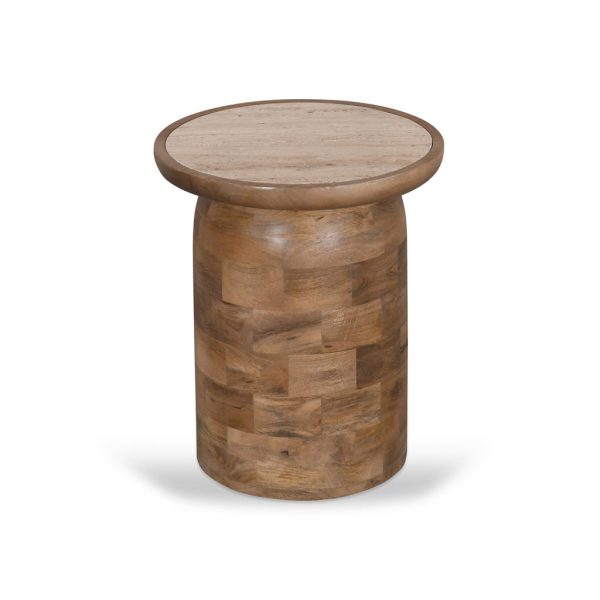
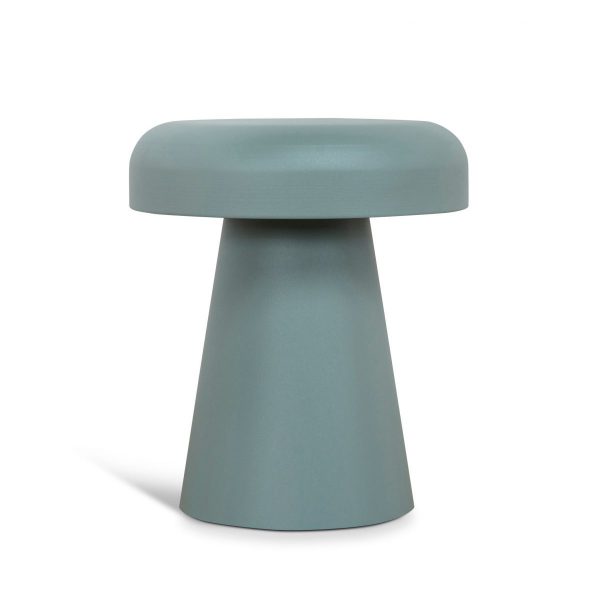
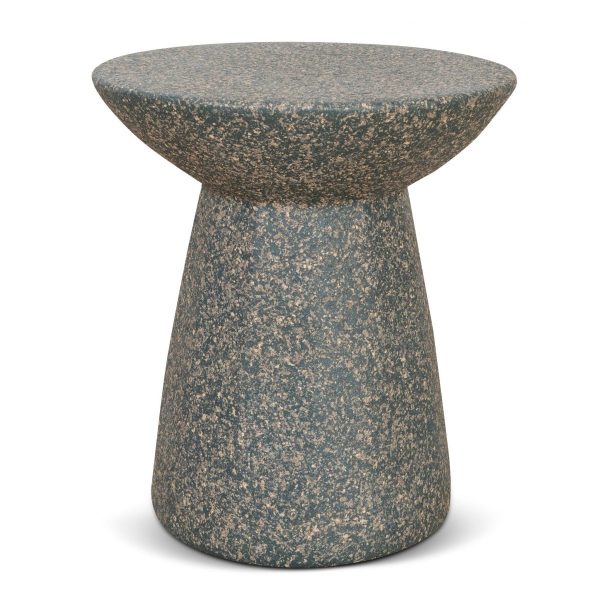

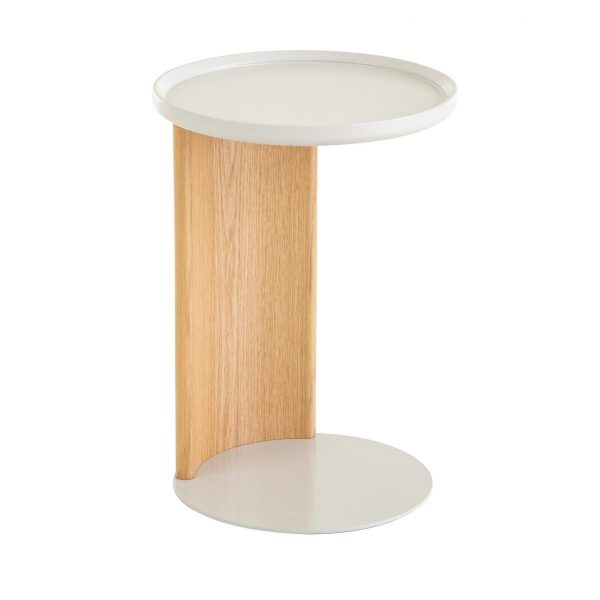
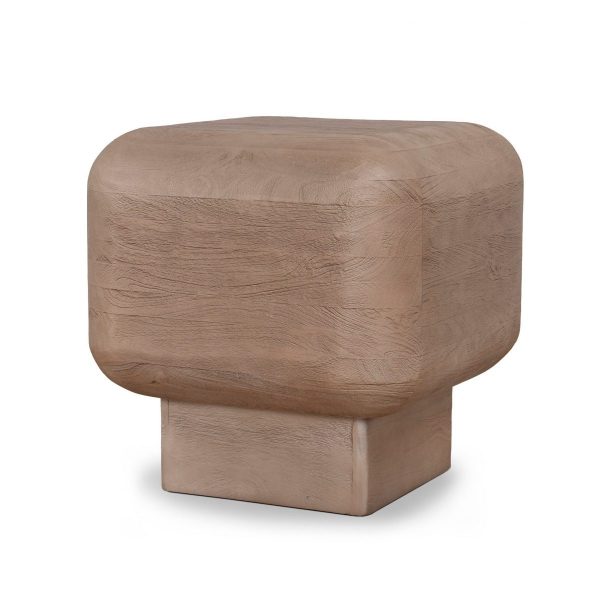

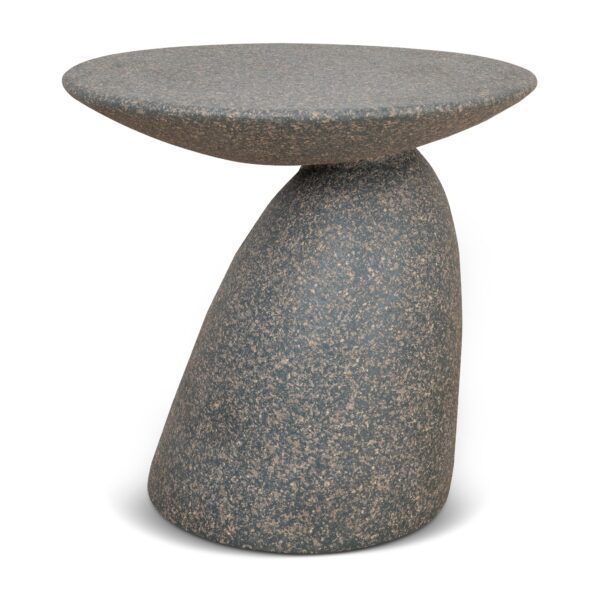

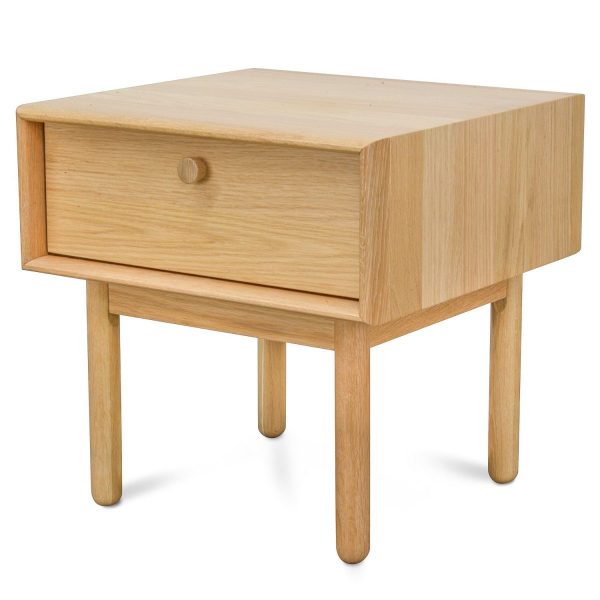
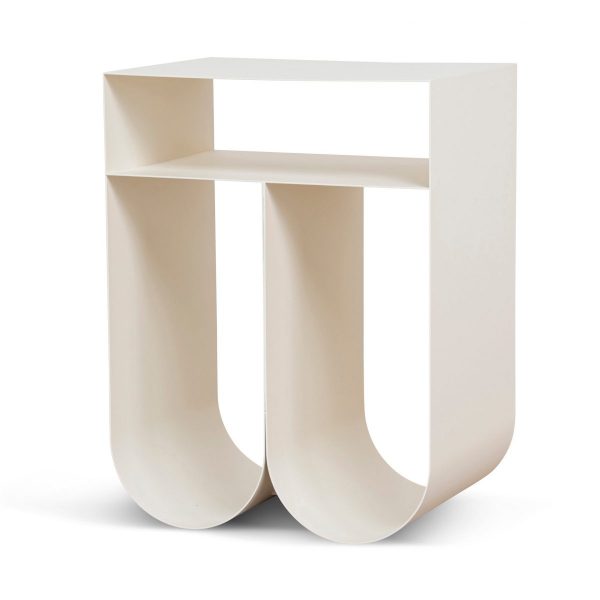

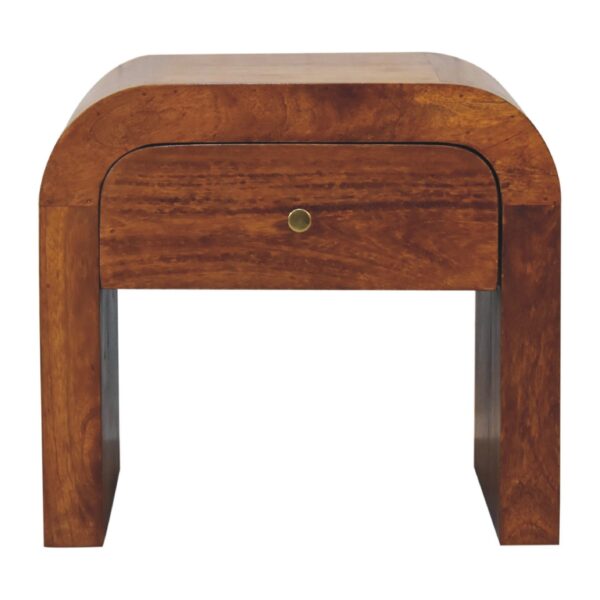
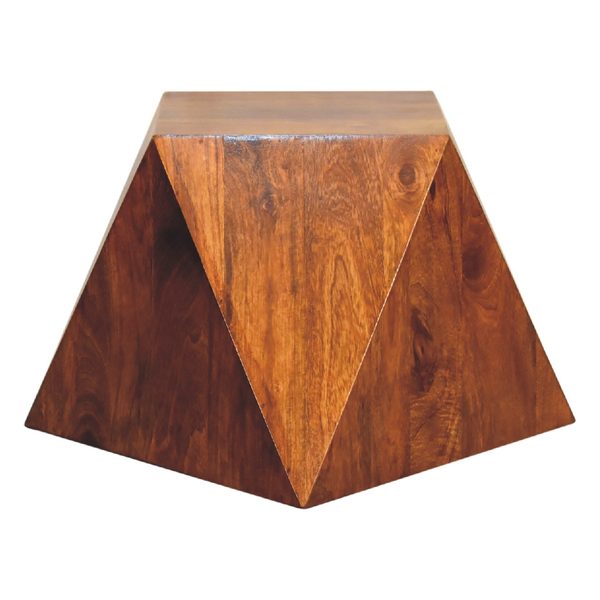
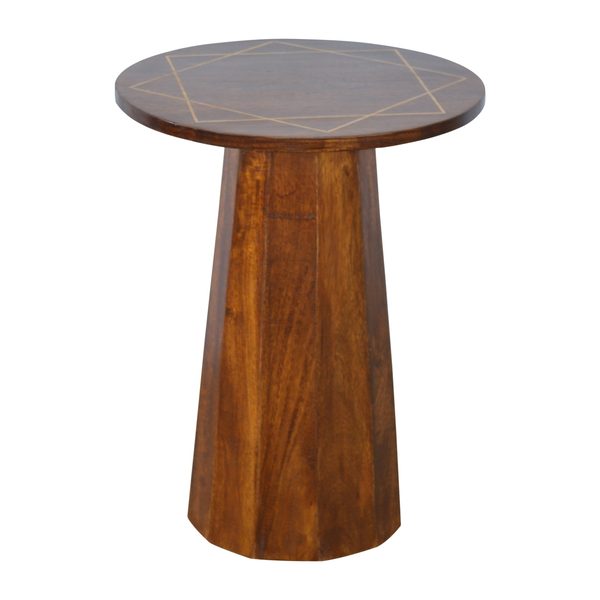
What must the top hold beside your seat?
List the items used together, not only the object shown in a styled photograph. A lamp base may leave less room for a cup and book than the top outline suggests. Compare usable space around any raised edge or other stated detail.
Think about where your hand naturally reaches while seated. The surface should serve that position without requiring an awkward lean across an arm or another object. If only a compact landing place is needed, small side tables refine that task. Choose the real top area from everyday use before deciding that a visually generous or unusually shaped table provides enough practical space.
How will the table work with the seat and walking route?
Compare top height with the actual chair or sofa and test the reaching position using your measurements. There is no single table height that fits every seat. Include the full base, legs and any projection beside the seat.
Mark the occupied arrangement with room to sit, rise and walk past. A broad foot may use more floor space than a small top suggests. Round side tables and rectangular tables offer different top layouts, with bases still measured separately. The useful table lets the seat remain easy to enter and keeps the room’s route practical instead of fitting only in an empty gap.
Which construction and care suit the items you will place there?
Read the top, base and any storage component separately. A named material on one surface does not establish the whole structure, its loading or its intended use. Keep assembly and product care beside the visual comparison.
Protect surfaces beneath drinks or plant pots as the actual finish guidance directs. If a lamp is planned, include a cable route that does not cross the walking path. Timber tables and marble tables raise different material questions. Do not treat a side table as a stool unless its stated use allows seating. Choose accurate construction for the ordinary task, allowing appearance to finish a workable room arrangement.
Frequently Asked Questions
Explore the side-table room comparison when the practical role is clear and you want to connect the new surface with furniture already in the room.