
Side Tables with Storage
Side tables with storage should solve a clear task near the seat: what needs putting away, how often it is reached and what remains on top. Start with those belongings before choosing the exact compartment method. A storage label does not establish drawers, doors, shelves or a particular internal capacity.
Read moreRead less
Read the actual layout and useful dimensions, then compare the surface with seated reach. Side tables cover first top and height checks. The right layout depends on whether you want the contents visible, how often you need them and how much reaching or opening space is available. Compare those choices before settling on the finish, so the table can keep the surface ready and the belongings easy to find.
Showing all 13 resultsSorted by recommended
-
-
On SaleOriginal price was: $479.00.$422.00Current price is: $422.00.
-
-
-
-
-
-
-
-
-
-
-
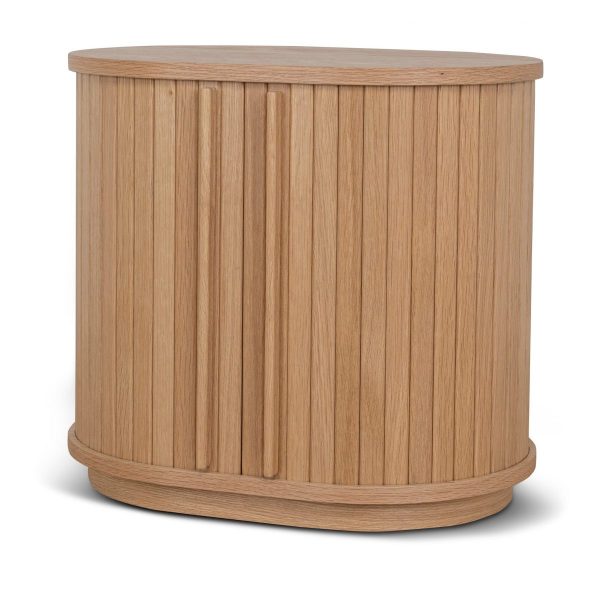

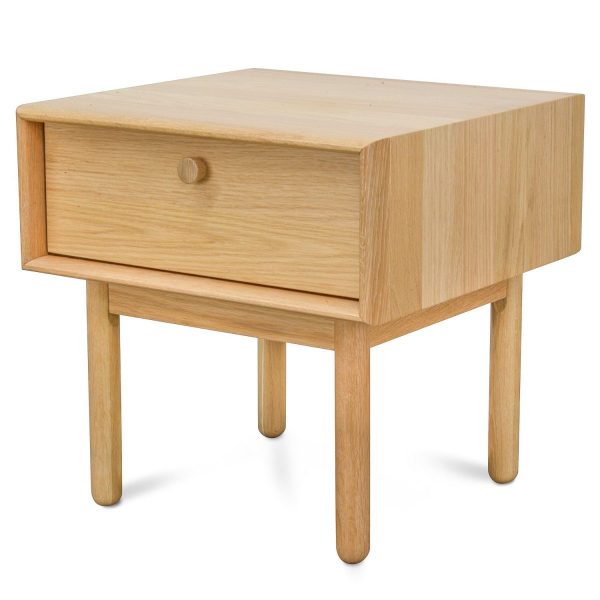
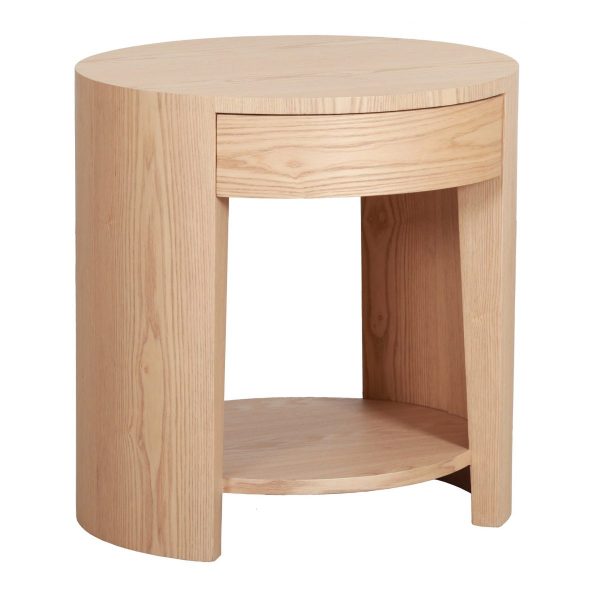
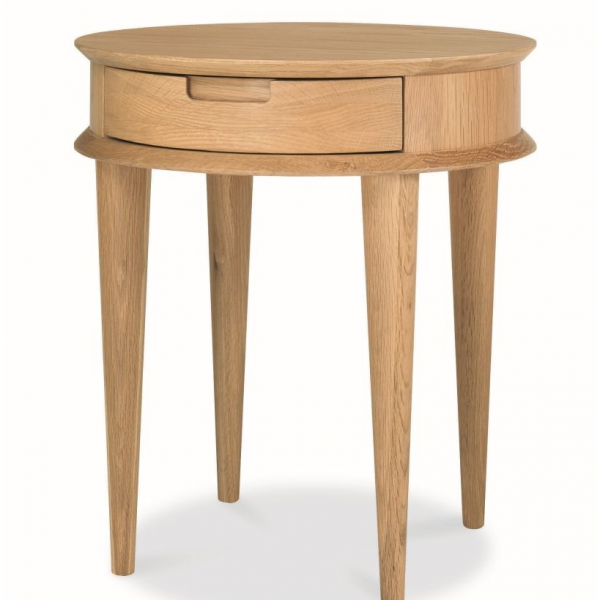
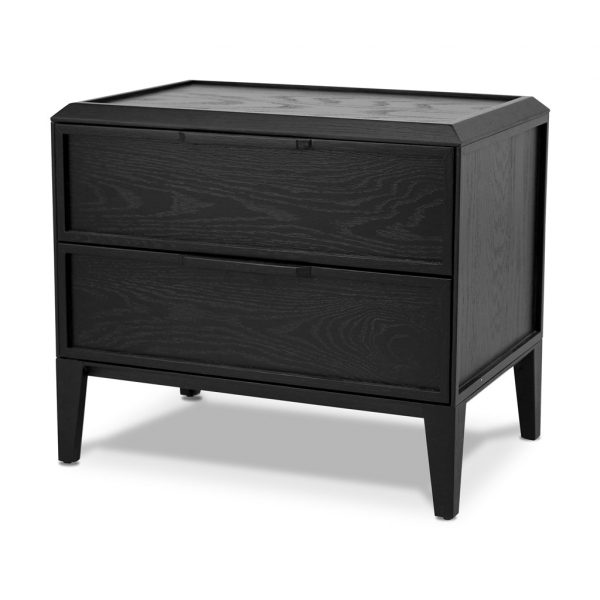
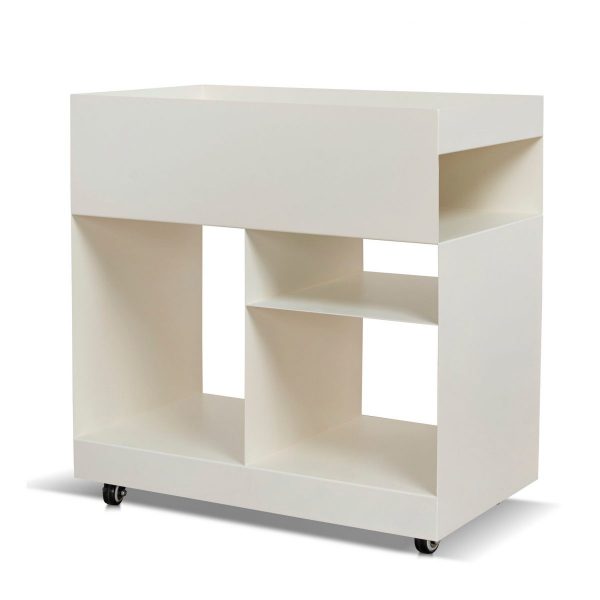
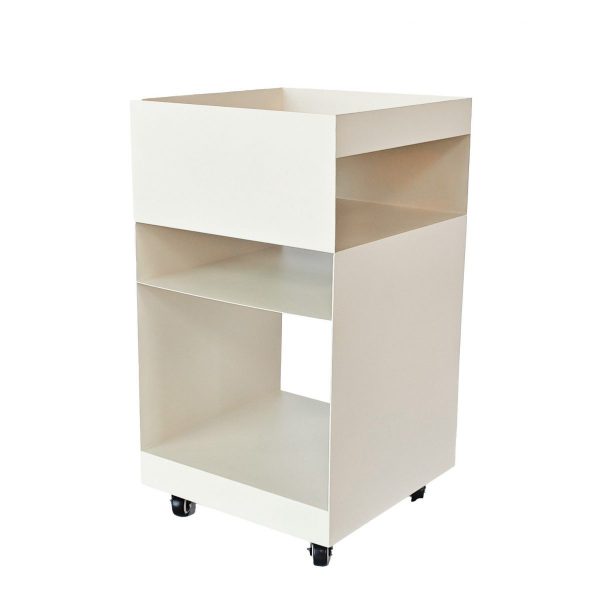
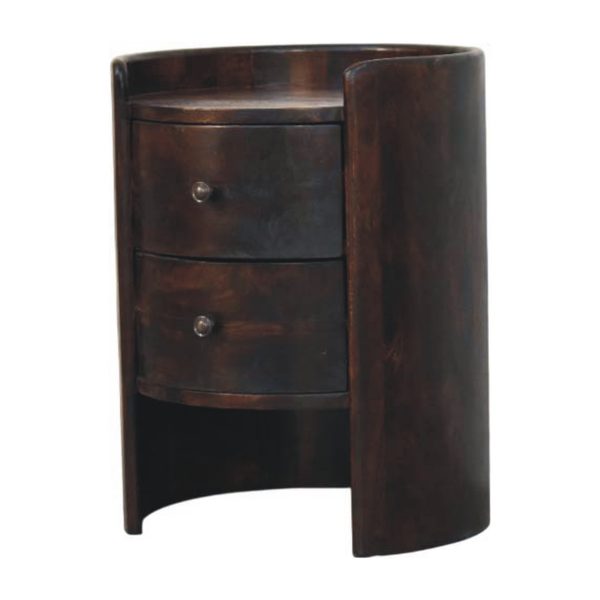
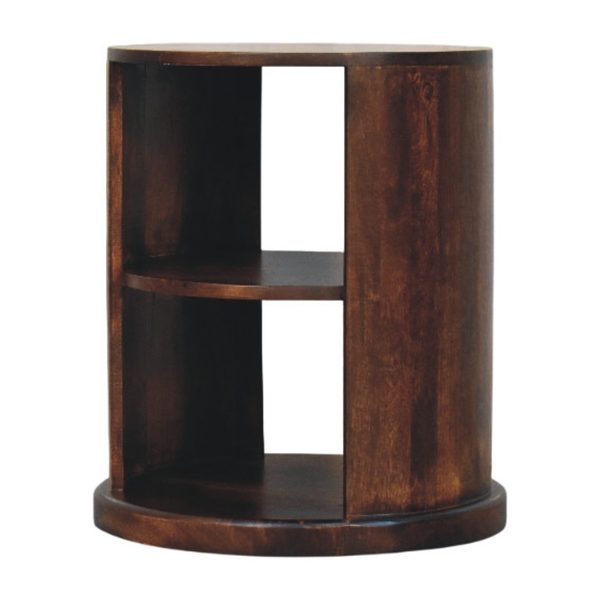
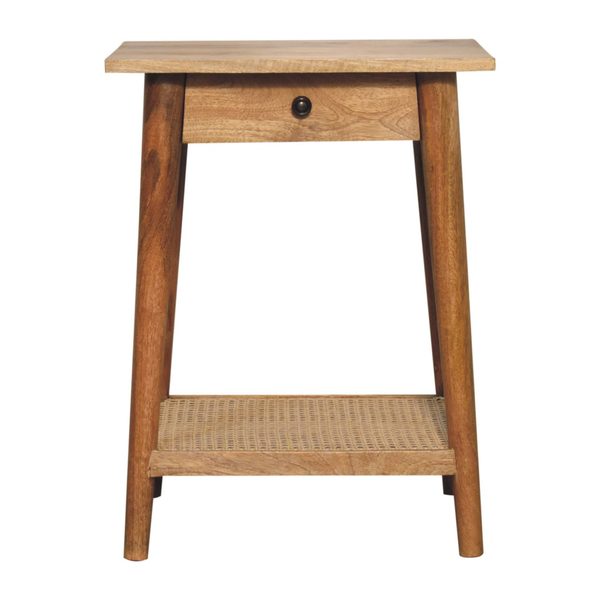
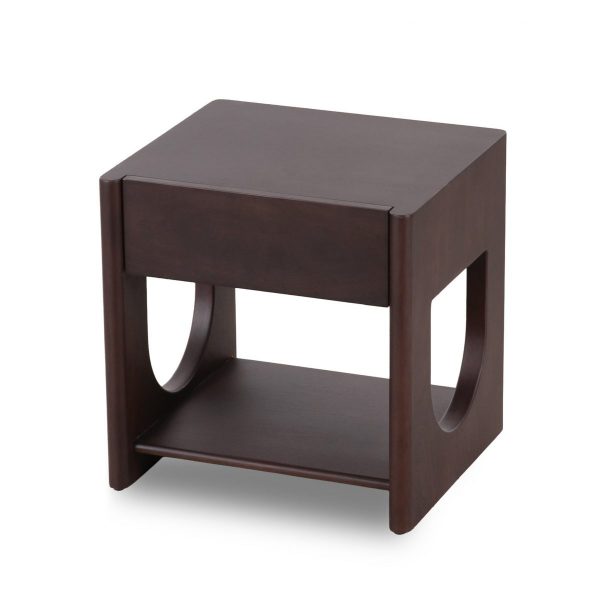


Which belongings need a place beyond the tabletop?
Group the things used regularly beside the seat, then separate those that should remain on the top from those put away. Measure larger contents and think about how they are found and returned. More compartments do not automatically make that routine clearer.
Compare actual interior dimensions or shelf gaps with the groups. Ask about unclear layout where it affects the task. Drawer tables focus on enclosed retrieval, while tables with shelves examine open lower levels. A remote used throughout the evening may suit easy open access, while spare charging leads might belong in an enclosed compartment. Make that decision item by item, then compare how the layout keeps those groups separate.
Can the storage be used in the actual seat-side position?
Mark the full base, all projections and any door or drawer opening stated for the design. Include the person reaching into the storage with the chair or sofa occupied. Access can change when the table is turned toward another piece of furniture.
Test room to enter, rise and pass without moving the table for routine retrieval. An open shelf still needs handling space even when it has no moving front. Sofa tables refine the particular seat relationship. Try retrieving an item in the proposed position. If the sofa arm blocks your hand or an opening projects into the route, turn the table or compare another access method before buying.
Does the top remain a useful everyday landing place?
Measure lamp base, drink and book together on usable surface space. Compare the top height with comfortable reach, including the chair or sofa arm. Storage should not be the reason to choose a surface that no longer serves the seated routine.
Read the actual top, body and compartment materials, loading and assembly. Follow care separately where components differ and plan cables away from openings or paths. Small tables provide a closer footprint comparison where space is constrained. Give the top and storage separate jobs. Keep objects used while seated within comfortable reach above, and choose a place below for the belongings you want to put away between uses.
Frequently Asked Questions
Compare side tables for existing seating to connect the storage choice with your chair, sofa and everyday objects.