
Storage Benches
Storage benches need to work as a bench and as a place to keep things. Start with the actual sitting dimensions and supported use, then compare the usable interior with the household groups you want to store. A large outer body does not establish equal internal space, and the storage label does not identify the opening mechanism. Read those details before choosing a finish.
Read moreRead less
Use this collection to plan both tasks in the room. Benches provide the wider seating comparison. Seating with storage examines the use-and-retrieval sequence, while fabric storage benches focus on a documented covering. Choose the occupied bench and the movement needed to reach its contents, rather than measuring only a neatly closed piece.
Showing all 8 resultsSorted by recommended
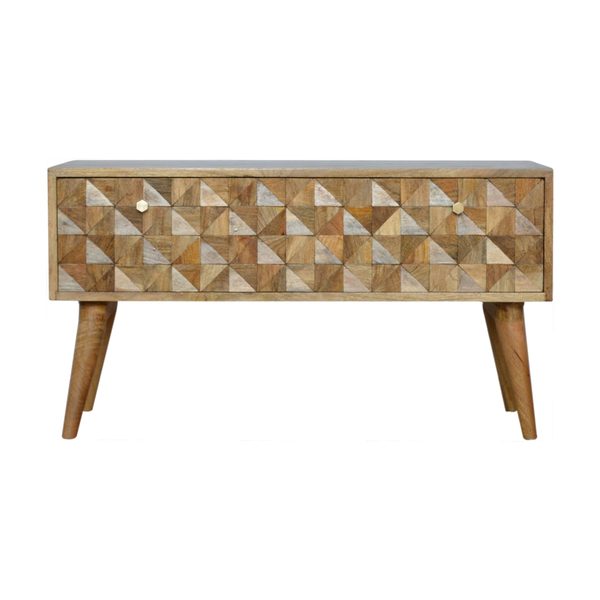

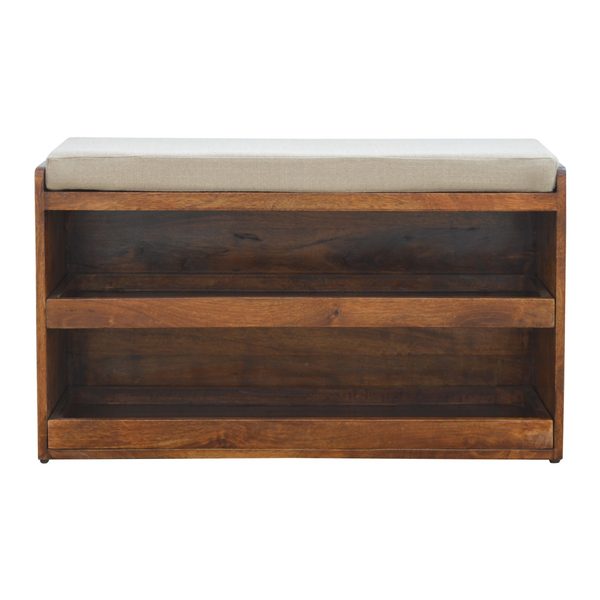
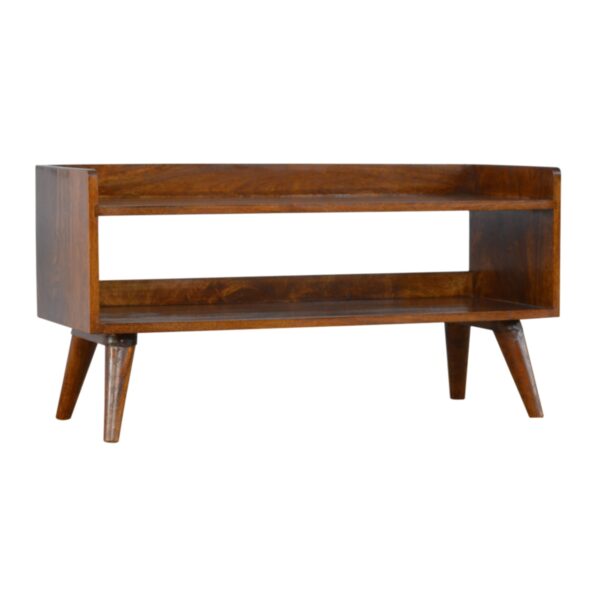


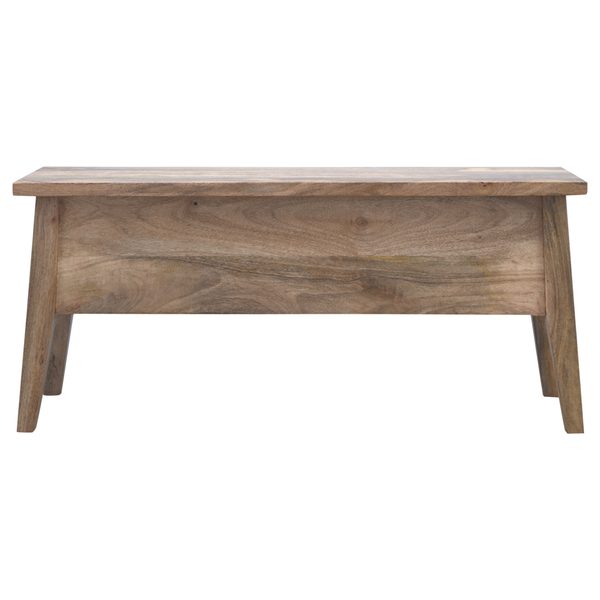
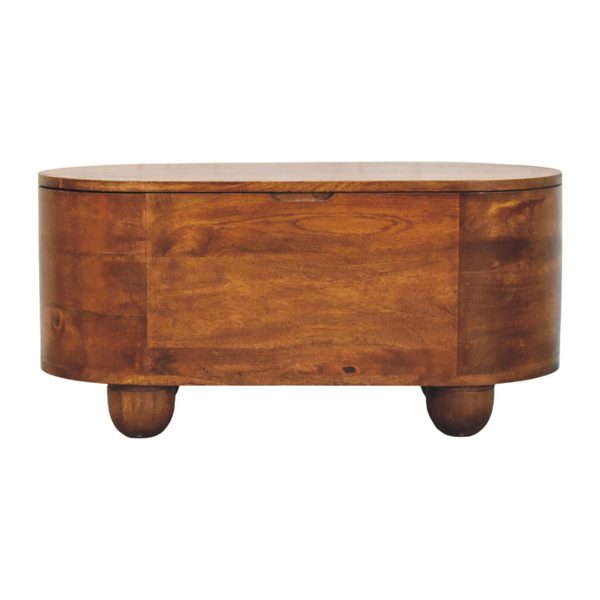
Compare stored groups with the usable interior
Measure the objects in their intended arrangement, leaving room to lift out a piece. Internal depth and height can differ from the assembled bench dimensions because of construction and fittings. Read the actual compartment layout and opening width. A bulky object may fit inside but be inconvenient to retrieve through the access provided.
Decide which items are used frequently and which can remain in a less immediate position. Bedroom storage offers a wider comparison if folded household groups lead the brief. Storage capacity should support the ordinary return routine, not merely conceal the largest quantity. Choose a bench whose real interior gives useful places to the objects you actually need.
Check sitting space separately from storage capacity
Read usable seat height, depth and length with the actual support or covering where stated. A broad storage box is not automatically an equally broad sitting zone. Follow loading and intended-use guidance rather than assigning a person count from the bench label or a staged photograph.
Plot the full bench and room to sit, stand and move past it. If it stands near a bed or entrance, include the other furniture and routes used at the same time. Bedroom benches and entryway benches provide closer role comparisons where appropriate. Choose practical seating first so storage is added to a bench that already suits the room’s ordinary activity.
Plan the opening and the routine of retrieving contents
Read the actual access direction, movement and mechanism instructions. A lid, drawer or another configuration must be documented rather than inferred from a seam. Plot that opening with surrounding furniture in place. If the sitting area must be cleared before access, include that change in the use sequence.
Check surface and interior care separately, with assembly and supplied parts confirmed. Mango wood storage benches provide a material route after both tasks are clear. Follow handling and operating guidance instead of assuming controlled closing or easy lifting. Ask benssur about missing internal or opening measurements before choosing storage that remains useful while the bench has an actual place in the room.