
Storage Boxes
Storage boxes should give a clear group of belongings a place that remains easy to use. Start with the contents and how often they are taken out. Outside dimensions alone cannot tell you the useful inside space, opening method or handling needed once a box is filled.
Read moreRead less
Read actual construction, intended placement and any supplied lid or other feature separately. Begin with the daily routine, whether you are putting away loose accessories, storing occasional belongings or keeping one set of items together. Mango wood boxes focus on a named timber, while rattan boxes examine the actual rattan components. Choose a box you can open, search and return to its place easily. Keeping the contents grouped by use helps that arrangement stay practical after the first tidy-up.
Showing all 3 resultsSorted by recommended
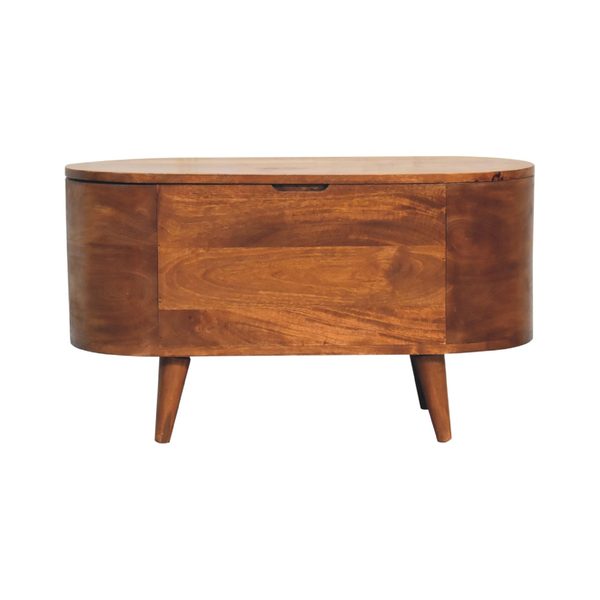

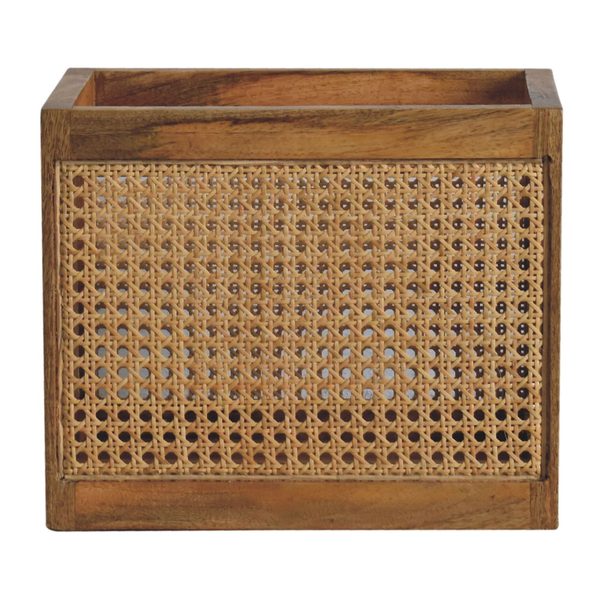
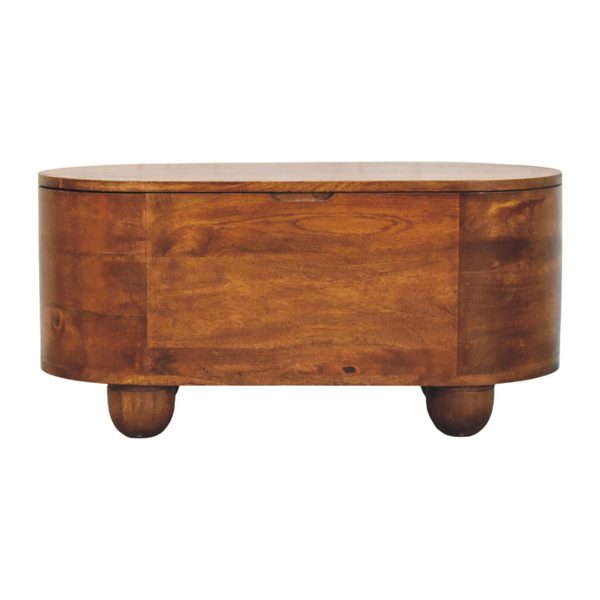
Which contents should share a practical box?
Group belongings by the way they are used, not only by what fits when compressed. Measure larger items and compare usable height, width and depth with the actual interior. Leave room to remove and return things without unpacking an unrelated group.
Read dividers, liners or organisers only where stated. A capacity label or outside size should not replace the useful compartment layout. Frequently used contents may need easier retrieval than occasional ones, even within similar boxes. Give each box one clear job, such as keeping a set of accessories together. If several groups share the same compartment, consider how to tell them apart and reach the lower items without emptying the whole box.
Can the opening and handling work in the planned position?
Check whether the actual design has a lid, another closure or open access, and read how it is operated. Include opening movement and the person reaching inside. A box that fits neatly beneath or beside furniture may be awkward to use without moving it.
Follow stated handling and loading rather than assume a handle, stacking feature or seating function. Include the complete base and projections in the room layout. If a different furniture format better serves retrieval, cabinets and cupboards provide a separate comparison. For a box under furniture, test the space to slide it out and the room to open it afterwards. For one on a shelf, check how you will lift and return it with the intended contents inside.
Which material and placement suit the intended belongings?
Read body, base, lining and closure materials wherever described. Follow actual care and placement instructions, keeping components separate where they differ. A natural-looking surface should not establish ventilation, moisture protection or one cleaner.
Do not infer food storage, outdoor use or seating from the broad box label; those functions need explicit product guidance. Shoe storage offers a specific footwear comparison when that is the task. Think about the condition of the contents when they are put away and follow any guidance on moisture or placement. Where several boxes will stay on view, compare their finish as a group once their useful space and handling work.
Frequently Asked Questions
Compare storage furniture if the belongings need fixed compartments, shelves or another access method.