
Meeting Tables
Meeting tables should be chosen through the people and work they need to accommodate. Begin with what happens at the table: conversation alone, laptops and papers, or a combination. The useful surface depends on that routine, not only on a stated person count. Then check how chairs fit around the top and how people approach their positions within the room.
Read moreRead less
Use this collection to compare the complete shared-work arrangement before selecting a finish. Read actual dimensions, supports and any documented cable or other features separately. Home office furniture provides the wider workspace comparison. Desks focus on an individual work surface when a shared meeting role is unnecessary. Choose the table through real use rather than an office-style label alone.
Showing all 4 resultsSorted by recommended


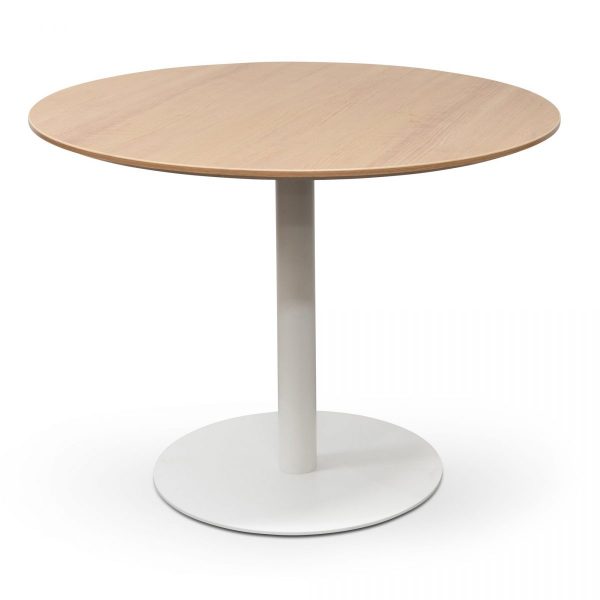
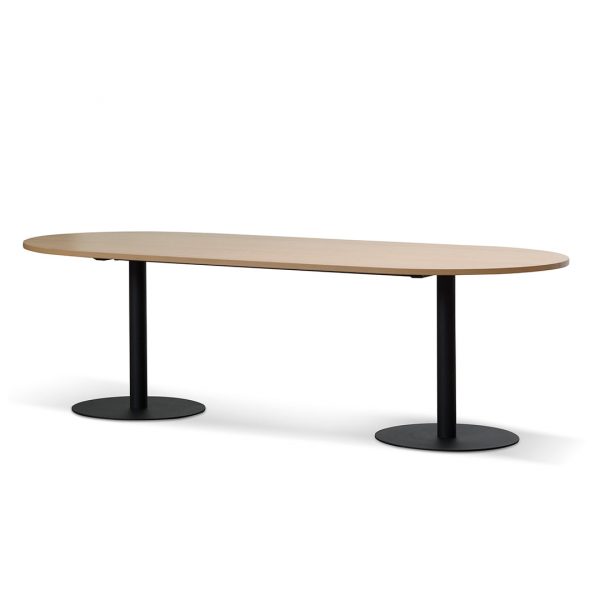
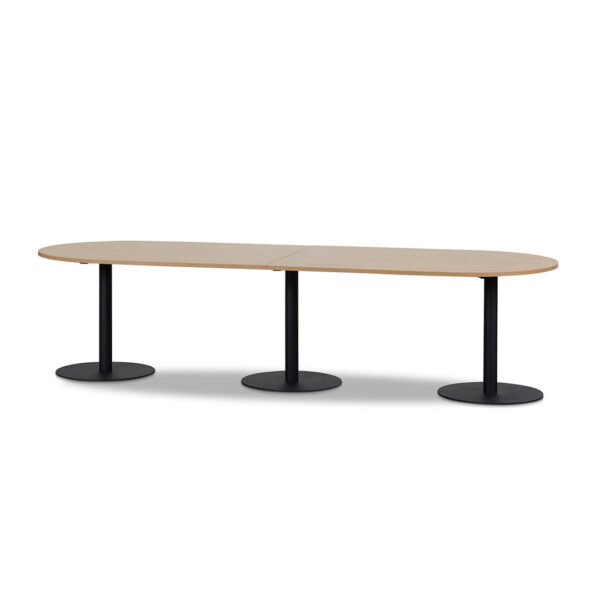
Plan participant positions with their working objects
List the normal participants and the items they use together. A laptop, papers and a drink need more working area than a short conversation without equipment. Compare usable top dimensions with that actual arrangement, leaving shared space where it serves the task. Do not infer comfortable capacity from a person-count label alone.
Check the actual chairs too. Their width, arms if supplied and movement affect positions around the table. Office chairs provide a related comparison, with intended use and measurements still needing confirmation. Decide whether everyone needs an equal working place or whether the meeting has another documented arrangement before finalising the top size.
Check supports, chair movement and the route around the table
Plot the full top and base within the room, then add chair positions and the space used when people stand. Legs or a central support can occupy different areas under the top. Read the actual structure rather than assuming every perimeter position has the same knee or chair clearance.
Keep access from the entrance to the seats and other furniture workable. If equipment is part of the routine, plan its location and confirm any documented cable feature; do not assume power access from an office-table name. Office tables offer another workspace direction when the task is broader than meetings. Choose the complete arrangement, not just the empty tabletop outline.
Choose materials and care for repeated shared use
Read the actual top and support materials and their care instructions. Frequent contact with laptops, papers and drinks needs guidance suited to the selected surface. A finish name does not establish resistance to scratches or cleaning products. Confirm any documented loading, assembly and intended-setting requirements relevant to the project.
Compare timber meeting tables and black meeting tables through their actual construction, finish and contact-care instructions alongside the work they need to support. Keep delivery access and the largest component in the plan. Ask benssur with the participant brief and shortlisted table where information is missing. The shared surface should serve a clear working routine within a room that remains accessible.