
Ottomans & Footstools
Ottomans and footstools should begin with a clear role beside the seating you already use. A place to rest feet, an expressly supported extra seat and a specified storage piece are different purchases. Read the actual function rather than expect every low upholstered-looking object to serve them all.
Read moreRead less
Then compare height, top area and full footprint with the chair or sofa. The useful companion should leave room to sit down, reach a table and move through the living area. This guide helps join those decisions. Browse any listed pieces with your intended role in mind, or explore wider living room furniture when choosing the complete seating arrangement before adding another surface.
Showing 1–24 of 25 resultsSorted by recommended
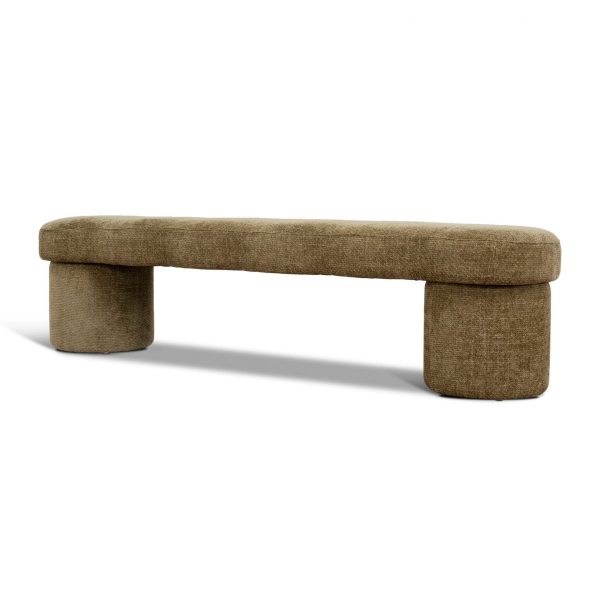

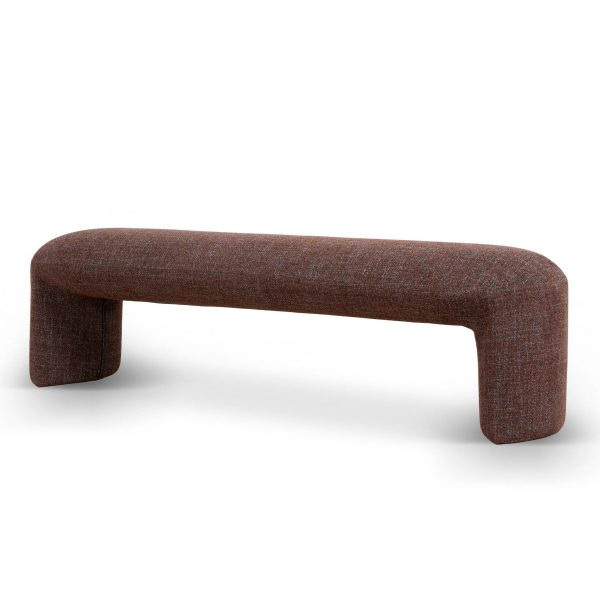
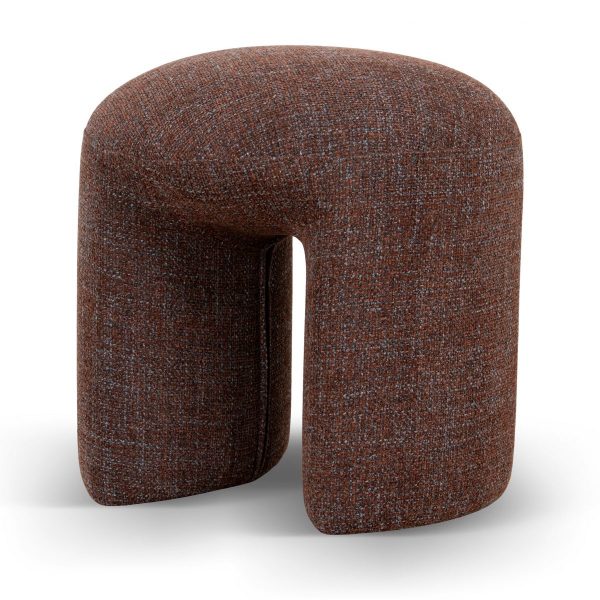
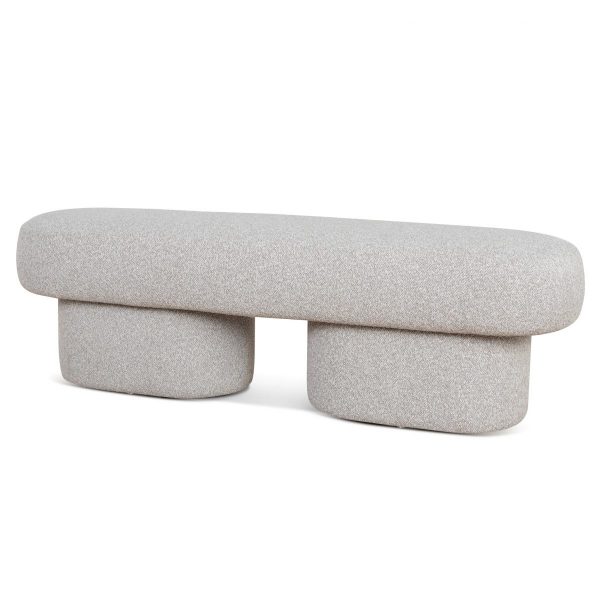
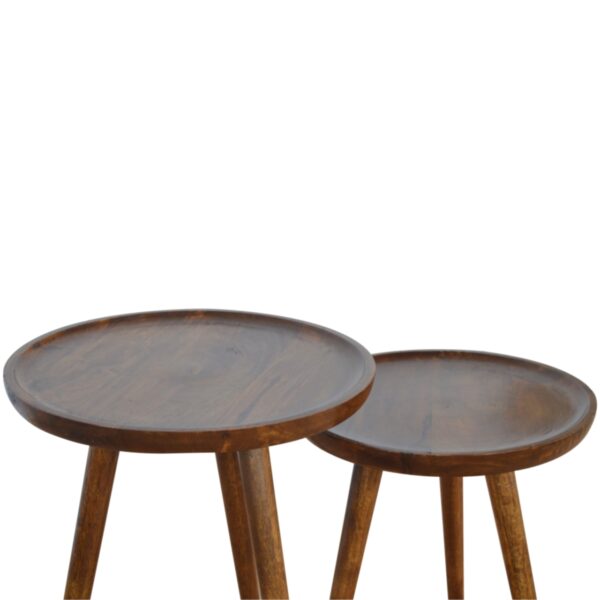
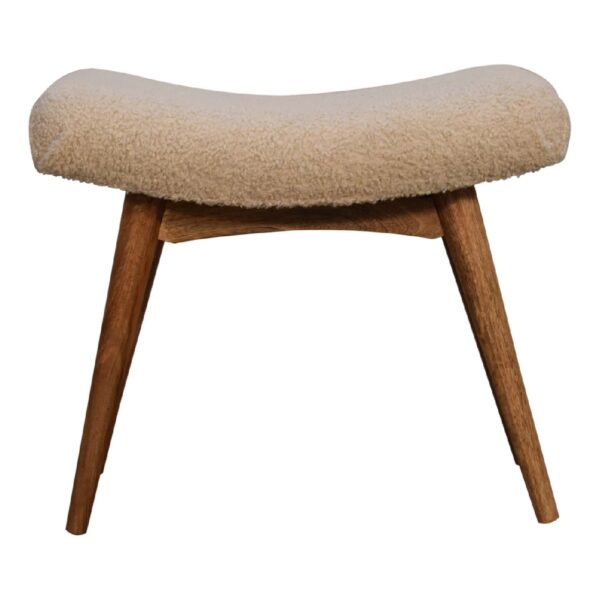
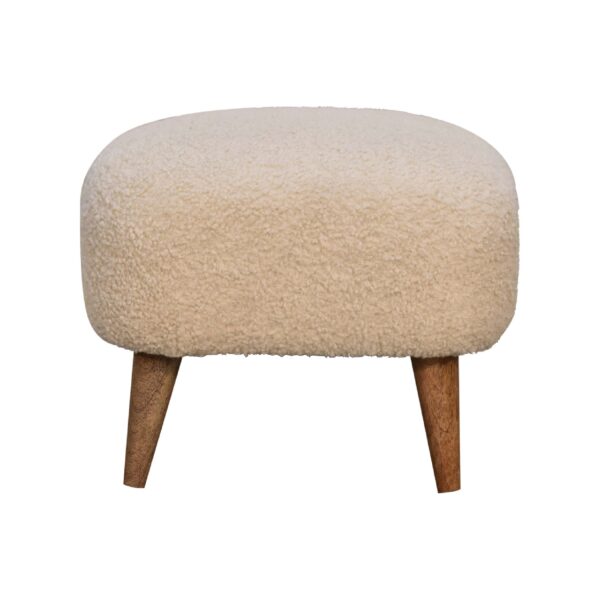
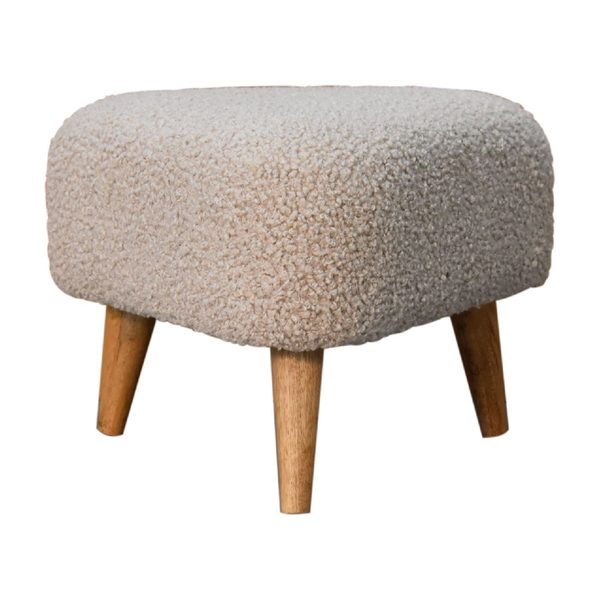
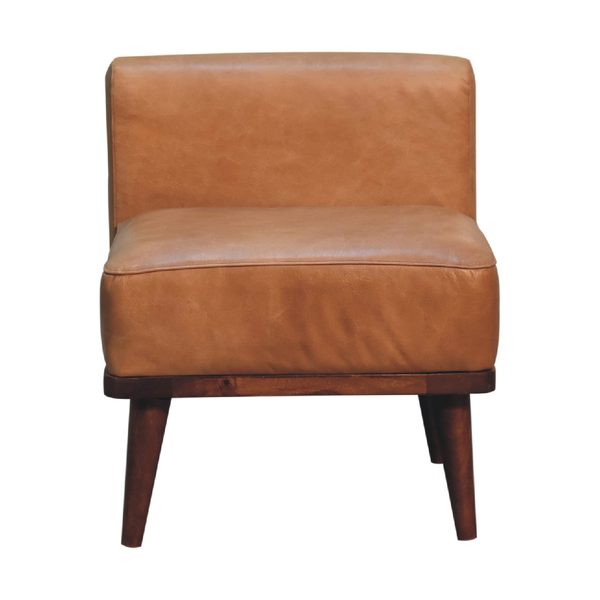
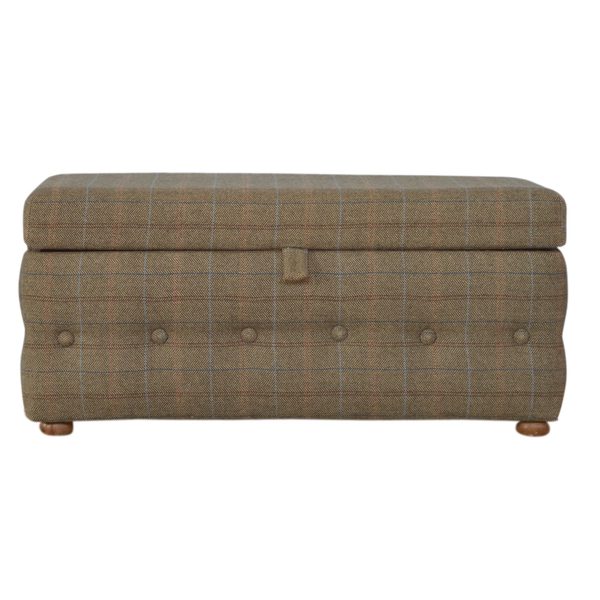
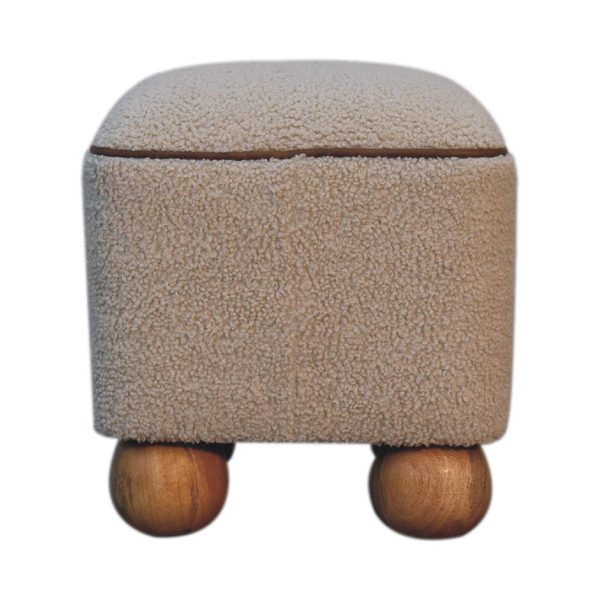
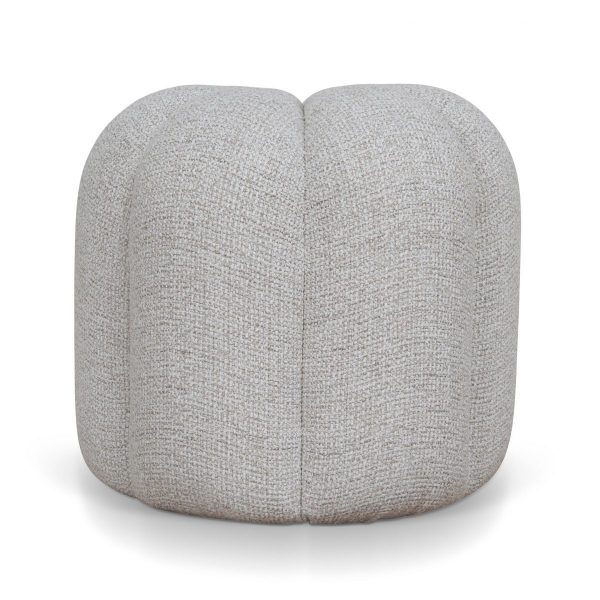
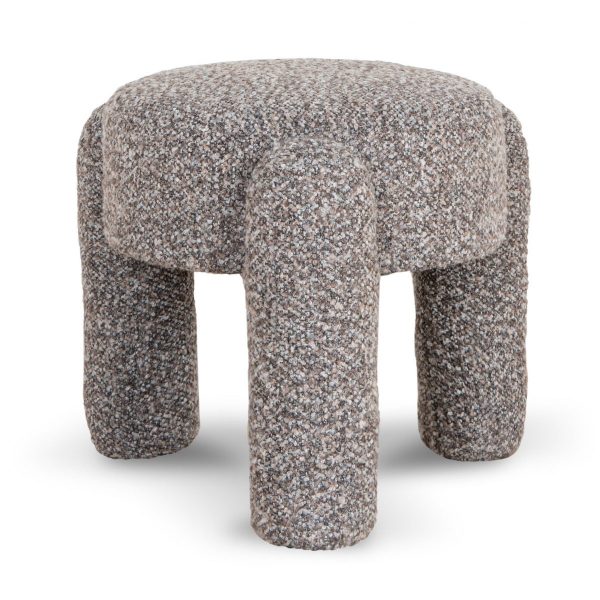
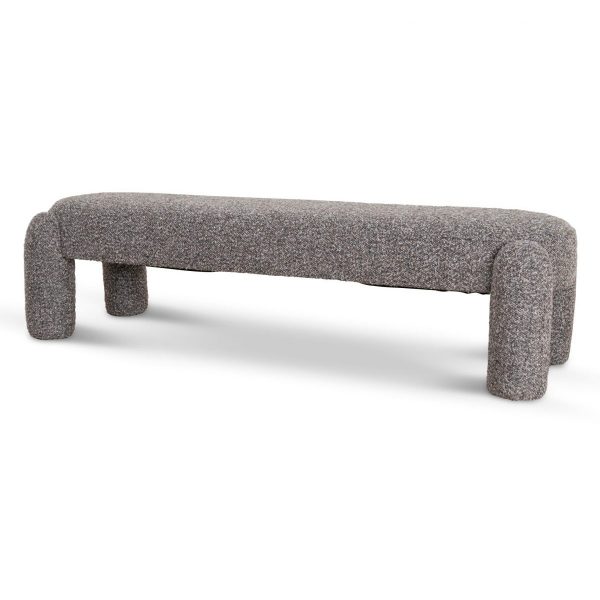
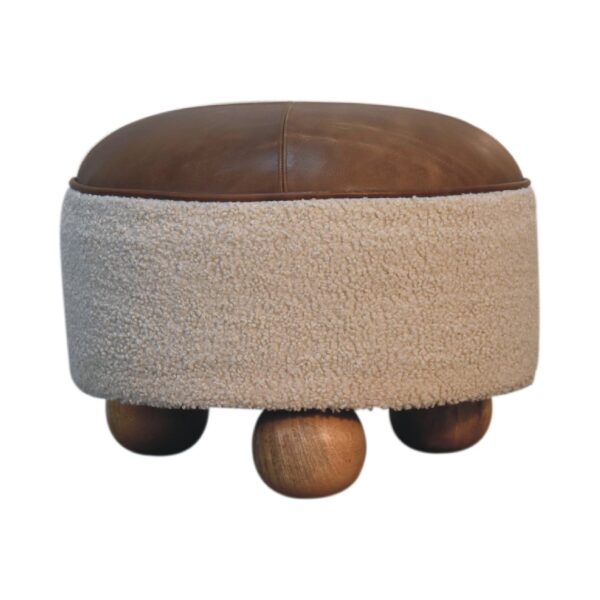
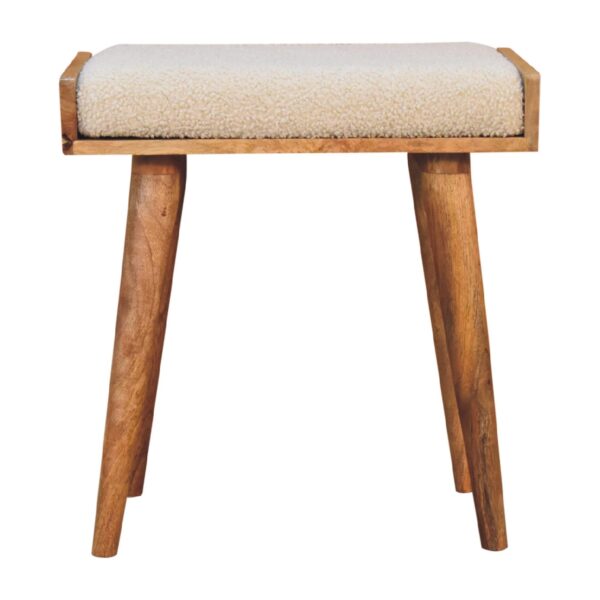
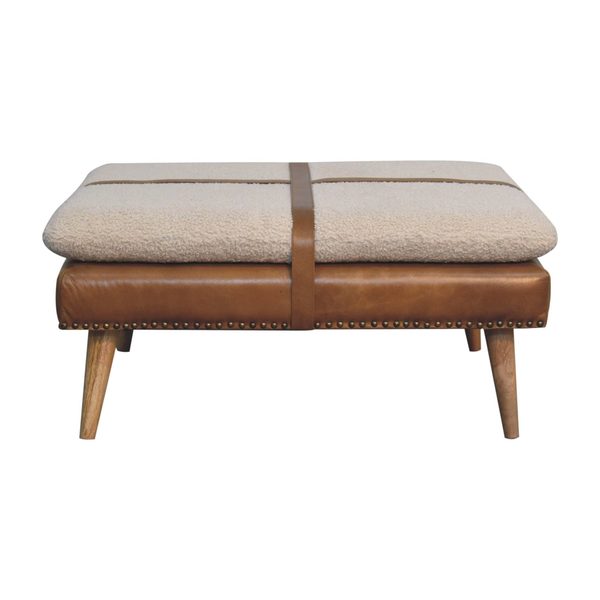
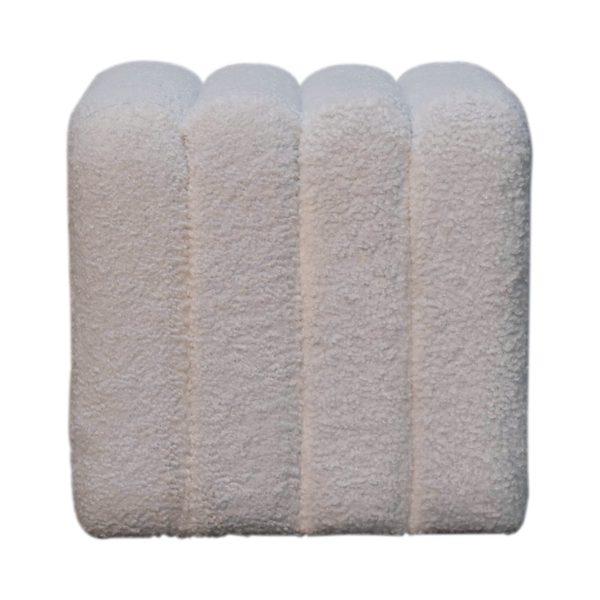
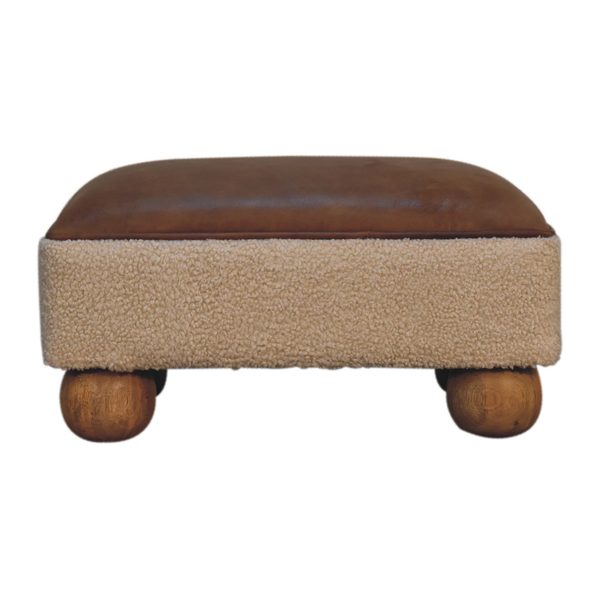
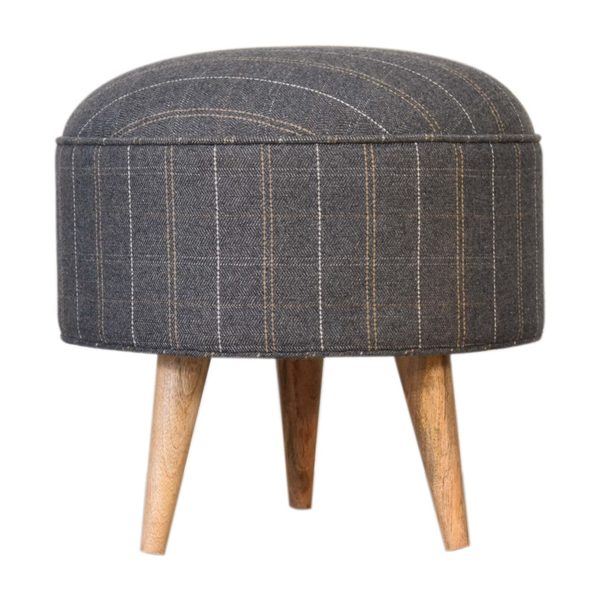
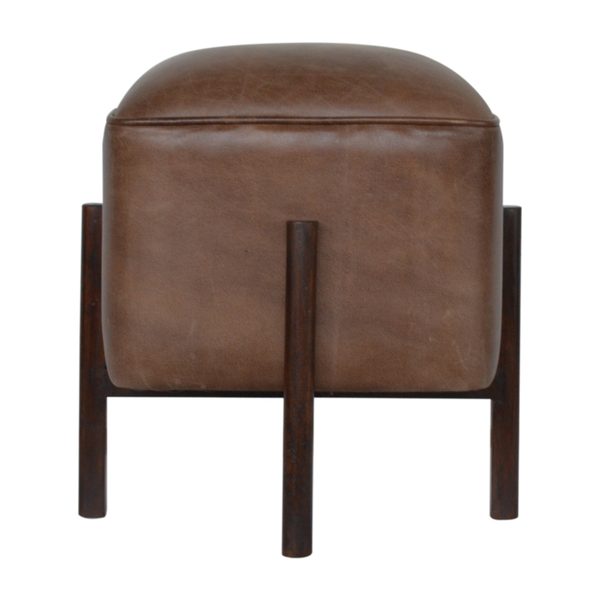
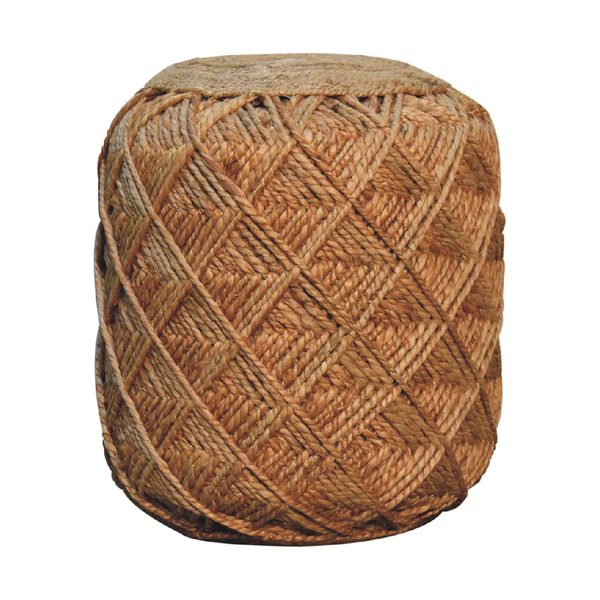
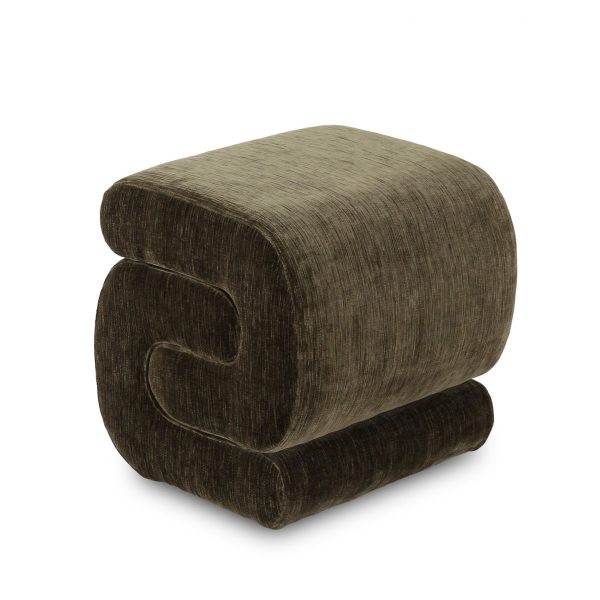
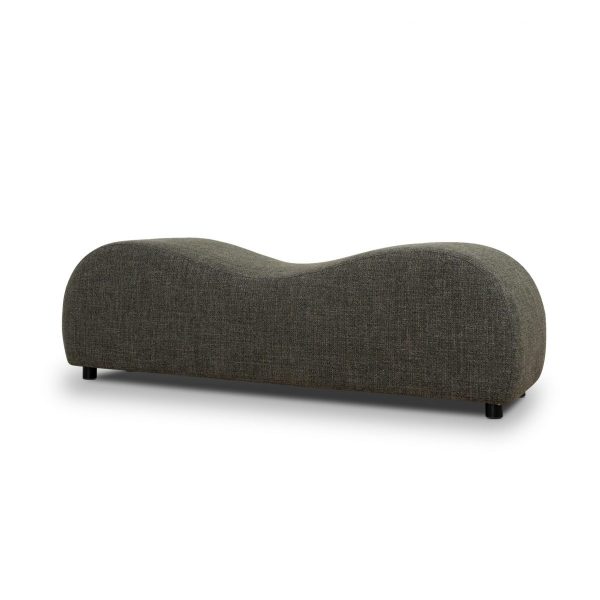
Choose the role before the low furniture shape
Decide what the piece will do most often. For foot support, compare it with the actual seat height and the resting position you prefer. For extra seating or another task, use the product’s intended-use and support guidance rather than infer capacity from a substantial top.
The ottoman comparison guide looks more closely at surface shape and practical use. Do not choose several nominal functions because a photograph presents them attractively. The useful purchase serves one real need first, with additional features included only where the item actually provides them and they fit the way the household uses the room.
Plan the companion with occupied seating
Mark chair or sofa, ottoman and nearby table together. Include the space used by a person stretching their feet towards it, as well as the route around the piece. A low object can interrupt movement even when it sits below the surrounding furniture’s sightline.
Check full width and depth, including any irregular shape. If a round form is preferred, compare round ottomans by actual diameter and useful top. The sofas category helps keep the seating relationship clear. Choose the companion’s location around real reach and movement rather than fill a gap simply because a small low piece appears to fit.
Read surface and features for ordinary contact
Compare actual top, covering and support construction. Padding is not established by an upholstered appearance, and a fabric or leather label cannot confirm firmness or cleaning method. Choose the surface around the intended contact and supplied care guidance.
If storage is specified, check usable interior space and opening access in the actual position. Do not assume a lid or compartment from a solid-looking body. Confirm assembly and any handling information too.