
Round Ottomans
Round ottomans bring a circular outline to the low area beside seating. Diameter uses space in every direction, so a form without corners should not be assumed compact. Compare the actual circle with the chair, nearby table and route through the room.
Read moreRead less
The usable top may also differ from its widest exterior, depending on the specified shape and support. Choose it for the intended footrest, seating or other confirmed role rather than a general multi-purpose image. This guide helps make the geometry practical. Browse any listed pieces with their top and base dimensions in view, or explore the wider ottomans and footstools category when another form better serves the main task beside your seating.
Showing all 4 resultsSorted by recommended
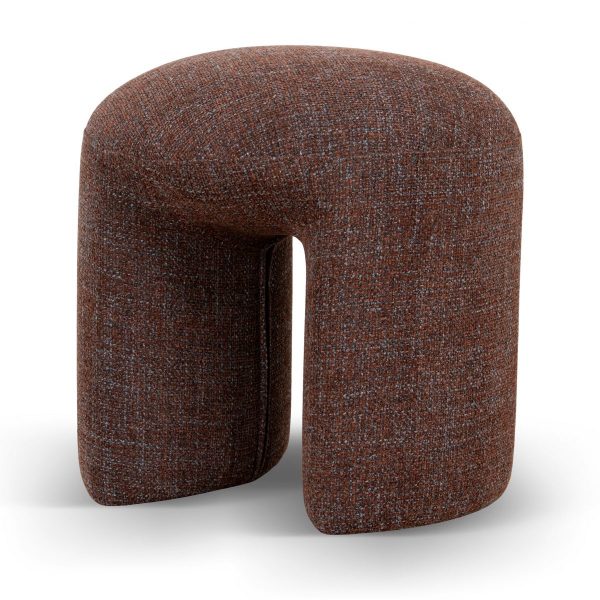

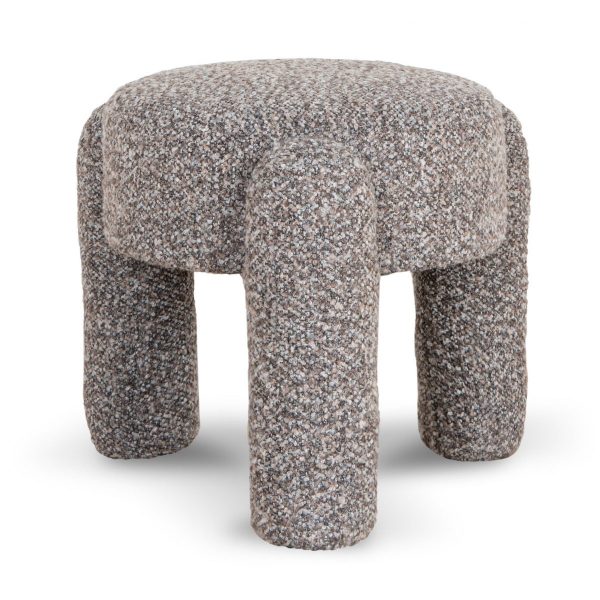
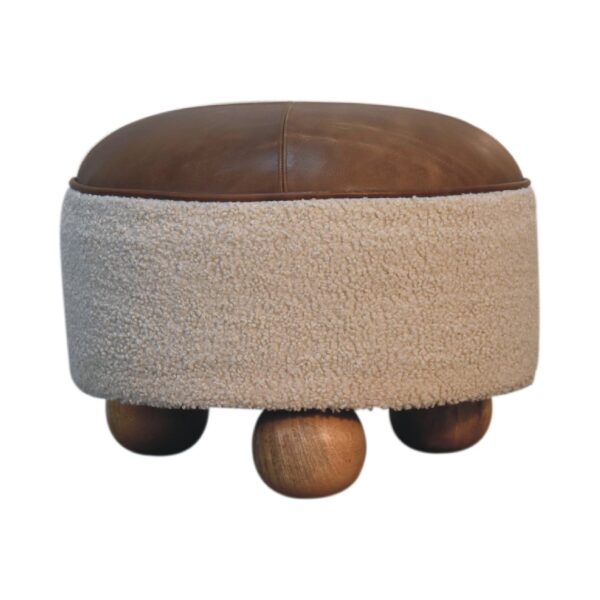
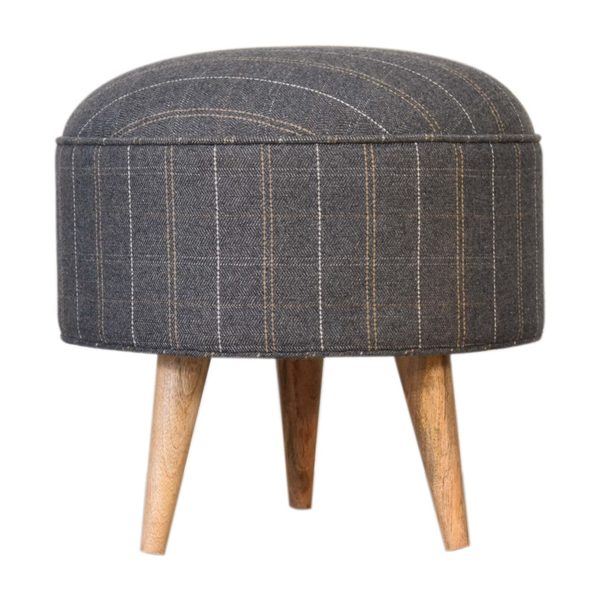
Draw the complete circle within the room
Mark stated diameter and compare the occupied seating position, table reach and route around the piece. A circular top can soften a furniture outline visually while still using substantial floor width and depth. Include the actual base where its shape differs.
Check the view from the seat and entry without letting a corner-free appearance replace measurements. The sofas category helps compare the overall arrangement. If the object is placed mainly to fill a rug centre, reconsider the daily task first. The useful round companion occupies a deliberate position people can rest towards and move around, rather than a circle that looks neat only in an empty plan.
Check usable top shape for the actual role
Read whether the top is flat, curved or another specified form and how it is supported. Diameter alone cannot describe the contact area or establish seating capacity. A rounded upholstered-looking body should not be treated as a usable table surface without actual use guidance.
For foot support, compare top height and position with the intended seat and resting posture. For another function, use the selected item’s information. The ottoman comparison guide helps separate surface, support and base. Choose the circle for a practical reason, keeping useful contact distinct from the attractive outline seen in a photograph.
Choose covering and maintenance around the circular form
Read actual material, padding where specified and care. The round shape does not establish textile, leather or one cleaning method. Curved sides can present more visible covering from several angles, so assess the whole object beside the rug.
If textile is central, compare fabric ottomans by composition rather than inferring softness from the form. Keep access for routine clearing and care, with accessories limited to supported uses. Confirm assembly and handling too.