
Dining Benches
Dining benches bring several sitting positions into a shared piece beside the table. Start with the users and how they enter, leave and reach the dining surface. A long seat is not automatically a fixed capacity, and the table’s supports can limit how the bench fits beneath or beside it.
Read moreRead less
Compare the complete setting with ordinary meals in mind, then consider material and appearance. A bench can form one side of the arrangement without requiring every seat to be the same type. This guide helps make that choice practical. Browse any listed pieces with table measurements in view, or explore dining chairs when individual seats better serve the room or household habits.
Showing all 2 resultsSorted by recommended


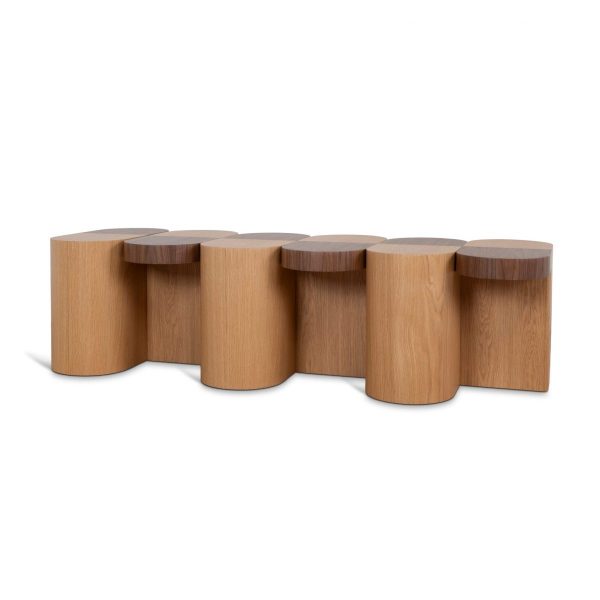
Plan the bench with its actual table
Use table height, underside and support positions alongside bench seat height, length and depth. A bench that is shorter than the top may still meet the legs or base when tucked in. Compare the real outlines rather than assume the tabletop length establishes fit.
Mark occupied and pulled-out positions in the room. Check where users approach from and the route beside other seats. The dining tables category helps choose the table and bench together. A coordinated finish is useful only after that physical relationship works. Keep the whole bench and table arrangement on the plan instead of assessing a long seat as an isolated furniture piece.
Choose shared seating around the regular users
Consider how people sit together and whether one user needs to leave while others remain. Access can differ from a row of separate chairs. Review the actual back and support arrangement rather than assuming all dining benches are backless.
Compare usable length with the intended sitting positions, keeping bags or extra cushions out of the capacity estimate. Follow the product’s stated use and load guidance. For more detailed fit questions, the dining bench comparison guide looks at seat depth and supports.
Bring material and care into the occupied setting
Read the seat and frame components and their finish instructions. A timber-looking bench can have another specified sitting surface, so keep construction accurate. Review the edge and support details for the posture used at the table.
If wood is the material preference, compare timber dining benches with actual components in view. Check how the bench moves or remains positioned during ordinary use, without assuming lifting weight from appearance. Confirm assembly and room routes.