
Coffee Tables
Coffee tables should work with the way you sit, serve and move through the living room. Begin with the sofa and the tasks the table will support: a drink, a shared tray, reading material or a clear place to put things down. Then compare the usable top and complete footprint. A table can offer plenty of surface yet remain awkward to reach, or suit the sofa visually while interrupting the route around it.
Read moreRead less
Use this collection to compare those everyday needs before narrowing by colour or material. Small coffee tables focus on a compact footprint, while coffee table sets explore several related surfaces. Ask benssur about a shortlisted table with your seating dimensions when fit is close.
Showing 1–30 of 116 resultsSorted by recommended
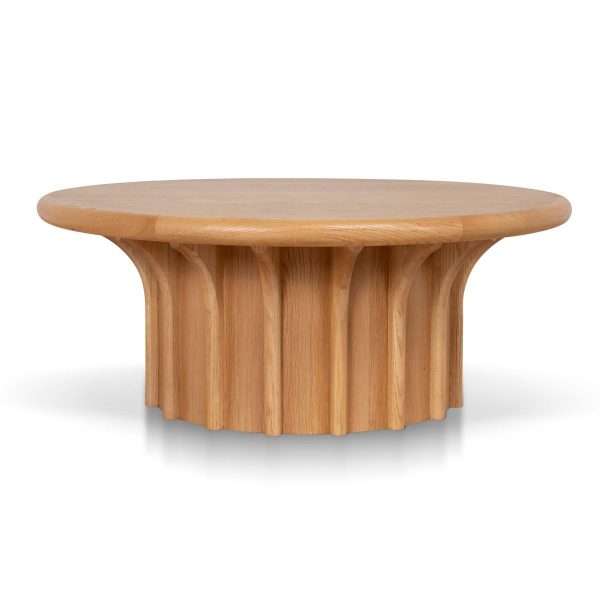
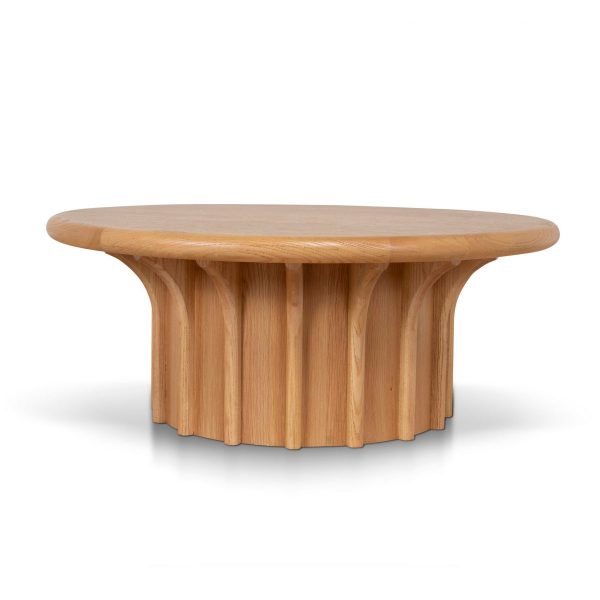
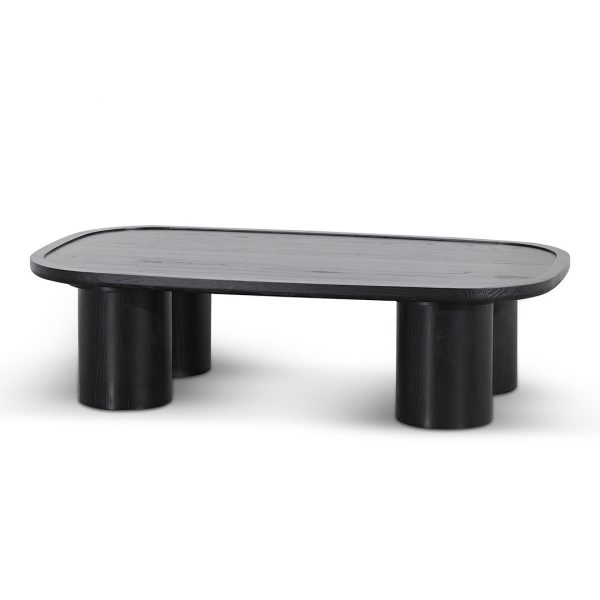
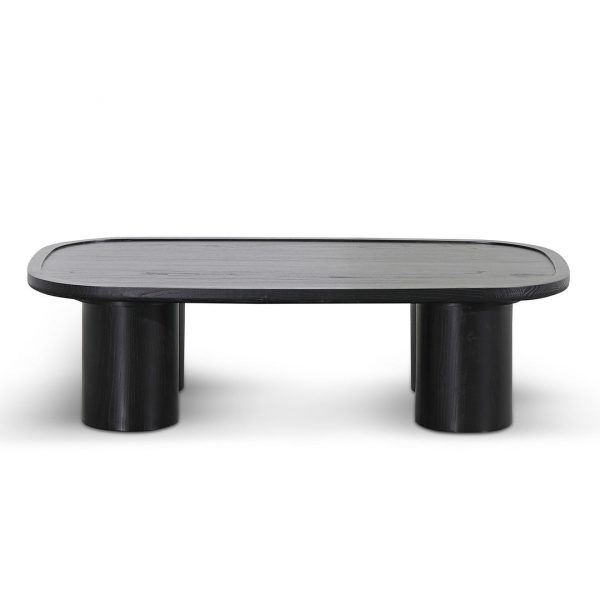
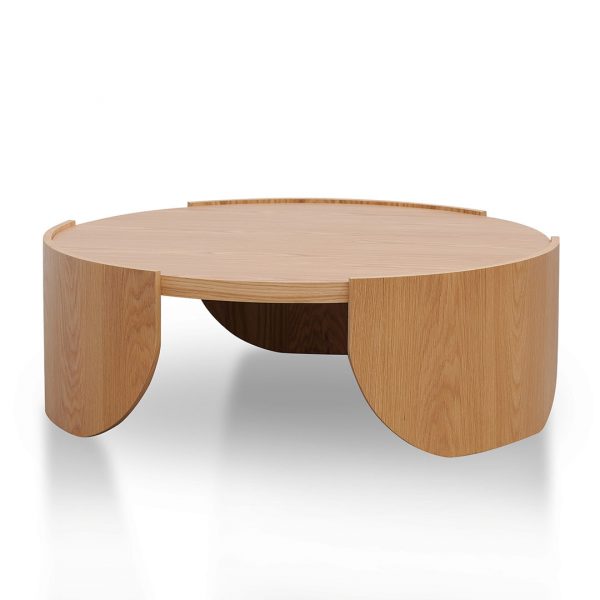
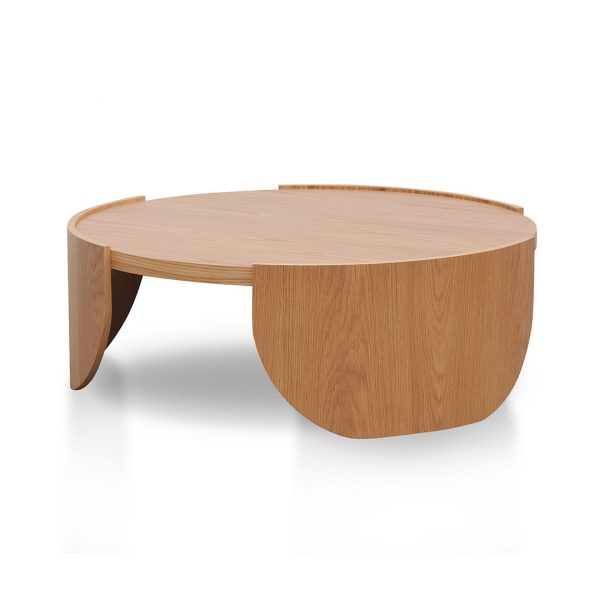
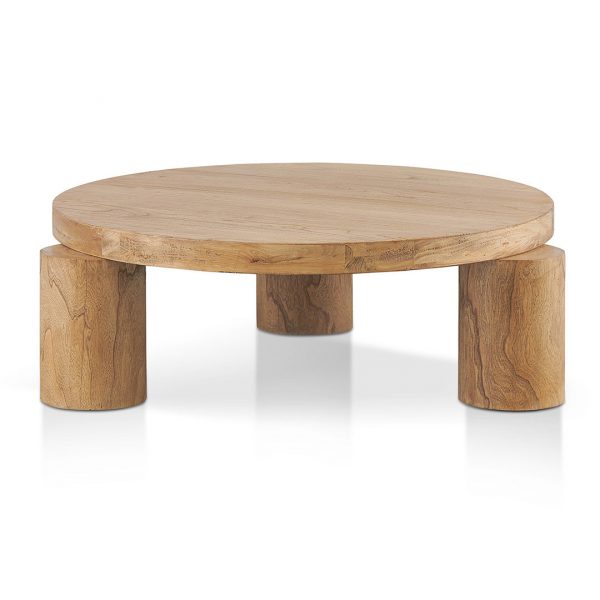
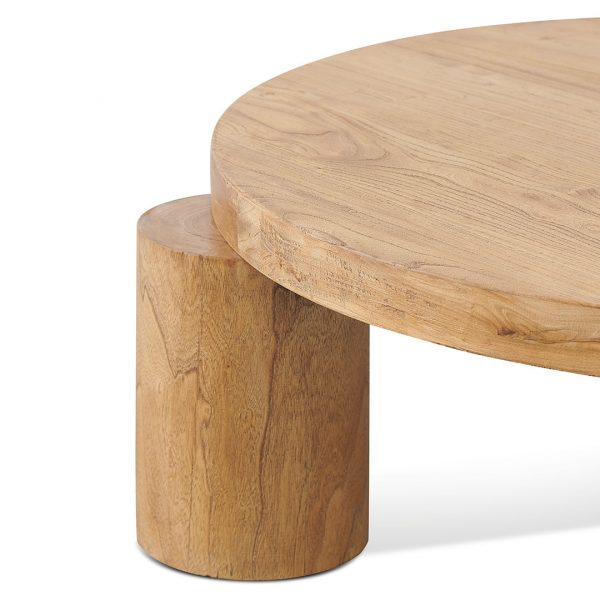
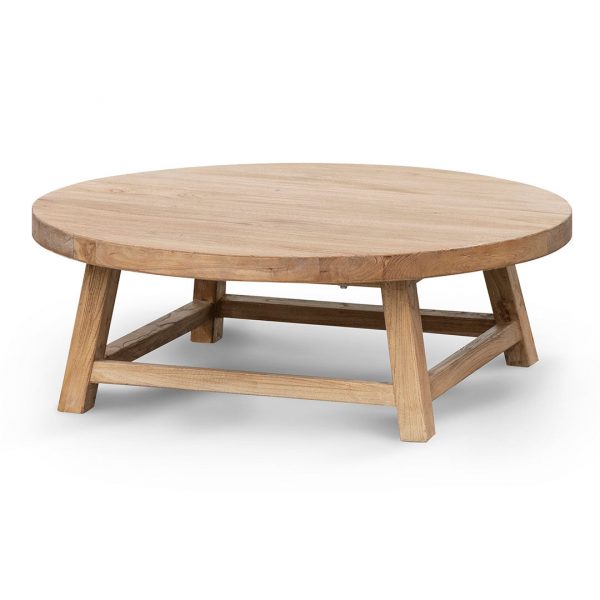
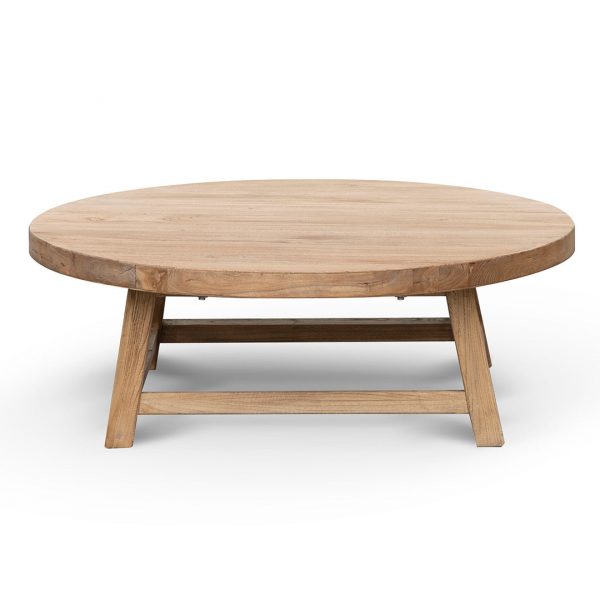
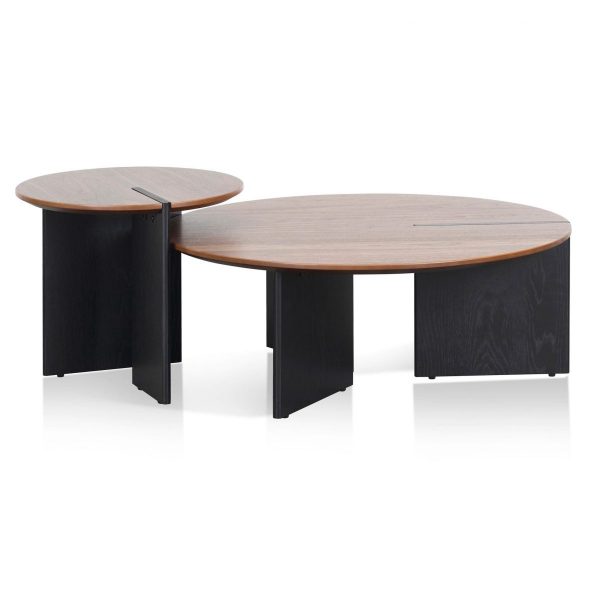
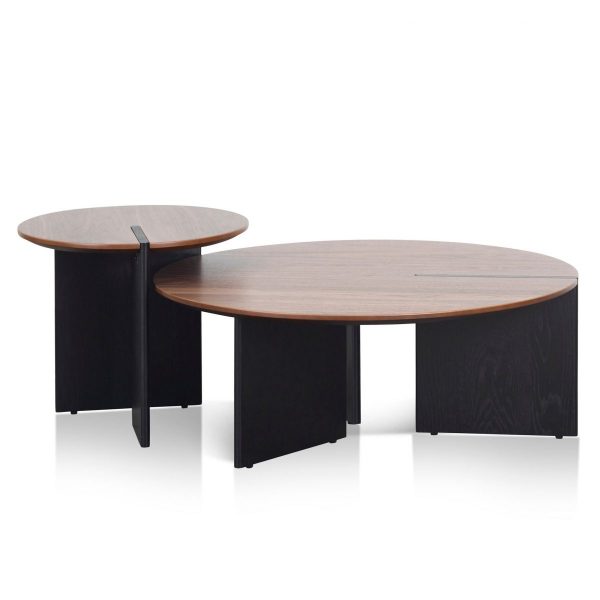
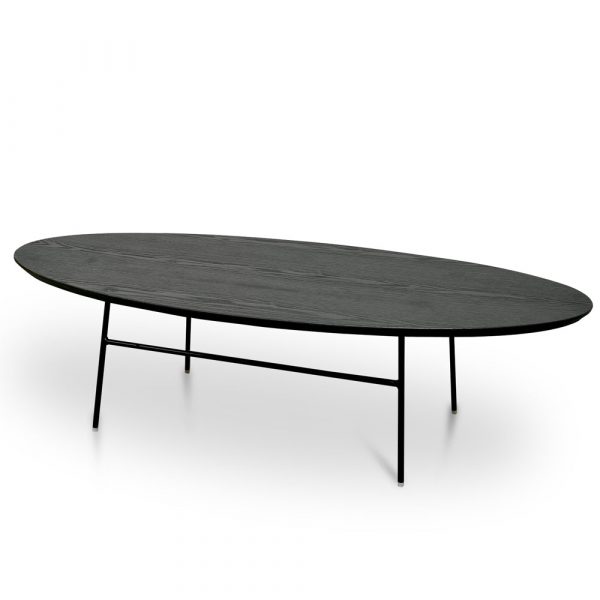
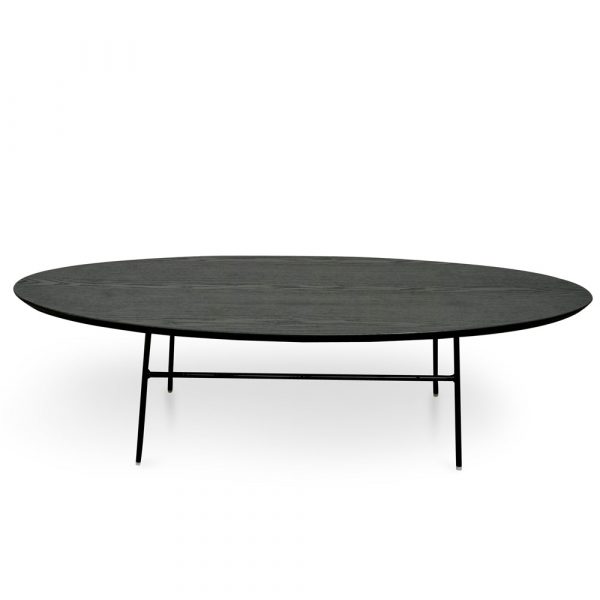
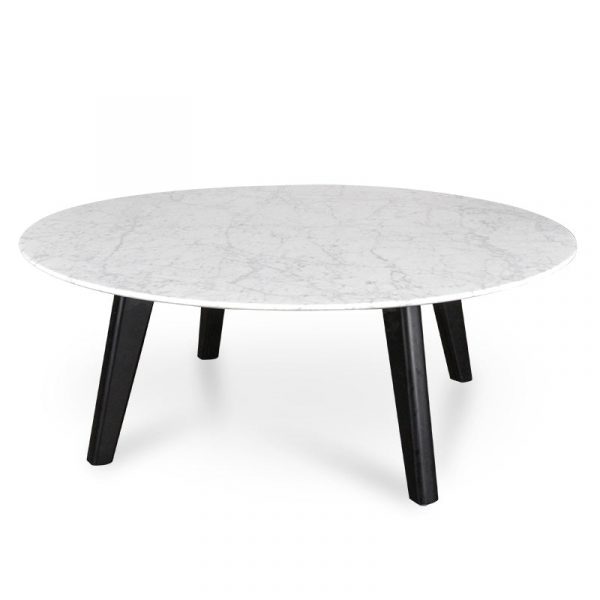
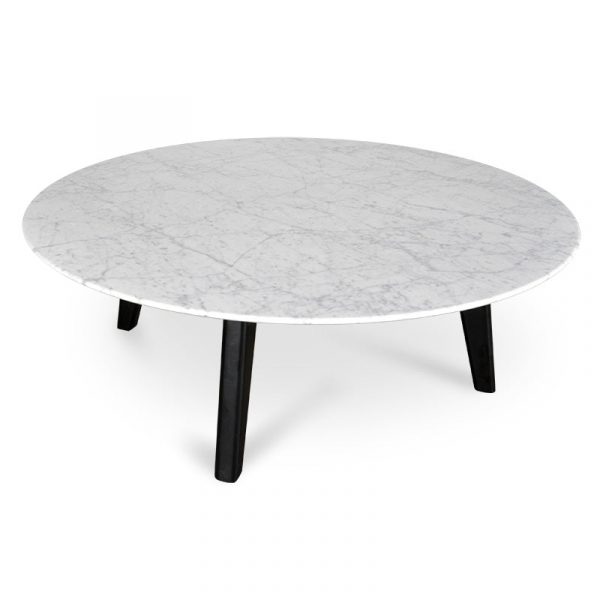
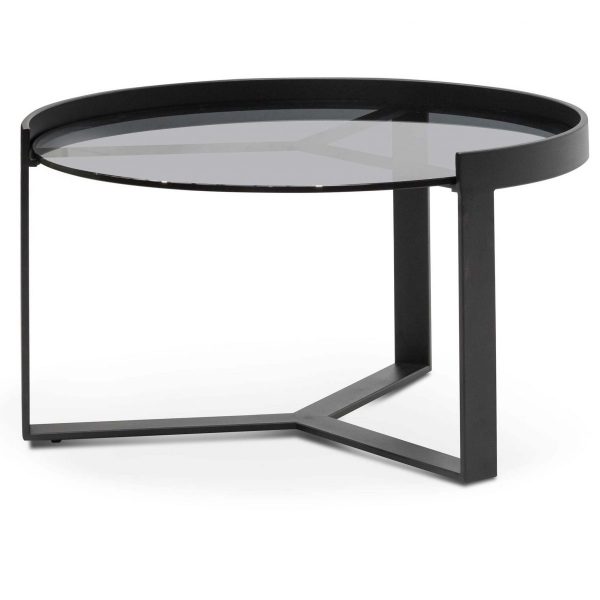
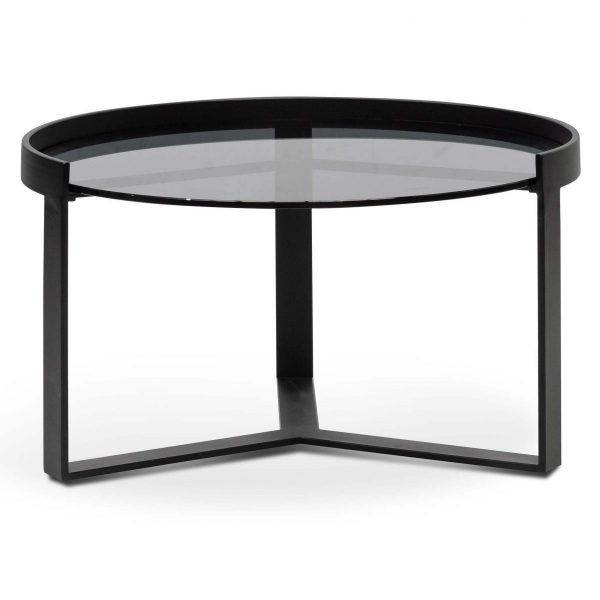
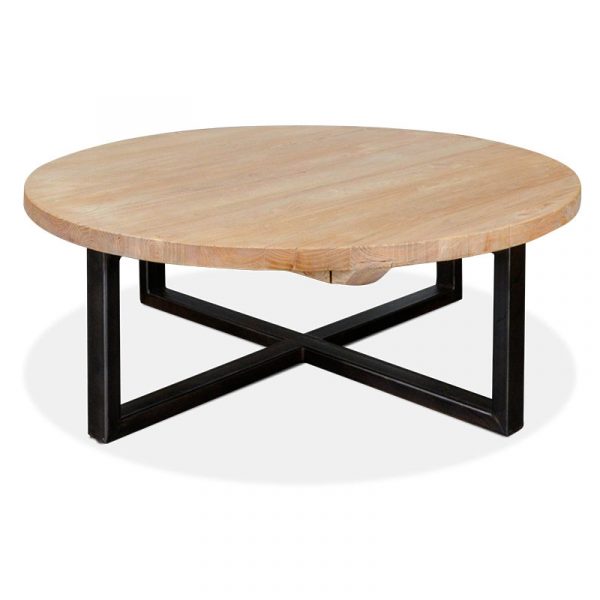
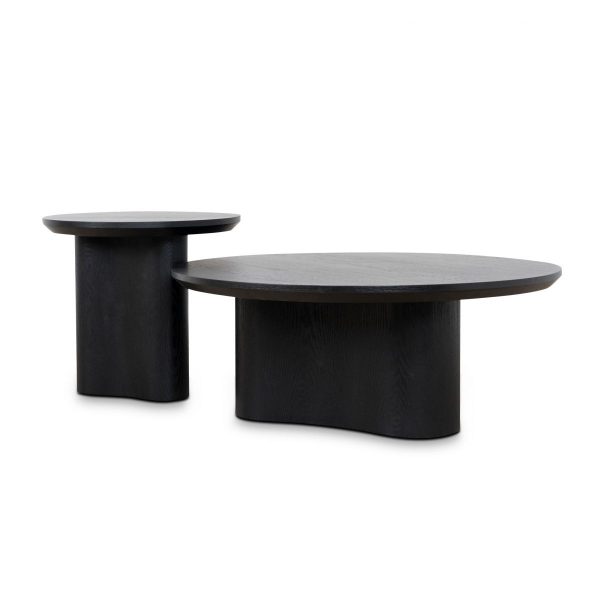
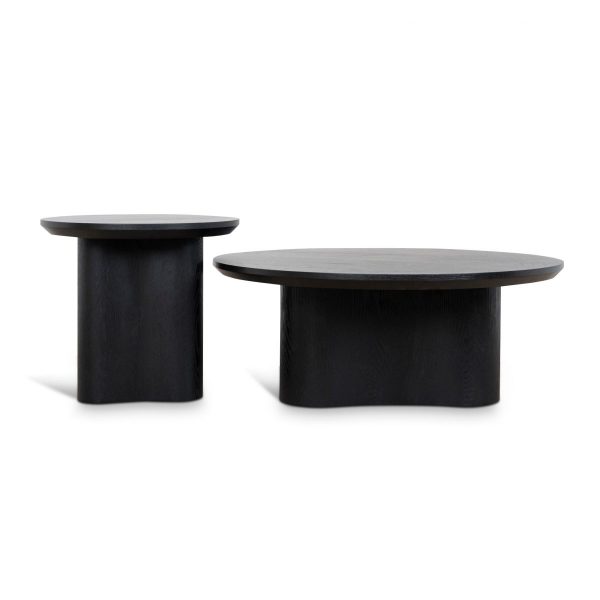
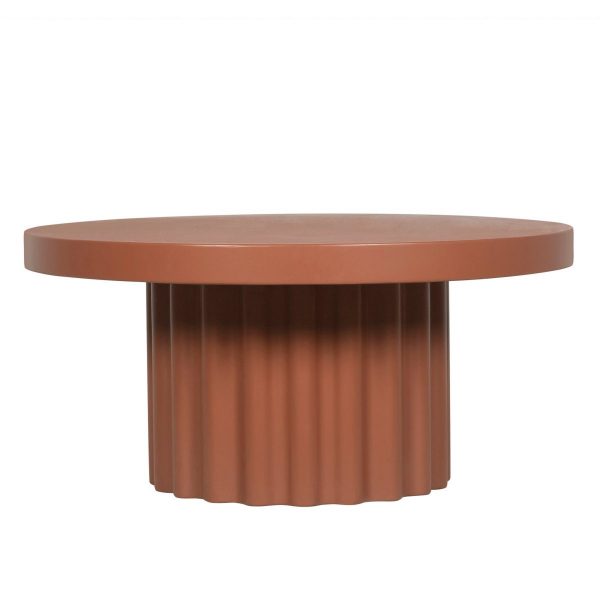
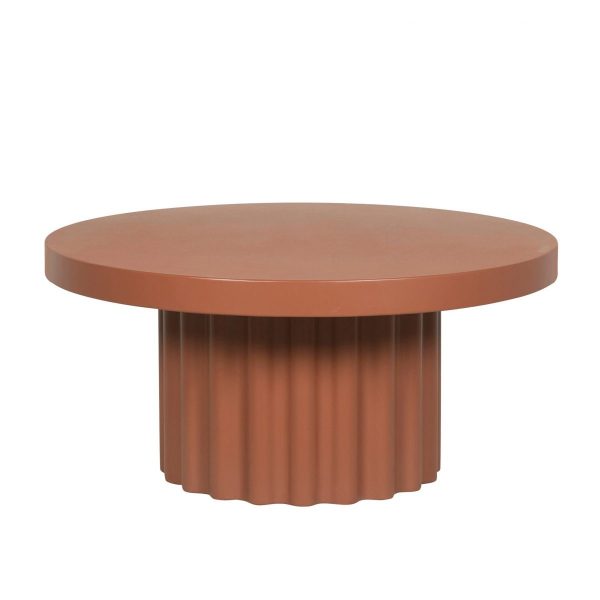
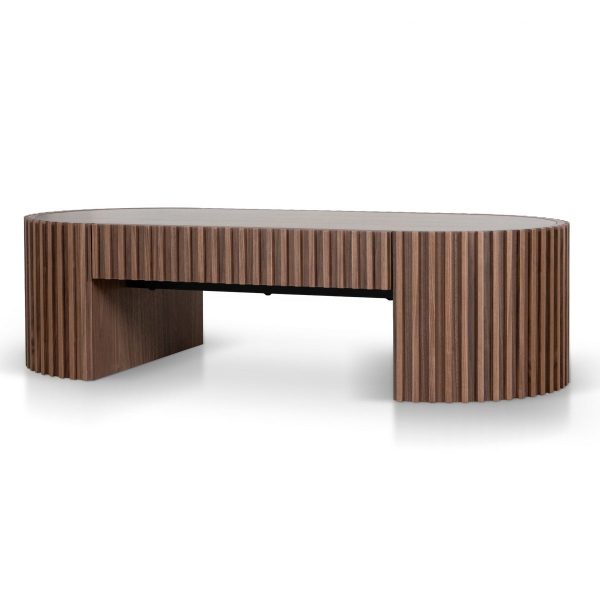
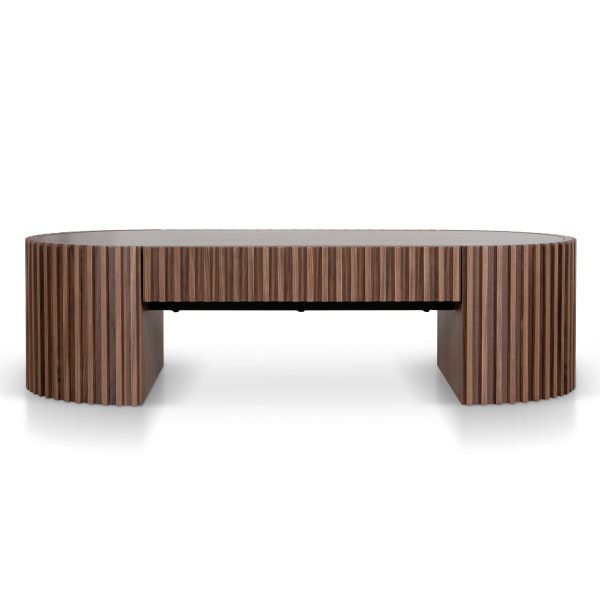
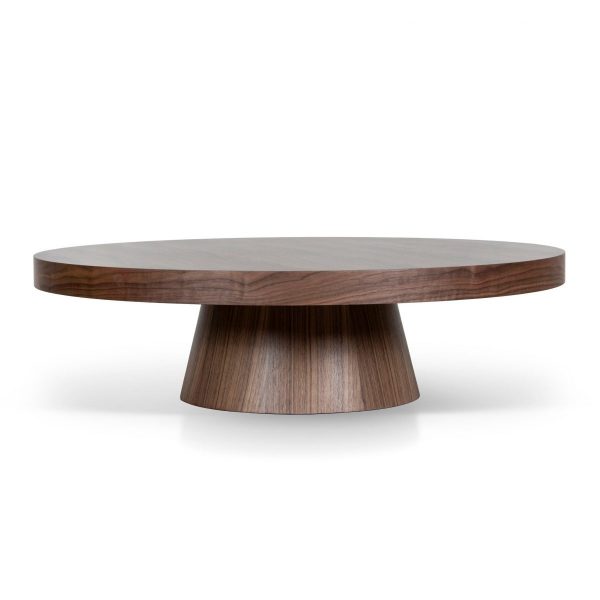
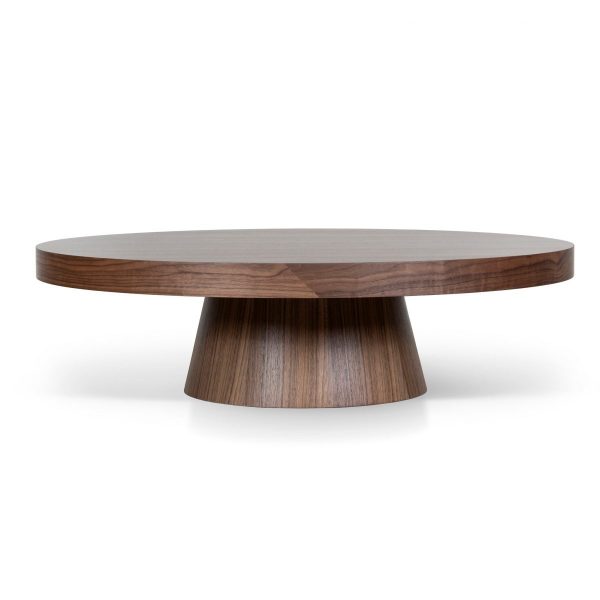
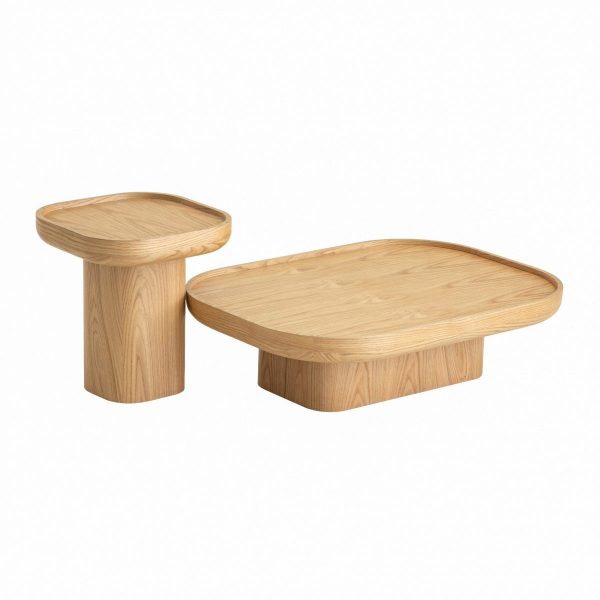
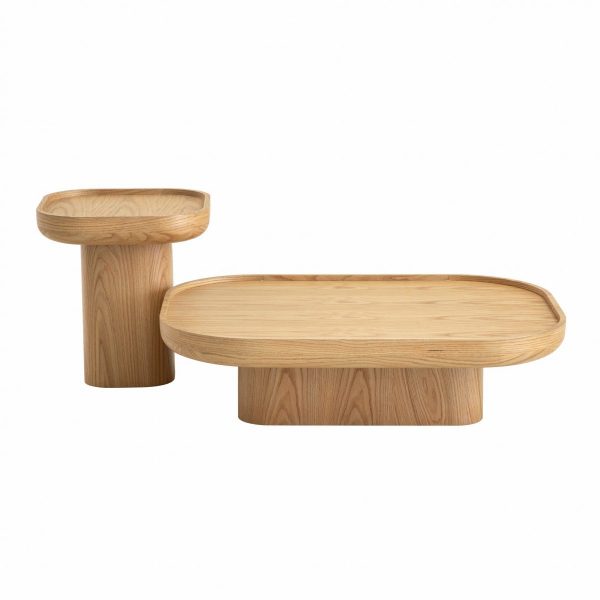
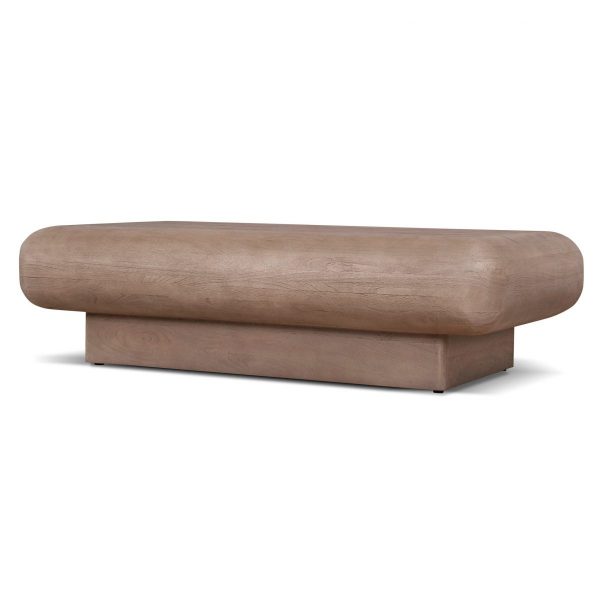
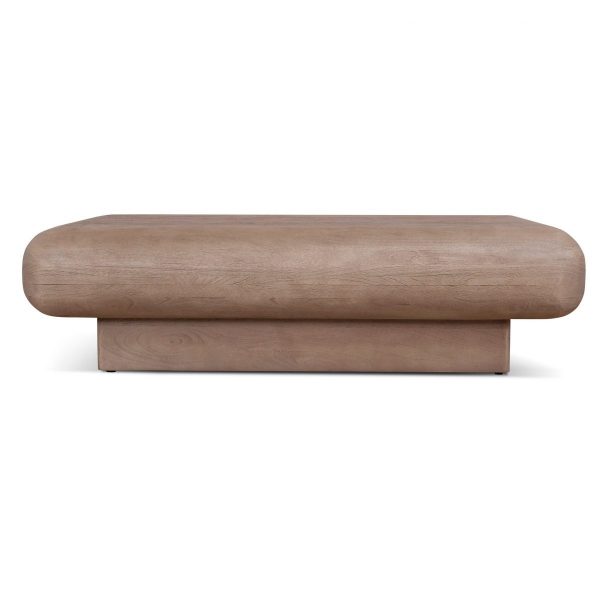
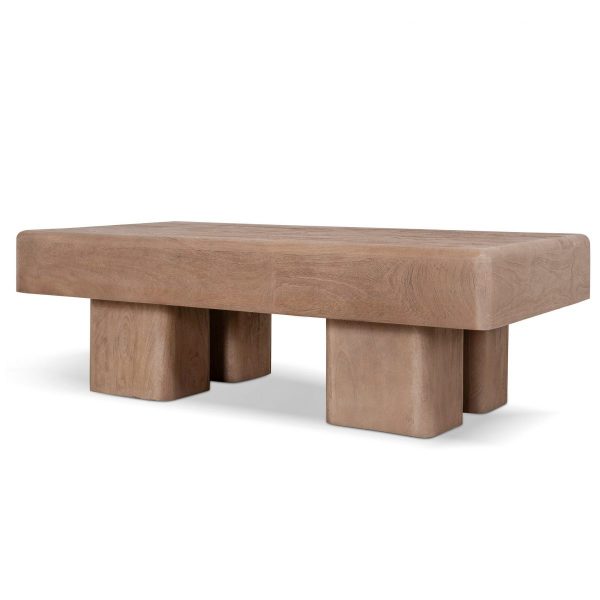
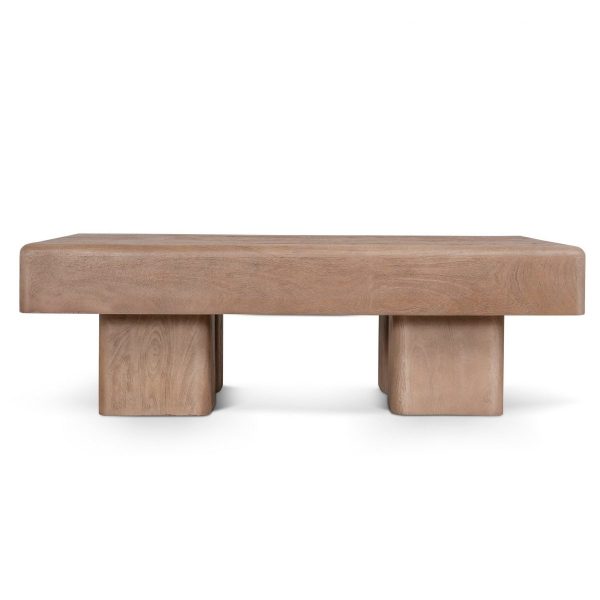
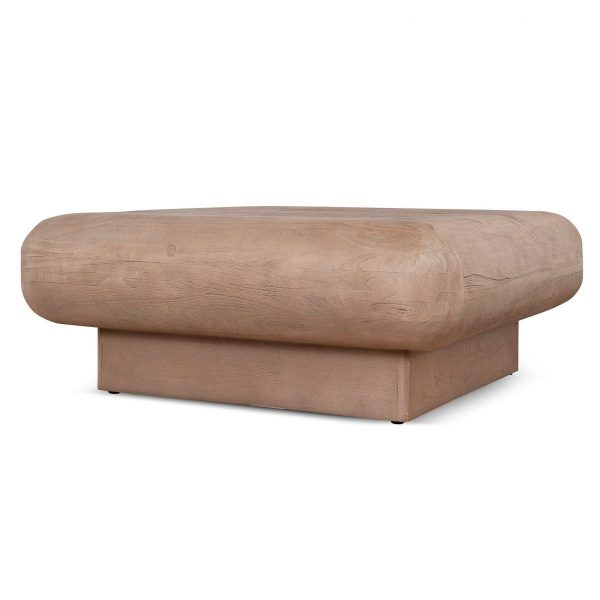
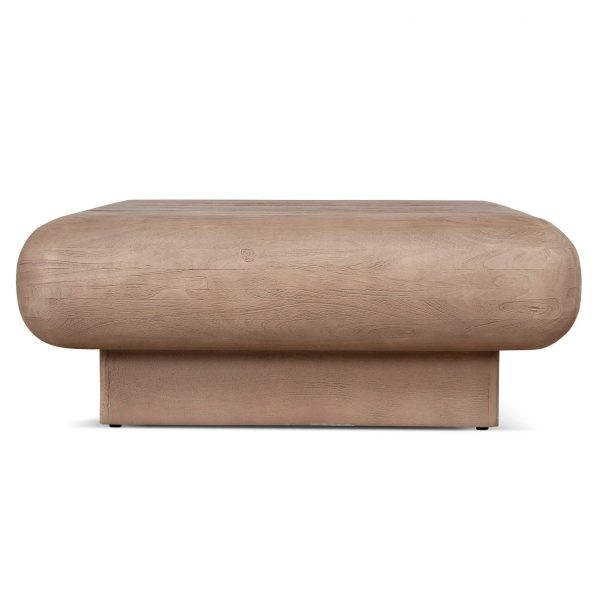
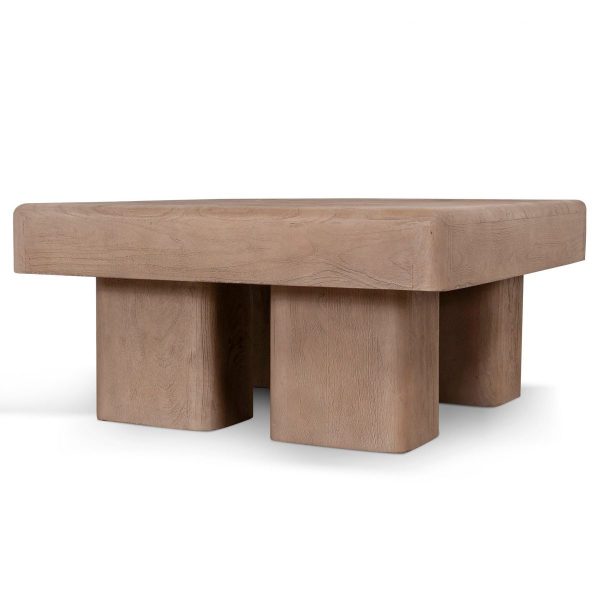
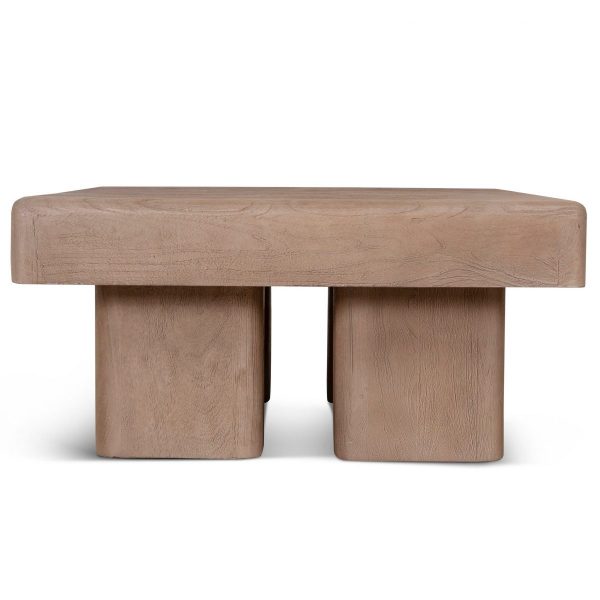
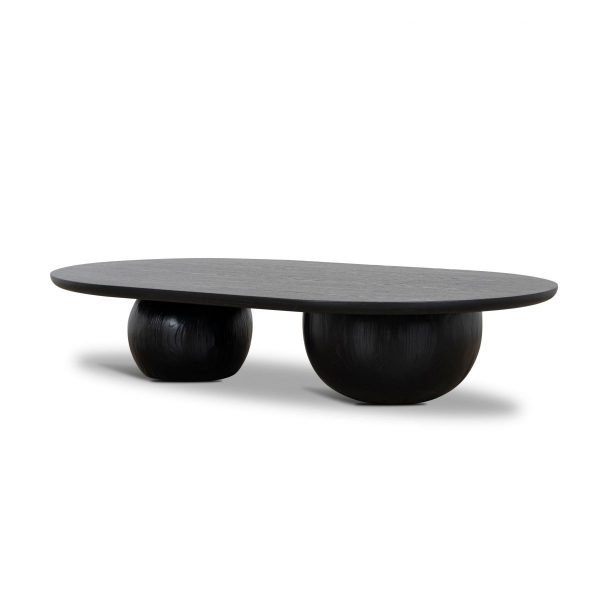
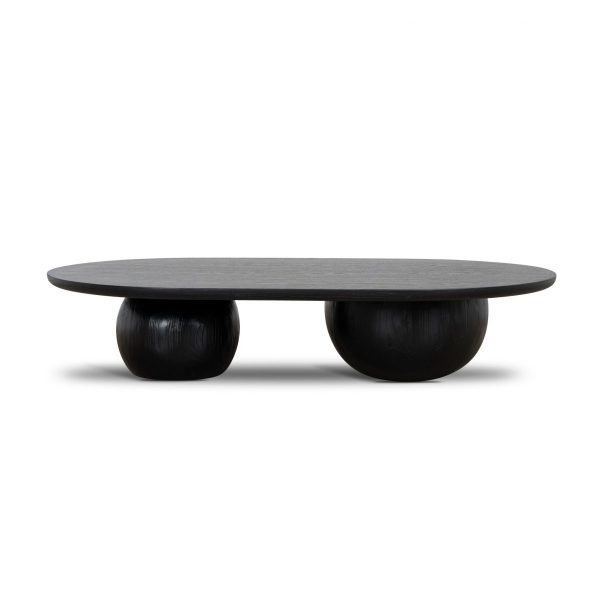
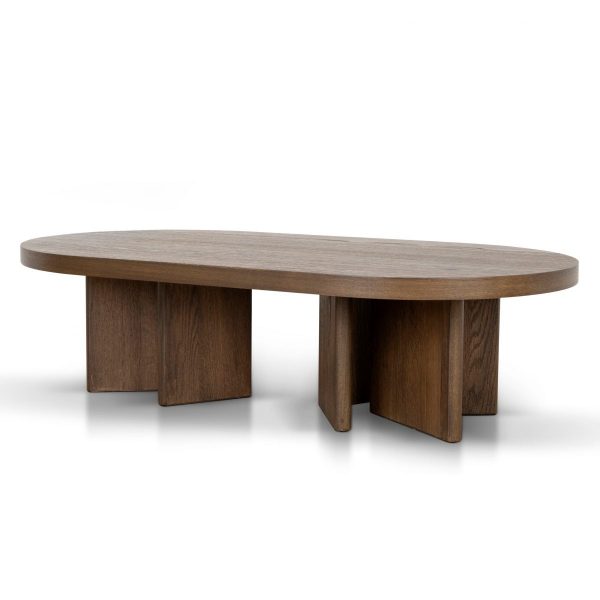
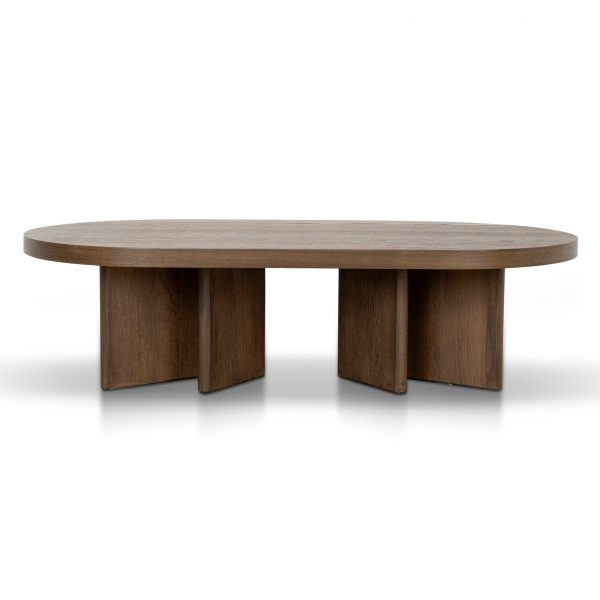
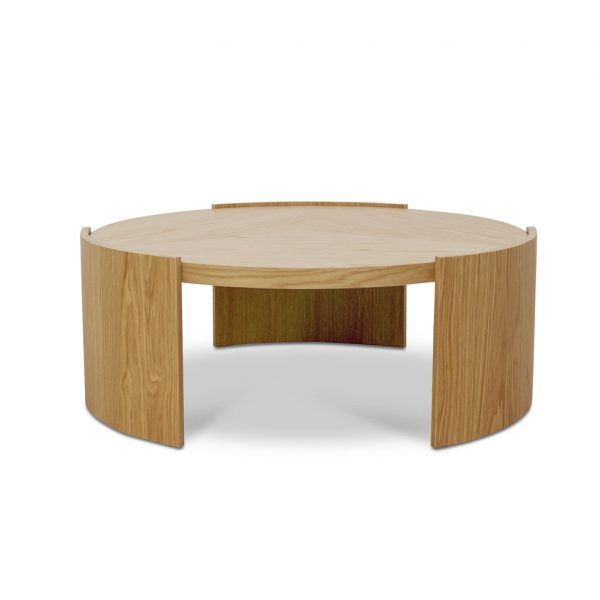
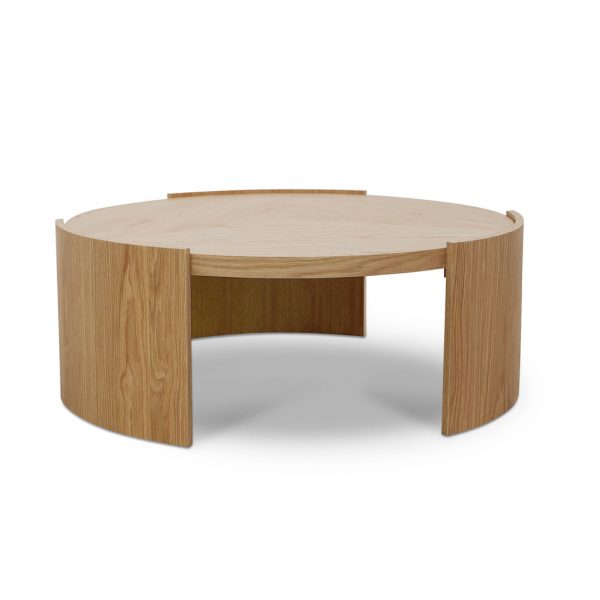
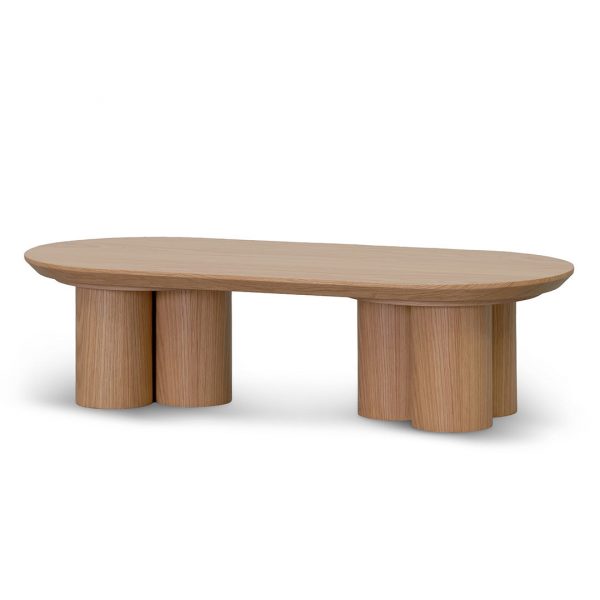
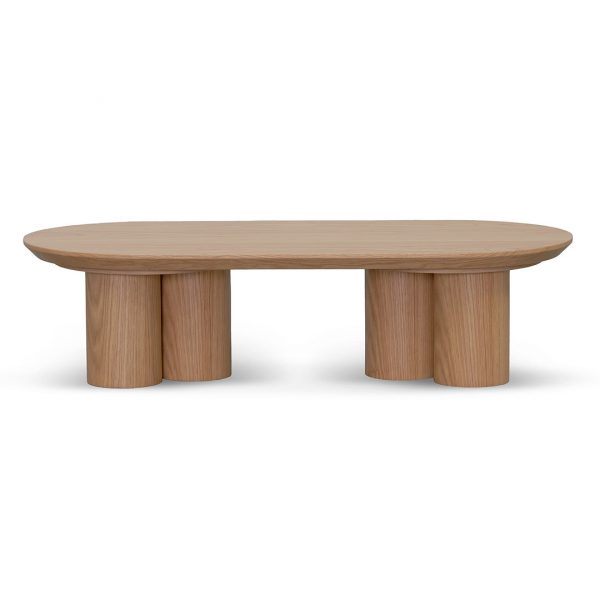
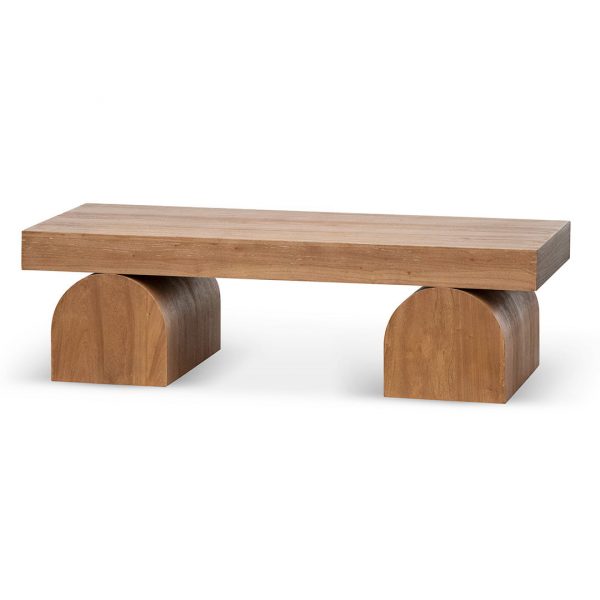

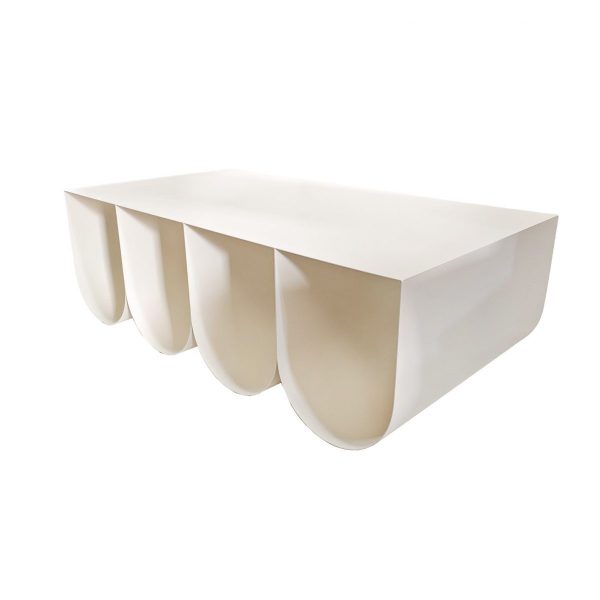
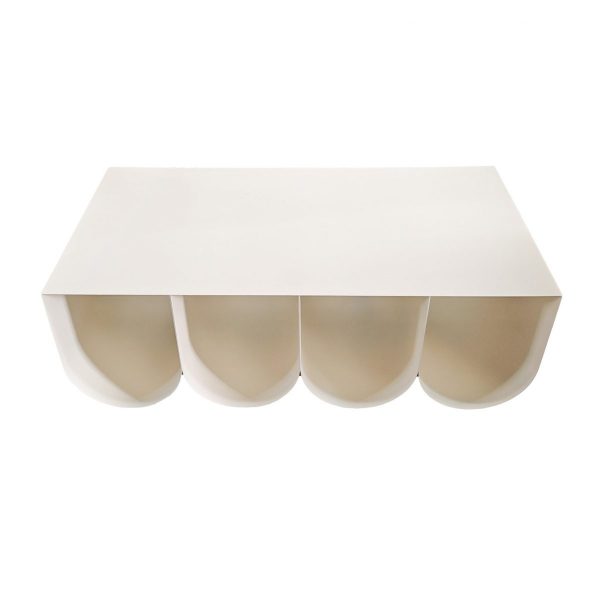
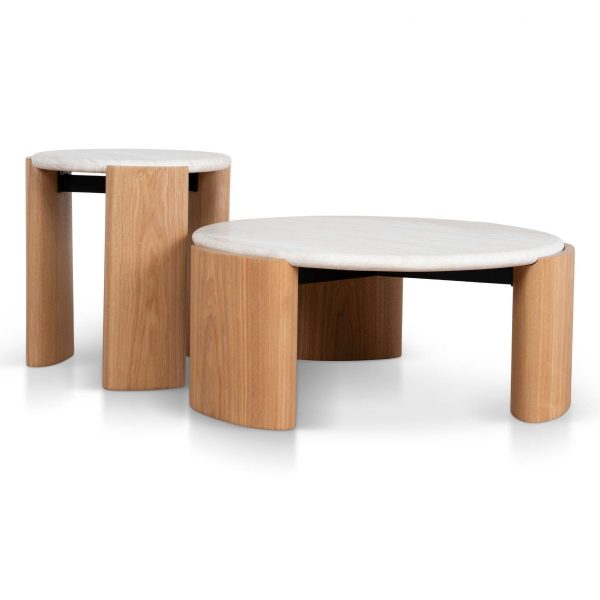

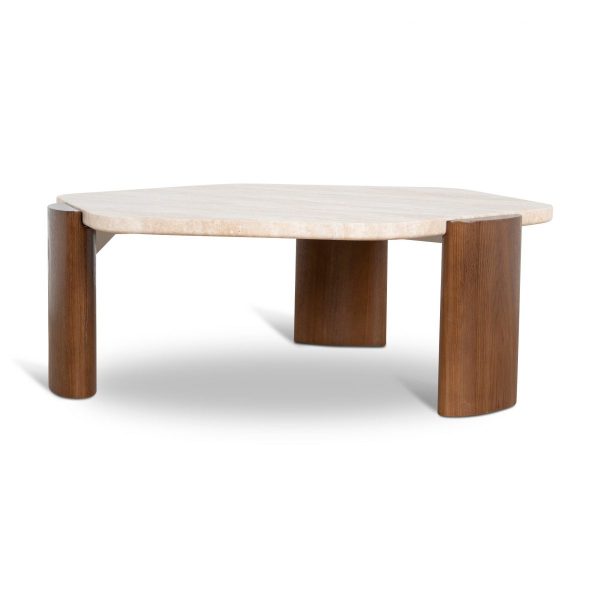
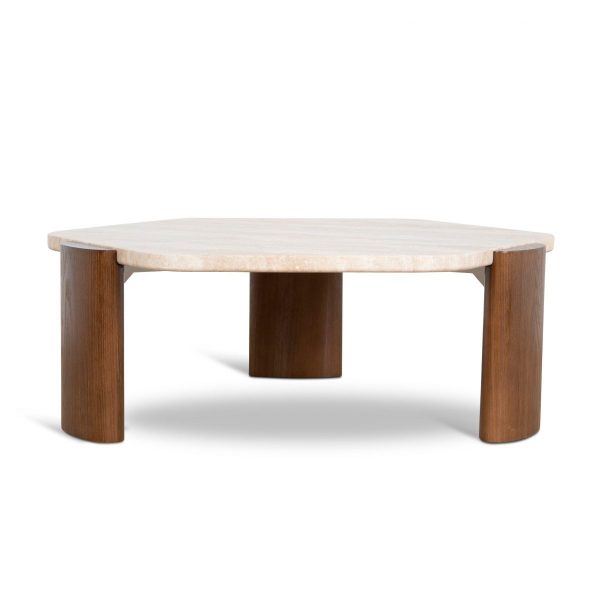


Choose height and reach through the sofa you use
Compare the table height with the sofa’s actual seat height and the way you sit. A low table may have a different reach from one closer to the seat level; product photographs cannot establish what suits your body or routine. Mark the planned table position and test reaching a drink without assuming a fixed distance works for every arrangement.
Consider all the seats it should serve, not only the centre of the sofa. Side tables can be a more useful comparison when a separate chair needs its own surface. The coffee table should have a clear role in the group rather than be expected to reach every seat by itself.
Use the full table shape to check the walking route
Plot the complete top and base beside the sofa and rug. Check the path between the door, seating and other furniture, plus the space used when someone stands up. The widest part may be the top, legs or another projection, so read assembled dimensions carefully. A photograph from above can hide the relationship between these parts.
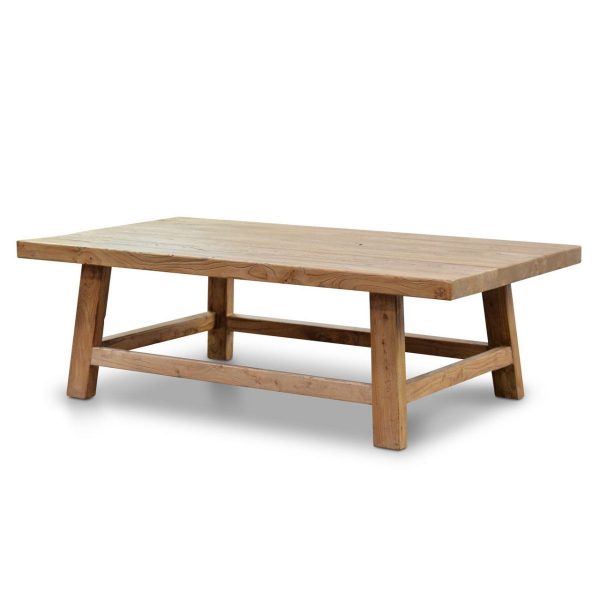
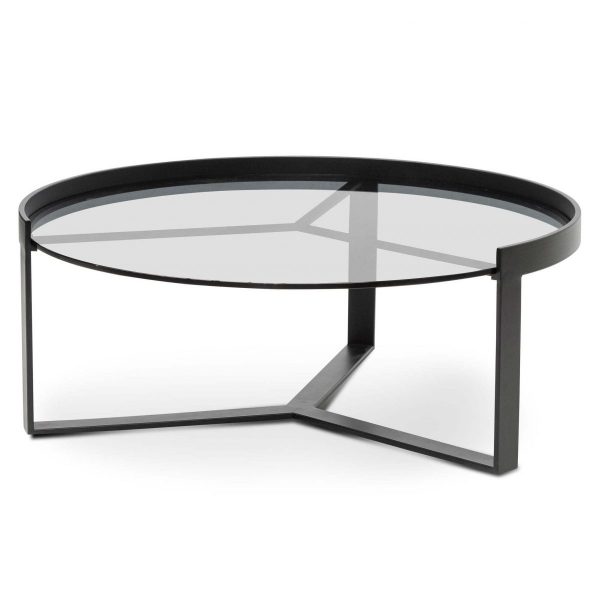
Compare round coffee tables and rectangular coffee tables through the actual room outline rather than a general rule about shapes. Each can use space differently depending on its dimensions and base. Keep usable top area separate from the full footprint when comparing a tray or larger book.
Decide what stays on top and what needs another home
List the objects that are always present, then leave space for ordinary serving. A styled display can cover much of a top that looked generous while empty. If remotes, magazines or other items should be stored, compare coffee tables with storage through their actual compartments and access, not simply the outside dimensions.
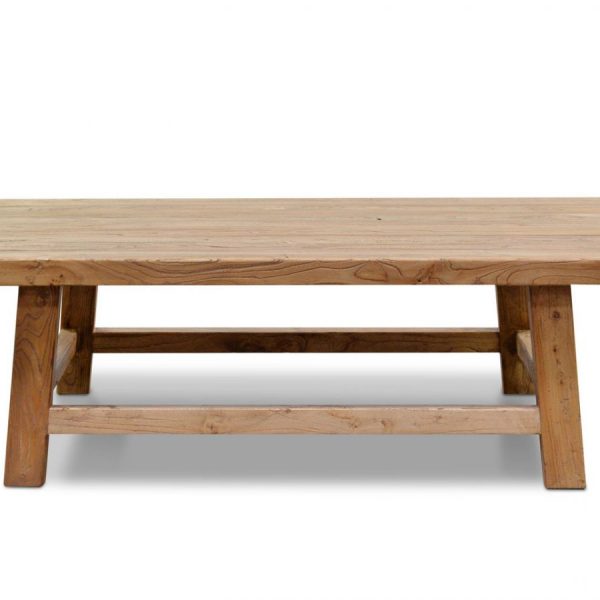
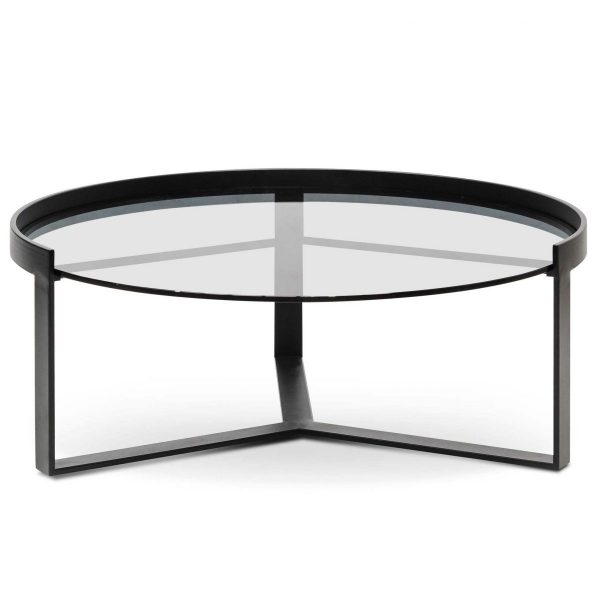
Read materials and care instructions for the surface that will meet drinks and daily handling. Check assembly, loading and any particular operation guidance before ordering. Glass coffee tables and timber coffee tables offer different surface directions once the table’s role is clear. Choose appearance on a practical fit, rather than expecting a material name to resolve it.