
Timber Coffee Tables
Timber coffee tables bring wood into a surface that is seen closely and used often. Start with two separate questions: what the table is made from and what finish you will touch. Solid timber, veneer and mixed construction should remain clear in the product details. The coating or treatment then guides care for drinks and cleaning. A wood-looking photograph cannot answer both questions.
Read moreRead less
Use this collection to compare those specified components and finishes with grain and the room’s existing surfaces. Check the useful top and sofa reach before selecting the timber direction. Natural timber coffee tables focus on visible grain character. Oak veneer coffee tables provide a narrower surface comparison when an oak layer is part of the brief.
Showing 1–24 of 103 resultsSorted by recommended
-
Week’s PickOriginal price was: $912.00.$757.00Current price is: $757.00.
-
Week’s PickOriginal price was: $1,049.00.$871.00Current price is: $871.00.
-
On SaleOriginal price was: $549.00.$483.00Current price is: $483.00.
-
On SaleOriginal price was: $2,447.00.$2,153.00Current price is: $2,153.00.
-
On SaleOriginal price was: $766.00.$674.00Current price is: $674.00.
-
-
On SaleOriginal price was: $994.00.$875.00Current price is: $875.00.
-
On SaleOriginal price was: $1,329.00.$1,170.00Current price is: $1,170.00.
-
On SaleOriginal price was: $1,029.00.$906.00Current price is: $906.00.
-
On SaleOriginal price was: $887.00.$781.00Current price is: $781.00.
-
-
-
On SaleOriginal price was: $804.00.$764.00Current price is: $764.00.
-
-
-
-
On SaleOriginal price was: $1,273.00.$1,209.00Current price is: $1,209.00.
-
-
-
On SaleOriginal price was: $896.00.$851.00Current price is: $851.00.
-
On SaleOriginal price was: $879.00.$835.00Current price is: $835.00.
-
-
On SaleOriginal price was: $622.00.$591.00Current price is: $591.00.
-
On SaleOriginal price was: $1,166.00.$1,108.00Current price is: $1,108.00.
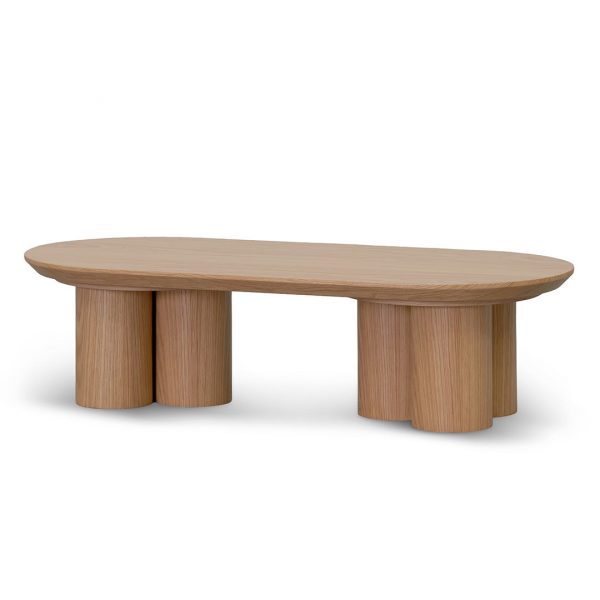

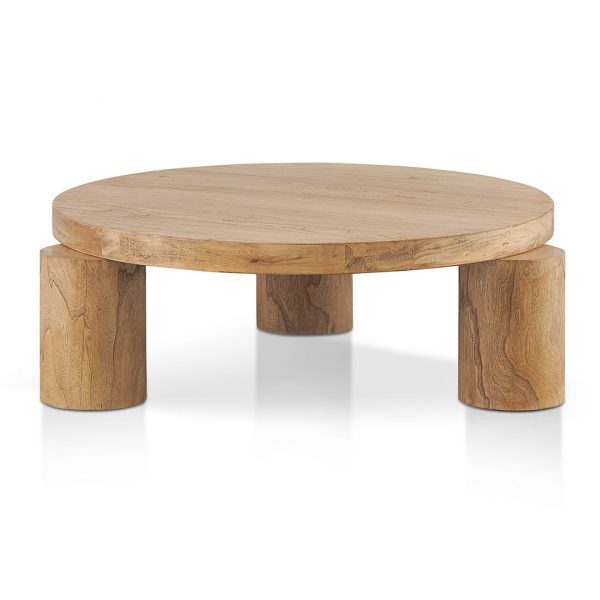
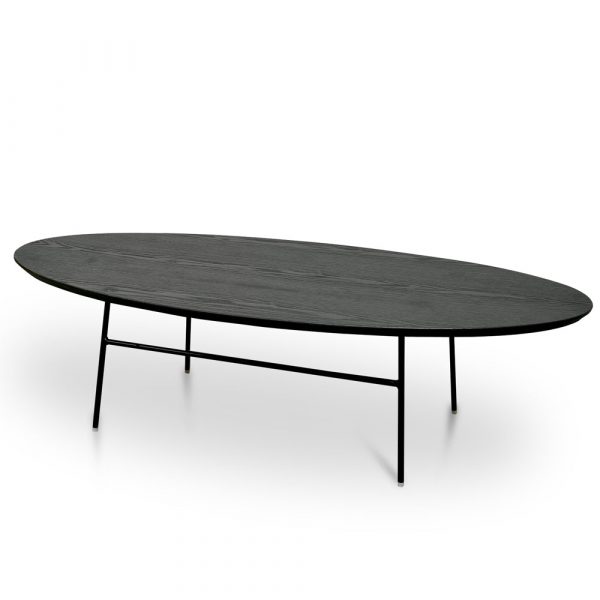
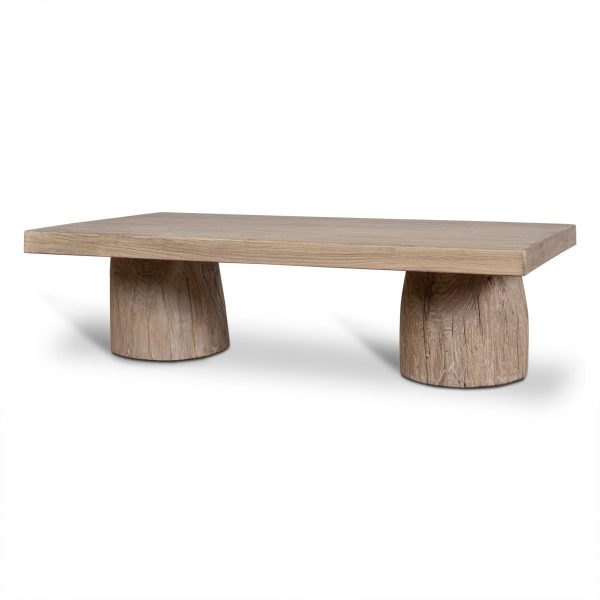
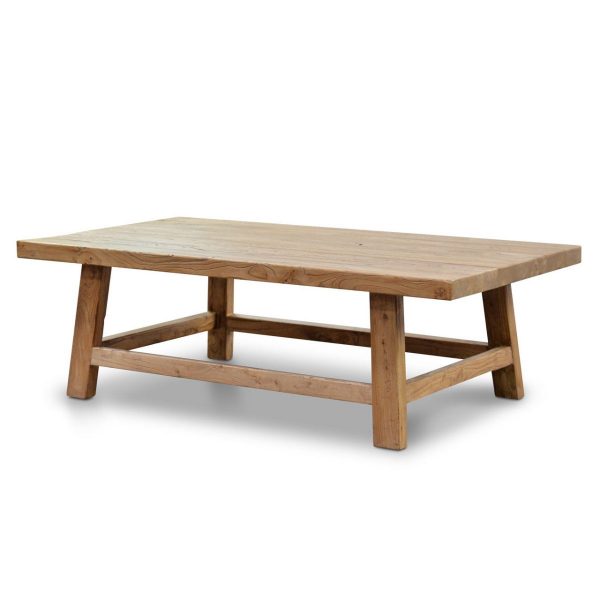
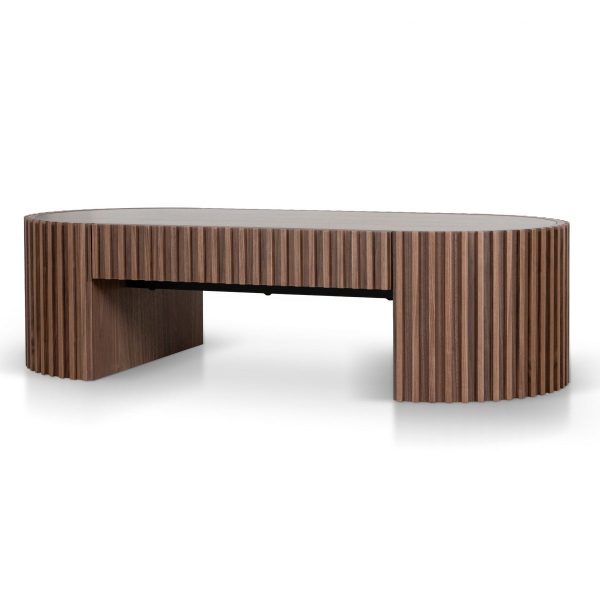

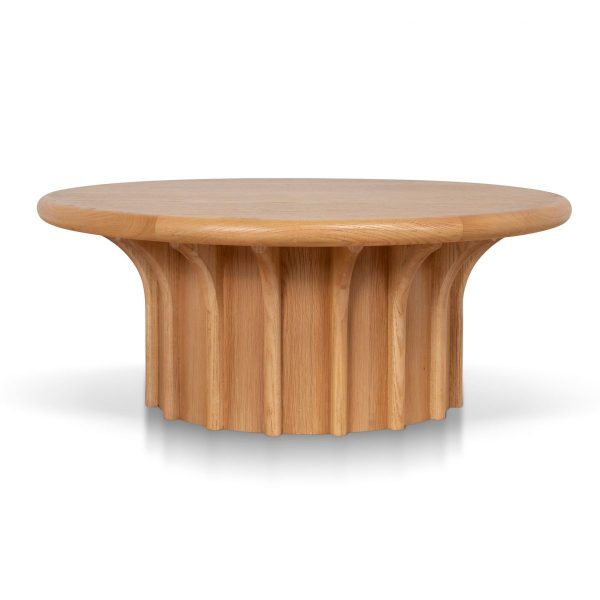
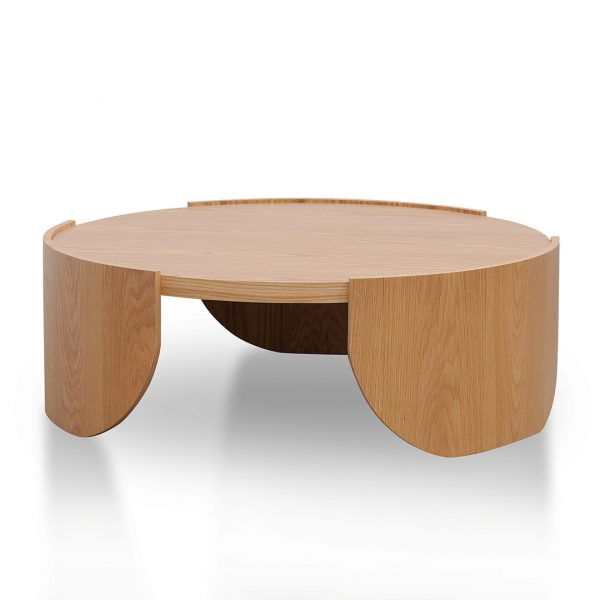
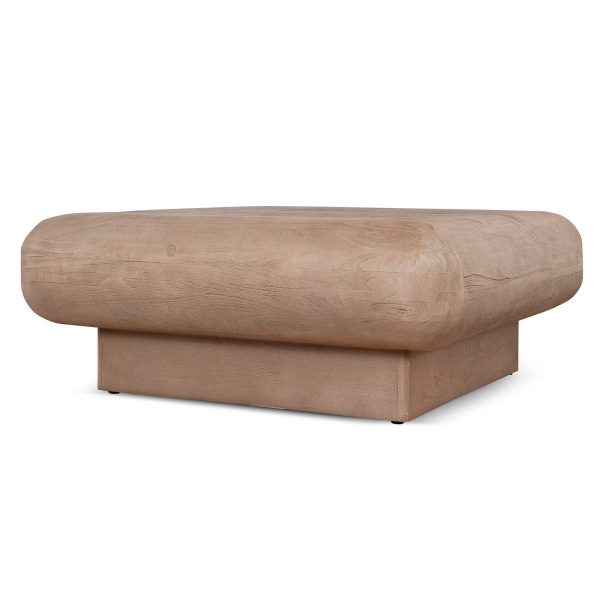
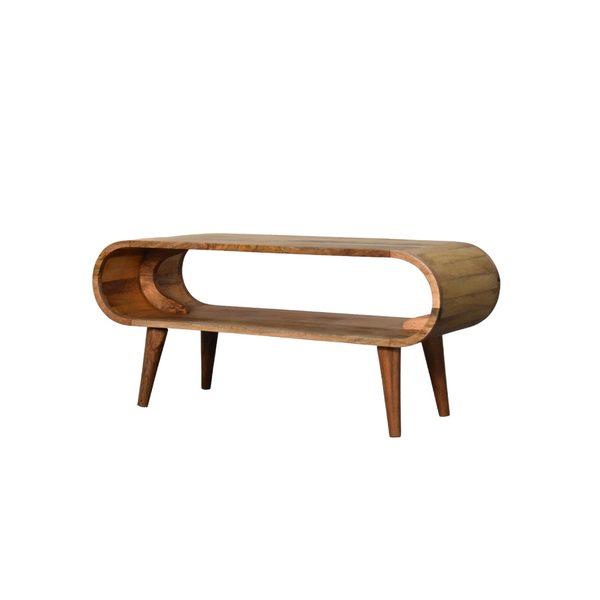
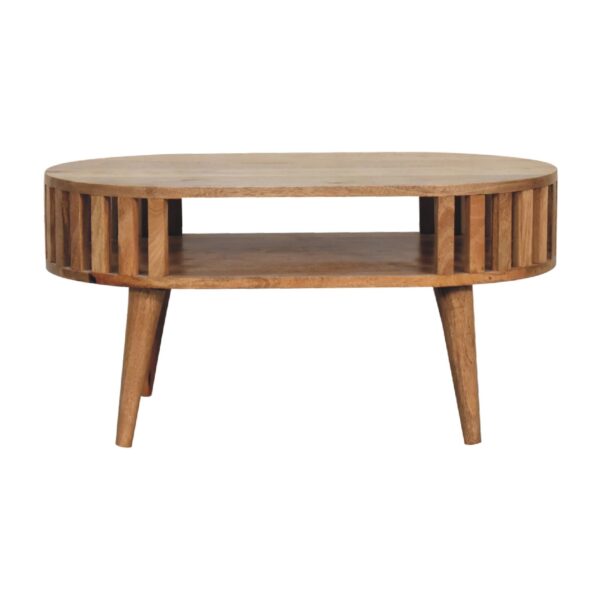
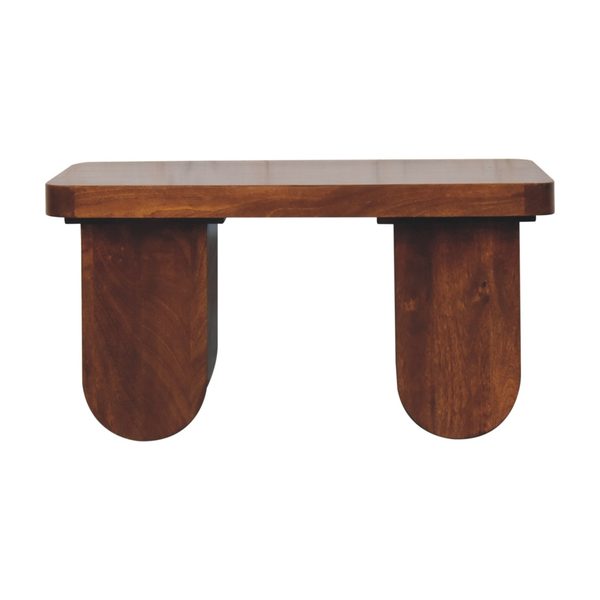
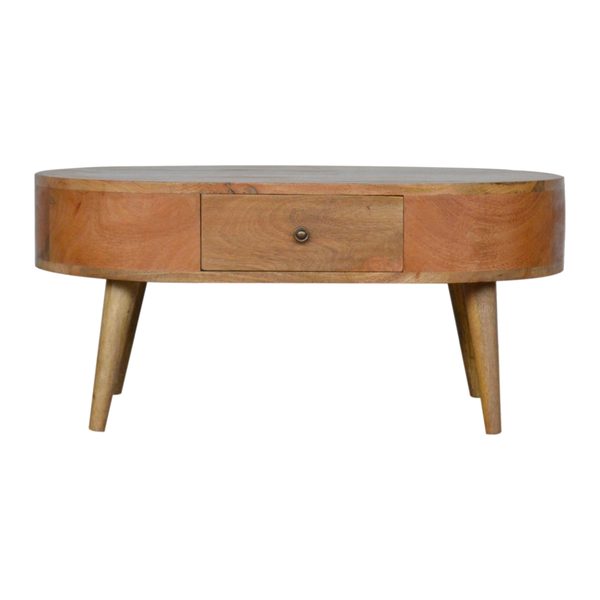
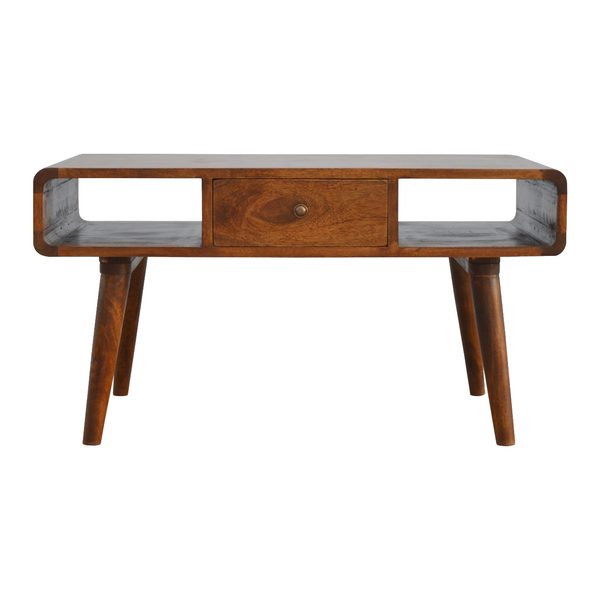

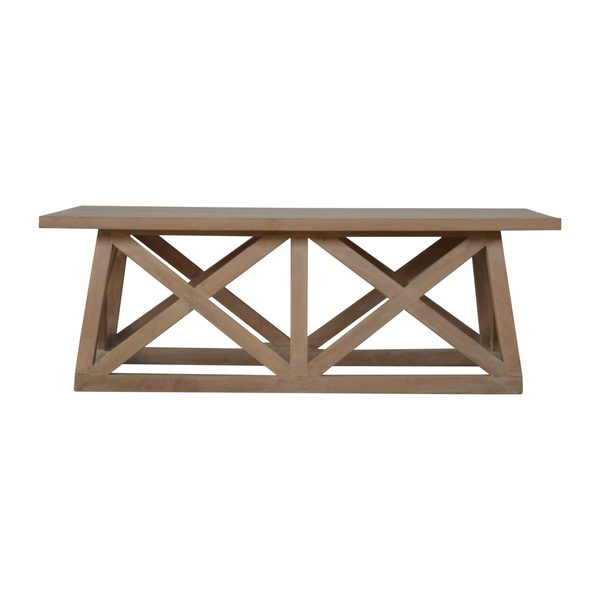

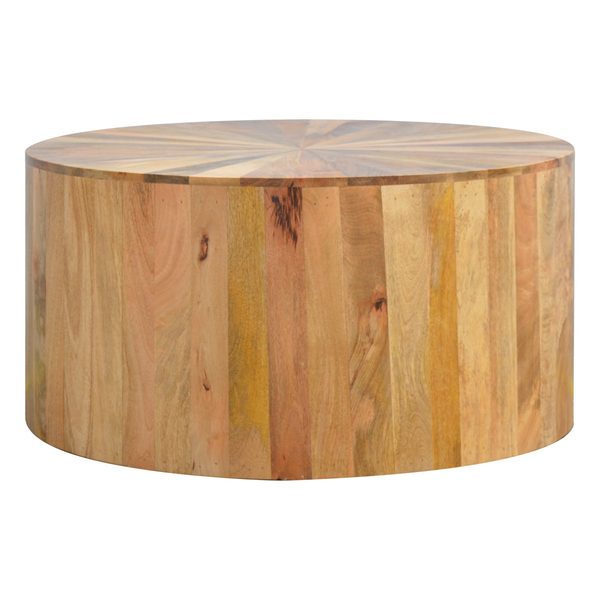
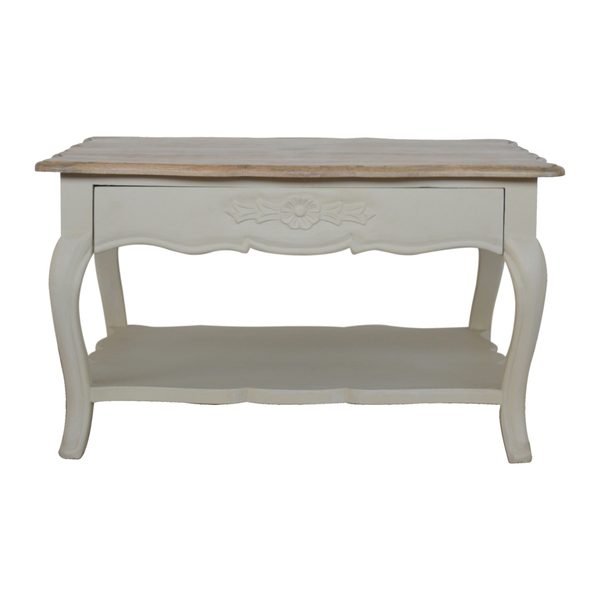
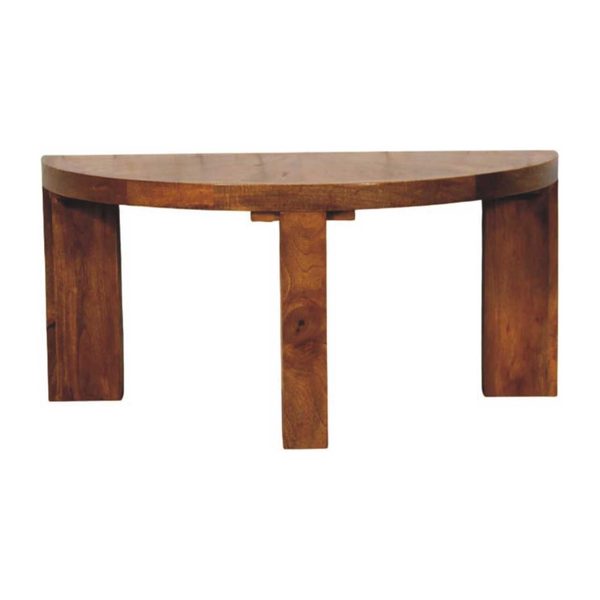
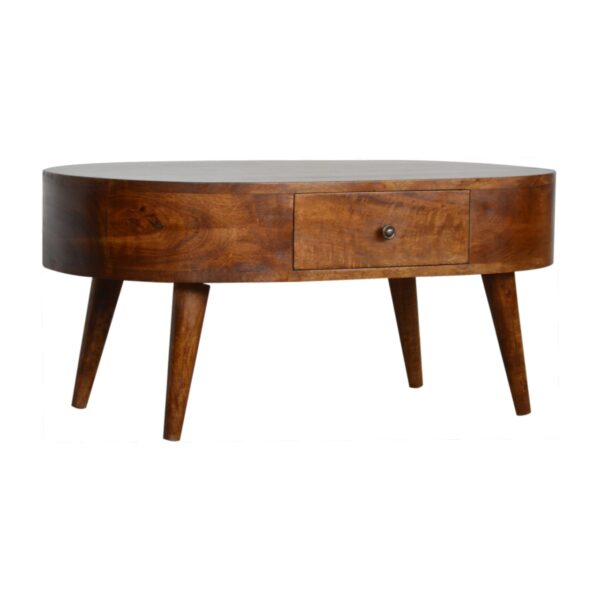
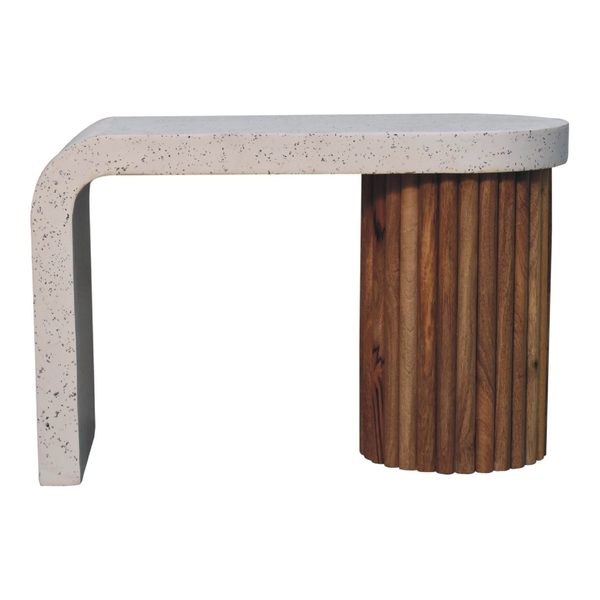

Read the top and support as separate wood components
Check the materials for top, legs and base rather than extending one timber word to the entire table. Solid wood, veneer and other constructions may be stated in different places. Read supporting materials where provided and ask about information missing from a deciding part of the specification.
Look at grain across the full top and how it meets the edge. Veneer cutting can create different patterns, while a finish changes the visible relationship to other furniture. Judge the actual product instead of ranking it by a generic wood label. Mango wood coffee tables offer another specified material route, with the same need for a clear component description.
Choose a finish that fits the serving routine
List what meets the tabletop most often: cups, a tray, books or objects that move around. Read the selected finish’s guidance for contact, spills and cleaning. Do not assume a natural-looking surface is bare wood or that oil is an allowed treatment. A coating and the timber beneath it answer different parts of the care decision.
Consider how much grain should remain visible after those items are placed. If the top becomes completely occupied by display, both its practical use and material feature may be lost. Coffee tables with storage provide another functional direction when loose objects need a home rather than more visible surface.
Keep the wood character within the seating layout
Compare the table’s grain and tone with the floor, rug and furniture that will stay. Exact matching is not necessary; a clear difference can give each surface its own role. Review the wood from seated height and above, including a broad base if it contributes significant material below the top.
Plot the complete footprint and test everyday reach from the sofa. Check standing space and any projecting supports. Coffee tables cover the wider room-fit guide, while small coffee tables refine a tight footprint. Confirm care, loading, supplied parts and assembly, then ask benssur about an uncertain finish or dimension before finalising the wood choice.