
Small Coffee Tables
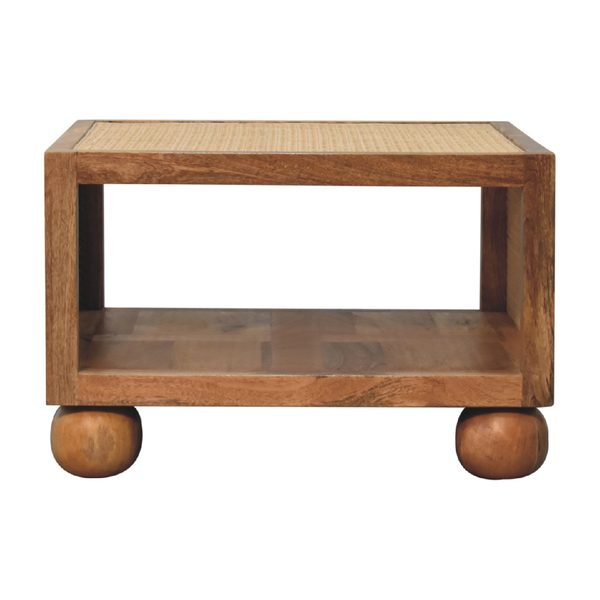
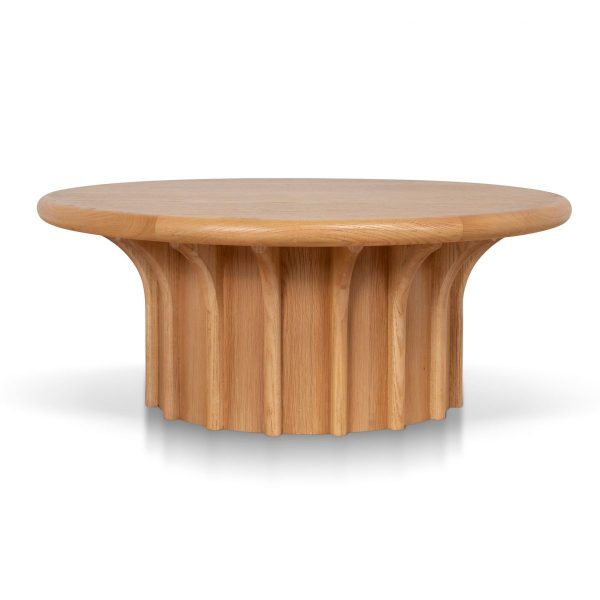
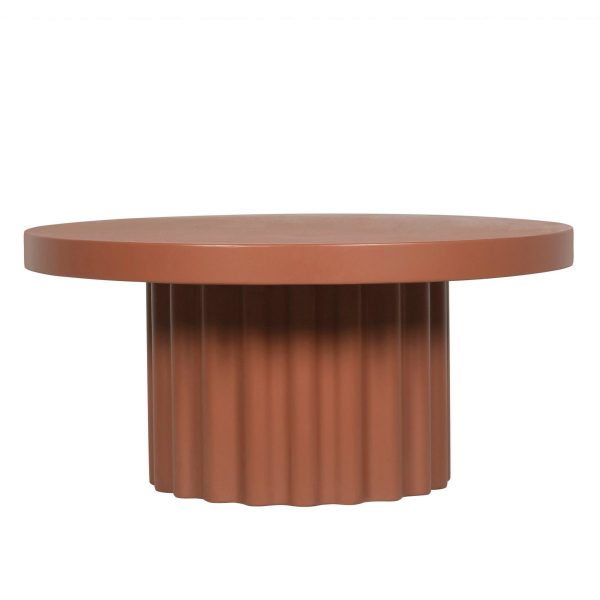
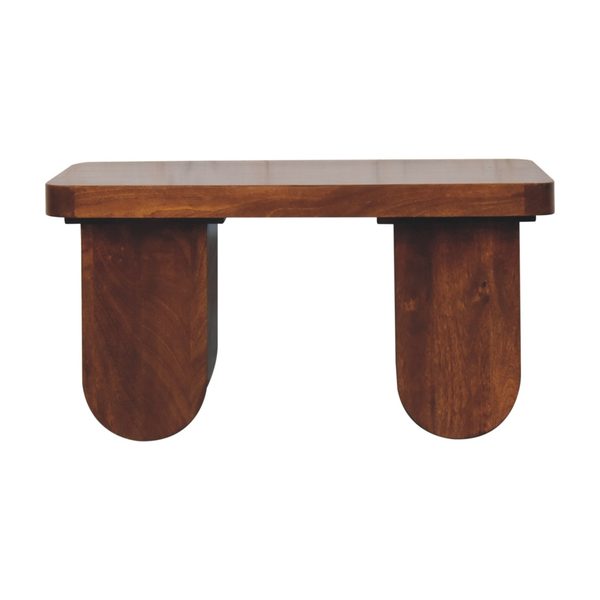
Small coffee tables should protect room access without losing the surface you need every day. Start with the ordinary task: a drink and book may need less area than your usual serving tray. Then compare the complete table footprint with the route around the sofa. The smallest-looking option is not automatically the best if it leaves the top too crowded or difficult to reach.
Read moreRead less
Use this collection to find a compact table through actual dimensions, not a universal small-size rule. Check top and base together. Coffee tables provide the broader reach guide, while nesting tables offer a different space-saving routine when documented pieces tuck together between uses. Keep the purchase tied to a practical minimum surface.
Showing 1–24 of 48 resultsSorted by recommended
-
Week’s PickOriginal price was: $887.00.$736.00Current price is: $736.00.
-
On SaleOriginal price was: $733.00.$645.00Current price is: $645.00.
-
Week’s PickOriginal price was: $716.00.$644.00Current price is: $644.00.
-
On SaleOriginal price was: $539.00.$512.00Current price is: $512.00.
-
On SaleOriginal price was: $409.00.$389.00Current price is: $389.00.
-
-
-
On SaleOriginal price was: $1,412.00.$1,341.00Current price is: $1,341.00.
-
-
-
-
-
On SaleOriginal price was: $1,222.00.$1,161.00Current price is: $1,161.00.
-
-
On SaleOriginal price was: $1,505.00.$1,430.00Current price is: $1,430.00.
-
-
-
-
-
-
-
-
-
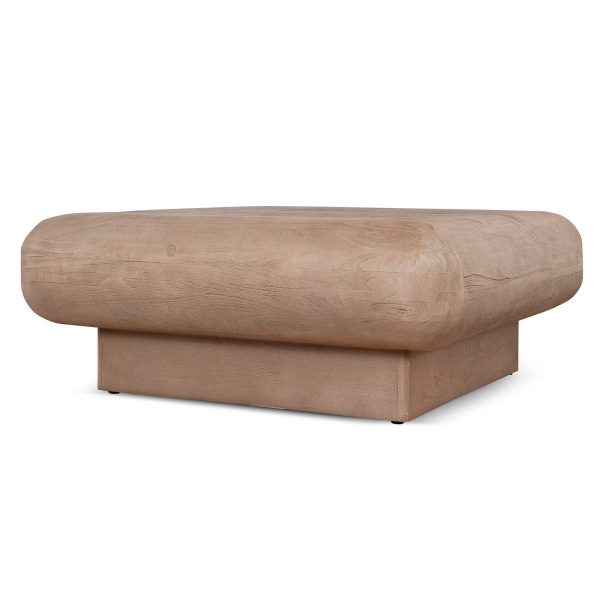

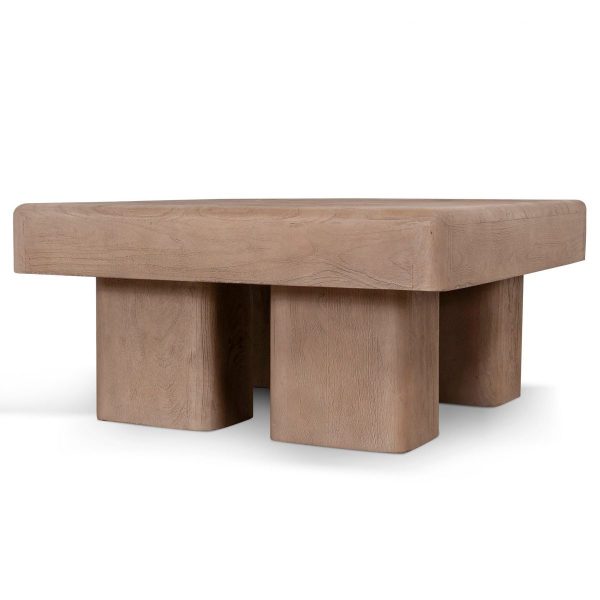

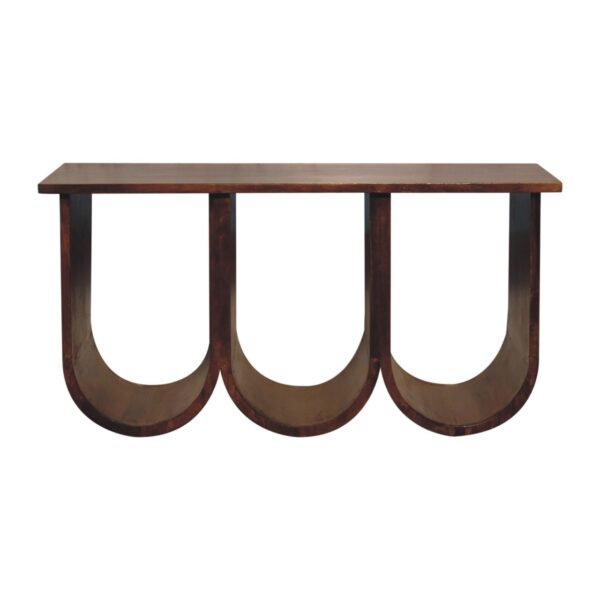

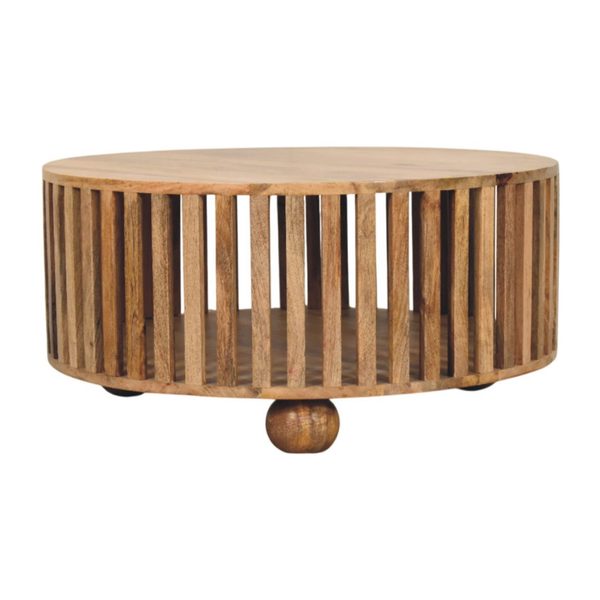
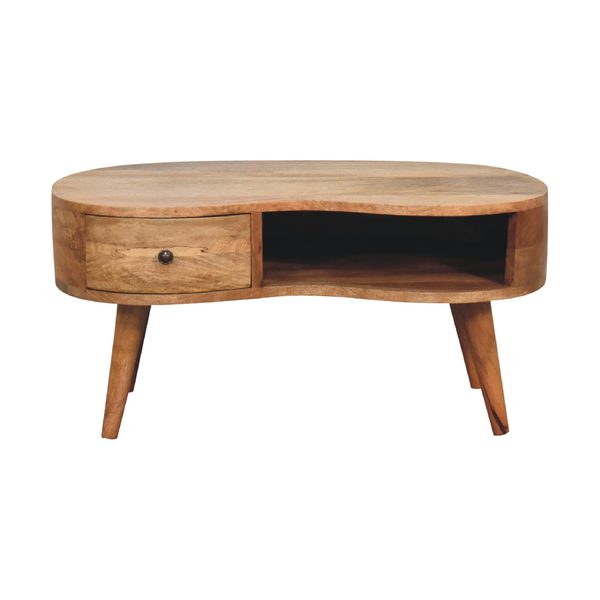

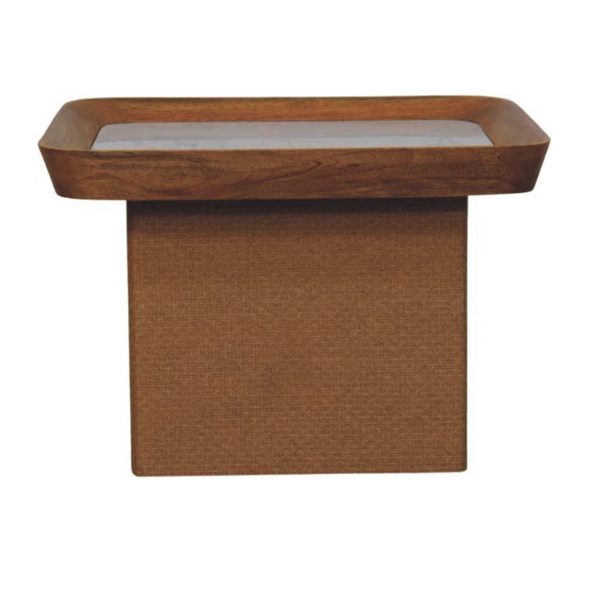


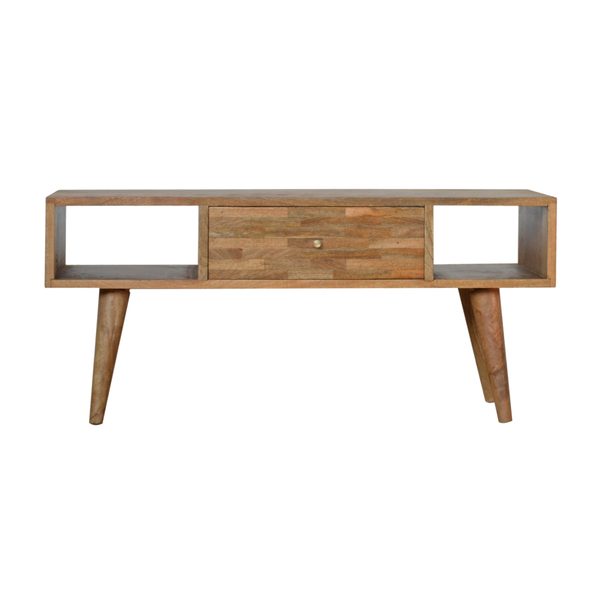
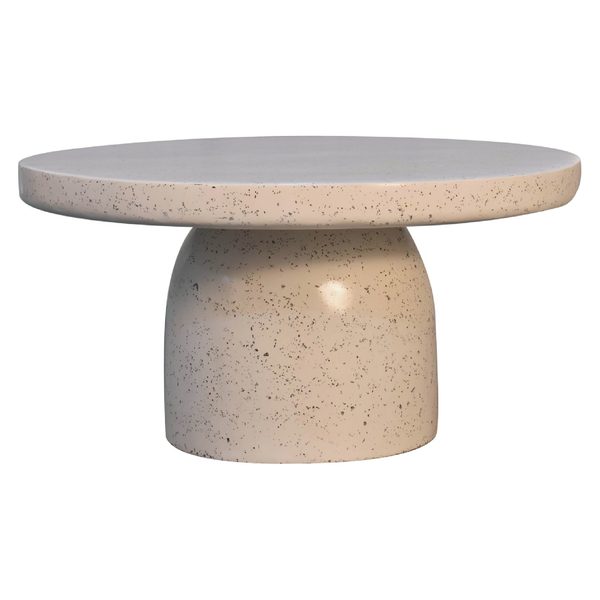

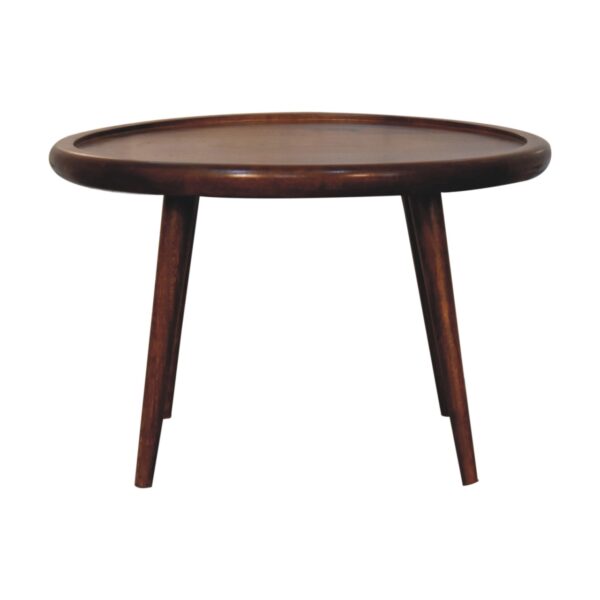
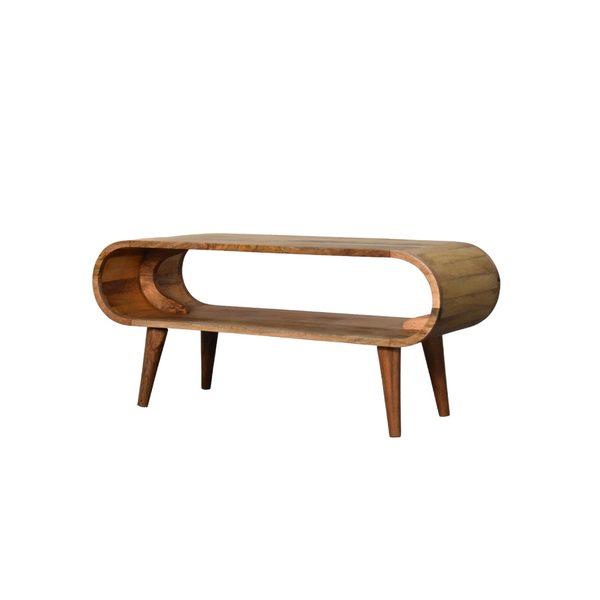
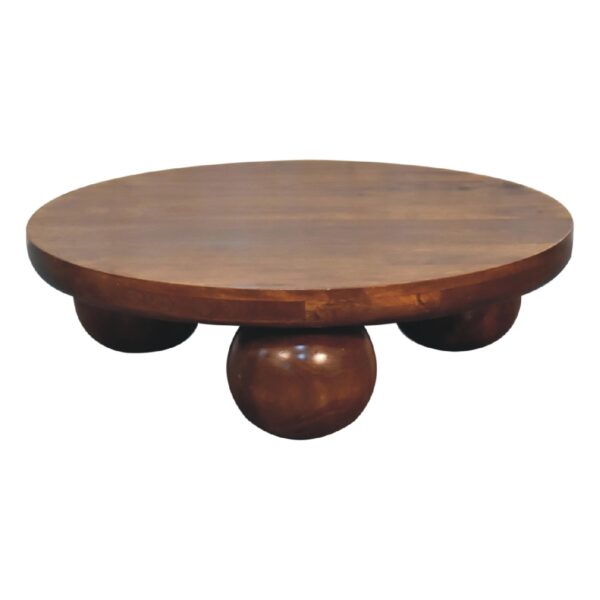
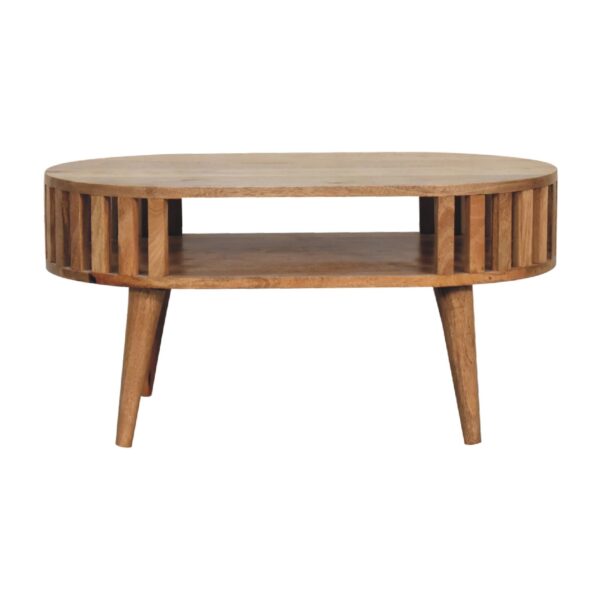
Choose the smallest surface that still does its everyday job
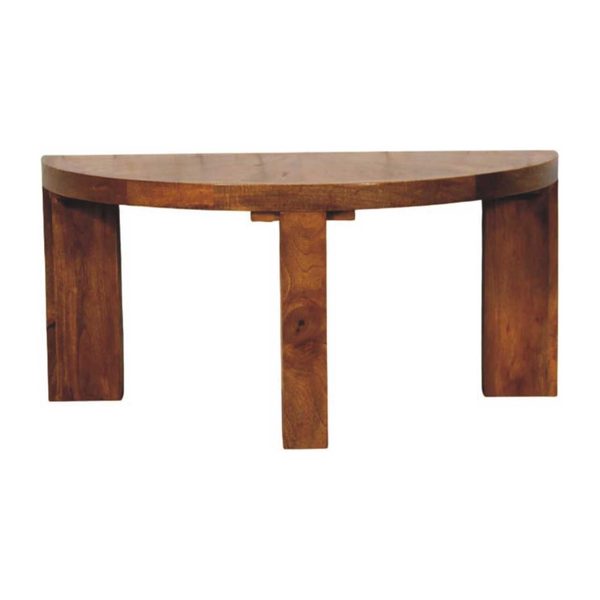
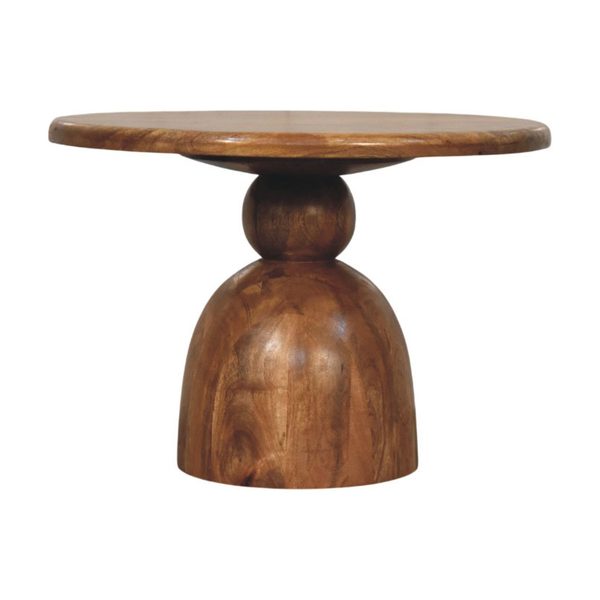
Measure your usual tray or lay out the objects you put down together. Compare that footprint with the usable top, accounting for any curved or irregular edge. A table may be physically small but inefficient for a rectangular tray. Leave a place to add a cup rather than filling the entire surface permanently.
Decide which display objects can live elsewhere. This can make a modest tabletop useful without increasing its footprint. Side tables are another comparison if the main task is supporting one seat, rather than shared activity in the centre. Choose the role first so compactness does not become the only buying reason.
Check every projection within the room route
Plot full assembled measurements beside the sofa and surrounding furniture. The base, legs or another projection may extend differently from the top. Include standing space and the path people use from the door. A compact surface does not guarantee a compact overall support.
Compare actual outlines rather than expecting one shape to suit every small room. Round coffee tables and rectangular coffee tables offer different useful areas and routes. Test both on the same plan with your real serving items. Keep delivery-package dimensions separate from the assembled footprint; a small carton answers a different question from a table that leaves usable access.
Keep height and storage from undoing the compact plan
Compare height with the actual sofa and user reach. A small top placed too far away may be less useful than a larger surface in a workable position. Mark the everyday arrangement before deciding on colour or material. If a storage feature is documented, check opening movement or retrieval space alongside the parked footprint.
Coffee tables with drawers focus on hidden access, while shelf coffee tables compare a visible lower surface. Neither feature should be assumed from the small label. Read care, supplied parts and assembly. Ask benssur about an unclear base or opening measurement so the compact choice remains convenient after it is used and filled.