
Outdoor Benches
Outdoor benches should be chosen for the place they will sit and the conditions they will meet. Start with exposure, the supporting surface and how the seat will be used. A sheltered outdoor corner and a more exposed position can raise different material and maintenance questions.
Read moreRead less
Read the actual bench’s intended outdoor use, finish and care rather than treat the collection label as a weatherproof promise. Then compare useful seating dimensions and the full base with your space. Garden benches focus on a resting place within a garden, while outdoor chairs offer another seating arrangement where individual positions suit the area better.
Showing the single result
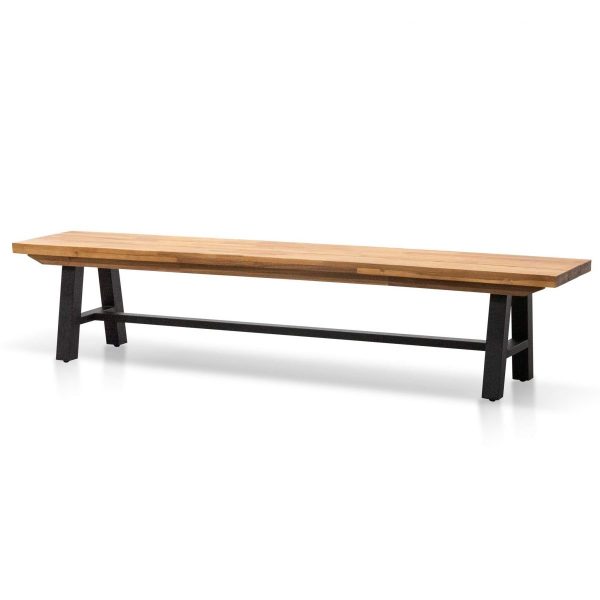

Does the bench suit your exposure and care routine?
Describe the proposed position accurately: shelter, direct exposure and the ordinary conditions around it. Compare those with the individual material, finish and intended-use guidance. Do not assume one coating or weather performance from colour or an outdoor-looking photograph.
Ask about unclear suitability before making the location part of the purchase. If cushions or other components are actually included, read their care separately. The outdoor category provides a wider setting comparison. A useful bench choice starts with verified placement and maintenance, rather than a broad promise that every outside seat can remain in every outdoor condition without attention.
Does the useful seat and full base fit the area?
Compare usable height, depth and length with the intended seated task. A shared bench and individual chairs create different arrangements. Compare usable length and the stated loading or seating guidance rather than overall length alone. Follow the product’s stated use and limits.
Mark the complete base and space for people to approach, sit and rise. Include doors, routes and nearby furniture. Check the supporting surface against the bench’s placement guidance rather than assume every outdoor ground condition is suitable. Garden benches refine landscape access, while outdoor chairs offer separate seats. Choose actual proportions that work during use, not only when the area is empty.
Is the bench for a pause, conversation or meals?
Decide whether the main role is a resting pause, conversation or a table-related task. If dining is intended, compare actual seat height and table clearance, using outdoor tables as a separate furniture comparison rather than assume every bench suits meals.
Read assembly, any securing guidance and material maintenance for the chosen design. A finish can connect with the landscape after those facts are clear. Timber outdoor benches focus on stated wood construction and its care. Choose a bench whose intended use and routine maintenance fit the actual outdoor place, with appearance completing that practical choice rather than replacing it.
Frequently Asked Questions
Compare black outdoor benches or white outdoor benches after use, exposure and placement requirements are settled.