
Timber Outdoor Benches
Timber outdoor benches bring a wood construction choice into a seating place exposed to different conditions from an indoor room. Read the actual timber components and applied finish first. Then compare their maintenance and intended exposure with the place where the bench will stand.
Read moreRead less
Wood appearance should not become a maintenance-free or weatherproof promise. A coating may need attention according to the selected product’s guidance, and different finishes should not share a guessed treatment. Outdoor benches cover the first site and seating checks. For an exposed seat, consider how you will reach the timber surfaces for routine care and where the bench will sit between uses. For a sheltered position, still compare the actual conditions with the stated finish guidance. Then choose the grain and tone you want beside the garden or paving.
Showing the single result
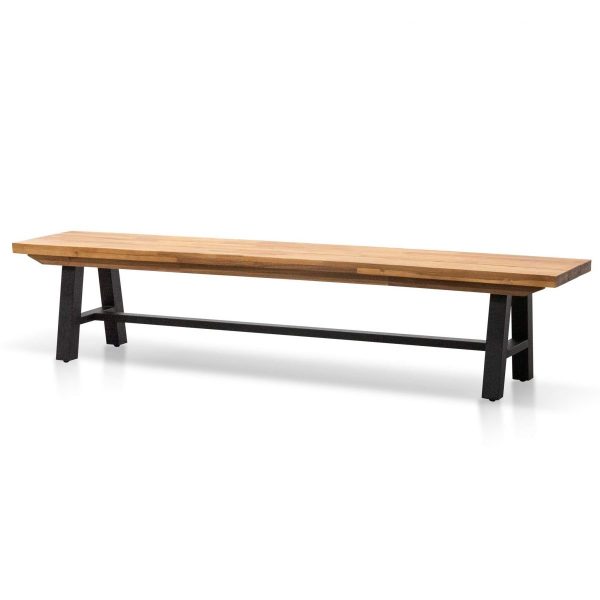

Which wood components and finish will meet the weather?
Read seat, frame and other parts separately, keeping solid timber and any other stated construction accurate. Identify the applied finish instead of assuming raw wood or one universal outdoor coating. Ask about exposure suitability when the proposed site is not clearly covered by the description.
Outdoor wood care can include refreshing a finish as its instructions direct; oil, stain and paint are different treatments. Do not choose one from the timber name alone. Compare the upkeep you can follow with the actual product guidance before purchase. Check which faces and joints will be accessible in the planned position. A bench close to a wall may need space behind it for cleaning and any instructed finish care, as well as room in front for people to sit.
Does the timber seat suit the way you will use it?
Compare useful seat height, depth and length with the intended resting or table-related task. A shaped seat and a flat one create different positions, but wood alone cannot establish comfort or the number of people supported. Follow the individual use and loading information.
Include the frame and leg positions when planning shared seating and access. Garden benches focus on a resting place within the landscape, while outdoor tables provide the separate comparison if meals matter. For a resting bench, compare the seat shape with the way you prefer to sit. For dining, check the relationship with the table underside and leg positions before choosing a timber finish to connect the two pieces.
Can the full bench and its care routine fit the site?
Mark the complete base with room for people to approach, sit and rise. Check doors, paths and the supporting surface against the bench’s placement guidance. Grain on the top cannot tell you whether the base works on the intended ground.
Read assembly, any securing requirements and the maintenance of all actual components. Keep cushions or other supplied parts separate where their care differs. Compare tone with paving and nearby furniture after those facts are clear. Black outdoor benches offer a colour-led alternative if a defined dark line matters more than visible timber. Choose wood on a practical seating arrangement you can maintain in its real position.
Frequently Asked Questions
Compare outdoor furniture to connect the timber bench with the rest of the setting.