
Stools
Stools should be chosen through the job you need the piece to perform. Start with whether the selected design is intended for sitting or another explicitly supported use. A small sculptural form and a practical occasional seat can look similar without sharing the same purpose. Read the actual usable height and surface dimensions rather than treating stool as one standard size.
Read moreRead less
Use this collection to give the piece a clear place within the room. Living furniture provides the wider arrangement guide. Decorative stools focus on shape and documented function, while fabric stools compare a covered contact surface. Choose the actual task and occupied footprint before deciding which finish completes the nearby furniture.
Showing all 15 resultsSorted by recommended
-
-
-
-
Week’s PickOriginal price was: $599.00.$539.00Current price is: $539.00.
-
-
-
-
-
-
-
-
-
-
-
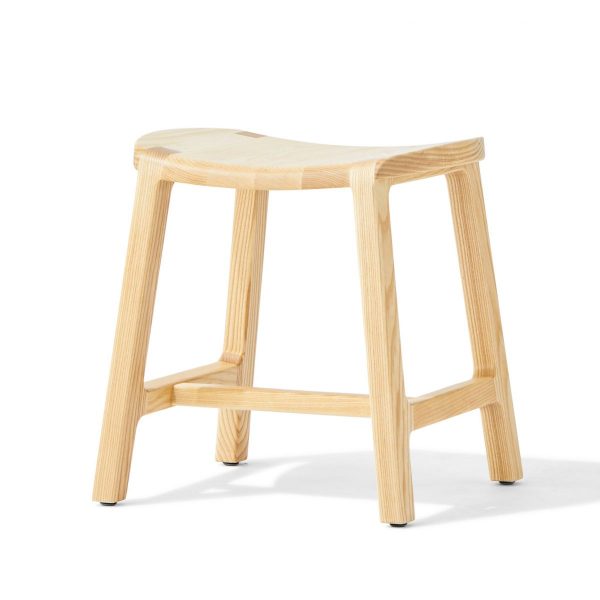

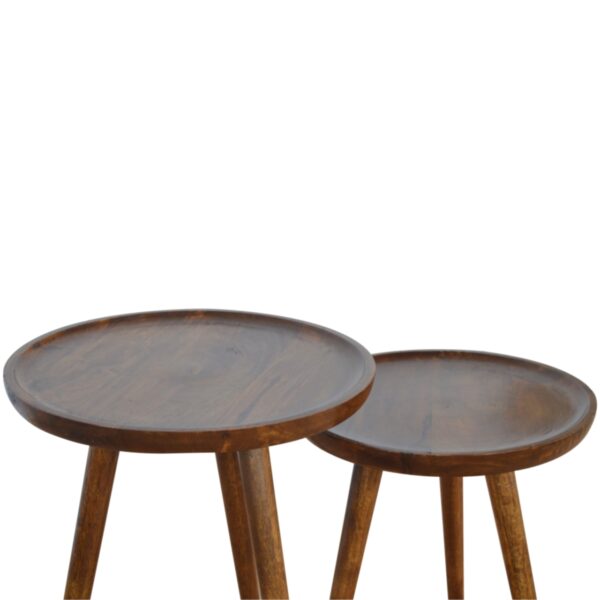
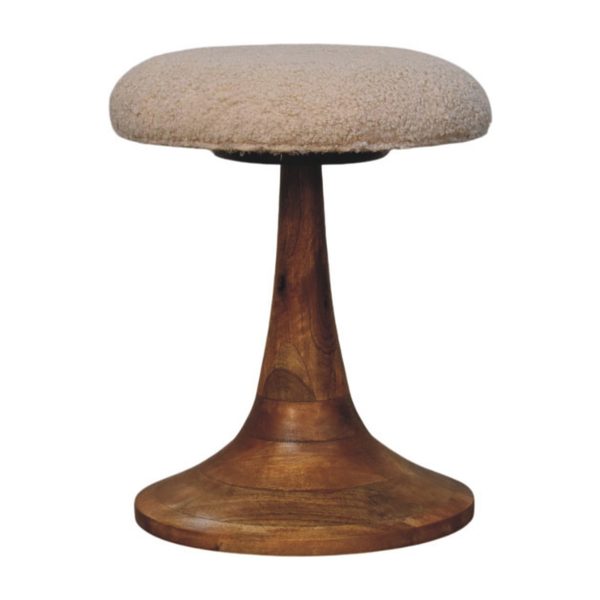
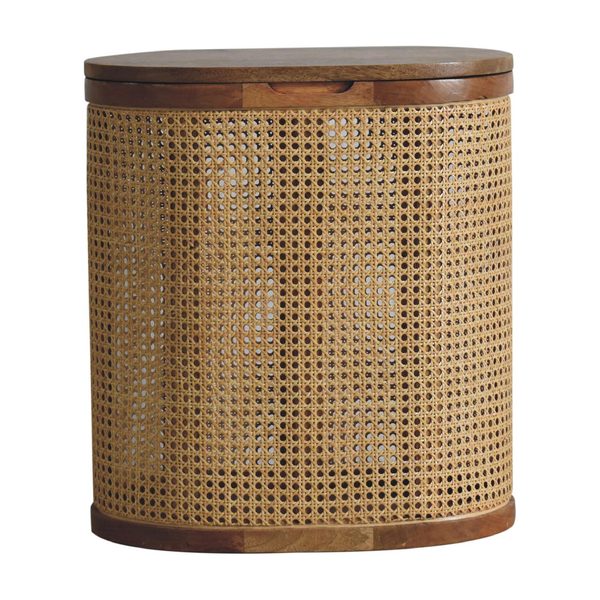
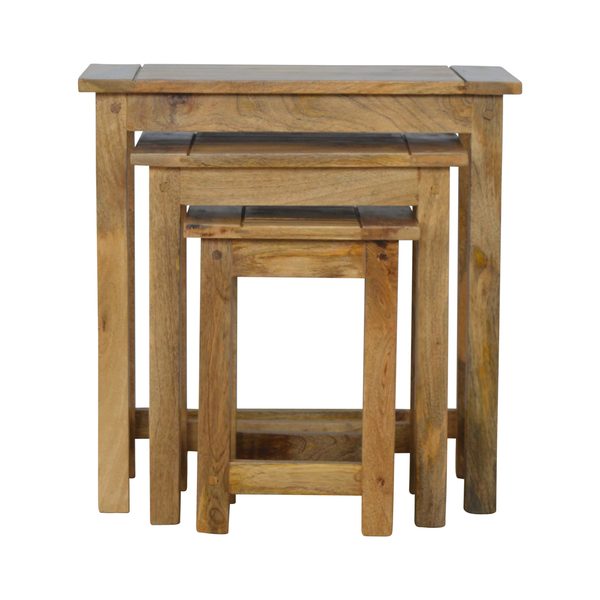
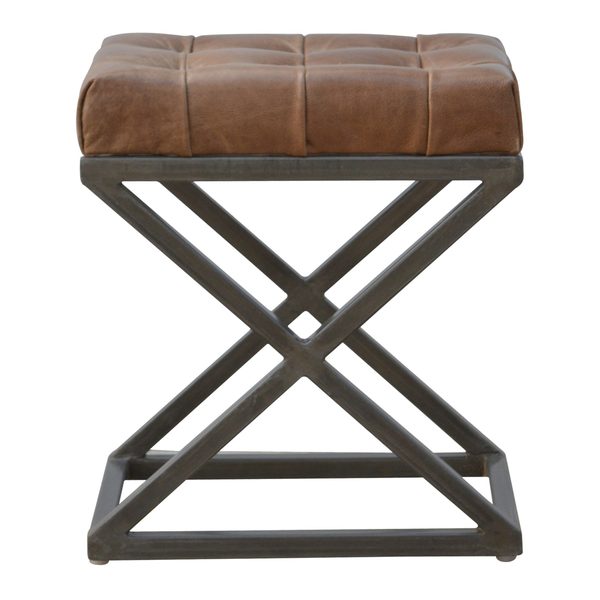
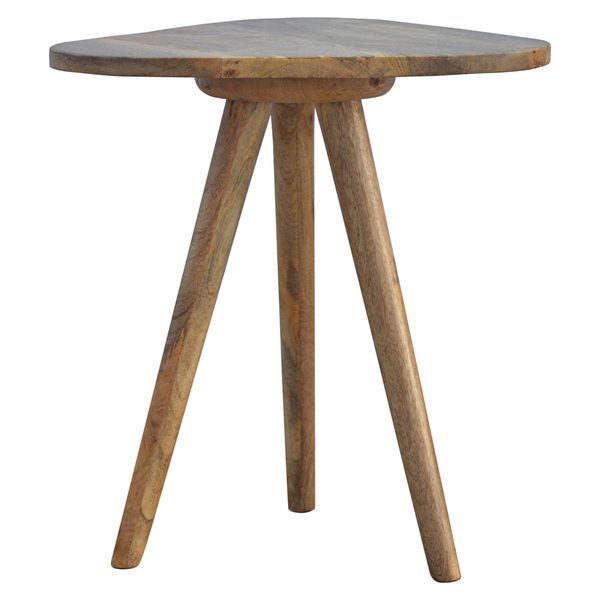
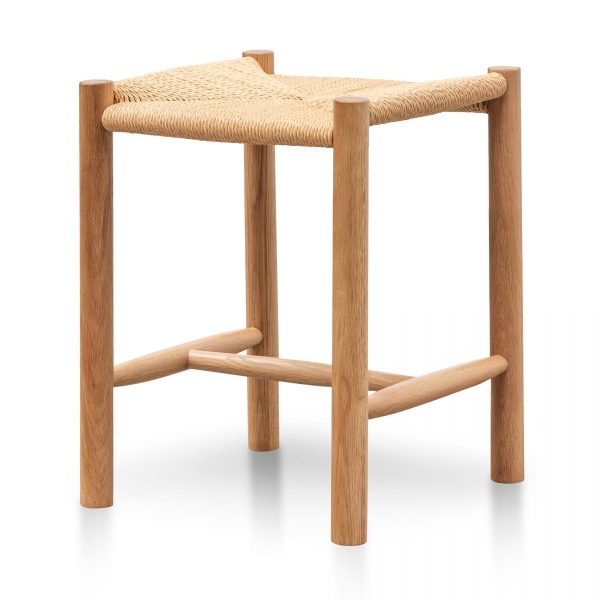
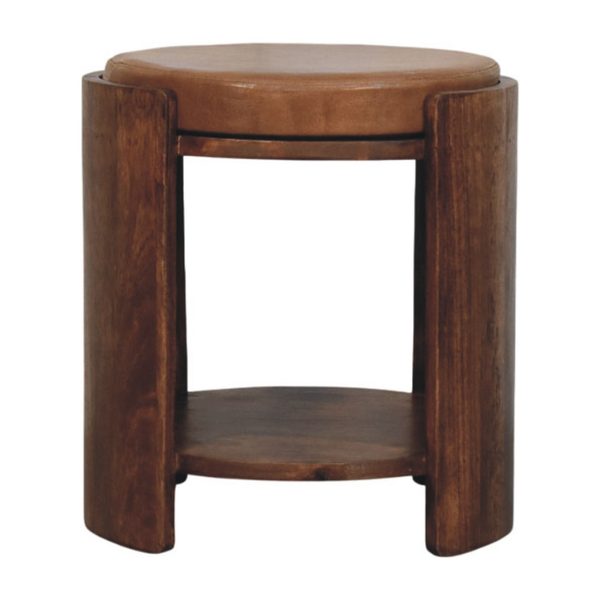
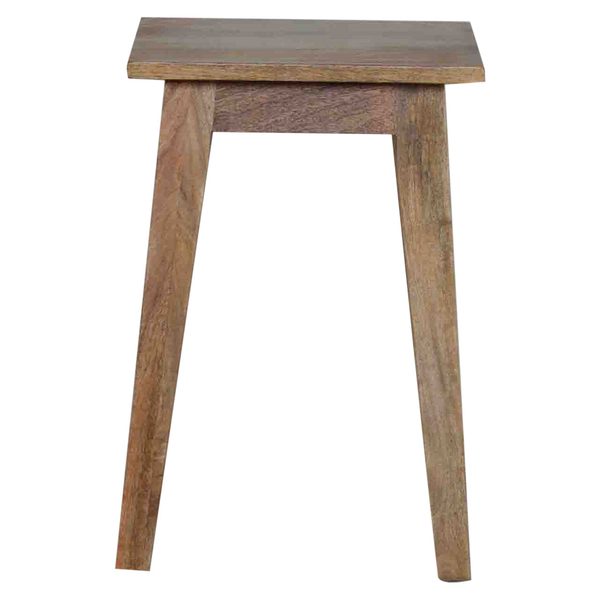
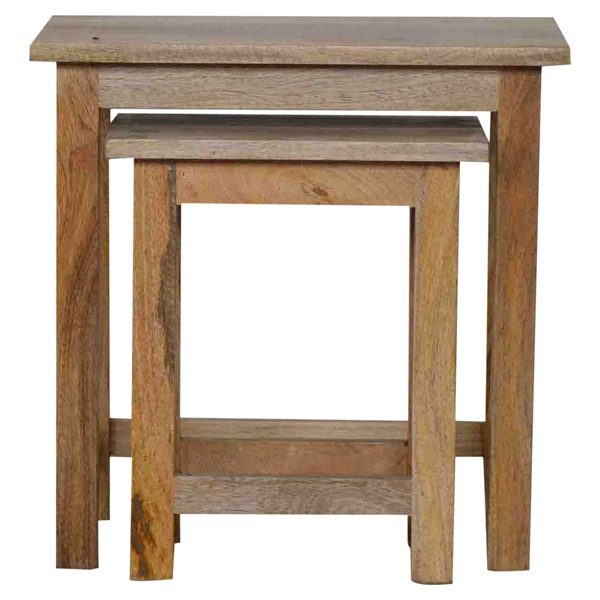
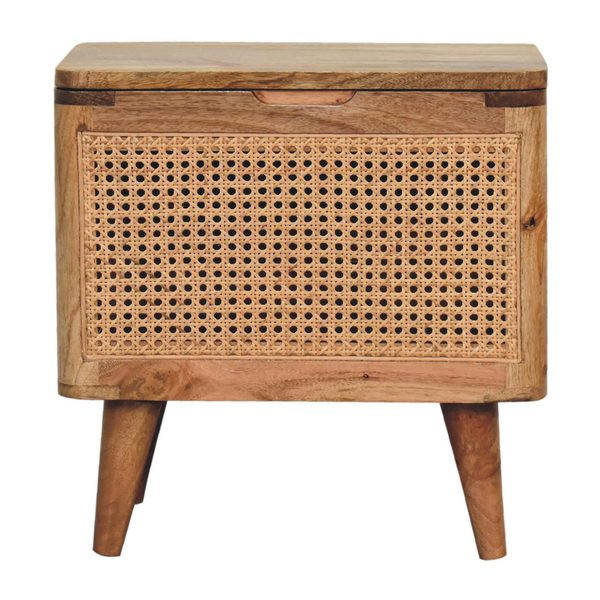
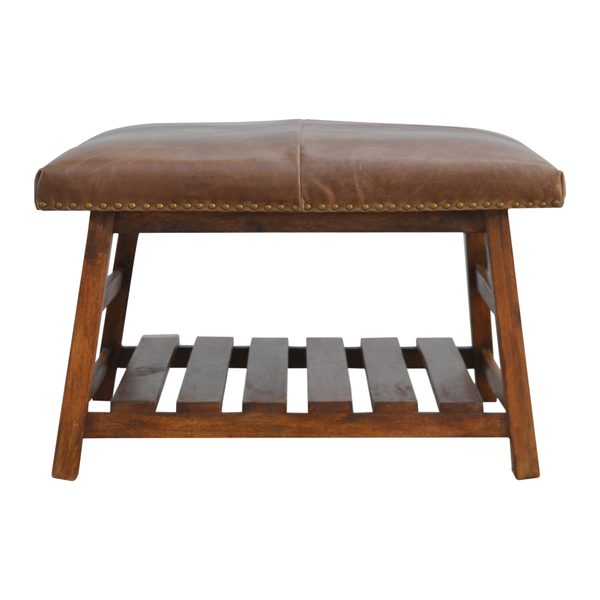
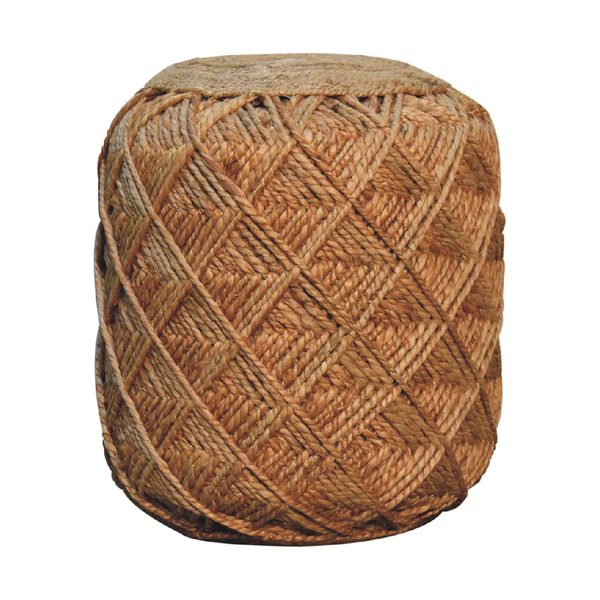
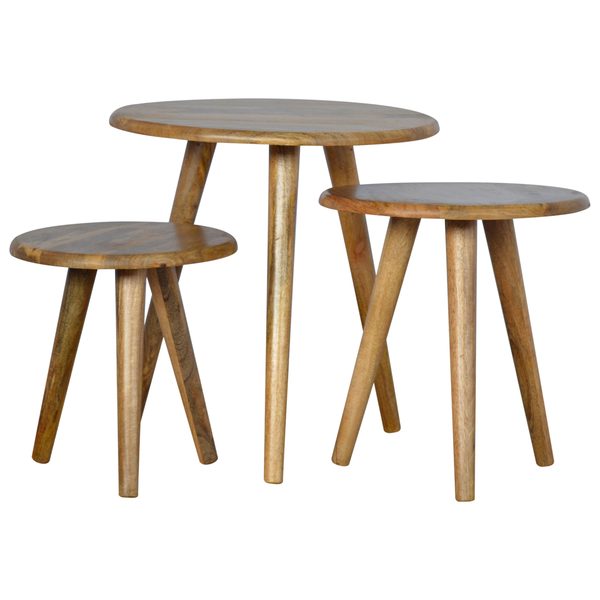
Choose the stool for the actual task
If the piece is intended for sitting, compare usable height, top dimensions and the documented support with the person and activity. A stool without a chair-like back creates a different sitting arrangement, so use your preferences rather than assuming every small seat replaces a dining or lounge chair. Read the selected product’s intended use.
For another surface task, confirm that role separately. Check any stated object-surface role and loading guidance before choosing a flat-looking top as a table. Decorative stools help keep that purpose clear. Choose a stool that serves a real need instead of assigning several functions to it solely because its form appears adaptable.
Compare the usable top with the complete floor outline
Read overall dimensions and the usable surface independently. A broad base, shaped rim or another documented detail may occupy room without increasing the sitting or object area. Review side views and any actual projections. The outer silhouette should not be used as a substitute for useful contact measurements.
Plot the stool beside surrounding furniture and allow the movement needed for its chosen task. A small extra piece can still interrupt a route or make a nearby seat awkward to approach. Black stools and natural timber stools offer finish directions after physical fit is clear. Choose the complete footprint in use, rather than adding a stool simply to fill an empty corner.
Choose contact materials and practical handling
Read the seat or top, body and supports separately. A covering, wood or colour name does not explain every component or loading instruction. Follow actual care for ordinary contact and the intended use. Bouclé stools and leather stools offer narrower covering comparisons where those materials are documented.
If the stool is moved between positions, read handling guidance and its actual dimensions rather than assuming every small-looking piece is lightweight. Confirm supplied parts, assembly and floor guidance, then ask benssur about unclear measurements or supported use. The useful stool should fit its everyday task and room position, with appearance supporting a furniture role that is already understood.