
Natural Timber Stools
Natural timber stools make visible wood character part of a smaller furniture form. Start with the actual top and body as they will be seen in the room. A stool beside seating may be viewed from above more often than a larger cabinet, so grain on the top can matter as much as the side silhouette. Compare that whole visible surface with the floor and nearby furniture.
Read moreRead less
Natural appearance does not establish untreated timber, a particular species or an all-solid build. Stools provide the wider purpose-and-fit guide. Timber stools focus on documented components, while decorative stools compare form with supported function. Choose useful dimensions and real use first, with grain finishing a piece that belongs practically in the room.
Showing all 2 resultsSorted by recommended
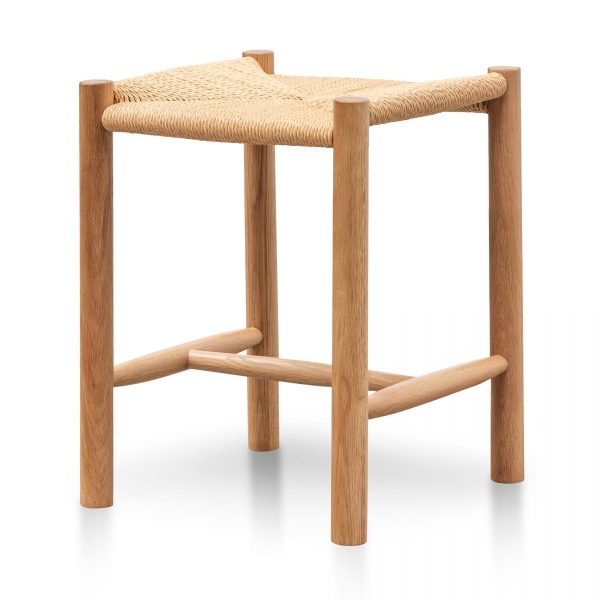

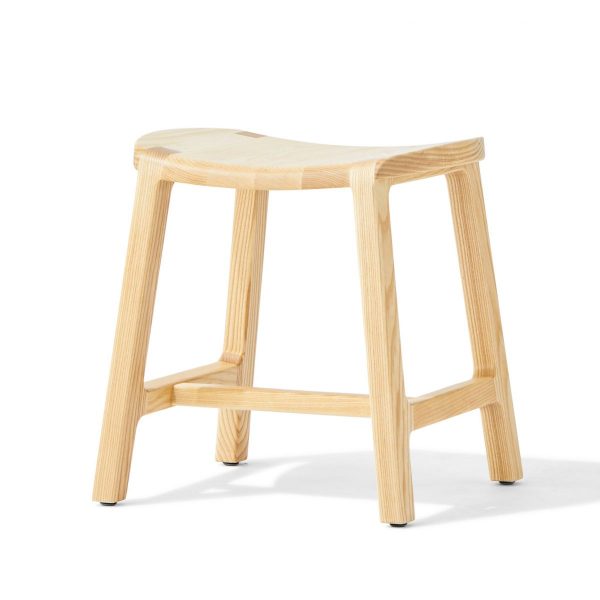
Choose the grain from the view beside the seating
Review top, side and base together rather than choosing one close-up. Their grain areas can contribute differently when the stool stands beside a sofa or in another ordinary position. Decide which view should lead, then compare tone and pattern with the permanent floor. Exact matching with surrounding timber is unnecessary.
Consider the amount of exposed wood. Another stated top or support material can change the feature, so read the actual components instead of inferring one whole-timber form. Mango wood stools offer a narrower documented material direction. Choose the selected grain and shape at their real room position rather than adding a natural-looking object simply to repeat wood somewhere else.
Keep natural appearance separate from construction and coating
Check any stated species, solid components, veneer and supporting materials. A grain photograph does not identify every concealed part. Read the selected finish too: a natural-looking surface may already be treated. Do not assume it needs immediate oiling or accepts a method used on a different wood item.
Follow contact and cleaning guidance for the actual top and body. A stool intended for sitting may have different use instructions from one with another documented task. Mango wood decorative stools focus more on the sculptural purpose where relevant. Choose the visible wood with its finish understood, rather than treating natural as a complete material or maintenance specification.
Give the wood form a useful task and footprint
Read the stool’s supported function and usable height and top dimensions. If sitting is documented, compare the contact area and support with the routine. A shaped base can extend beyond the usable surface. For another role, confirm actual loading and contact guidance rather than assigning a table task because the top looks convenient.
Plot the complete form with approach to nearby seating and the route through the room. Read actual handling if the piece moves regularly; natural wood appearance does not establish light weight. Living furniture offers the wider arrangement. Ask benssur about uncertain finish or usable measurements before choosing the grain on a stool that serves an understood everyday purpose.