
Timber Stools
Timber stools should be chosen through their actual build and the task the piece supports. Start with the top, body and supporting components rather than describing the whole form from one visible wood area. Species, solid timber, veneer and another stated material need their own reading. A wood-looking photograph does not explain the concealed construction or give the stool one universal purpose.
Read moreRead less
Use this collection to compare those components with useful height and contact dimensions. Stools provide the wider task guide. Natural timber stools focus on visible grain, while mango wood stools narrow a documented species direction. Choose the actual construction and room fit before making wood character the final deciding detail.
Showing all 14 resultsSorted by recommended
-
-
-
-
Week’s PickOriginal price was: $599.00.$539.00Current price is: $539.00.
-
-
-
-
-
-
-
-
-
-
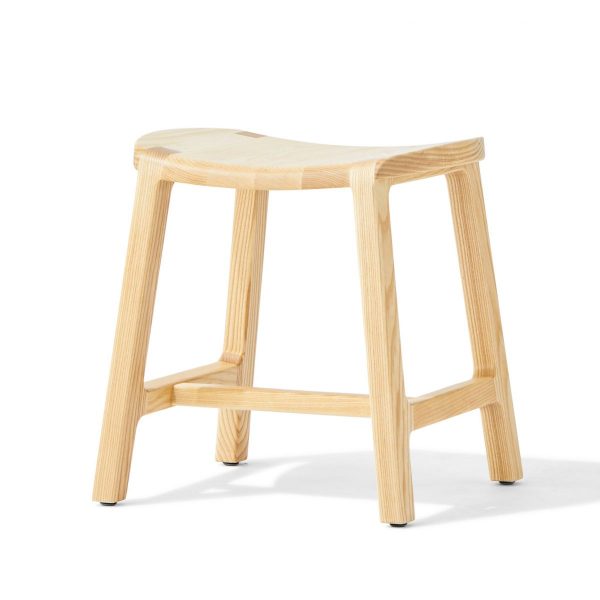

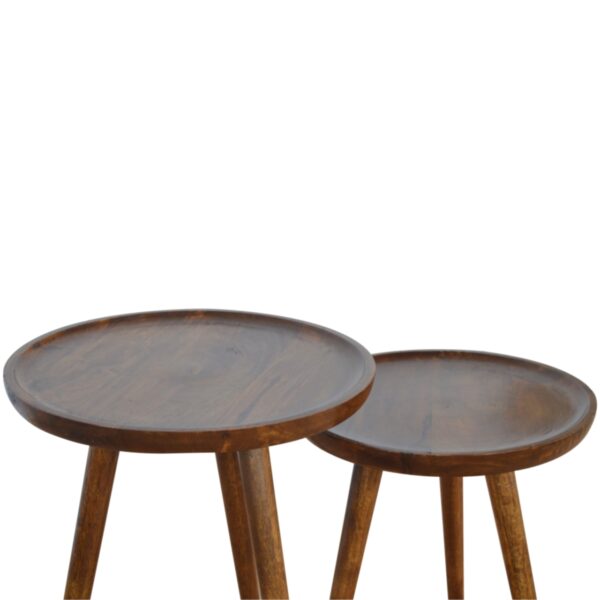
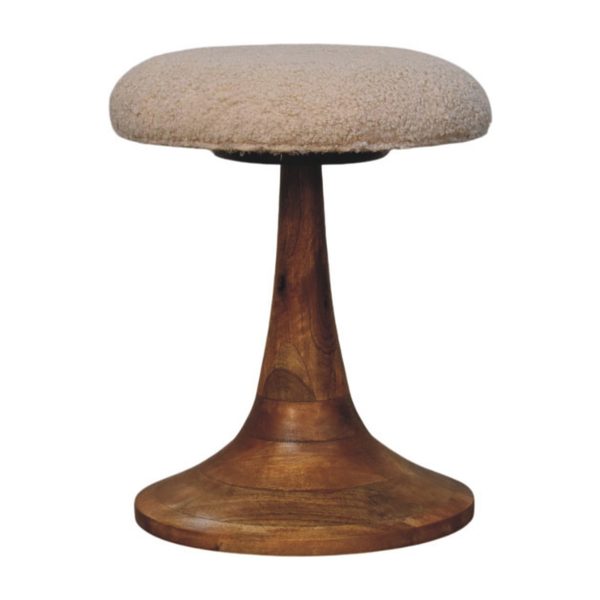
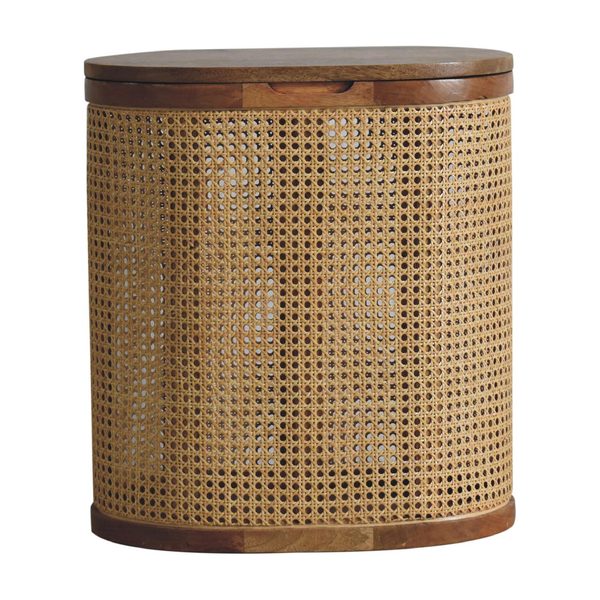
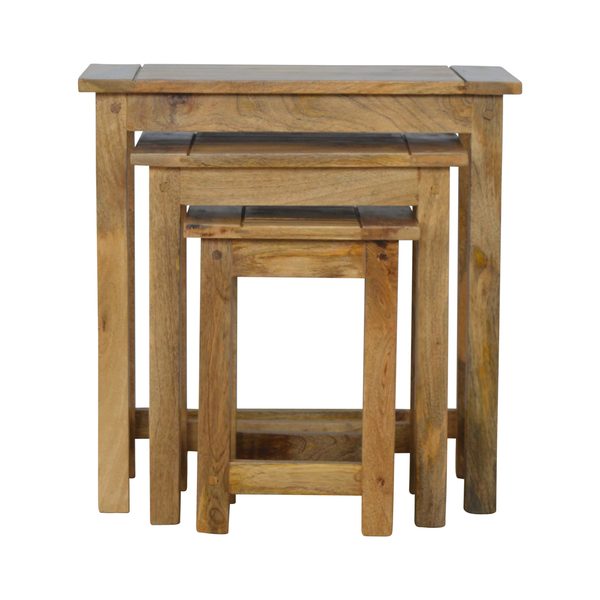
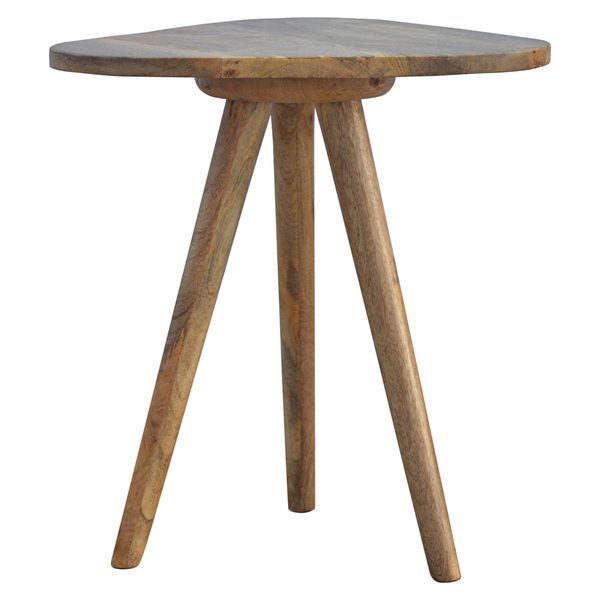
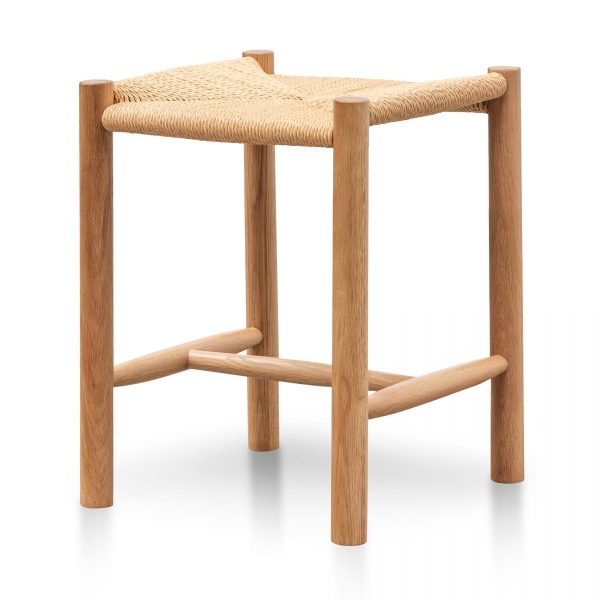
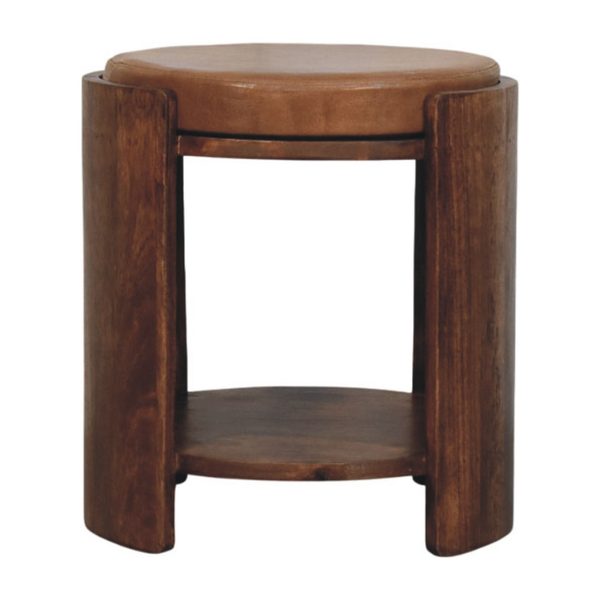
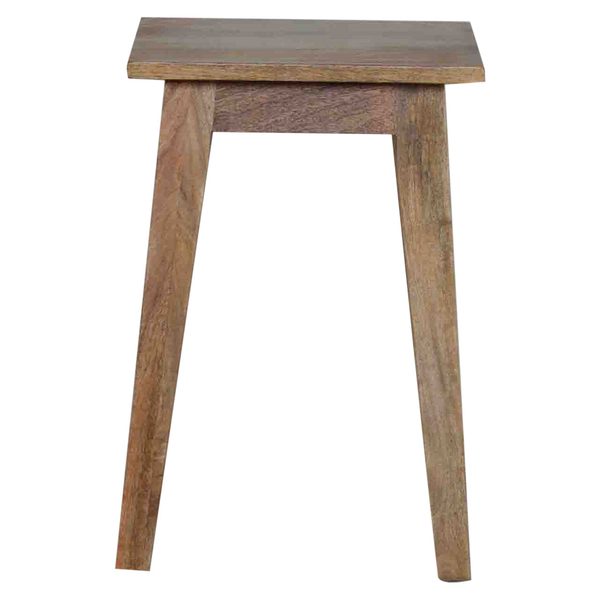
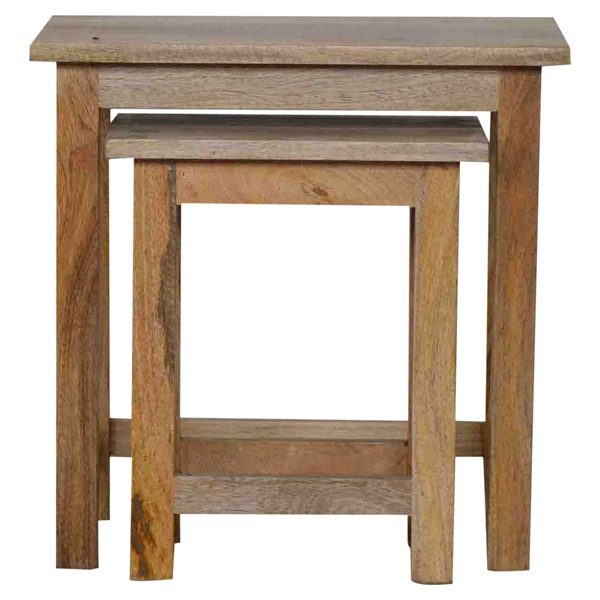
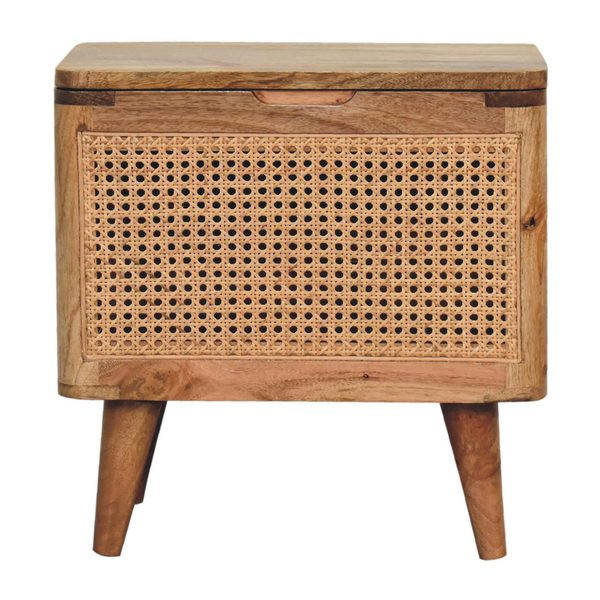
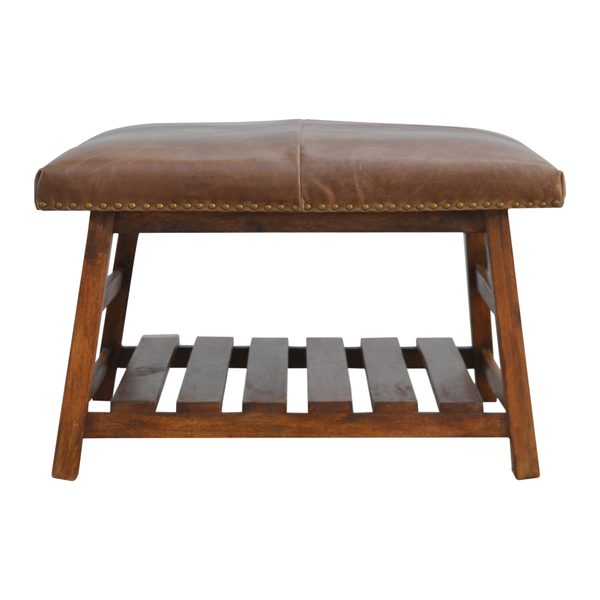
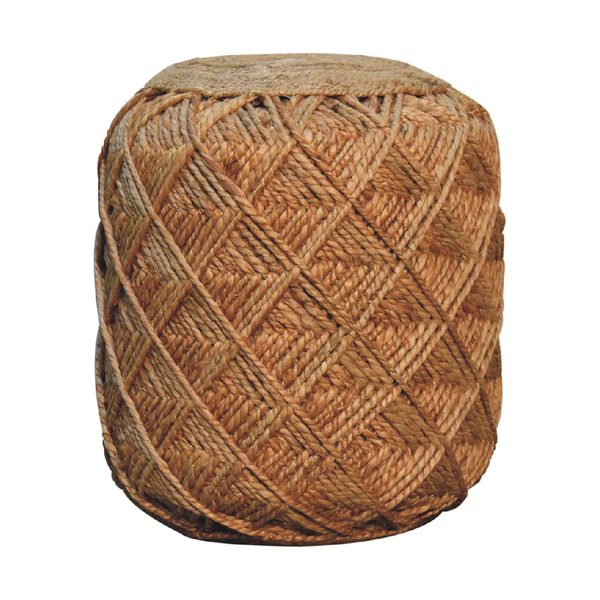
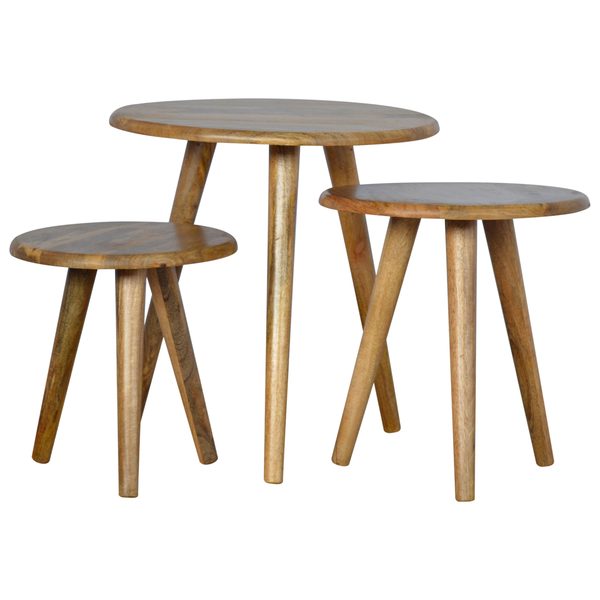
Read the wood where the contact area meets its support
Check material descriptions for the usable top, shaped body and base. A broad wood surface does not establish an all-solid build or the same species in every part. Read loading and intended use for the complete piece instead of estimating performance from a thick-looking form. Ask about details missing from a deciding component.
Compare the useful contact dimensions separately from the outer silhouette. A projecting base or sculptural edge can take room without adding sitting or supported surface area. Decorative stools examine that form-and-function relationship. Choose timber through the real construction, not an assumed quality rank based on its grain photograph or apparent thickness.
Choose finish care for the actual top and body
Read the selected coating before applying oil, wax or a familiar wood polish. Timber does not establish untreated material, and another component may have a different finish. Follow instructions for the intended contact routine rather than importing a method from another wooden item. Ask when maintenance information is incomplete.
Wood’s moisture relationship makes actual placement guidance relevant, so ask about placement conditions that matter to your room. Check intended setting separately from material. Rattan stools offer another component structure to compare through its own instructions. Choose a finish whose supported care fits the task, alongside its stated intended setting and allowed treatment.
Fit the timber form into the daily room arrangement
Confirm the stool’s documented role, then compare usable height and surface area with that routine. A solid-looking top does not automatically supply sitting, footrest or table functions. Where a task is supported, follow actual loading and contact guidance and assess the complete body in its working position.
Plot the footprint beside surrounding furniture with approach and movement left useful. Read handling if the piece changes positions regularly; timber appearance does not establish light weight. Living furniture provides the wider plan. Confirm supplied parts and assembly, then ask benssur about unclear dimensions or use. The wood stool should serve an understood furniture task rather than be added only to repeat a timber finish.