
Cabinets & Cupboards
Cabinets & cupboards should make stored items easier to organise and reach. Start with what goes inside: folded textiles, household objects, books or another specific group. Their dimensions and access needs tell you more than the cabinet’s outside size alone. A deep-looking piece may still have internal divisions that do not suit your items.
Read moreRead less
Then compare the available room with the full footprint and door-opening space. Cabinets with shelves and cabinets with drawers focus on different ways to organise contents. Read the actual internal layout and installation requirements before choosing a colour or assuming one cabinet can meet every room’s storage need.
Showing 1–24 of 28 resultsSorted by recommended
-
-
On SaleOriginal price was: $1,662.00.$1,463.00Current price is: $1,463.00.
-
Week’s PickOriginal price was: $1,349.00.$1,214.00Current price is: $1,214.00.
-
Week’s PickOriginal price was: $1,285.00.$1,157.00Current price is: $1,157.00.
-
Week’s PickOriginal price was: $855.00.$770.00Current price is: $770.00.
-
-
-
On SaleOriginal price was: $1,159.00.$1,101.00Current price is: $1,101.00.
-
-
-
-
-
-
-
-
-
-
-
-
-
-
-
-
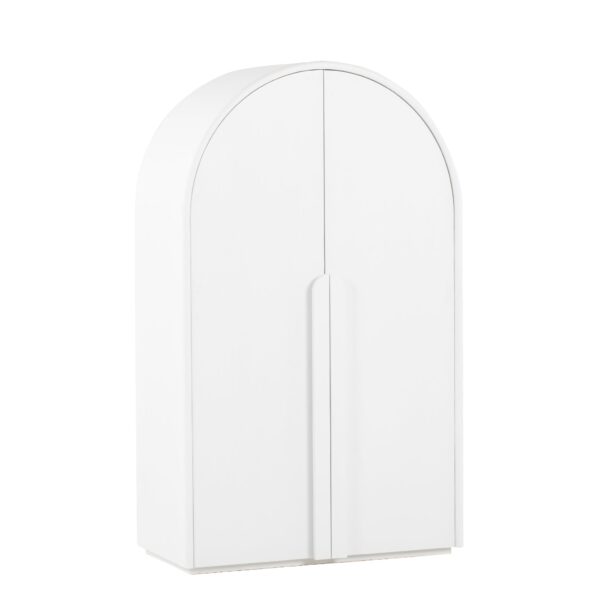

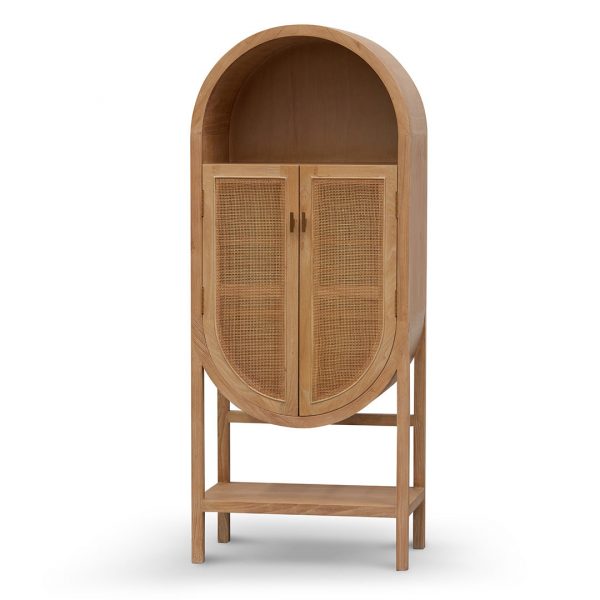
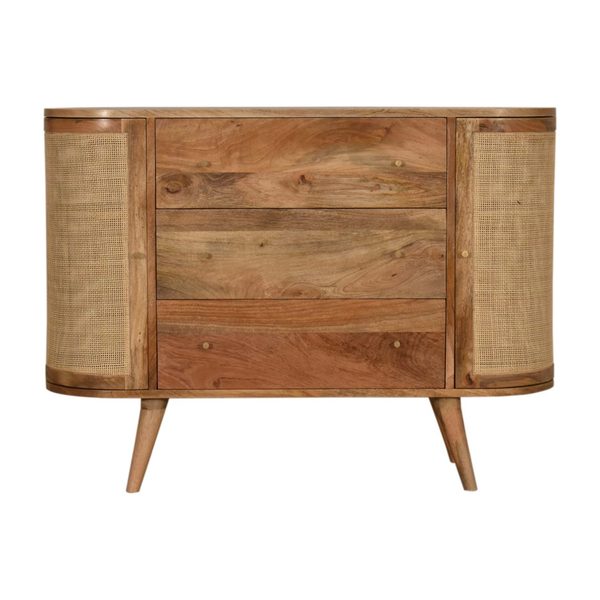
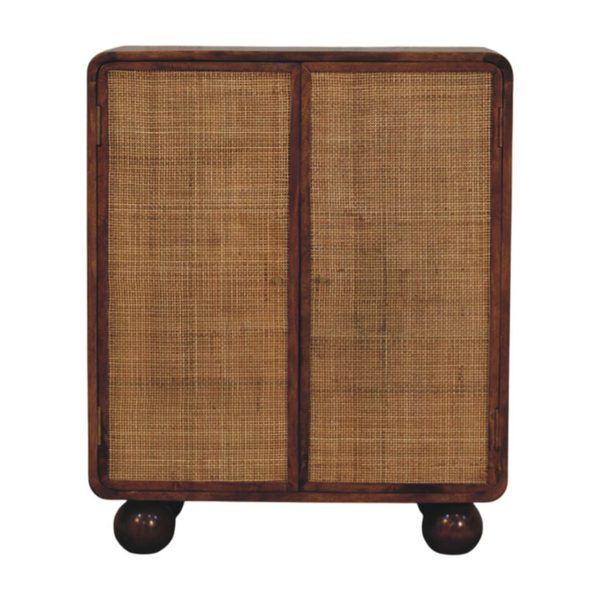
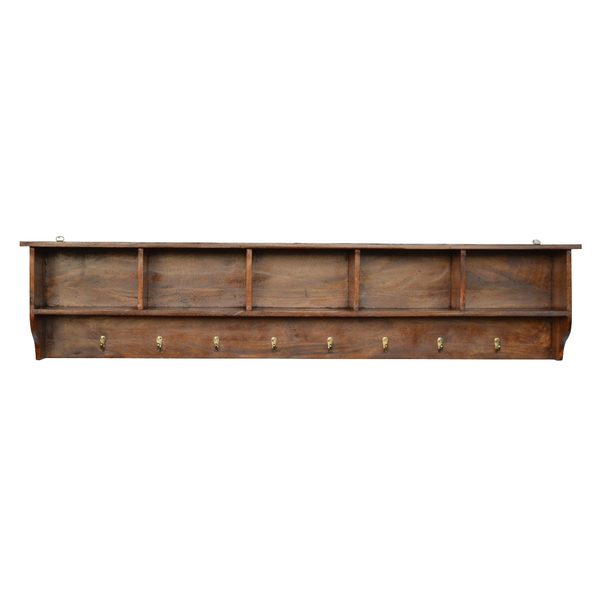
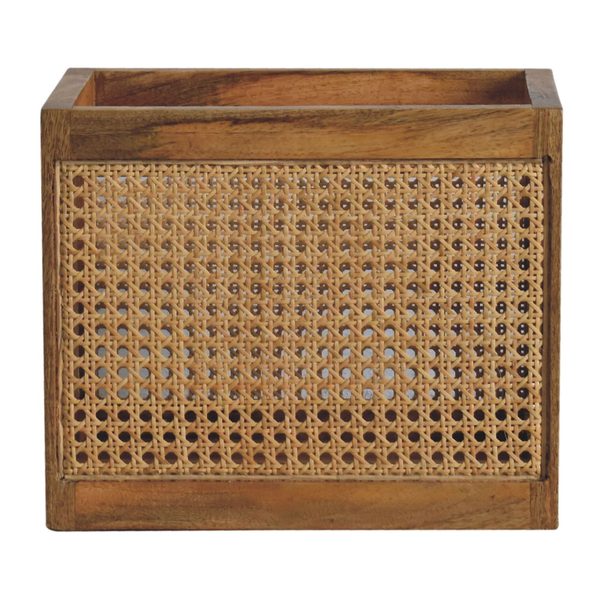
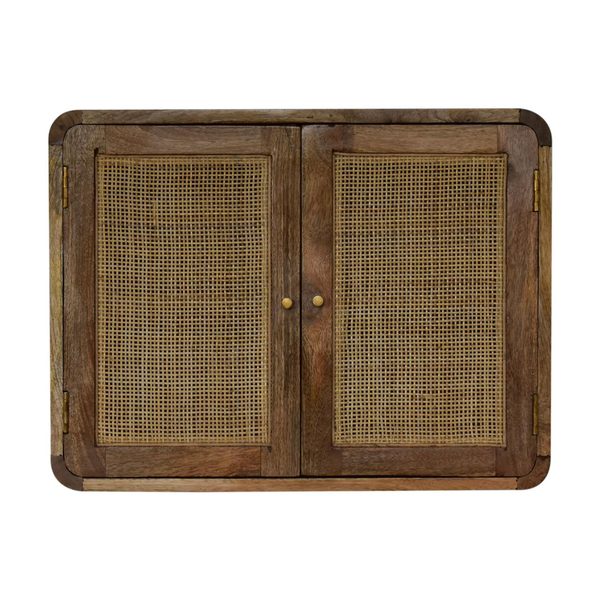

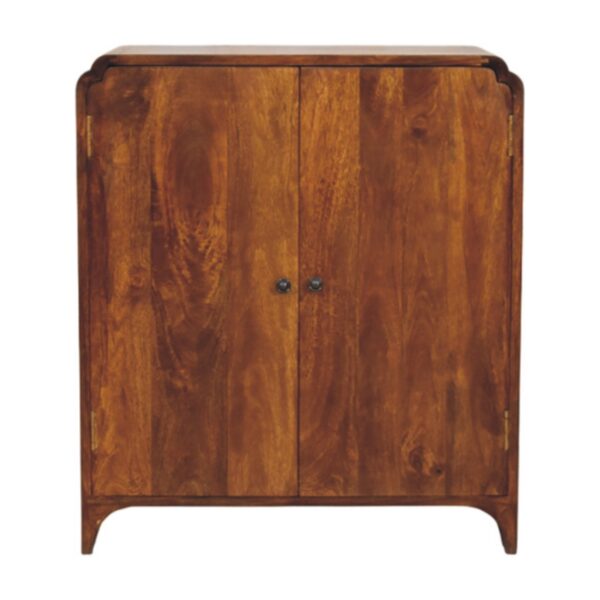
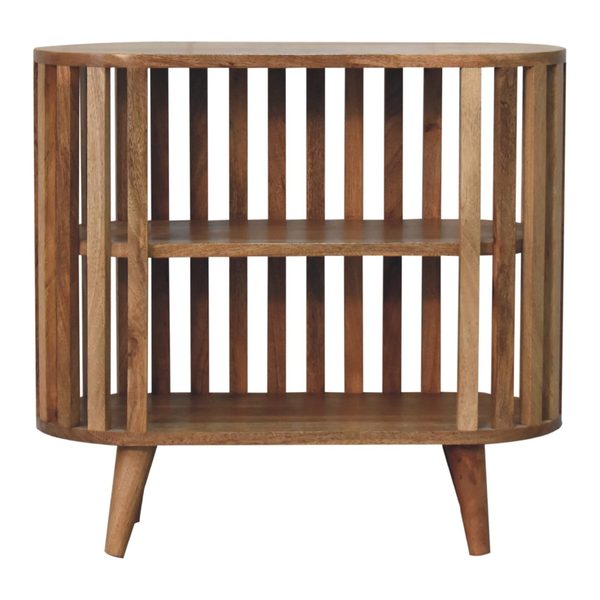
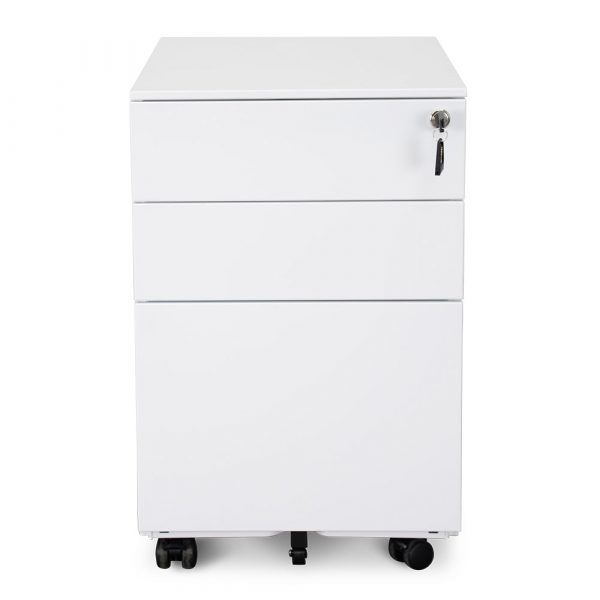
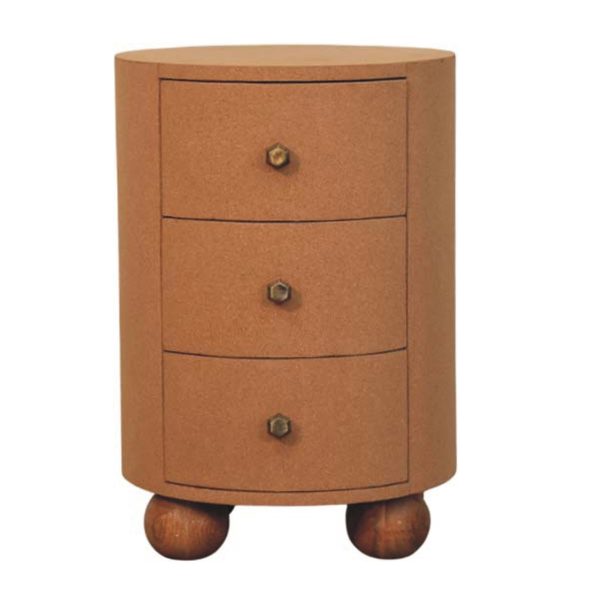
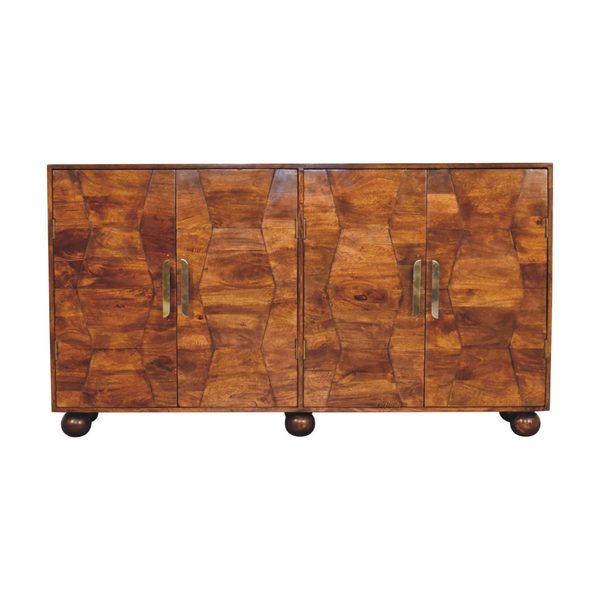
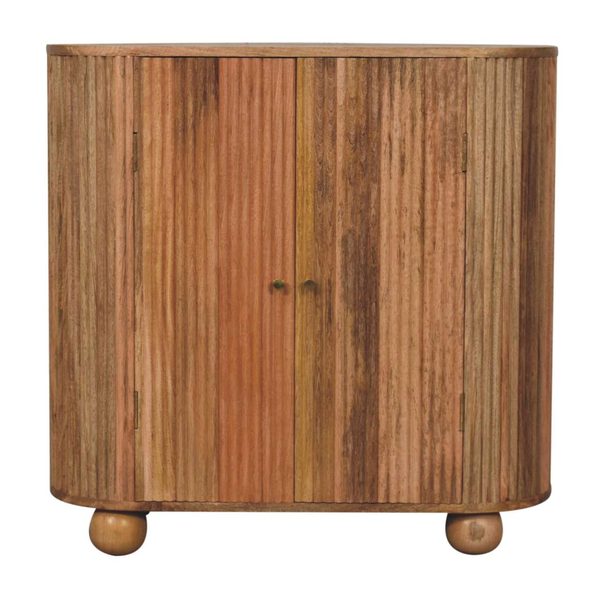
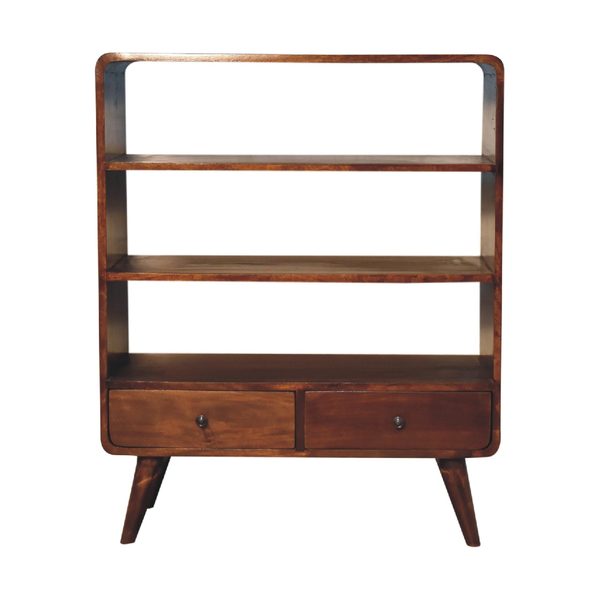
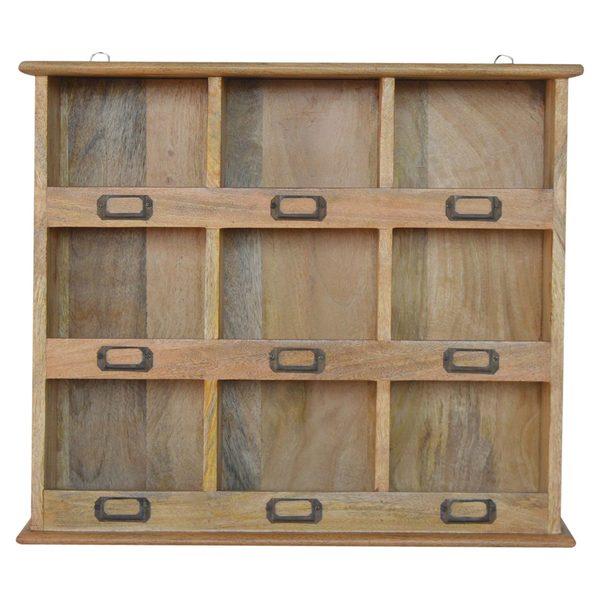
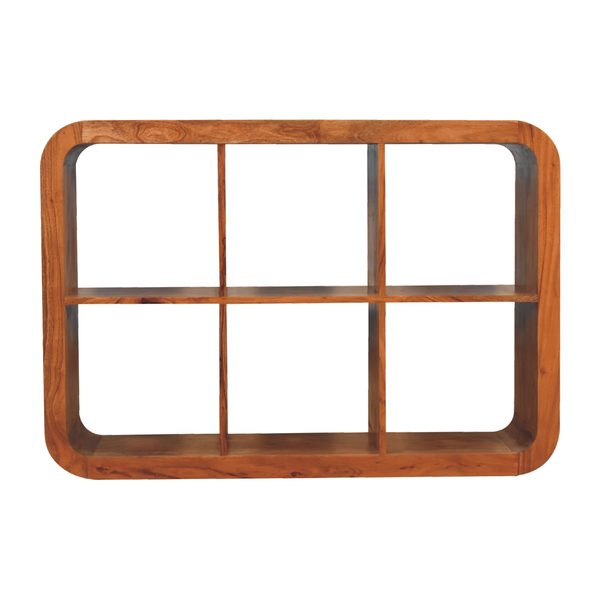
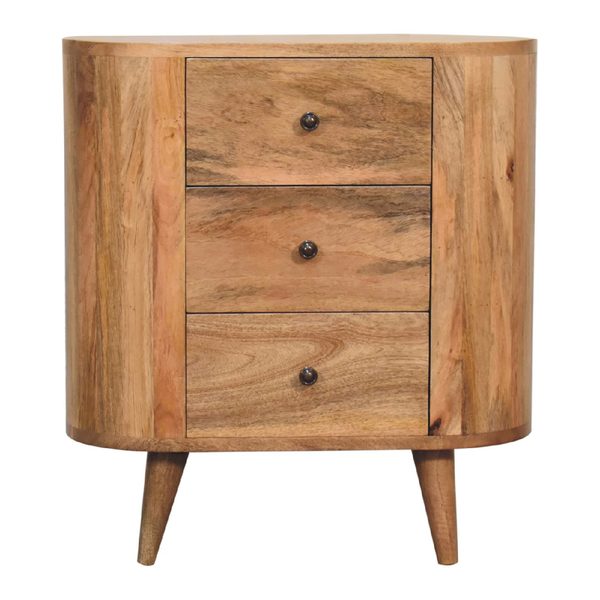
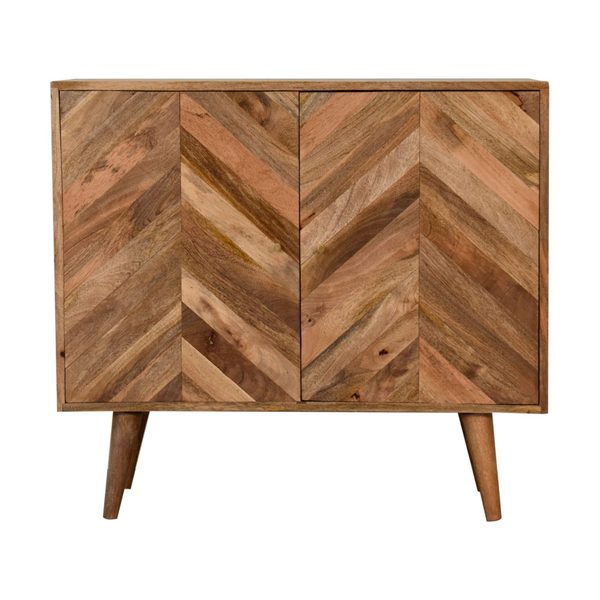
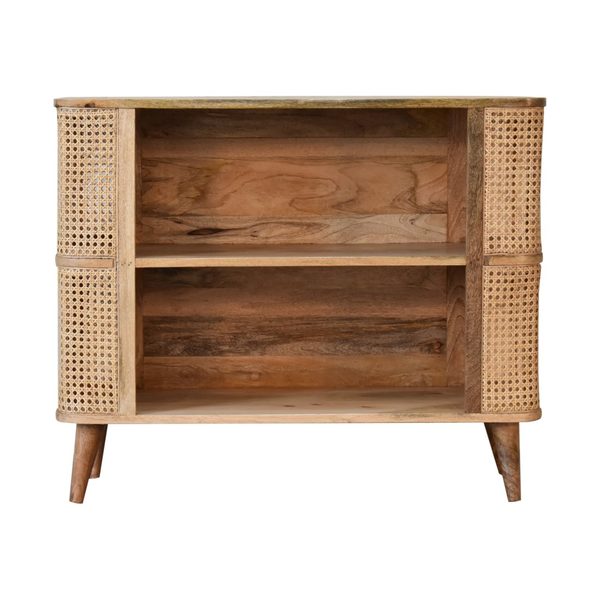
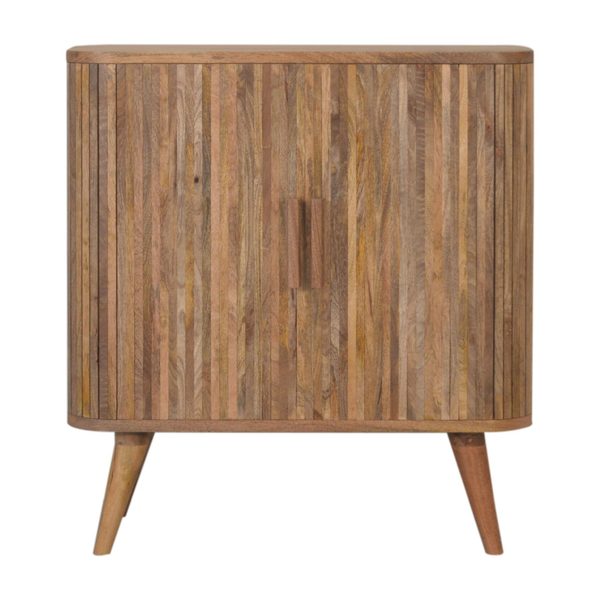
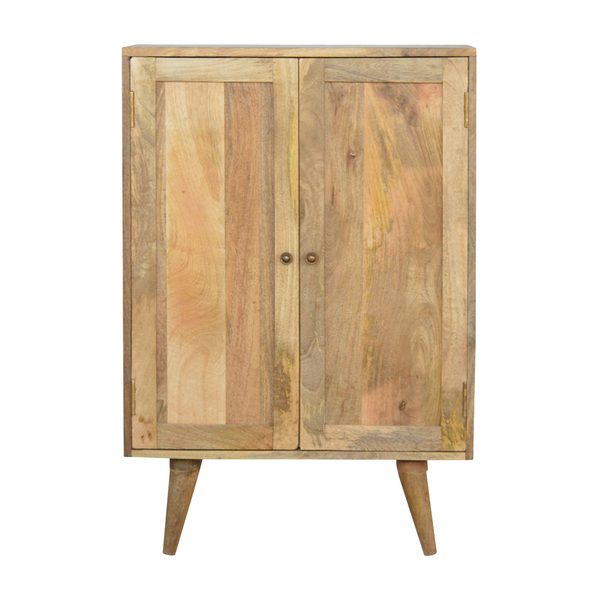
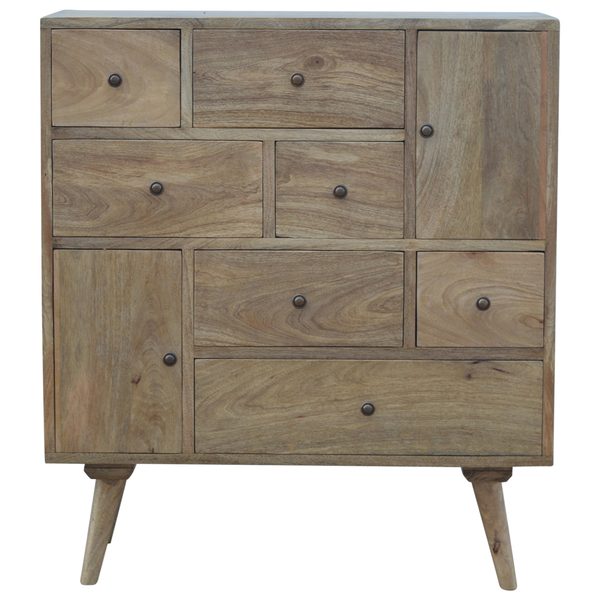
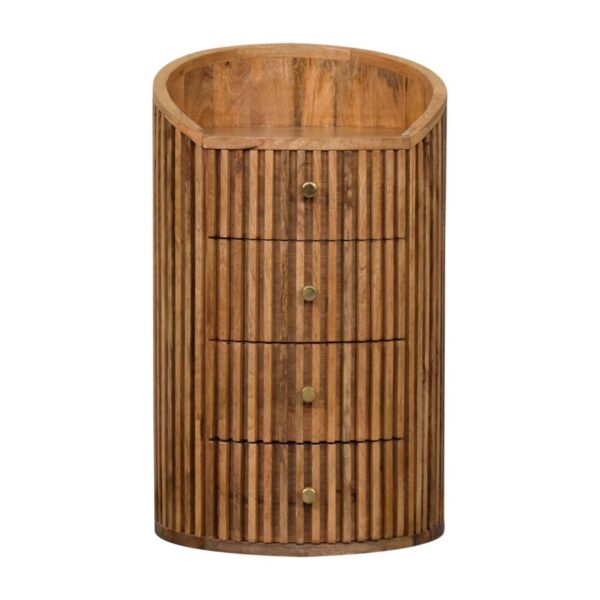
Which items determine the useful internal space?
Measure the larger items and decide whether they need to stand, stack or lie flat. Shelves suit some groups, while drawers create a different access pattern. The outside depth includes structure and doors, so compare usable internal dimensions where supplied.
Check shelf spacing, internal divisions and stated adjustment features rather than assuming flexibility. If a needed dimension is missing, ask before treating the cabinet as suitable. Bedroom storage provides a focused comparison for dressing and textiles, when clothes and bedding are the main contents. Let the stored objects define the useful layout; a larger exterior does not automatically provide better organisation or easier access.
Can the doors open where the cabinet will stand?
Mark the full footprint against nearby walls, furniture and walking routes. Then add the movement needed for doors or other openings described in the product. A cabinet can fit neatly against a wall but still be awkward to use when a door meets a bed or table.
Include handles and any projecting base. Check the delivery and assembly information for the actual design separately from furniture dimensions. Slim cabinets offer a depth-led comparison if the room is narrow, but the usable interior and opening space still need verification. Choose storage you can reach and open in ordinary use, rather than one that only fits as a closed rectangle.
What installation and finish details complete the choice?
Read the assembly and intended installation requirements before placement. Follow any specified securing method and ask about unclear instructions; do not improvise a setup from photographs. The supporting floor, wall relationship and product guidance matter alongside storage capacity.
Then choose a finish that connects with the room. A large cabinet presents more surface than a small accessory, so colour and texture can change the room’s visual weight. Black cabinets focus on a defined dark form, while natural timber cabinets ask a visible-grain question. Read care for doors, handles and the top separately where materials differ. A practical storage solution combines layout, access and a finish you understand.
Frequently Asked Questions
Use storage cabinets for a focused storage-function comparison after the items, internal layout and room access are clear.