
Cabinets with Shelves
Cabinets with shelves work best when the spaces between shelves suit what you put away. Start with taller objects, folded stacks and the items you remove most often. Their height and depth help you choose useful compartments rather than simply count shelves in a photograph.
Read moreRead less
Check the actual layout, internal dimensions and whether adjustment is stated. Shelves may be fixed, and the door opening can affect how easily a wide object is removed. Cabinets with drawers provide another access pattern for smaller groups, while the cabinet and cupboard category helps plan the whole room arrangement. Browse with your stored items’ measurements in mind.
Showing all 12 resultsSorted by recommended
-
-
On SaleOriginal price was: $1,662.00.$1,463.00Current price is: $1,463.00.
-
-
-
-
-
-
-
-
-
-
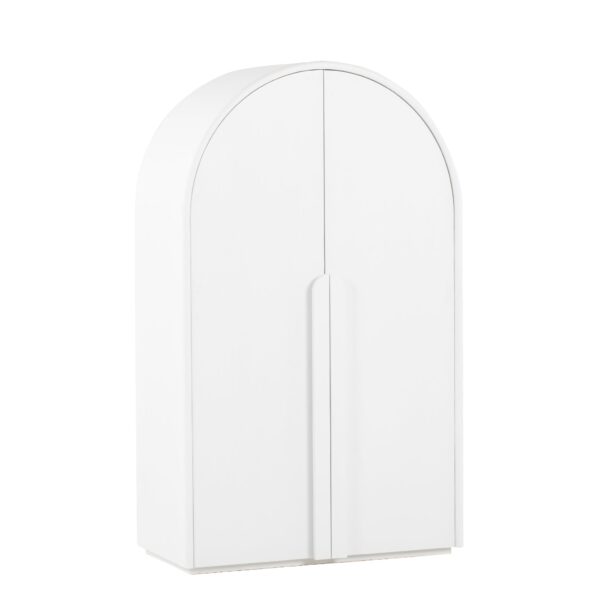

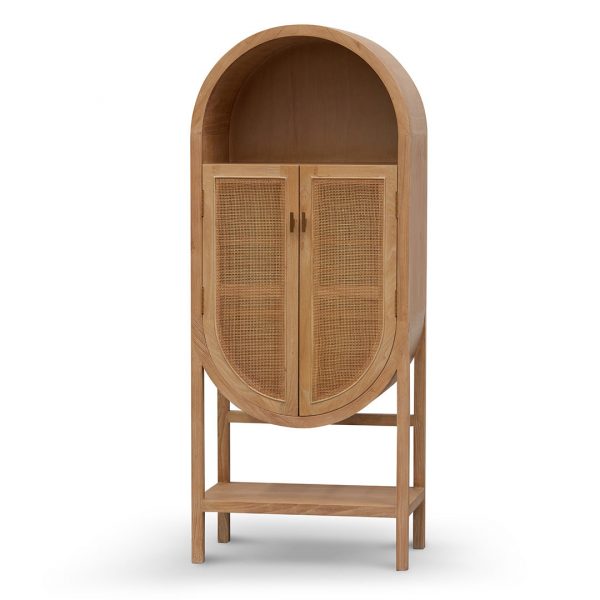
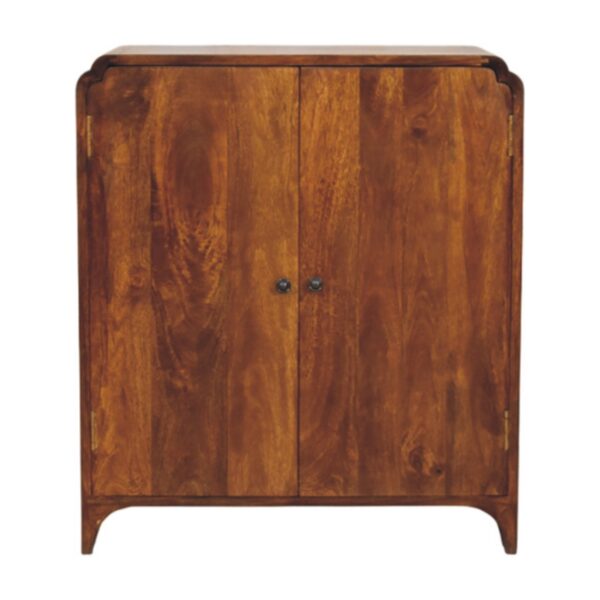
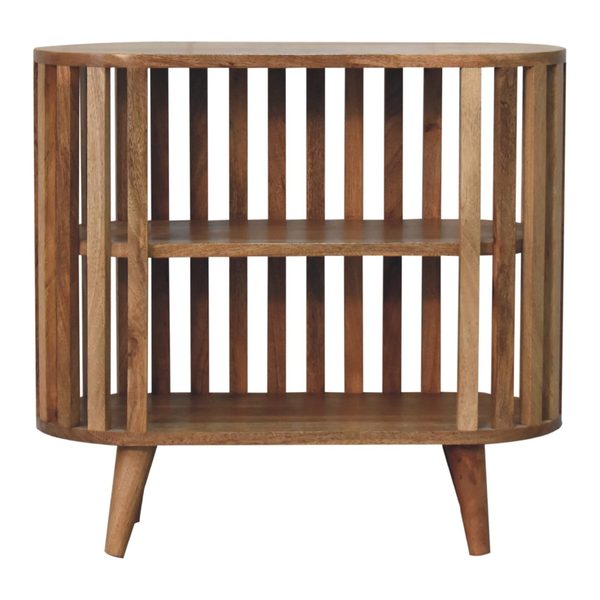
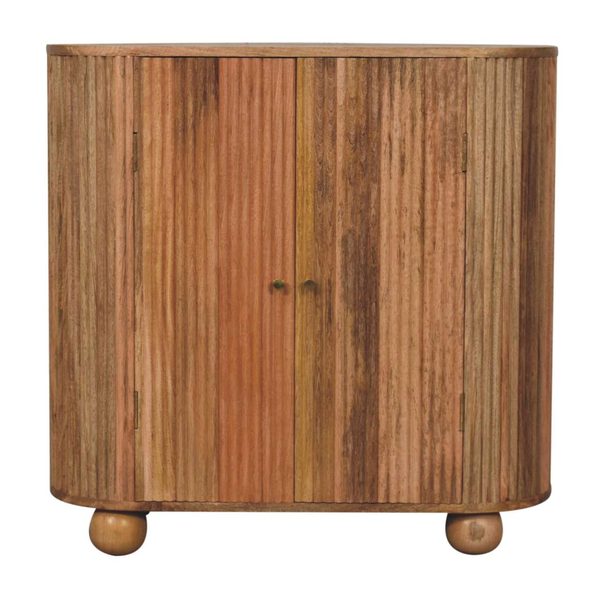
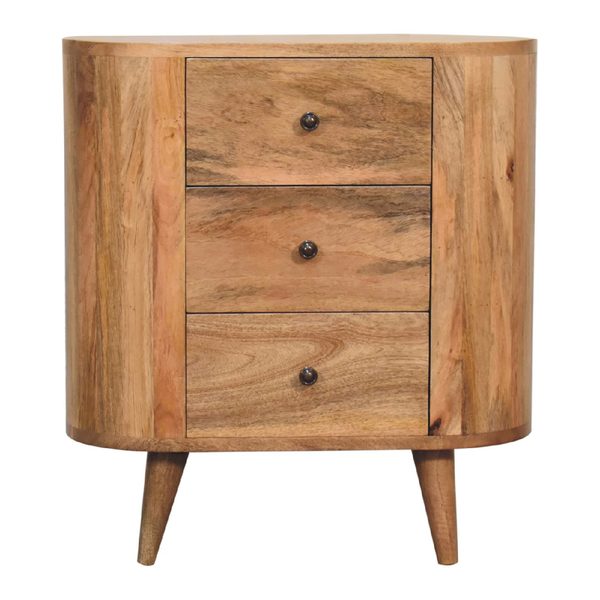
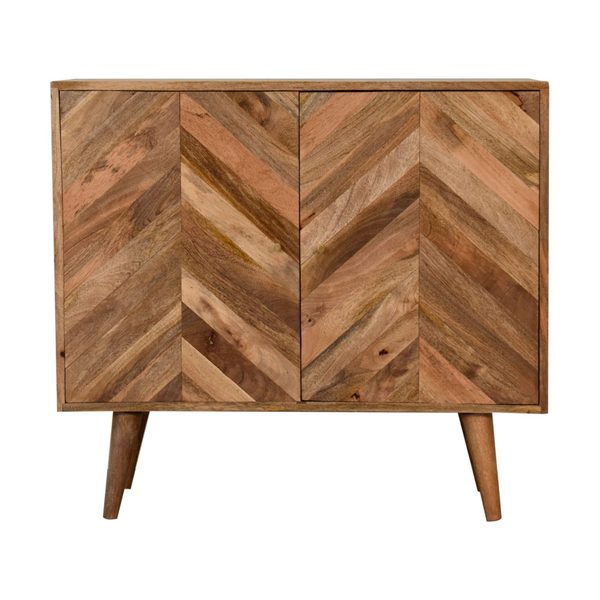
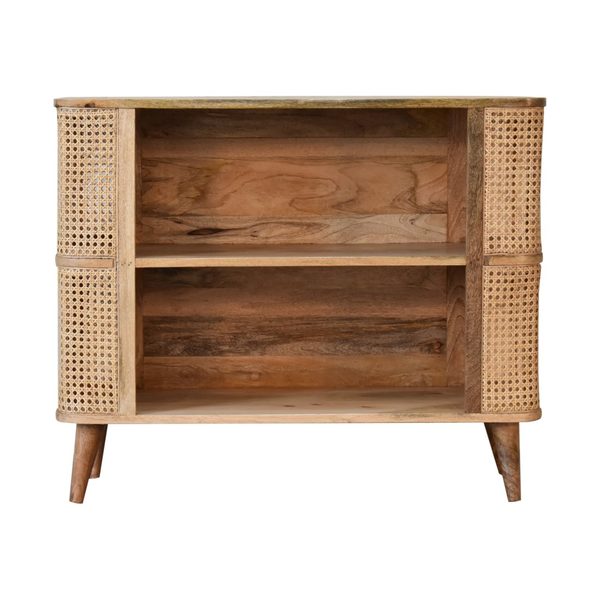
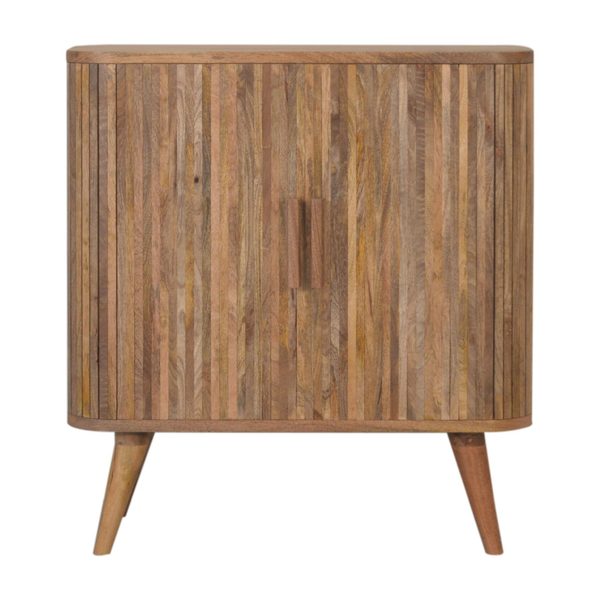
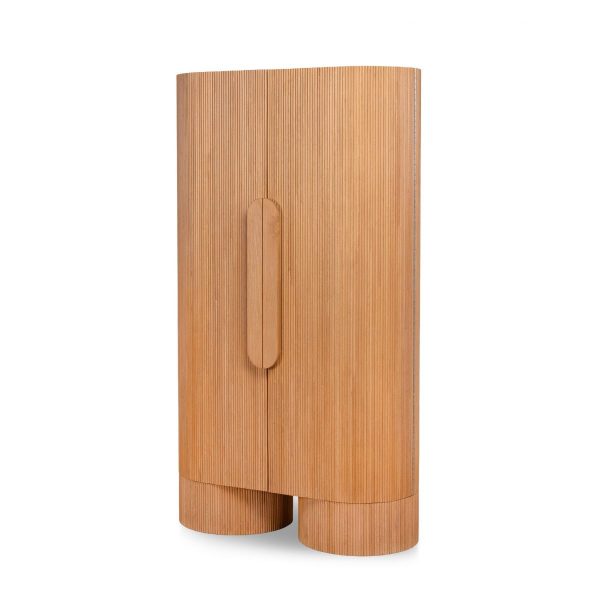
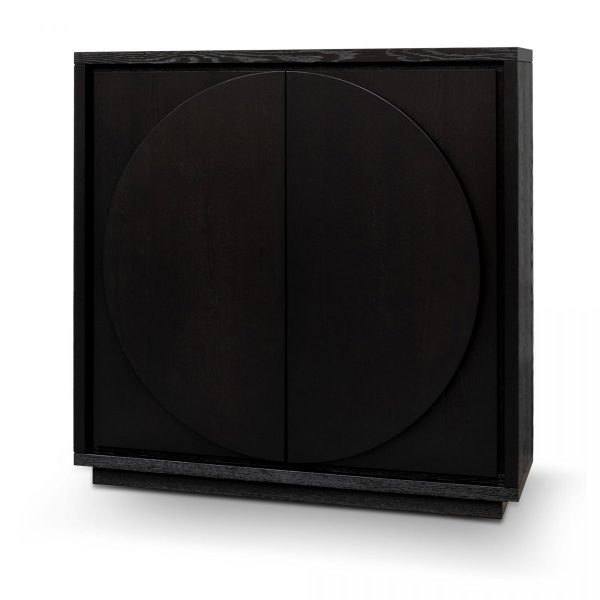
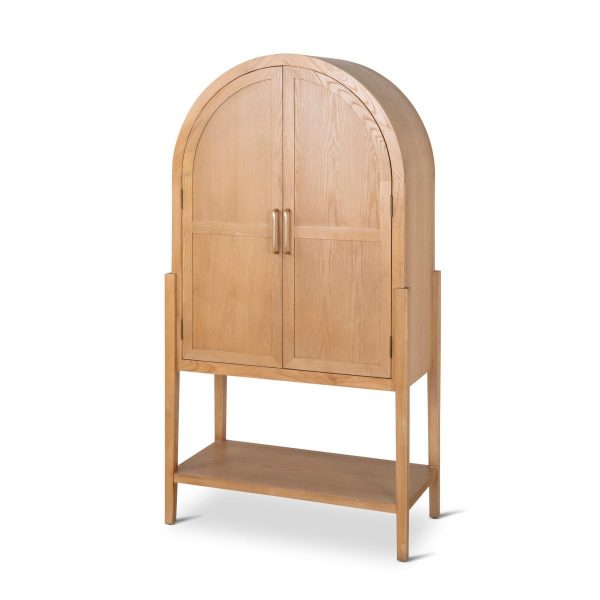
Which shelf gaps suit the objects you store?
Measure taller pieces and the usual height of folded stacks, allowing room to handle them. A compartment that just contains an object may still be awkward to use. Compare usable width and depth as well as the vertical gap, including any internal divisions.
Look at the opening in front of the shelf. Door hinges, partitions or another stated detail may reduce the access available to remove a wide item. Ask for the missing measurement when fit matters. Compare the usable compartment with the opening needed to take the object out. A useful shelf arrangement starts with the actual objects and how they move in and out.
When does shelf adjustment make a real difference?
Adjustment can help when your stored groups change, but only treat it as a feature where the product specifies it. Check the stated positions, internal divisions and any loading guidance. Several shelf levels in an image do not establish that each one can move.
A fixed layout may still suit items with consistent dimensions. Decide whether flexibility is necessary or whether the listed gaps already meet your needs. Bedroom storage provides a focused comparison for folded clothes and bedding; other rooms may need different object sizes. Choose based on the real organisation task rather than assuming adjustable always means more useful.
How can you keep contents easy to reach?
Place frequently used items where you can retrieve them comfortably within the actual cabinet arrangement. Avoid planning deep compartments as tightly packed rows if that would hide everyday objects behind one another. Check the door movement and the standing space in front.
Read assembly, securing and care instructions before placement. Follow the product guidance for securing the cabinet and loading each shelf. If the room is narrow, slim cabinets offer a depth-led comparison, but shallower outside dimensions still need a useful interior. The shelf feature should help organisation while the cabinet remains easy to open, use and maintain in its chosen position.
Frequently Asked Questions
Explore storage cabinets when the next step is planning the full storage task rather than shelf gaps alone.