
Cabinets with Drawers
Cabinets with drawers help you separate items into accessible groups rather than stack everything behind one door. Start with the contents you want to organise, then compare the actual drawer dimensions and arrangement. A wide drawer front can hide a smaller usable compartment inside, so outside size alone is not enough.
Read moreRead less
Plan the opening space as well as the cabinet footprint. You need room for the drawer and for yourself while handling its contents. Cabinets with shelves offer a different way to store taller or stacked items, while the cabinet and cupboard category helps compare the broader room arrangement.
Showing all 12 resultsSorted by recommended
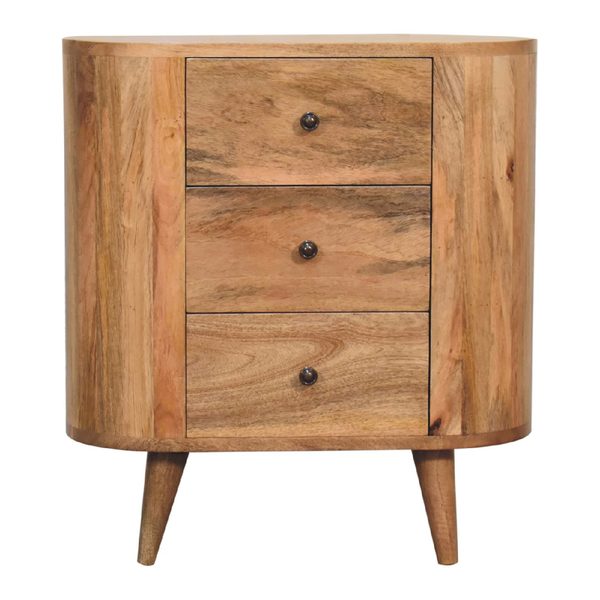

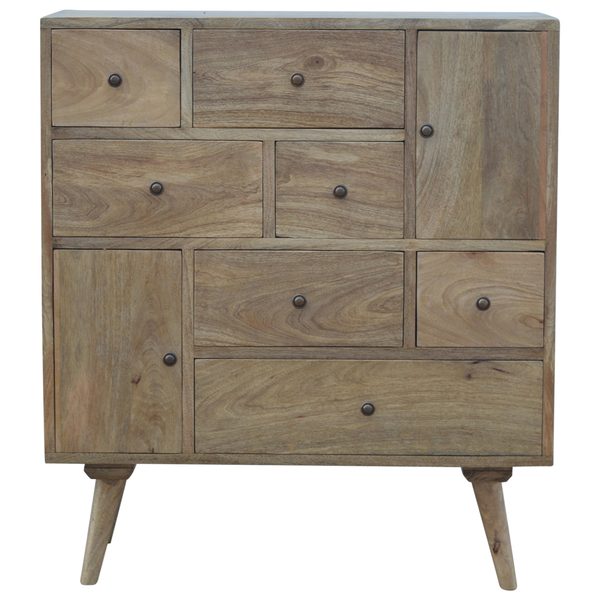
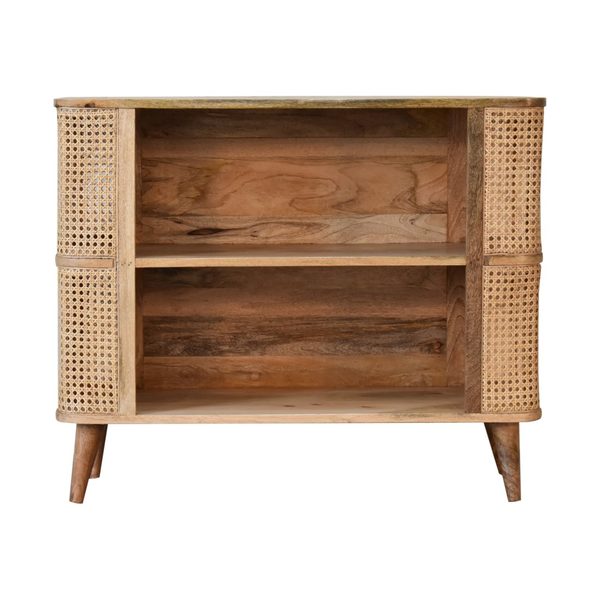
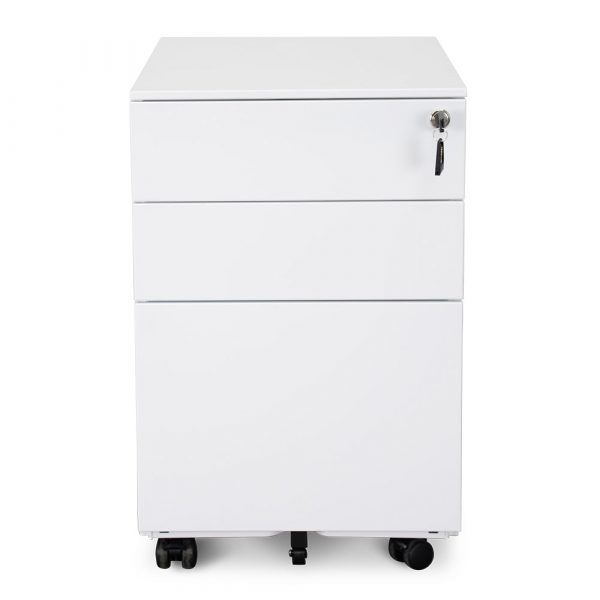
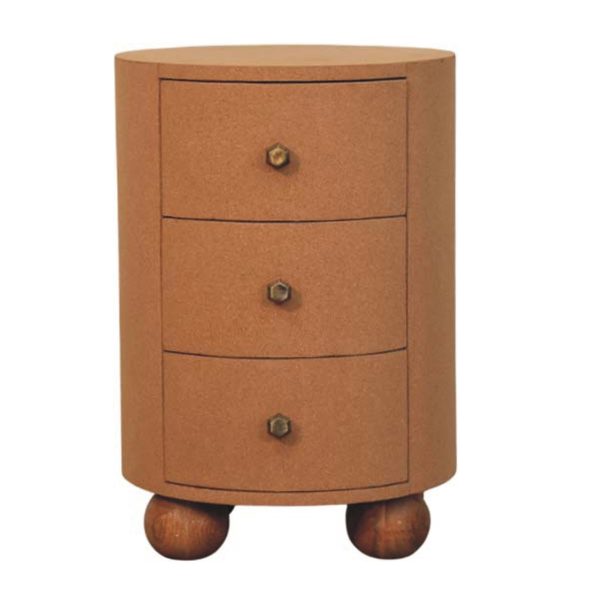
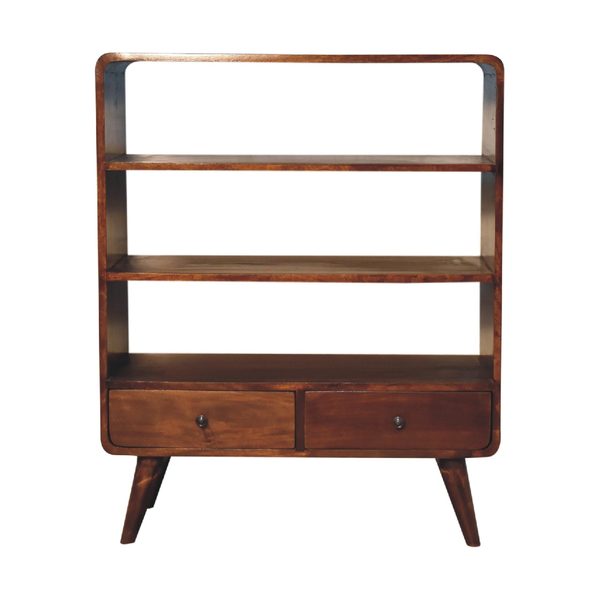
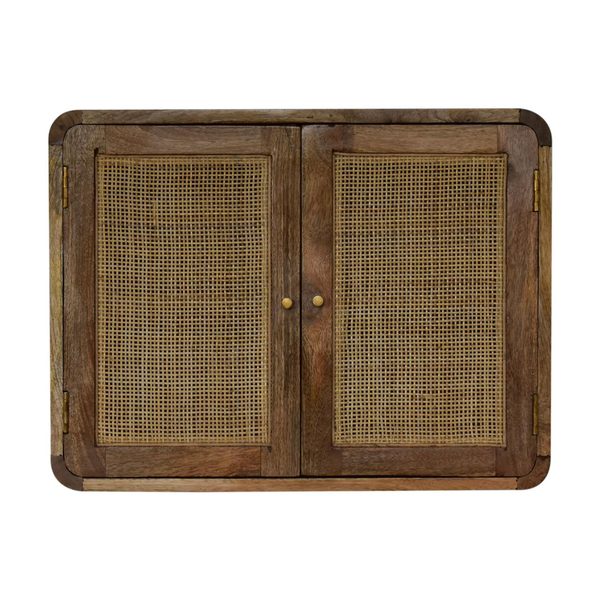
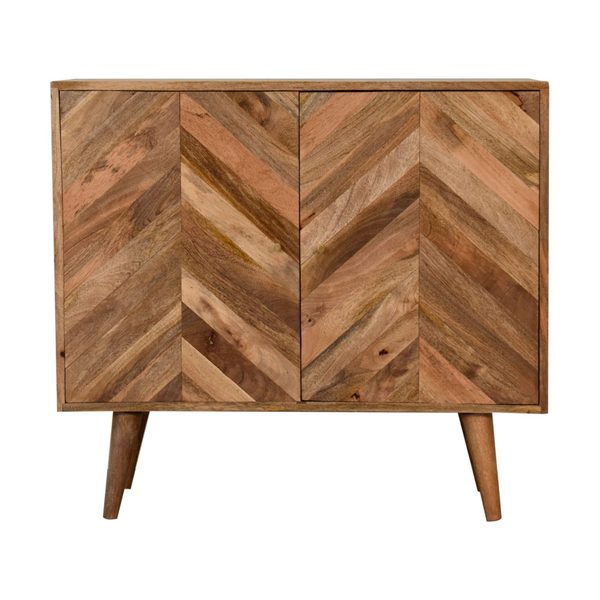
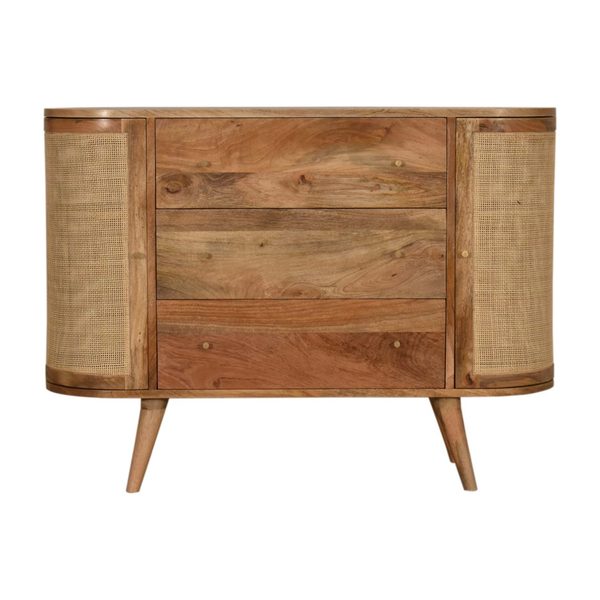
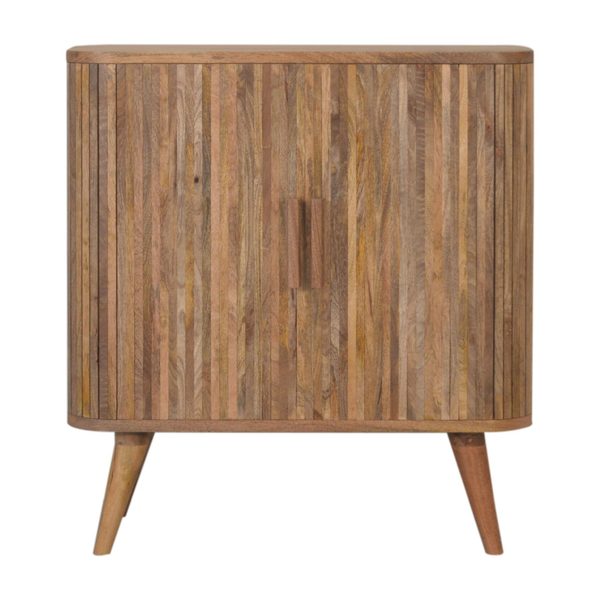

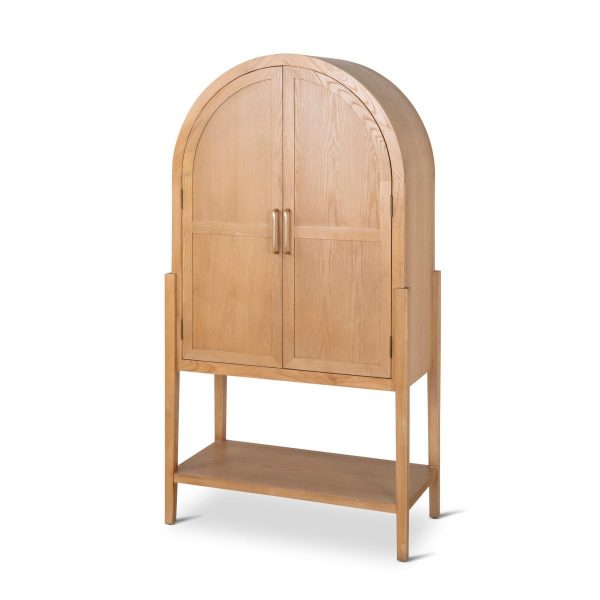
Which items belong in the drawer compartments?
Group contents by how you use them: small everyday objects, folded textiles or another clearly defined set. Measure larger items and compare the usable inside width, depth and height. The drawer front includes structure and may not describe the available space.
Check the number and arrangement of drawers stated for the product, including any combination with cupboards or shelves. Do not assume dividers, liners or organisers are supplied. A useful drawer layout should make contents easier to find and remove, not merely add more front panels. If the required inside dimensions are missing, ask before treating the cabinet as suitable for a particular item group.
Can each drawer open fully in the chosen position?
Add the actual drawer movement to the cabinet footprint and include space for a person to stand. Nearby beds, tables and other furniture can make access awkward even if the closed cabinet fits comfortably. Check the full base, handles and any other projections too.
Read the described opening mechanism rather than assuming full extension, soft closing or another feature. Follow the product’s stated use and loading guidance for each drawer. Bedroom storage provides the focused comparison when dressing and bedding are the main tasks. The front-access benefit depends on a workable room arrangement; a drawer that is difficult to reach can defeat the organisation you wanted.
When is a mixed drawer-and-cupboard layout more useful?
Drawers suit some smaller or folded groups, while taller objects may need a different compartment. Compare the actual internal divisions with the contents rather than expecting every cabinet with drawers to have the same storage pattern.
If shelves are included, verify whether they are fixed or adjustable and check their usable gaps. Keep those features accurate in your comparison. Read assembly, securing and care instructions for the complete cabinet, including front touch points. Storage cabinets offer a broader function-led view if the drawer feature is only one part of your brief. Choose the arrangement that supports daily retrieval, with appearance completing a layout you understand.
Frequently Asked Questions
For a depth-led problem, compare slim cabinets while preserving the usable drawer and front-access requirements.