
Vases & Decorative Pots
Vases and decorative pots should suit what you want to place in them, or work as a deliberate empty form. Begin with that purpose: fresh stems, a dry arrangement, a specified plant container or a decorative object alone. A vessel-shaped outline does not establish water holding, drainage or any other practical use.
Read moreRead less
Then compare the opening, body and position in the room. The same piece can look generous on a sideboard and interrupt a small table. Choose the opening for the contents first, then mark the full display where it will stand before matching colour. Browse any listed vessels by their actual use and dimensions, or explore decorative accessories if a contained vessel is not needed for the display you have in mind.
Showing all 16 resultsSorted by recommended
-
-
On SaleOriginal price was: $242.00.$213.00Current price is: $213.00.
-
-
-
-
-
-
-
-
-
-
-
-
-
-
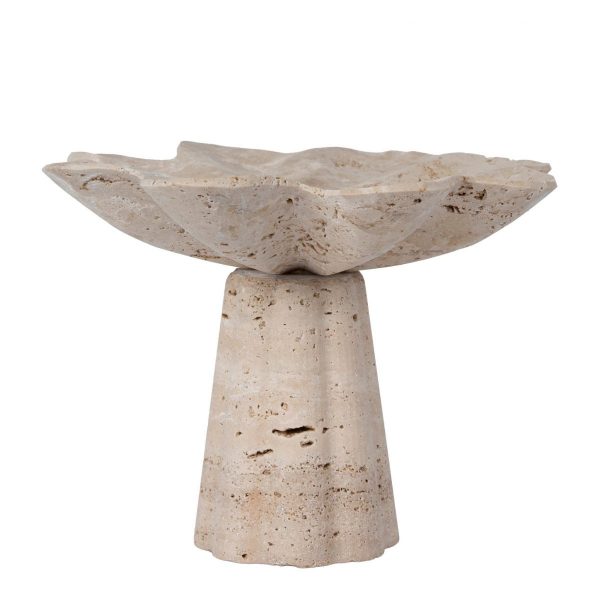

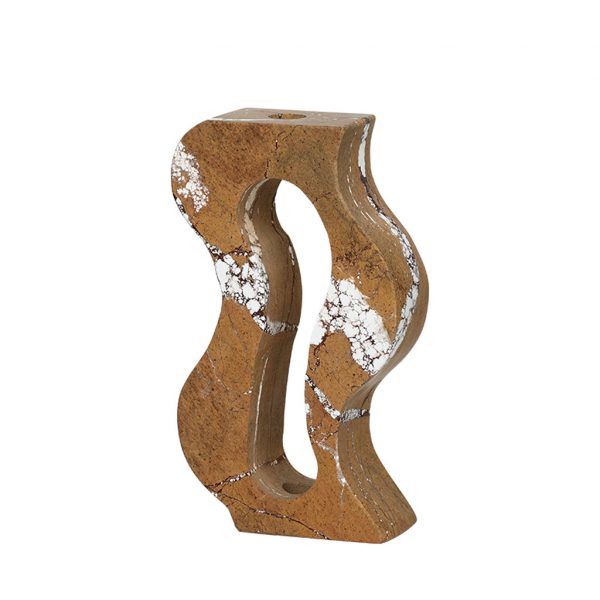
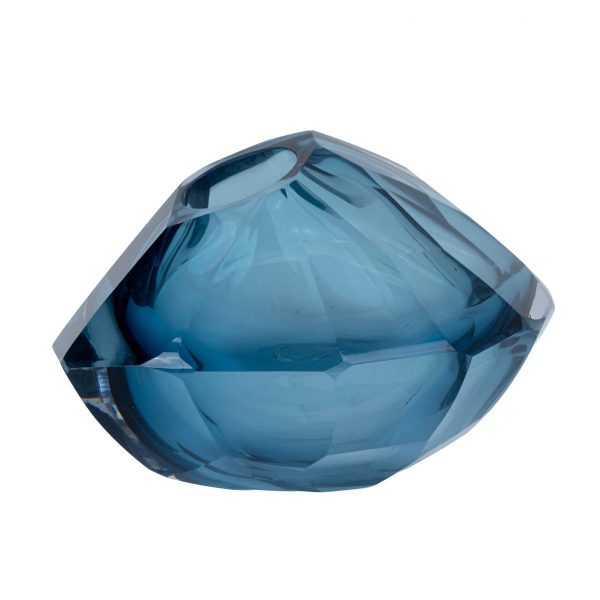
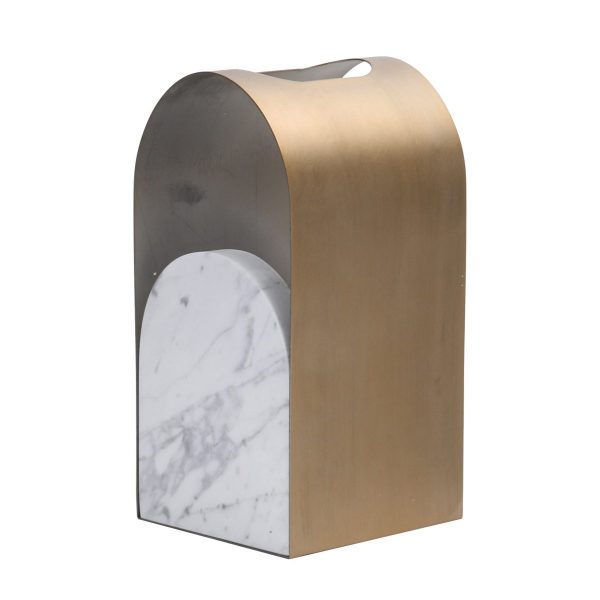
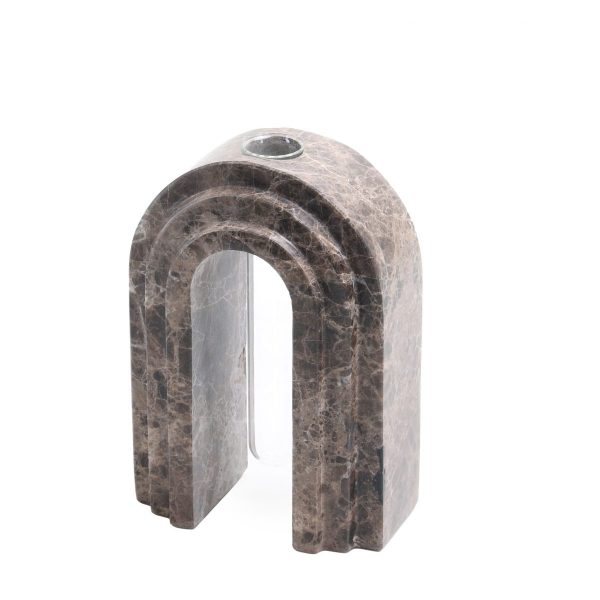

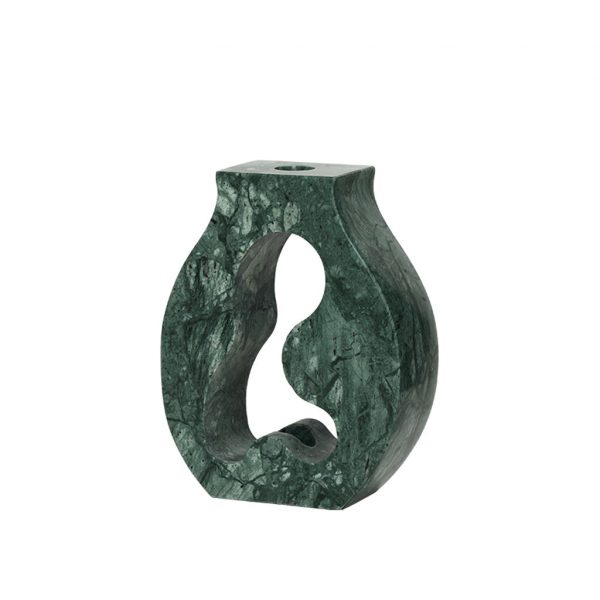
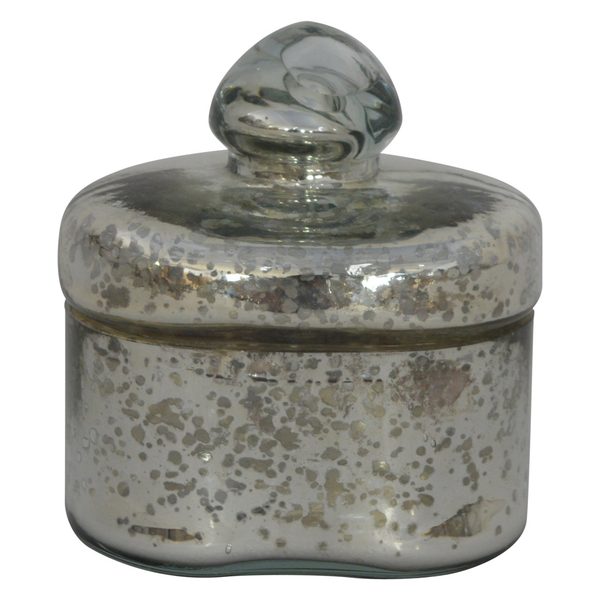


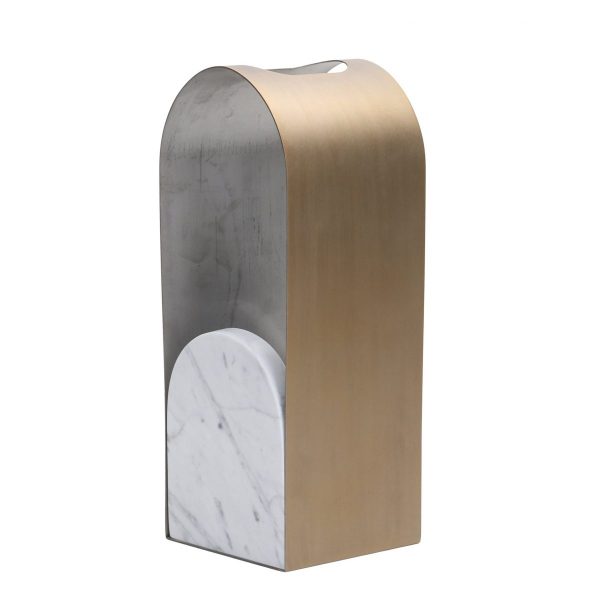
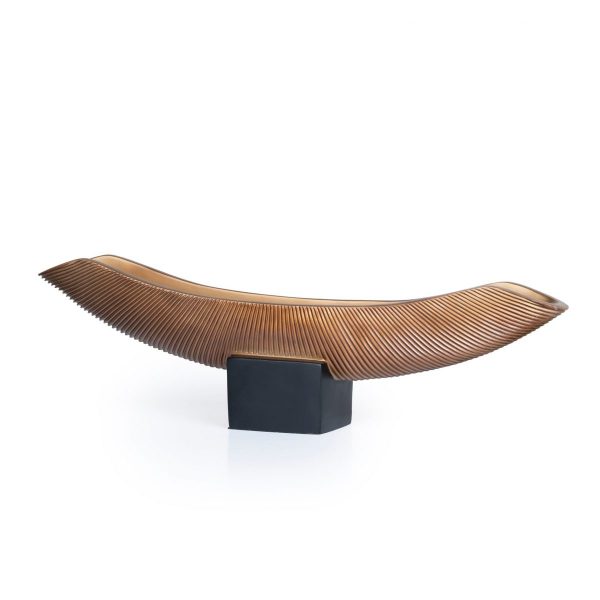


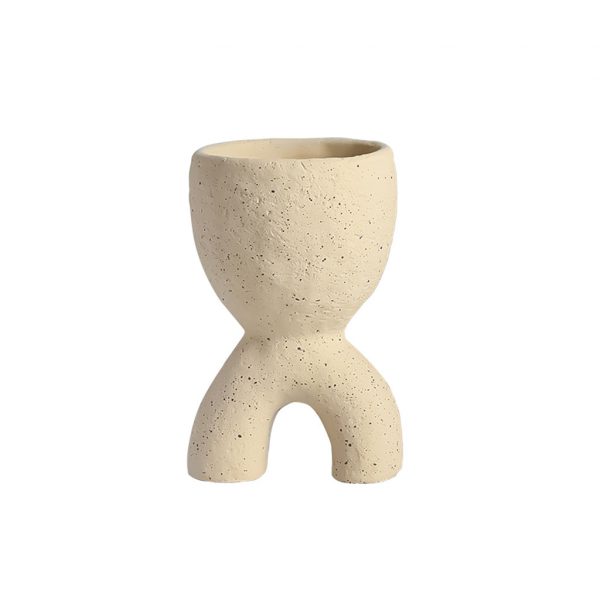
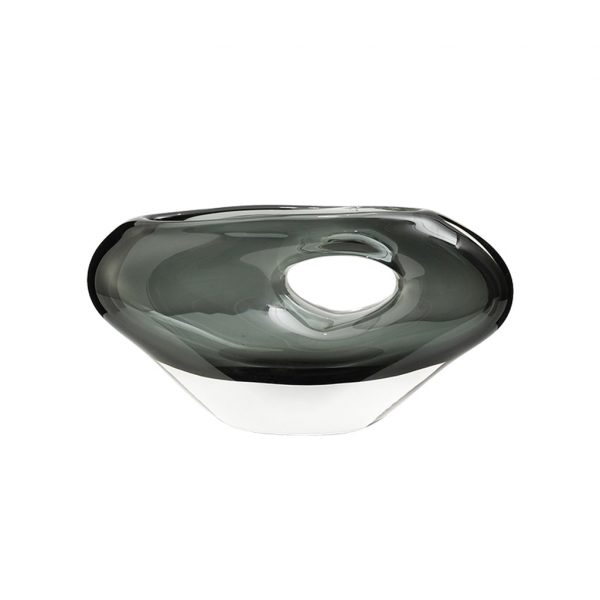
Choose the vessel around its real contents
Settle whether the piece will hold stems, act as a decorative cover for an expressly suitable container or stand empty. Read the selected item’s allowed use. Neither the word vase nor pot confirms water resistance, drainage or direct planting suitability.
For an arrangement, compare the actual opening and interior with the volume of stems or other permitted contents. A broad outer body may still have a narrow neck. The vases and pots guide helps compare grouped forms when several pieces will share a surface. Choose the useful vessel first, rather than plan a flower or plant function from appearance and discover later that its interior was never intended for that role.
Fit the silhouette to the furniture and view
Mark the base, body height and intended arrangement above it. Check the main view from the room entrance and from nearby seating. A decorative silhouette should remain clear while leaving the surface’s ordinary tasks practical.
Compare tabletop vases when the piece will sit near dining places or daily objects. On a deeper cabinet, consider the outline against the wall and neighbouring display. Choose height and width together instead of assessing one maximum measurement. An attractive tall vessel can still have a base or arrangement that takes too much of the useful surface, so include the complete display before choosing its scale.
Compare material character and actual care
Read the vessel’s stated material and finish, including any lining or insert expressly supplied. Transparent glass, stone and coloured finishes create different visual relationships with stems and the room. Their care and allowed contents need to be confirmed individually.
Explore glass vases for visible stems, or marble vases when stone pattern belongs to the display. Choose a material through the actual use and upkeep as well as appearance. For fresh stems, keep confirmed water use and an opening you can maintain in the comparison. For a dry or empty form, judge the complete silhouette and remaining surface space. Choose the role that works in that position before settling the material.