
Mirrors
Mirrors should be chosen for what you need to see and the view they introduce to the room. Start with the intended task, then compare the reflective area and full frame dimensions. A generous outer size can contain less useful mirror area than its outline suggests.
Read moreRead less
Look at what the mirror will face, not only the wall where it sits. Furniture, windows and everyday room details become part of that reflected view. Round mirrors and rectangular mirrors refine shape, while timber mirrors focus on the frame material. Confirm the product’s intended installation before choosing a location or assuming a displayed leaning arrangement is appropriate.
Showing all 2 resultsSorted by recommended
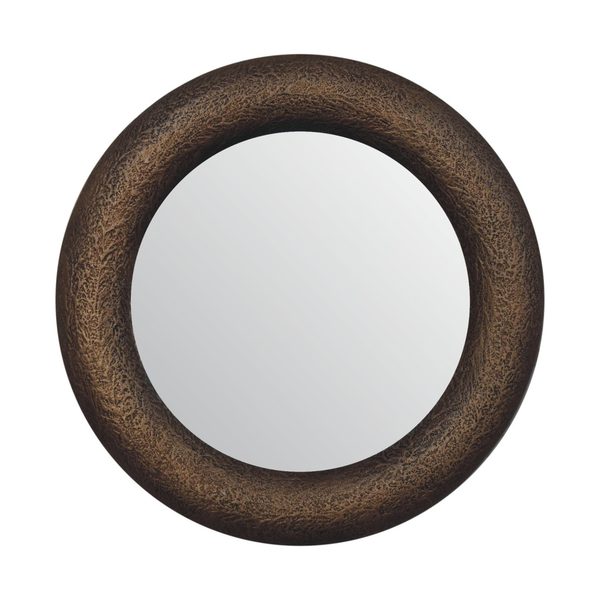

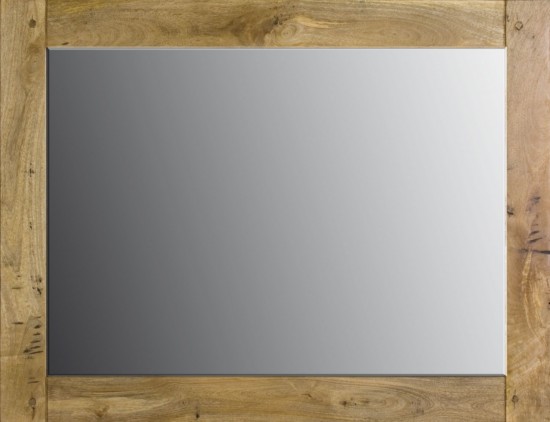
What do you need to see in the mirror?
Define the actual viewing task and the position from which you will use it. Compare the useful reflective dimensions with that need rather than outside size alone. Frame width, shape and placement can change the visible area.
Consider the person’s view and the surrounding room as well. A mirror used mainly as a wall feature has different priorities from one chosen for a particular everyday reflection. Decorative mirrors offer a closer finishing comparison where that is the purpose. Use actual dimensions and the intended location to choose, without inferring one viewing function or installation format from a styled photograph.
Do the shape and reflected view belong with the wall?
Measure the available wall section and compare the full frame with furniture below or nearby. Decide whether the outline should repeat straight lines or provide another shape relationship. Include windows, doors and existing wall details rather than judge the mirror in isolation.
Then look across the room at what will appear in the reflection. A mirror can introduce another view of the same objects, so the facing arrangement matters too. Square mirrors provide one contained geometric comparison. Choose proportions from the actual wall and reflection rather than assuming a larger mirror automatically improves every room or makes every space feel different in the same way.
Which installation and care requirements need checking first?
Read the intended fixing or standing method, orientation and any supplied parts. Do not assume a wall mirror can lean, rotate or stand safely without the product’s guidance. Confirm requirements with an appropriate installer where needed for the actual wall and design.
Keep frame care separate from the mirror surface, especially when materials differ. Mango wood mirrors provide a named-frame comparison if that timber matters to the room. Useful reflection, full scale and a suitable installation should work together before finish completes the choice. A decorative photograph should not leave the practical setup as an unexplained afterthought.
Frequently Asked Questions
Explore decorative mirrors after the practical reflection and installation are clear, to refine the wall’s finishing role.