
Timber Mirrors
Timber mirrors are a frame-construction choice alongside a useful reflection. Read which component uses wood and how it is described, keeping solid timber, veneer or mixed materials accurate. The frame should not establish every other part of the mirror or its fixing method.
Read moreRead less
Then compare the full outline and reflective dimensions with the wall and task. A broad wood border has a different room presence from a contained one, and outside size alone cannot describe the mirror area. Mango wood mirrors offer a more specific named-timber comparison. Choose the wood frame with actual finish, care and installation beside its room relationship.
Showing all 2 resultsSorted by recommended
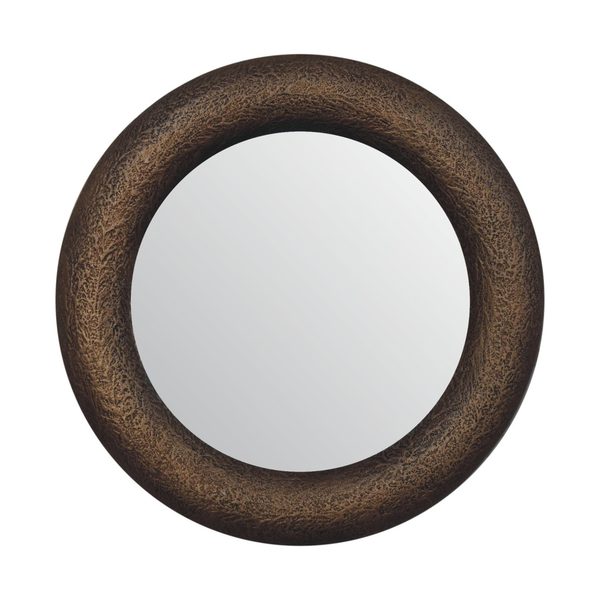

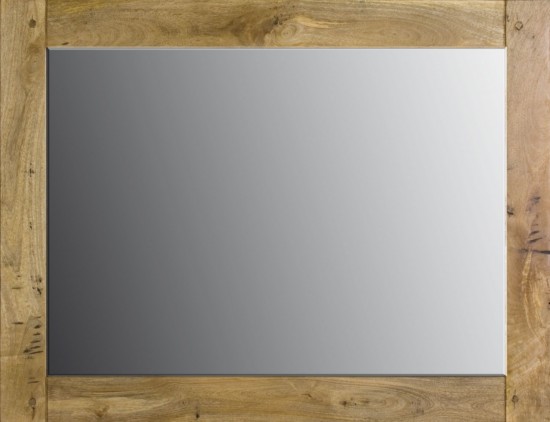
Which parts of the frame are timber?
Read the relevant frame or border description and any construction distinctions. A grain-like or brown photograph should not establish timber by itself. Other components, including backing and fixings, need their own information.
Do not infer origin, sourcing certification or an all-solid construction from a wood label. Available side and rear views can support the written specification, without replacing it. Compare the stated border construction with the visible side and corner details, then ask about any frame component whose material is unclear.
How much wood should surround the useful reflection?
Compare full width and height with the reflective area, using actual dimensions where supplied. A wider border contributes more material but may leave a different viewing space inside. Define the everyday task before choosing from frame appearance.
Assess tone, grain and scale beside the floor and furniture. Shared warmth or a deliberate contrast can work without an exact match. Round mirrors and rectangular mirrors provide shape comparisons, with the individual construction still checked. The frame should give the reflection a clear place in the room rather than become the reason to overlook whether the useful area fits the viewing need.
Which fixing and finish care work for the whole mirror?
Follow the actual installation and orientation guidance. Timber does not establish that a mirror can lean, rotate or hang with one universal fixing method. Confirm requirements for the chosen wall and design with an appropriate installer where needed.
Read the applied wood finish’s care separately from the reflective surface. Do not choose oil, sprays or another treatment solely because the frame contains timber. The mirror category covers broader reflection and wall proportion checks. Choose wood character on a mirror whose practical support and viewing role are settled, keeping maintenance accurate rather than borrowed from another wood product.
Frequently Asked Questions
Explore square mirrors for another frame-to-reflection proportion after the timber specification is clear.