
Desks
Desks should give your work equipment a useful surface and your body a comfortable place to sit. Start with the actual tasks and items used each day, then compare working width and depth. A desk that fits a wall can still leave too little room for the equipment, papers and reach you need.
Read moreRead less
Check legroom beneath the top and how a chair moves within the full arrangement. Read any storage, adjustment or cable feature in the individual description rather than assuming it. Office desks offer a focused work setup comparison, while home office storage addresses belongings that may be better put away instead of occupying the desk.
Showing 1–24 of 30 resultsSorted by recommended
-
-
Week’s PickOriginal price was: $2,439.00.$2,024.00Current price is: $2,024.00.
-
Week’s PickOriginal price was: $1,689.00.$1,402.00Current price is: $1,402.00.
-
-
-
-
-
-
-
-
-
-
-
-
-
-
-
-
-
-
-
-
-
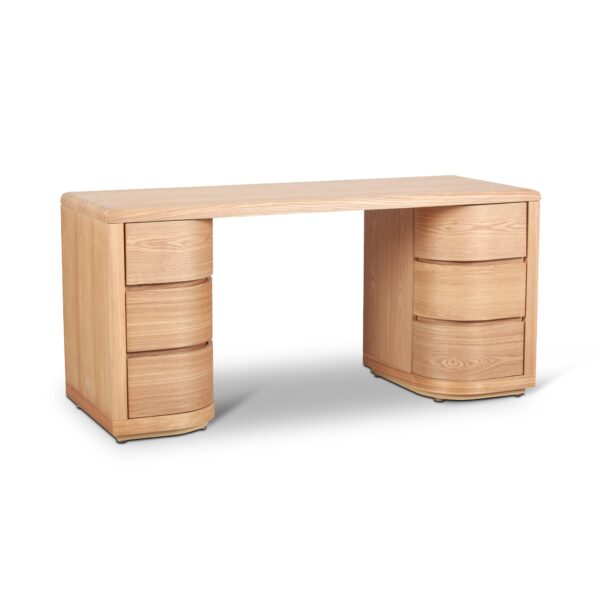

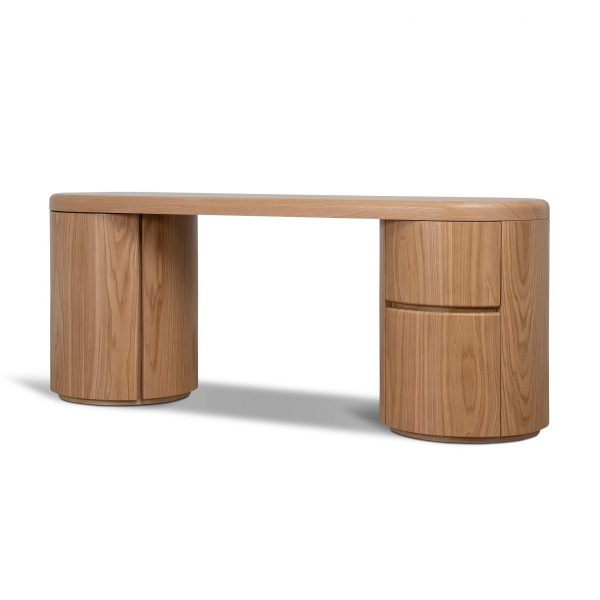
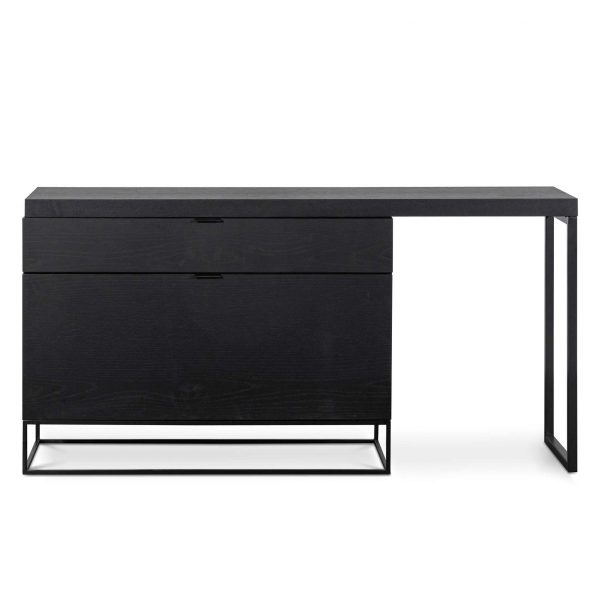
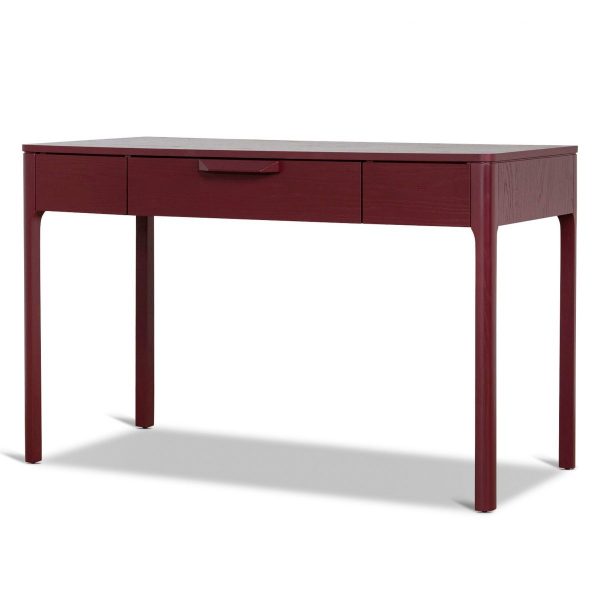
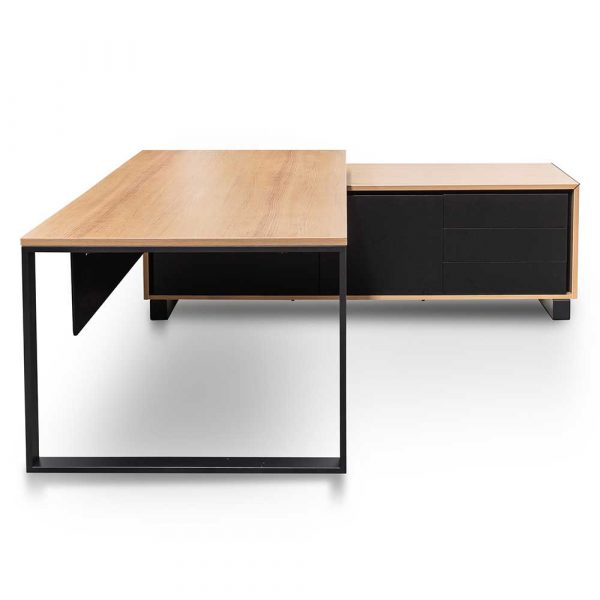
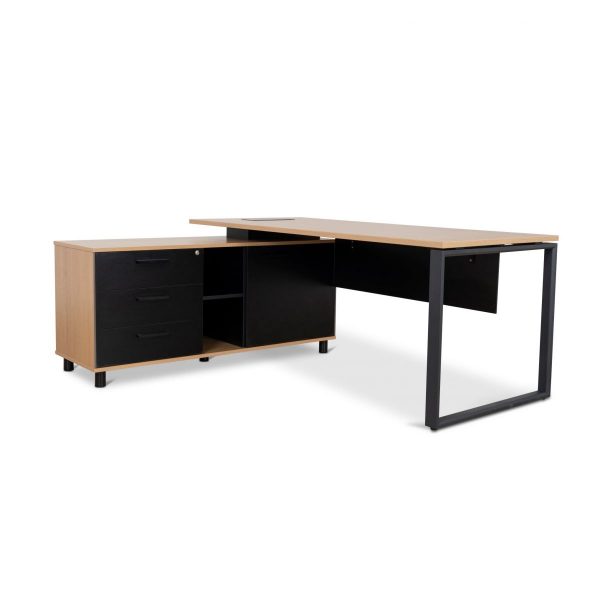
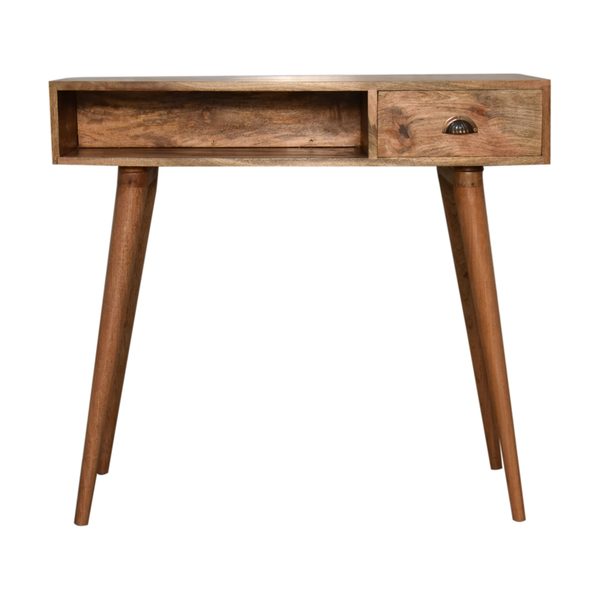
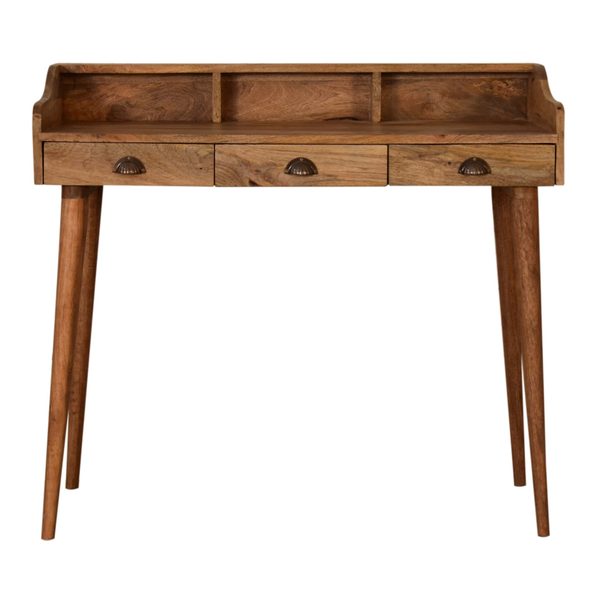
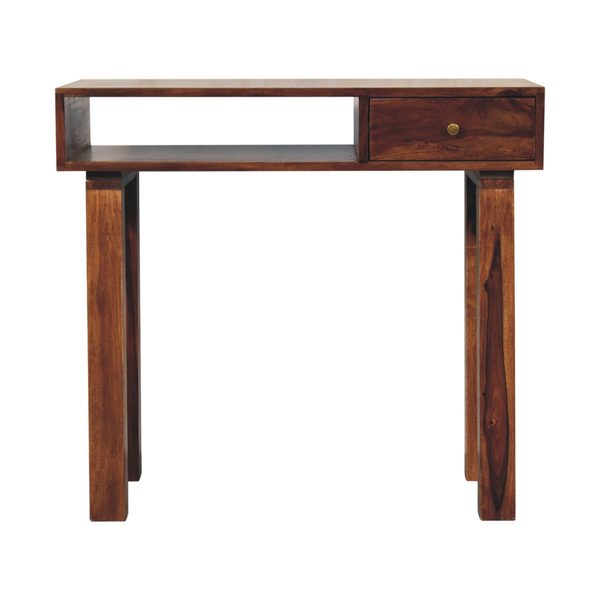
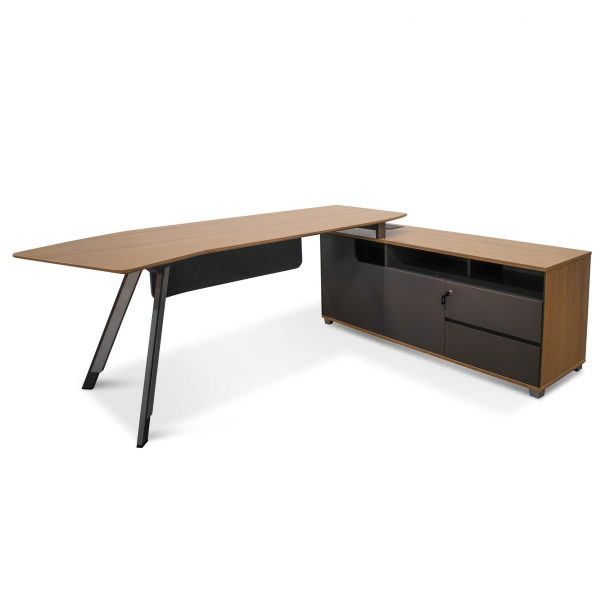
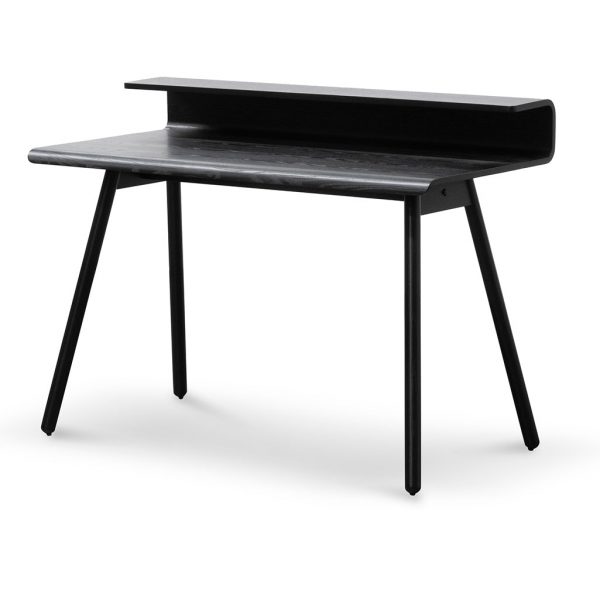
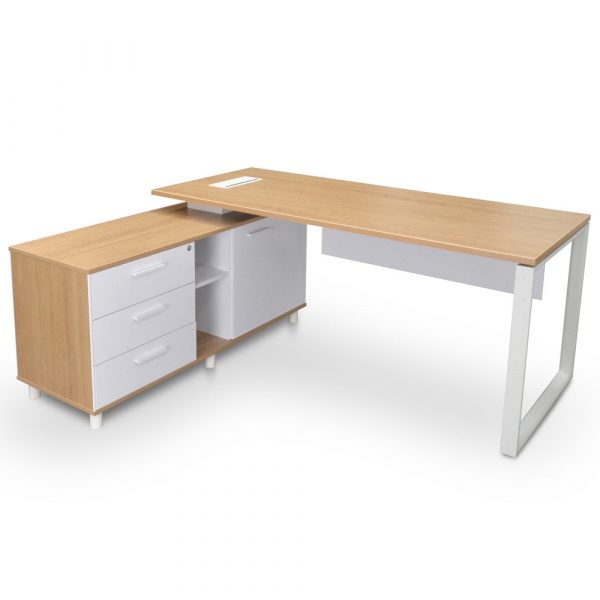
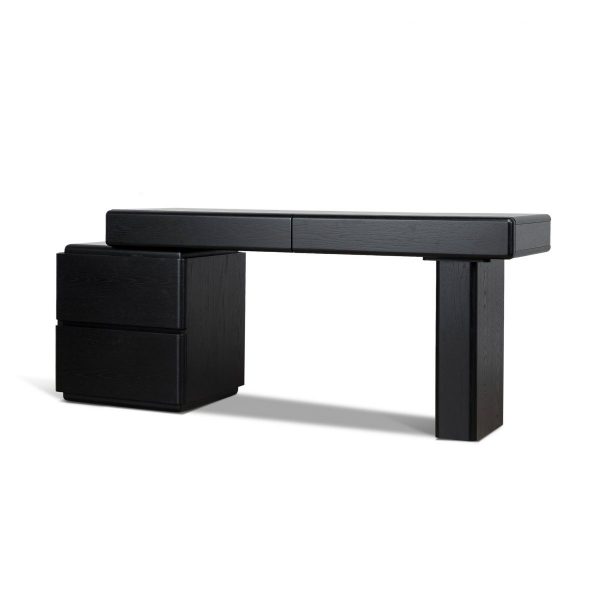
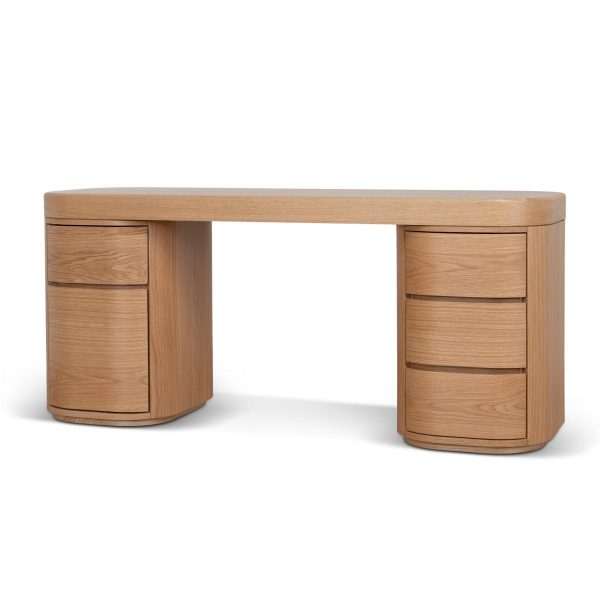
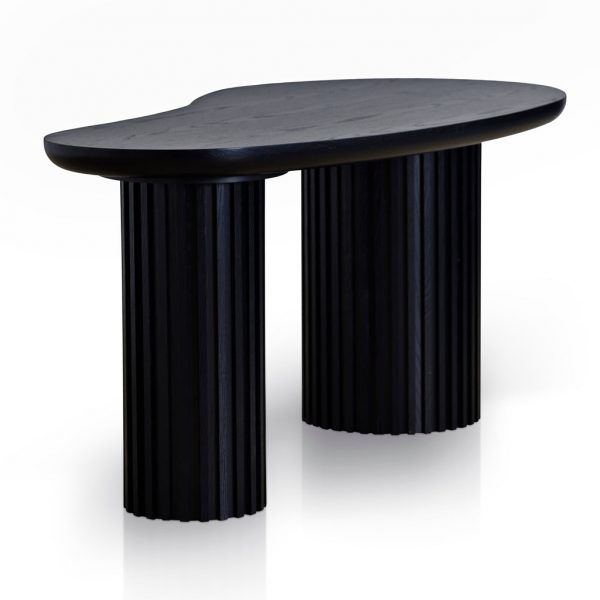
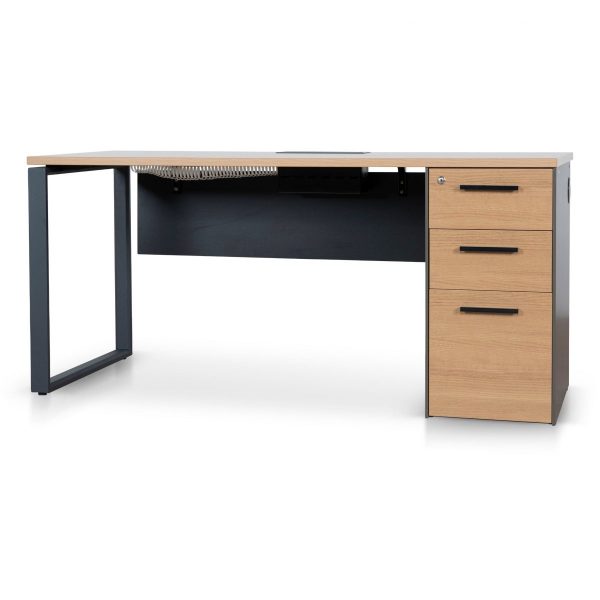
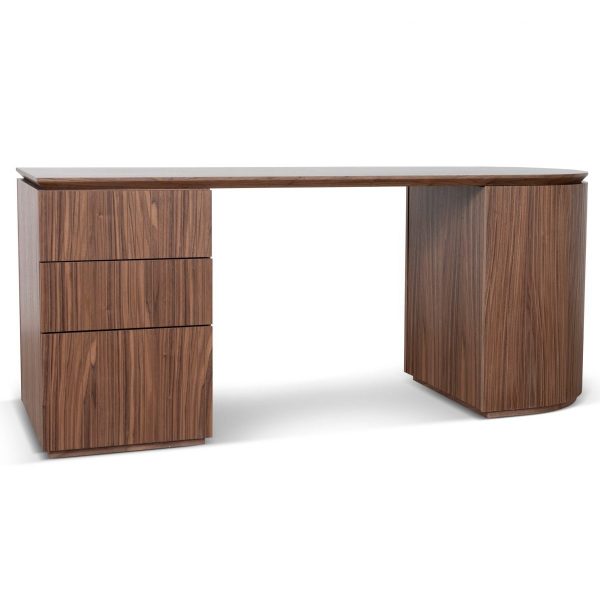
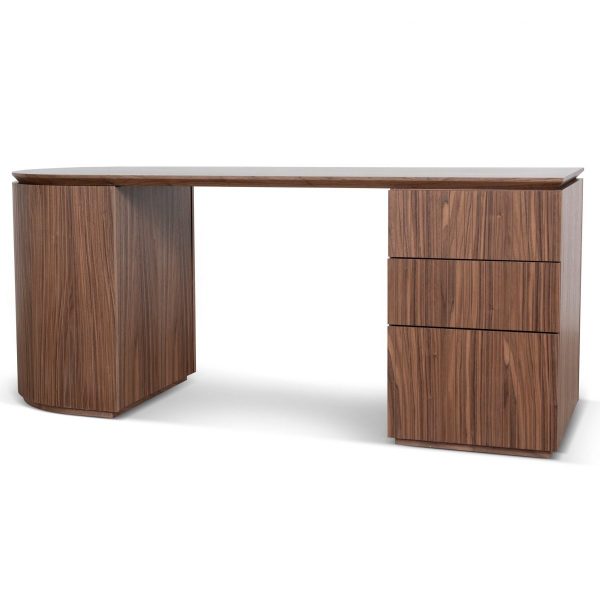
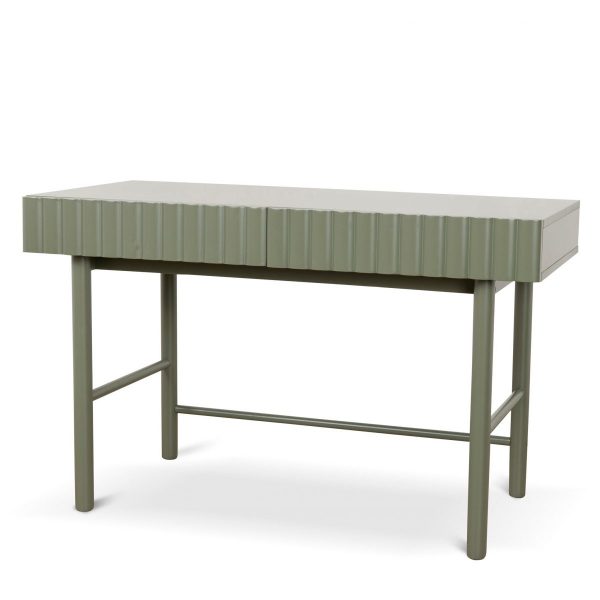
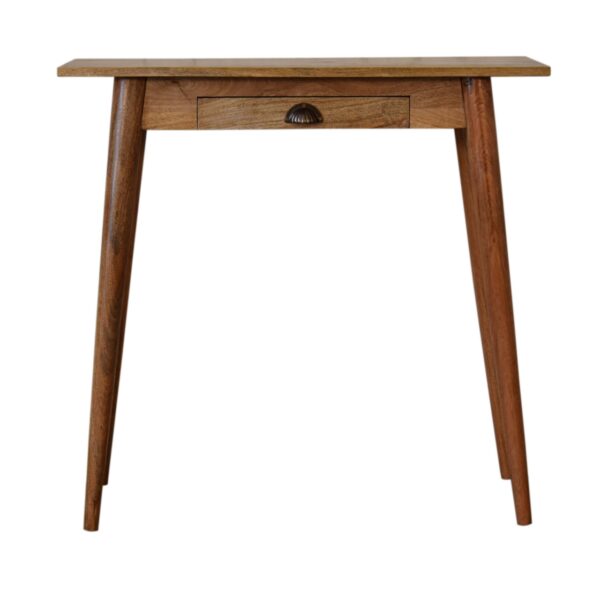
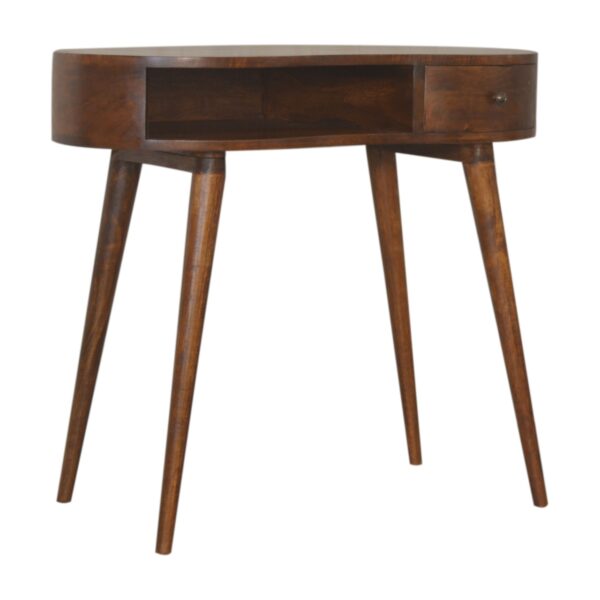

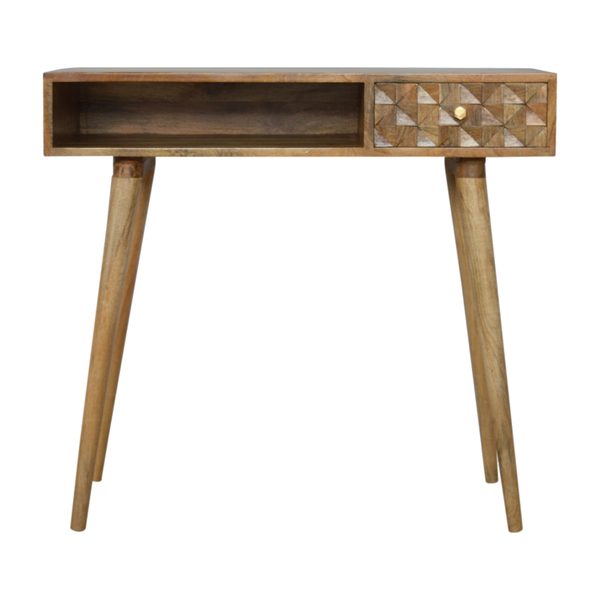
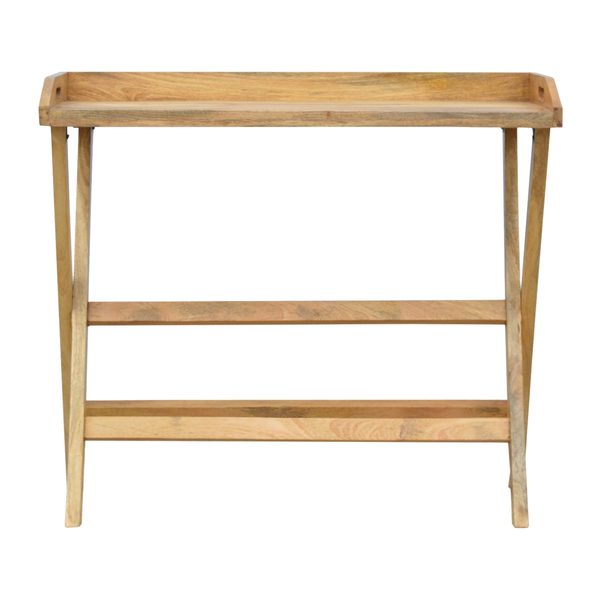
How much working surface does your actual task need?
Lay out the equipment, papers and other items you use together, then measure that arrangement. Consider usable depth as well as width, especially where a screen or another fixed item sits behind the active area. Do not choose from a generous-looking top without comparing the real work kit.
Check the surface shape and any openings or fixed details that affect usable area. A wider desk is not automatically better if it consumes space needed elsewhere. Home office accessories help with finishing objects only after the task area is planned. The working surface should serve ordinary reach and movement rather than become a storage or display area that crowds the work itself.
Can the chair and your legs use the space beneath?
Compare the actual opening below the top, including rails, drawers or supports stated in the design. Overall desk height does not describe every part of legroom. Leave a useful relationship for knees, feet and the chair’s movement.
Office chairs are the separate seating comparison; choose their dimensions beside the desk rather than independently. If storage sits underneath, include its full footprint and openings before assuming it fits without crowding you. Mobile pedestals focus on that desk-side decision. A good work arrangement needs the body and furniture to fit together, not only two individual pieces that look right in separate photographs.
Where will the complete desk fit during work and afterwards?
Mark the full desk and occupied chair position, then test nearby doors, drawers and household walking routes. A closed or neatly parked setup can feel different while someone is working. Read assembly and access information for the actual design separately from furniture dimensions.
Verify storage, cable management, height adjustment or other features only where specified. Choose finish and material in relation to the room once the task and seated space work, following their actual care. A desk should give the workday a clear place without forcing the surrounding bedroom or living area to work around an arrangement chosen solely from wall width or appearance.
Frequently Asked Questions
Use home office storage to plan retrieval and end-of-day put-away alongside the working surface.