
Office Desks
Office desks should be compared through the actual work arrangement. Start with the equipment, papers and activities that share the top, then choose useful width and depth. A desk label does not establish the room needed for your particular task or the features required by your setting.
Read moreRead less
Check seated clearance and movement around the full footprint before choosing finish. Office chairs provide the separate seating comparison, while office storage addresses work items that do not belong permanently on the top. Plan the work-task setup first; home office desks give closer questions about a domestic room. Read actual functions and requirements rather than infer them from an office name.
Showing 1–24 of 30 resultsSorted by recommended
-
-
-
On SaleOriginal price was: $1,689.00.$1,486.00Current price is: $1,486.00.
-
-
-
-
-
-
-
-
-
-
-
-
-
-
-
-
-
-
-
-
-
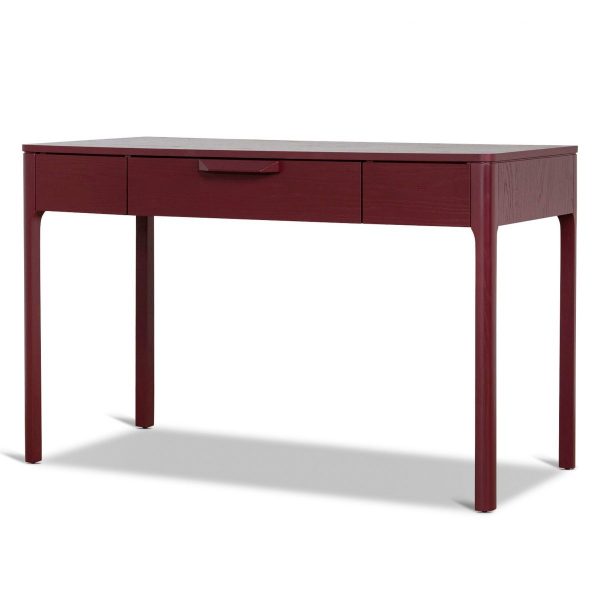

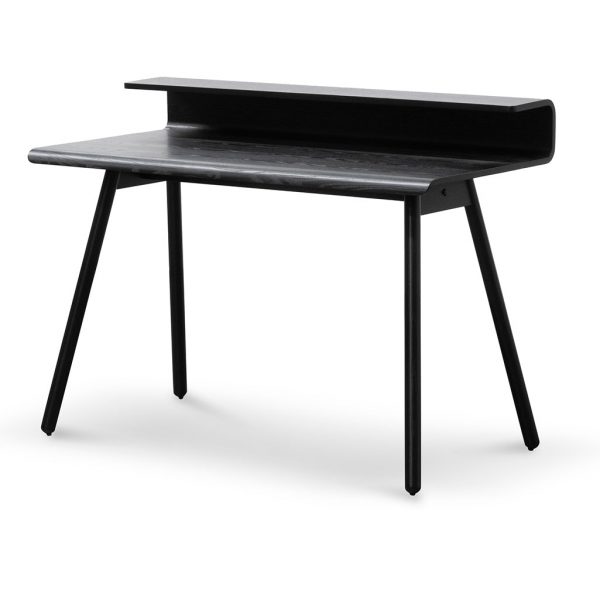
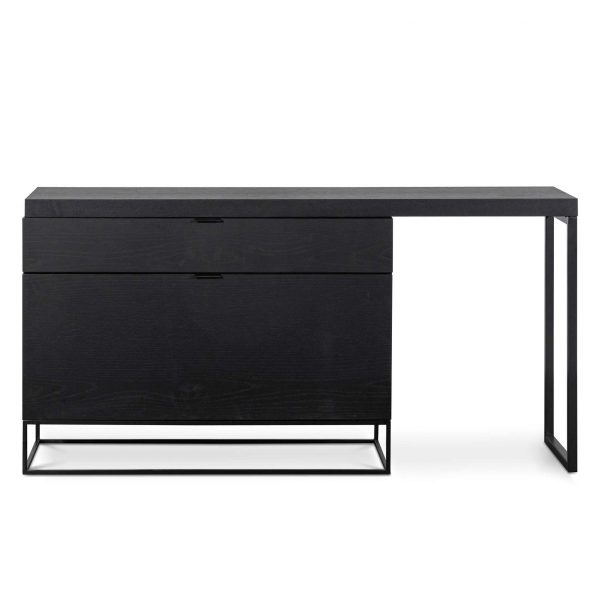
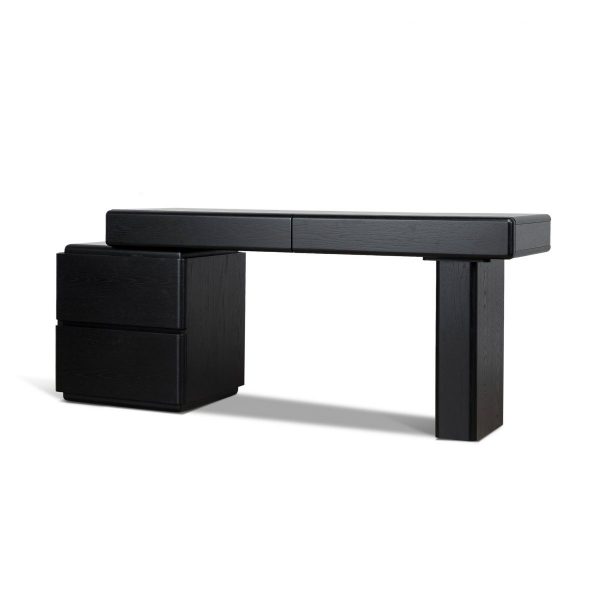
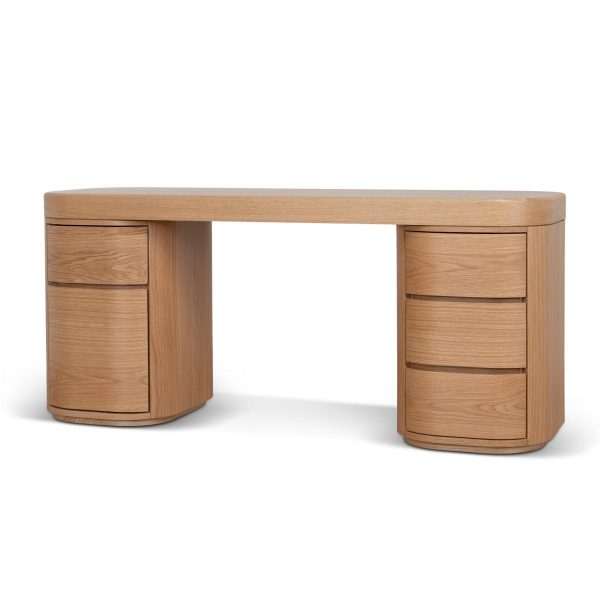
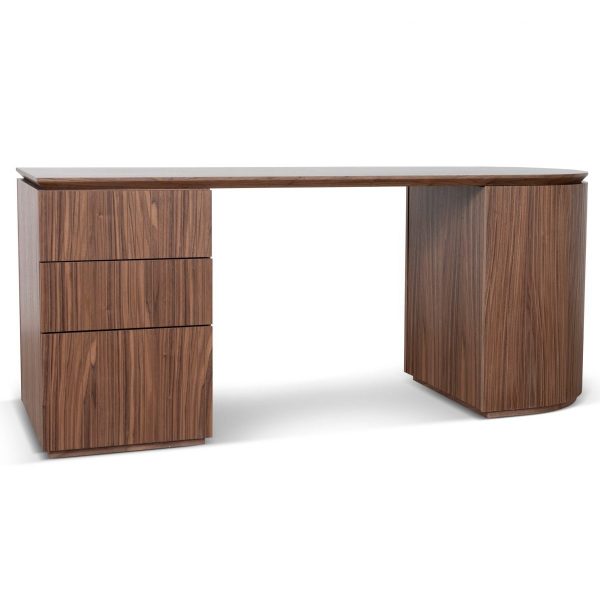
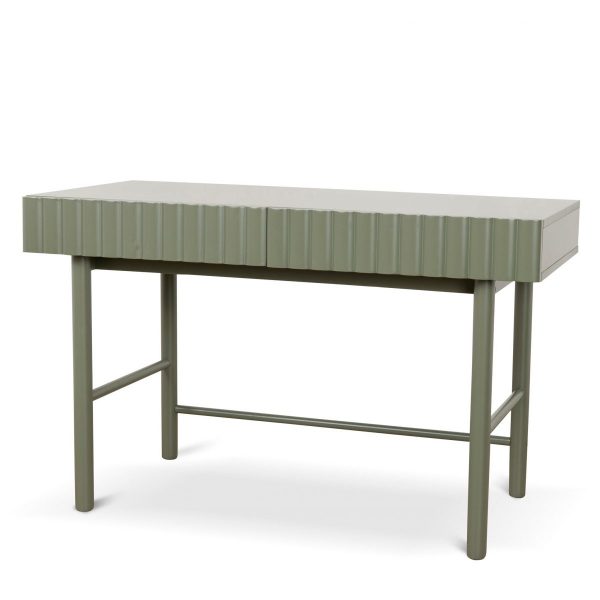
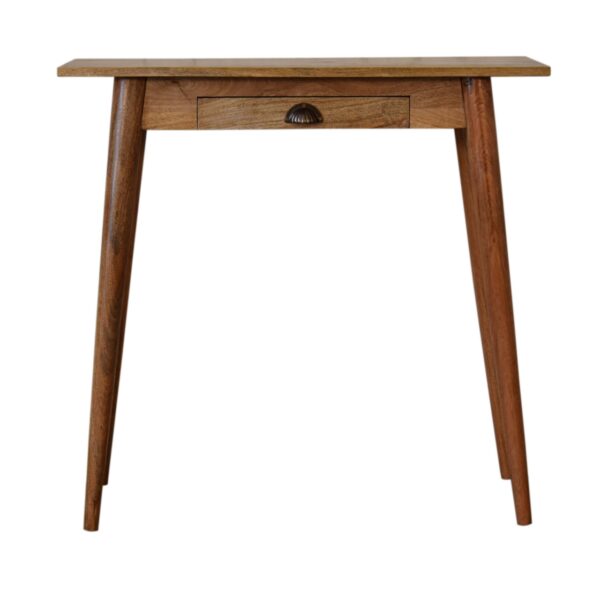

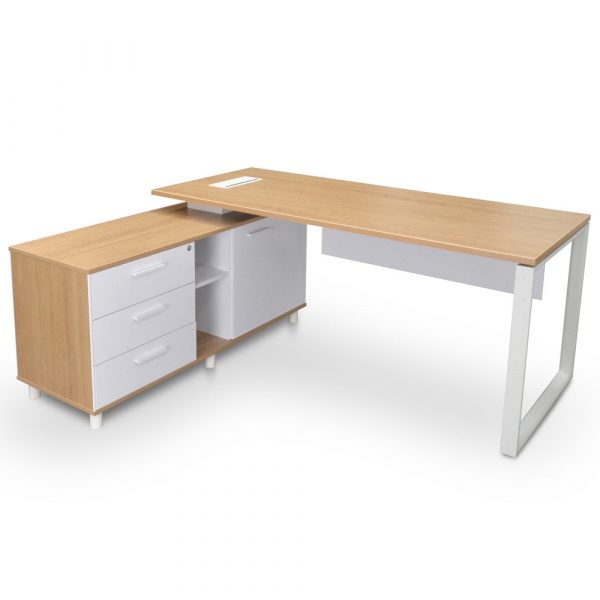
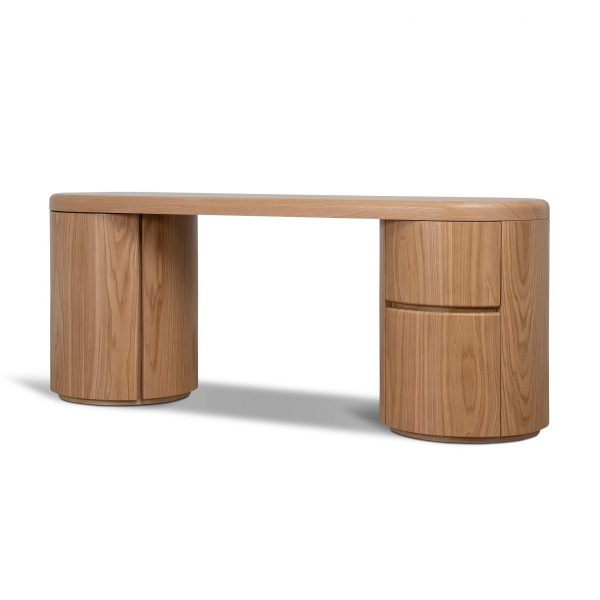
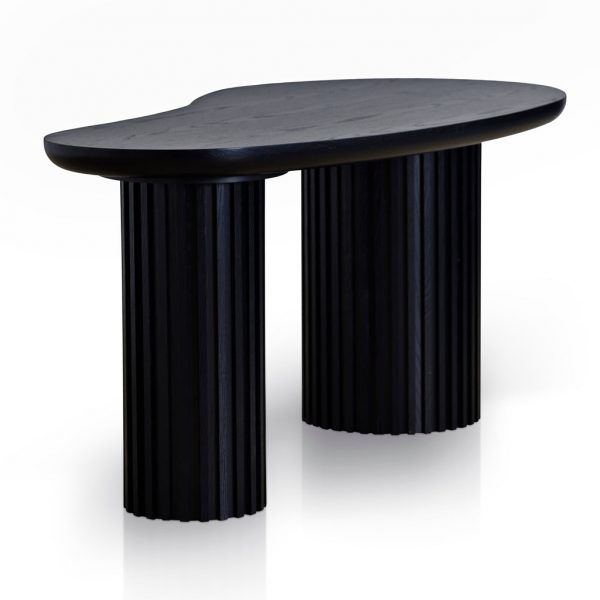
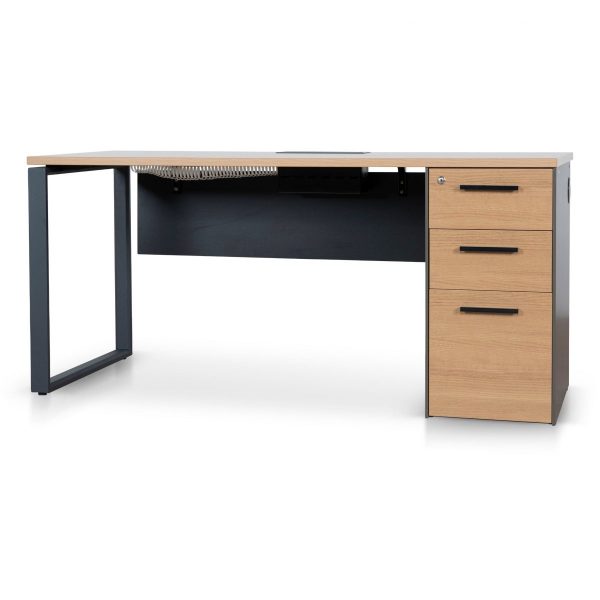
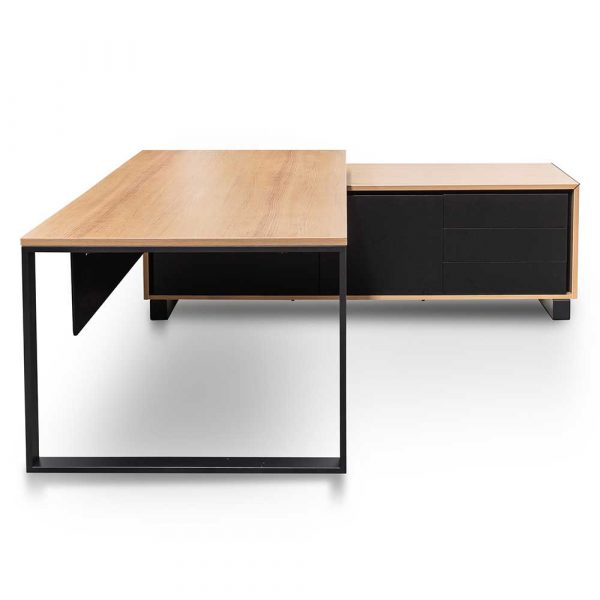
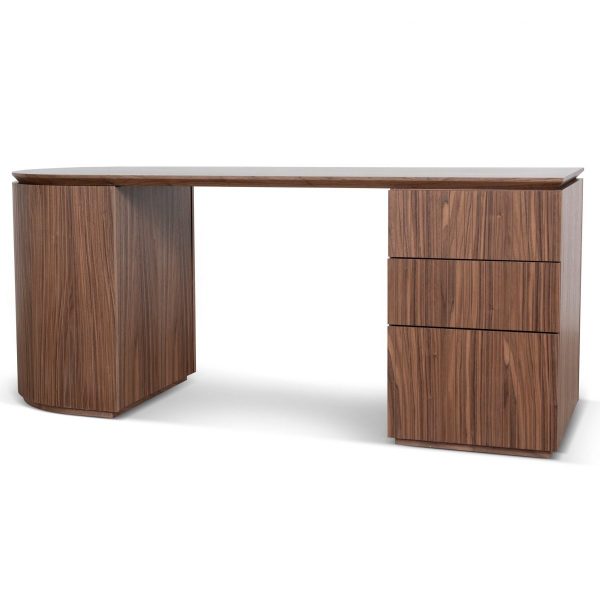
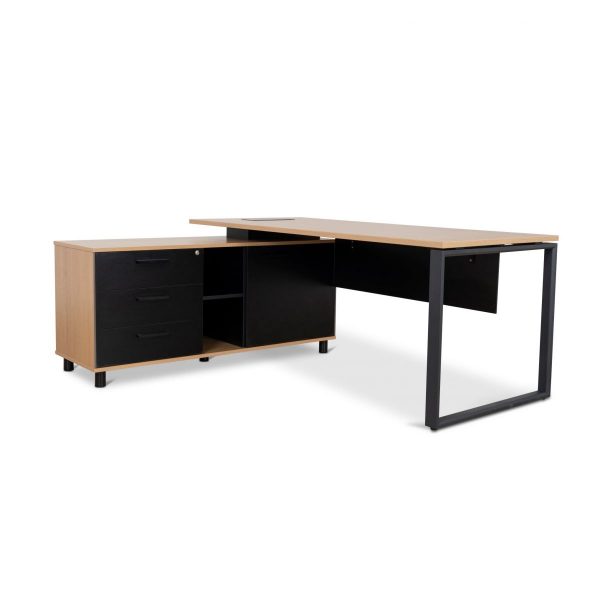
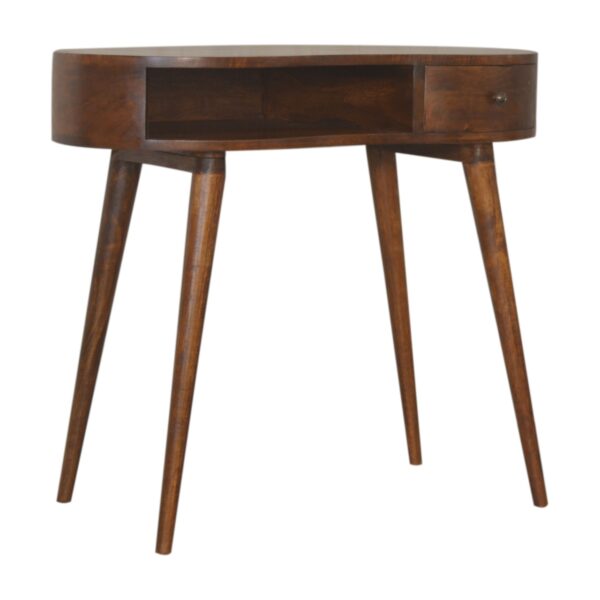
Which task areas need to exist on the top together?
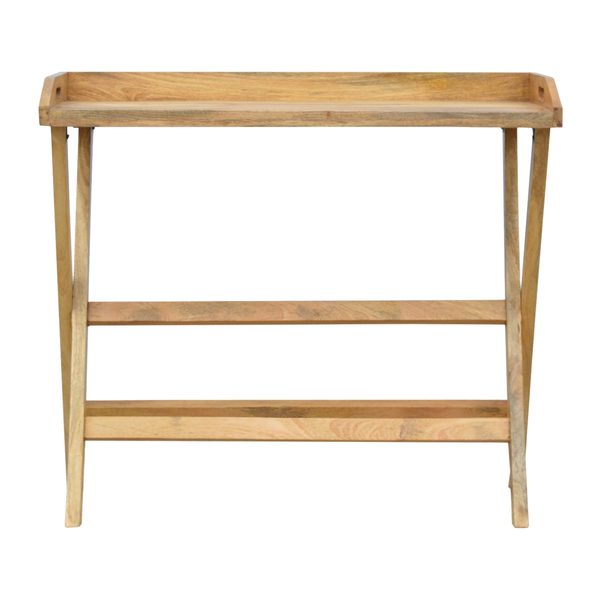
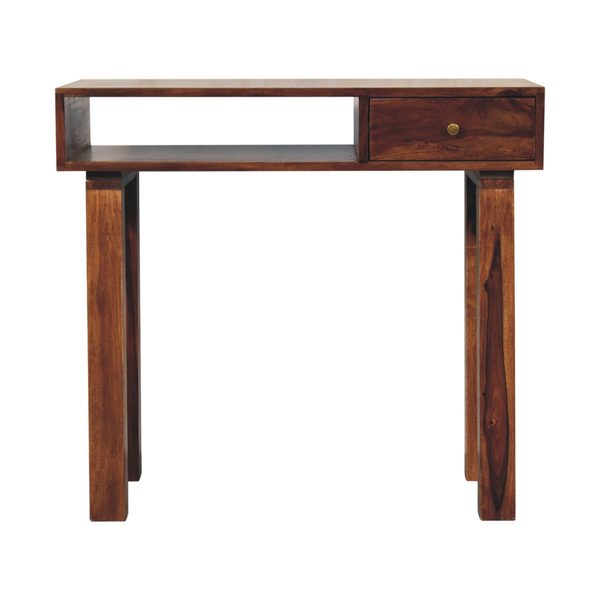
Lay out the items used at the same time, including active papers and the space where hands work. Compare useful width and depth with that arrangement instead of choosing only from the largest piece of equipment. Shape and fixed details can affect what remains usable.
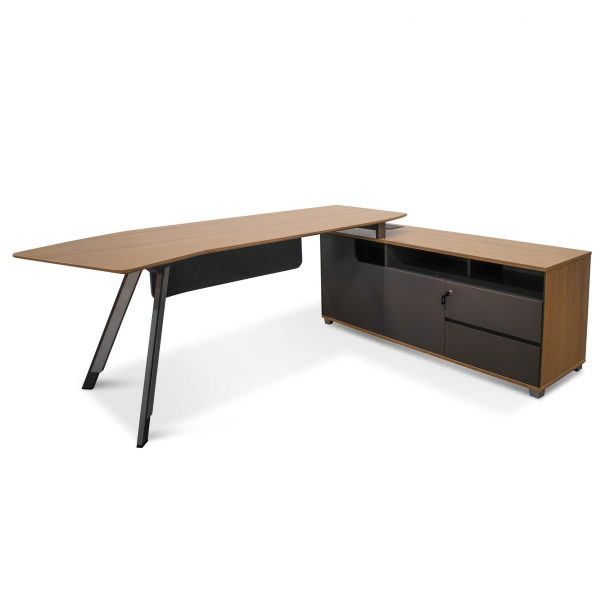
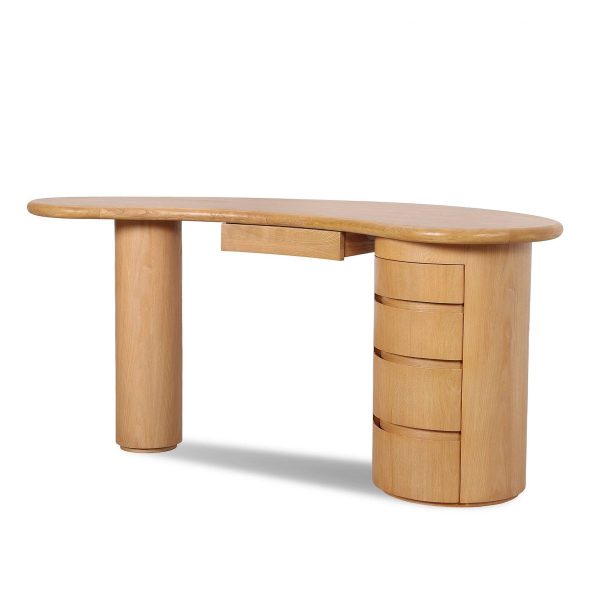
If more than one task uses the desk, decide whether they need separate surface areas or a practical switching routine. Corner desks offer a different layout comparison where the actual form suits a turn in the room. A larger or more complicated top is not automatically more useful. Choose from the work carried out there rather than a photograph that omits ordinary equipment and movement.
How can chair access and room routes remain practical?
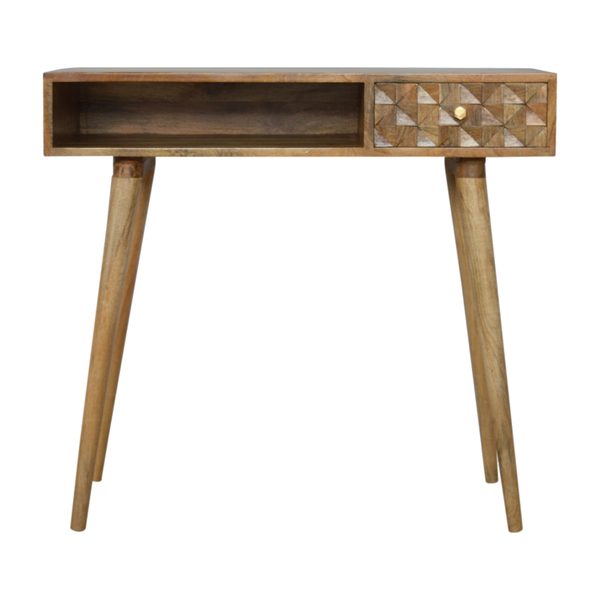
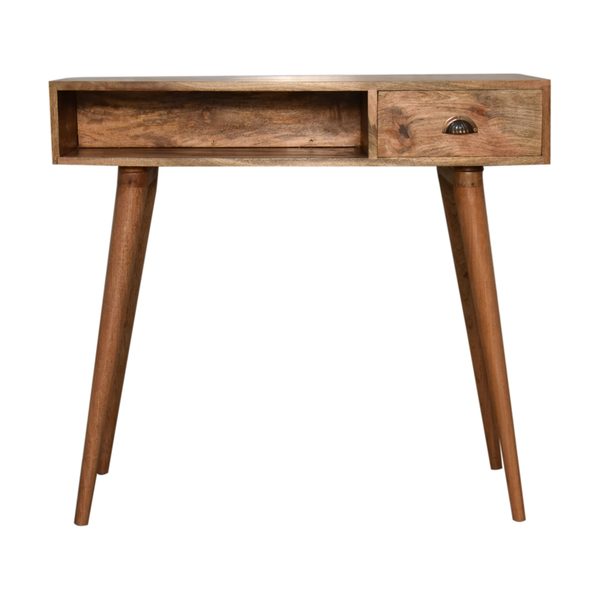
Read the opening beneath the top, including supports, storage or rails stated for the design. Overall desk height cannot describe every part of legroom. Compare the chair, knees and feet with that actual space.
Mark the occupied chair position and movement to stand or leave the desk. Include nearby doors and storage openings. If another person approaches the working area, plan that route too instead of assuming the front of the desk remains clear. Small desks refine constrained space when needed, with usable top and seated access still checked. The office arrangement should fit the person and routine as well as the furniture footprint.
Which verified features does your work need?
Confirm storage, cable arrangements, adjustment or another function in the individual specification. Do not infer them from a work label. If your setting requires particular ratings or suitability, check evidence for the actual desk before choosing.
Read assembly and care for top, frame and frequently handled parts. Timber desks offer a construction comparison; grey desks help with another finish role after the task works. The useful office desk is accurately understood, with real functions and dimensions supporting the setup. Choose the finish after the required functions and seated arrangement work.
Frequently Asked Questions
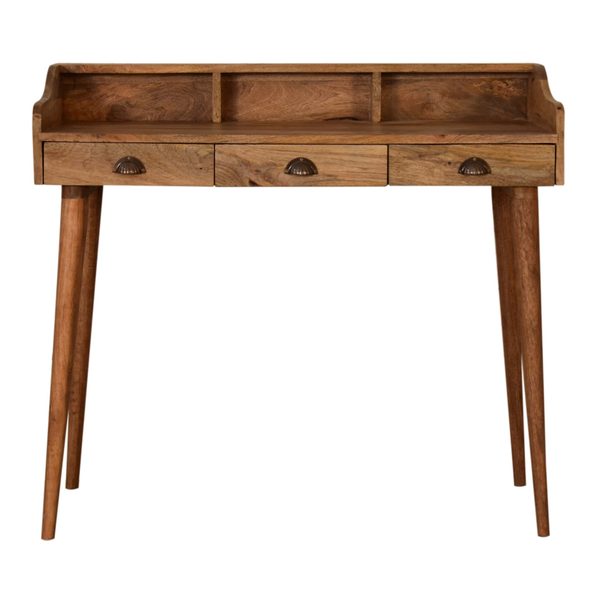
Use desks with drawers or desks with shelves when verified integrated storage is part of the working brief.