
Office Storage
Office storage should make work materials easier to find, use and return. Start with the papers, supplies and equipment you actually keep, then group them by size and frequency of access. The useful layout comes from that organisation task, rather than simply choosing the largest closed cabinet.
Read moreRead less
Read the actual compartment dimensions and any filing or security features. Confirm locks, the file format and any required performance information for the specific design. Home office storage helps plan work in a shared domestic room after your files, supplies and retrieval needs are clear. Mobile pedestals offer a focused desk-side comparison where movement is useful.
Showing all 13 resultsSorted by recommended
-
-
On SaleOriginal price was: $912.00.$803.00Current price is: $803.00.
-
On SaleOriginal price was: $312.00.$296.00Current price is: $296.00.
-
On SaleOriginal price was: $2,199.00.$2,089.00Current price is: $2,089.00.
-
-
-
-
-
-
-
-
-
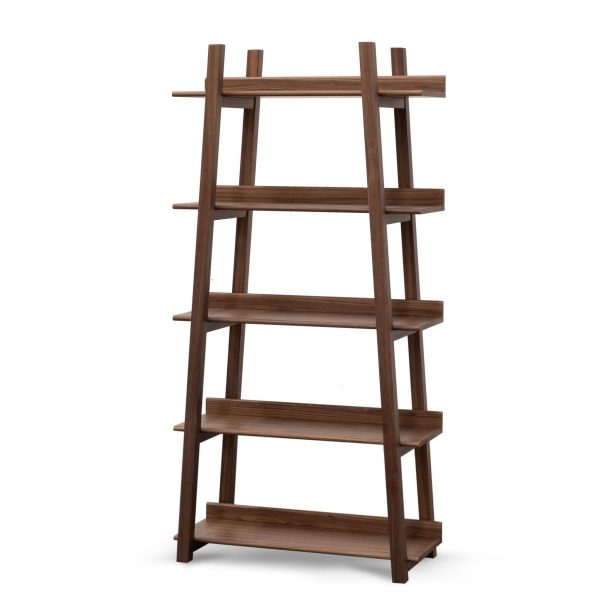


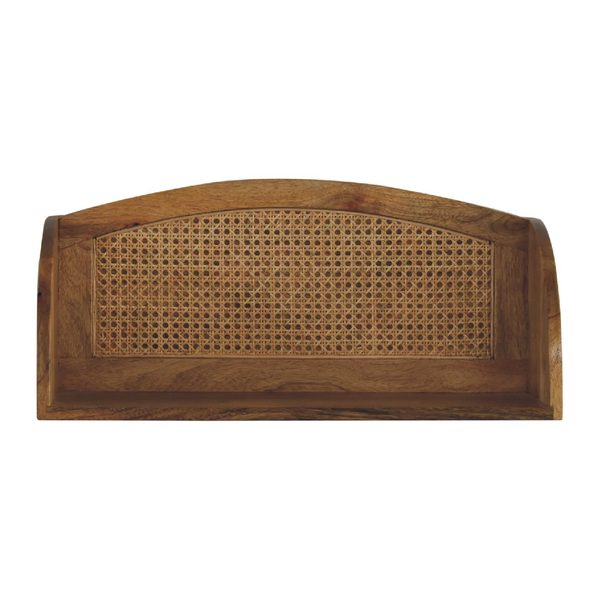
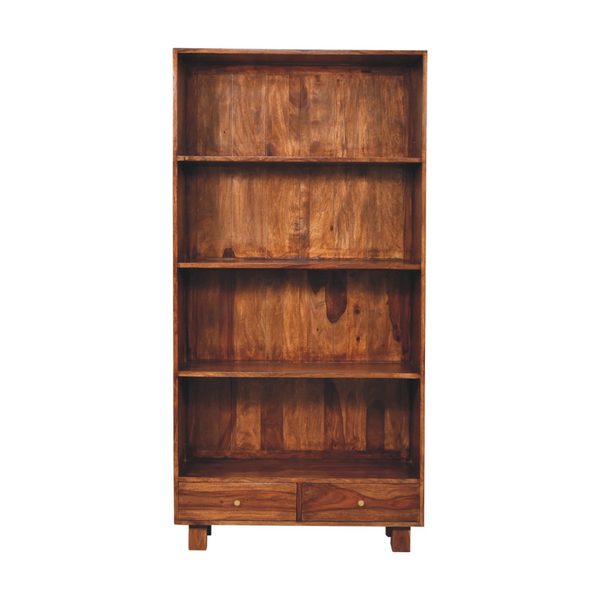
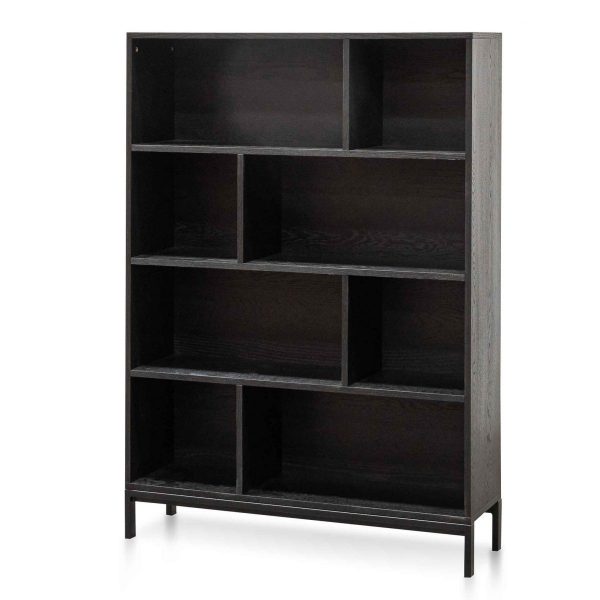
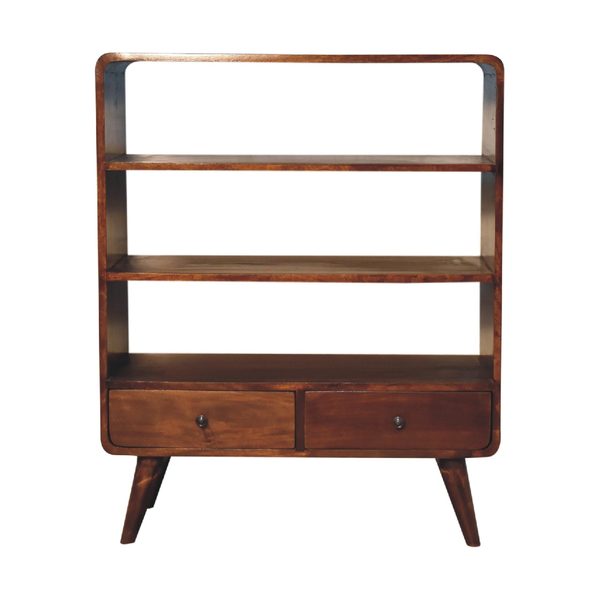
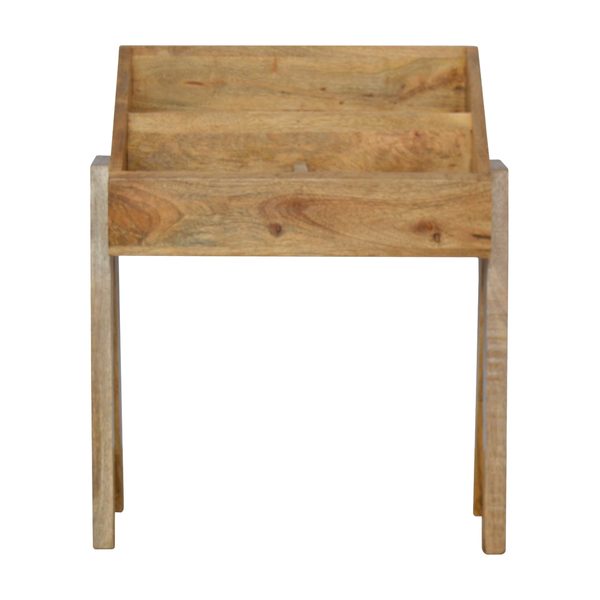
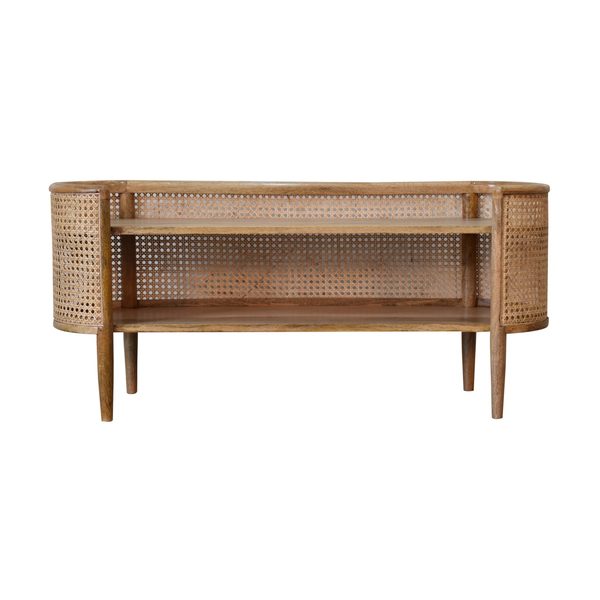

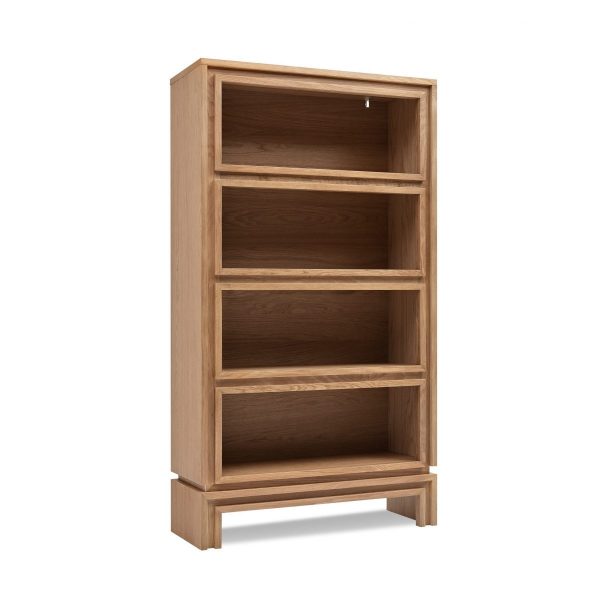
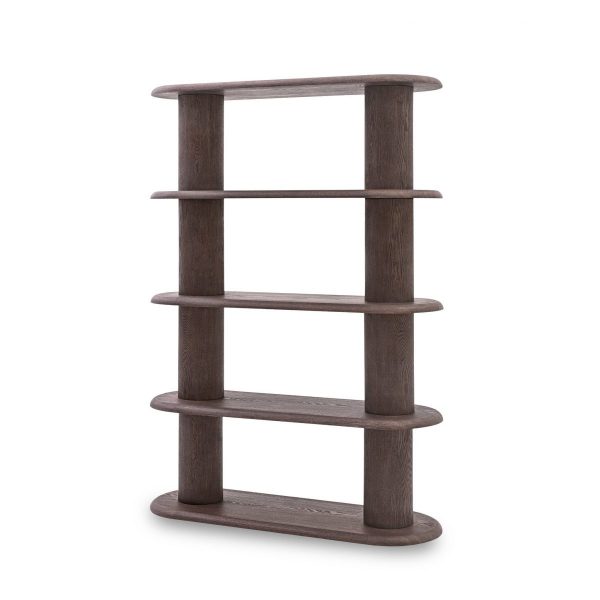

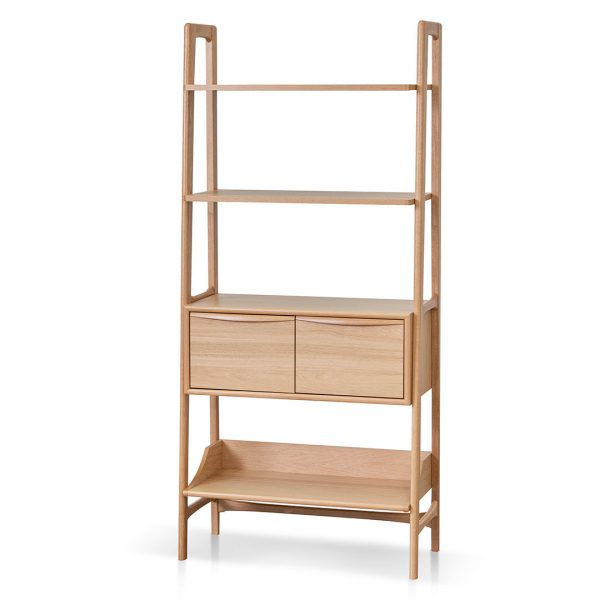
Which work materials need different storage methods?
Measure folders, paper groups, supplies and larger equipment separately. Upright files and loose smaller items may need different compartment shapes. Compare the actual interior and any supplied fittings rather than assuming a drawer accepts one standard filing format.
Decide which items should stay together and which need independent access. Cabinets with drawers help compare separated groups, while cabinets with shelves focus on taller or stacked contents. Do not infer dividers, document trays or organisers from the office label. A useful system begins with the work materials you own and verified spaces that make them straightforward to retrieve and put away.
How can retrieval stay easy beside desks and chairs?
Mark the storage footprint and full door or drawer movement near the working area. Include a person standing to remove contents and the normal movement of chairs. A cabinet can fit when closed while making a frequently used compartment inconvenient.
Consider whether the storage needs to be beside the desk or elsewhere within the room. The most frequently accessed groups may benefit from a different position than infrequently used records. Desks provide the separate working-surface comparison. Storage should support the work arrangement, not occupy the space required to sit, move or reach the tools that remain in use.
Which stated features are essential to your brief?
If locks, file fittings or another function are important, confirm the exact mechanism and intended use in the product information. Do not infer them from closed fronts or a business setting. Storage for sensitive records needs an appropriate verified arrangement, rather than an assumed feature.
Read assembly, securing and loading instructions, plus care for frequent hand contact. If the space requires a particular workplace rating or other specification, check that evidence for the actual design before purchase. Choose office storage from accurate functions and dimensions, with finish and room appearance completing the system after the organisation task is clear.
Frequently Asked Questions
For a narrower room, slim cabinets offer a depth and width comparison while your work-content requirements remain fixed.