
Home Office Storage
Home office storage should help you begin work, reach what you need and put it away when the day ends. That matters especially where a desk shares a bedroom or living area. Start with papers, tools and other everyday work items, then decide which need frequent access and which can remain closed away.
Read moreRead less
Compare usable compartments with those belongings and the space beside your desk. Do not assume filing fittings, locks or cable features unless the product states them. Office storage provides a broader organisation comparison, while mobile pedestals focus on movable desk-side storage. Keep the workday routine, existing furniture and ordinary household movement in view when choosing the storage position.
Showing all 13 resultsSorted by recommended
-
-
On SaleOriginal price was: $912.00.$803.00Current price is: $803.00.
-
On SaleOriginal price was: $312.00.$296.00Current price is: $296.00.
-
On SaleOriginal price was: $2,199.00.$2,089.00Current price is: $2,089.00.
-
-
-
-
-
-
-
-
-
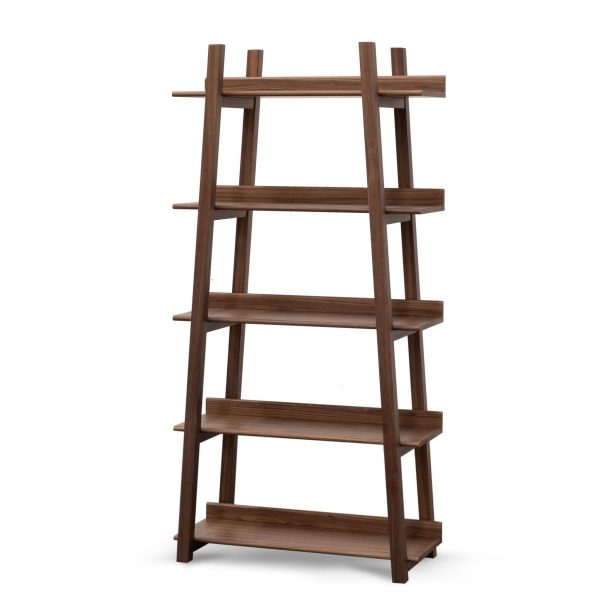


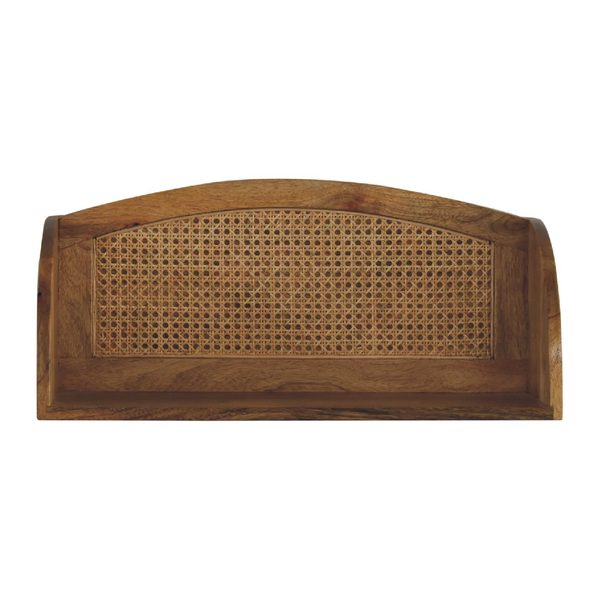
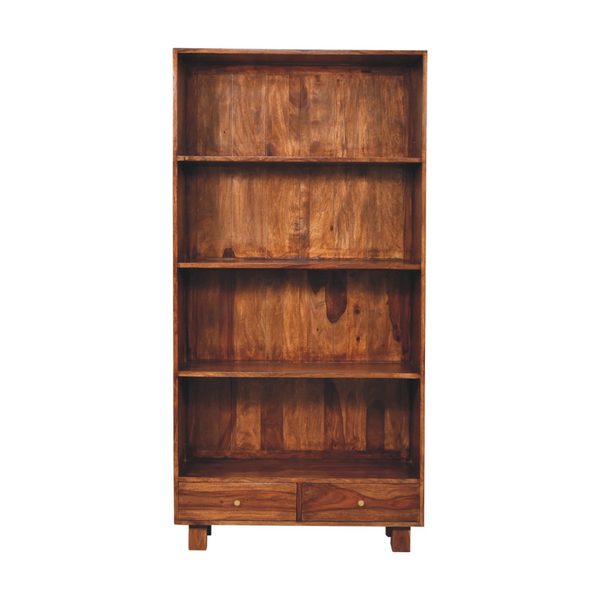
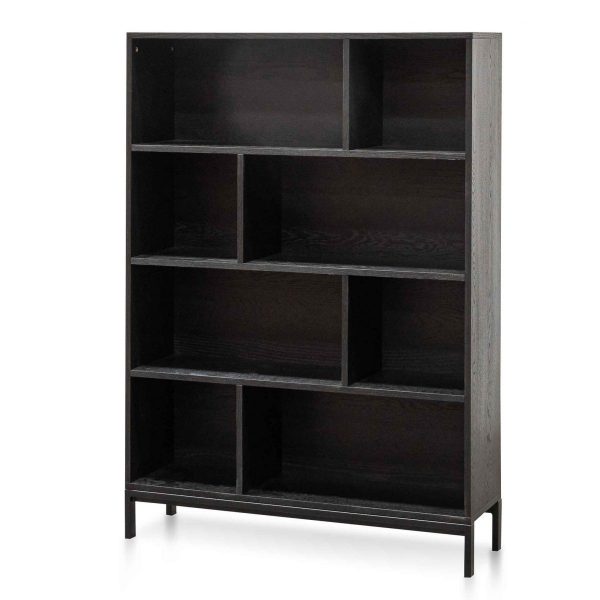
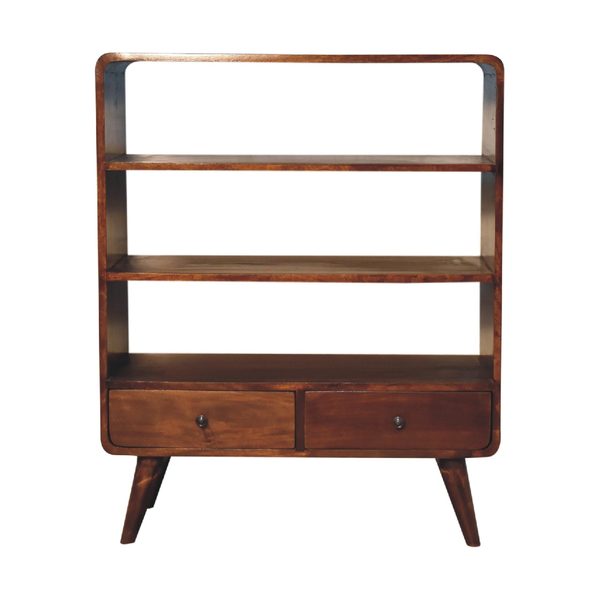
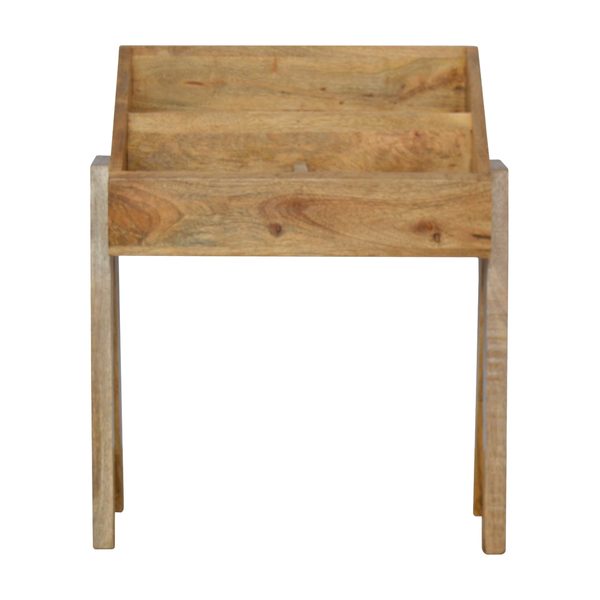
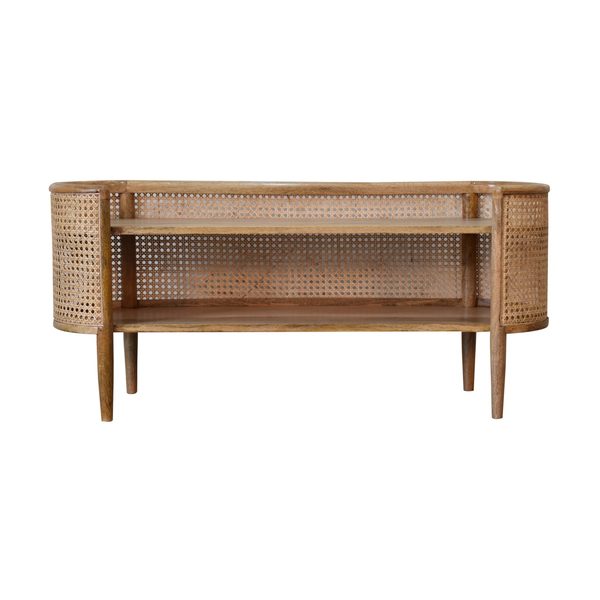

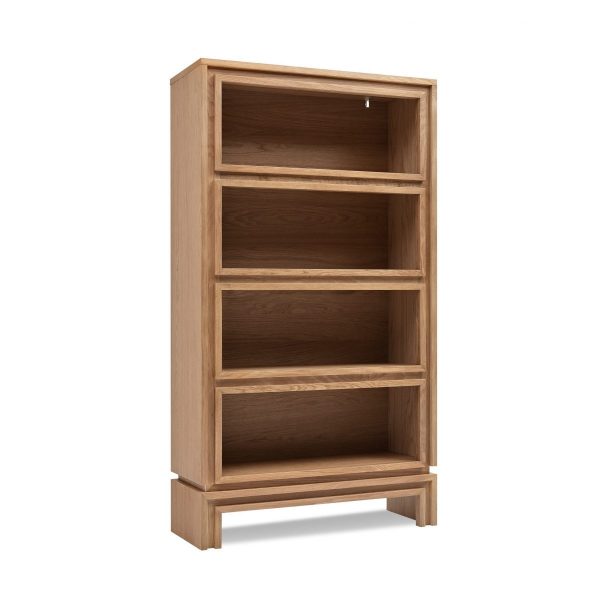
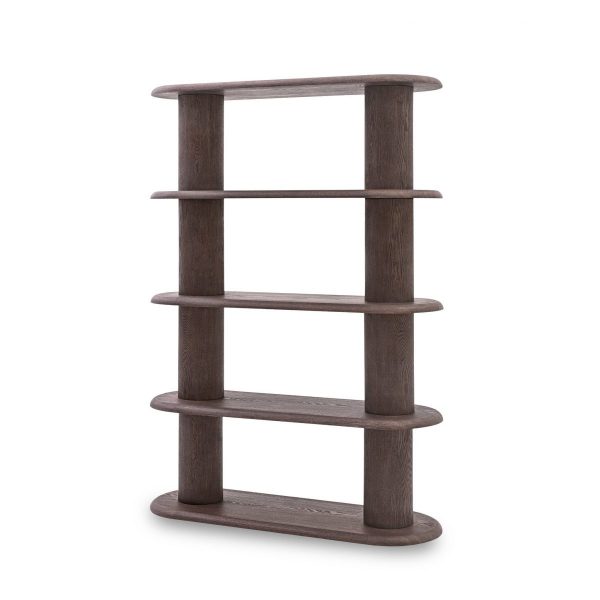

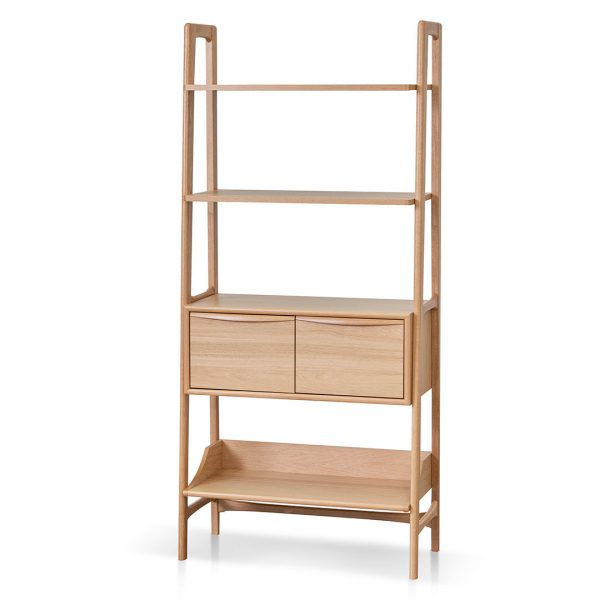
What needs to stay within reach during work?
List the items used repeatedly and the ones brought out only occasionally. Papers, notebooks and equipment may need different sizes and access patterns. Measure larger contents and compare actual inside dimensions rather than assuming a cabinet accepts a particular file format.
Place everyday groups where the storage can be opened comfortably from the work area without crowding the chair. Desks are a useful separate comparison if the working surface itself is the issue. Storage should support the desk arrangement, not consume the space needed to sit and move. Keep the choice based on your real work kit rather than an imagined office setup with features not stated.
How will work disappear from a shared room afterwards?
Think through the end-of-day routine: which items need a compartment, which remain on the desk and what must be easy to retrieve next morning. A closed front may help contain visual clutter, but the internal layout still has to suit the contents.
Compare the cabinet’s height and finish with the furniture already in the room. A storage piece can connect with domestic materials without pretending to have a different function. Living room storage helps when the work area shares that space. Do not assume a lock or another security feature from a closed door. Verify any function central to your routine in the actual product description.
Can storage open without obstructing your chair or the room?
Mark the full footprint and door or drawer movement beside the desk. Include the chair’s ordinary movement and a standing route for handling contents. A compact closed piece can still interfere when a drawer is pulled towards the chair.
Read installation, securing and any stated mobility guidance before placement. If the piece is on castors, check the actual operation and suitability rather than assuming it can roll on every surface. Slim cabinets offer another depth-led option, with internal usefulness still assessed. The home office storage should make work simpler while letting the surrounding bedroom or living room continue to function normally.
Frequently Asked Questions
For drawers specifically, compare cabinets with drawers using your work items and the space needed to retrieve them.