
Slim Cabinets
Slim cabinets are a useful search when storage must fit a constrained part of the room. First identify the measurement you lack: wall width, depth into a walkway or another limit. Slim is not one fixed size, and it may describe a different proportion between products.
Read moreRead less
Compare the full dimensions, including base and handles, with that space. Then check usable internal compartments so the smaller outside form still holds what you need. Storage cabinets provide the broader contents-led comparison. Compare the constrained footprint with practical inside storage, including openings and a person’s access before choosing for a narrow gap.
Showing all 15 resultsSorted by latest

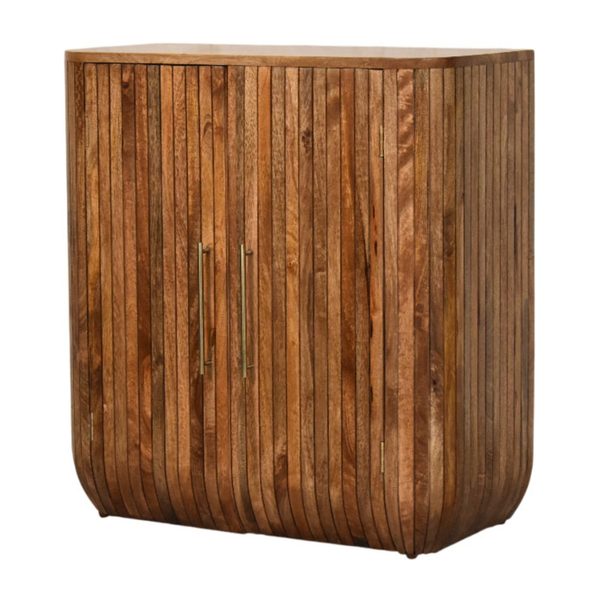
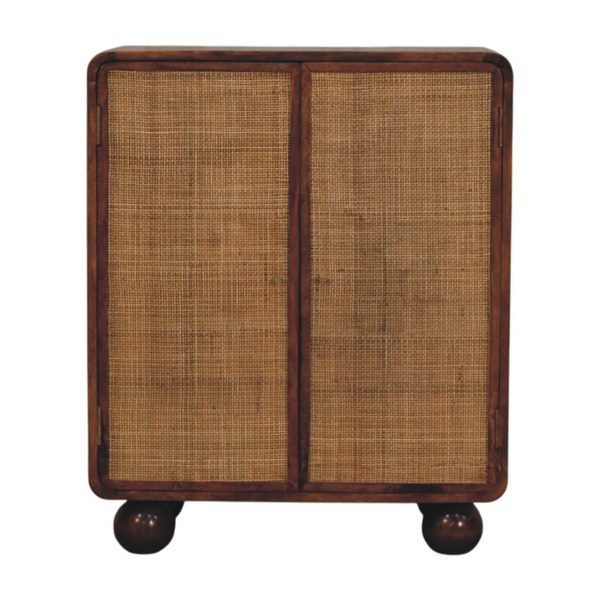
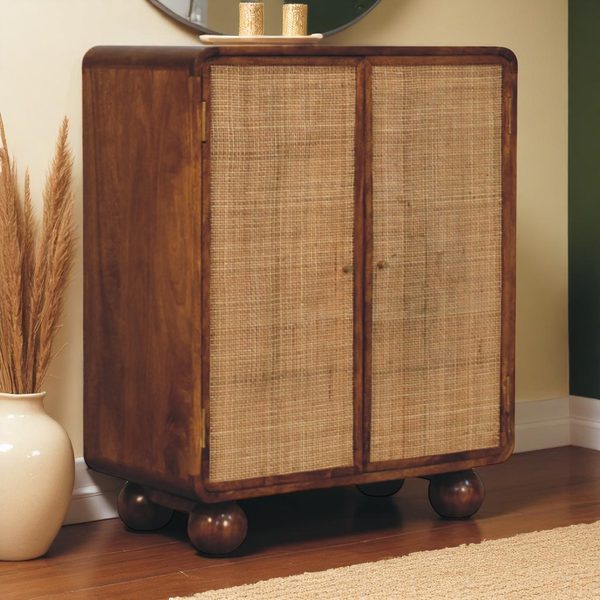
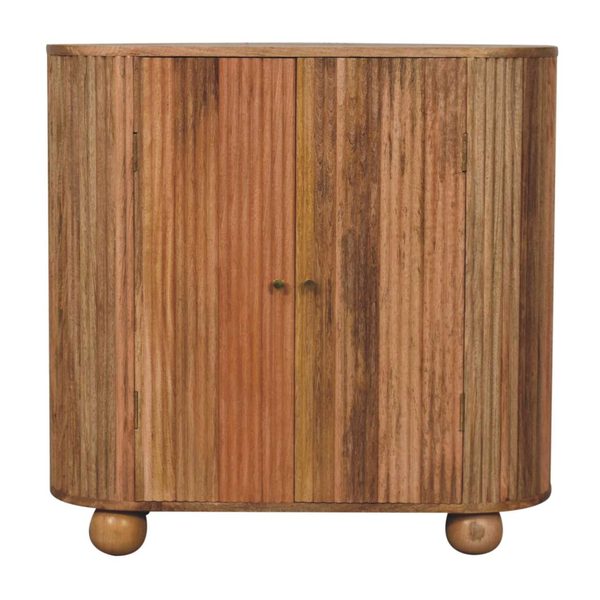
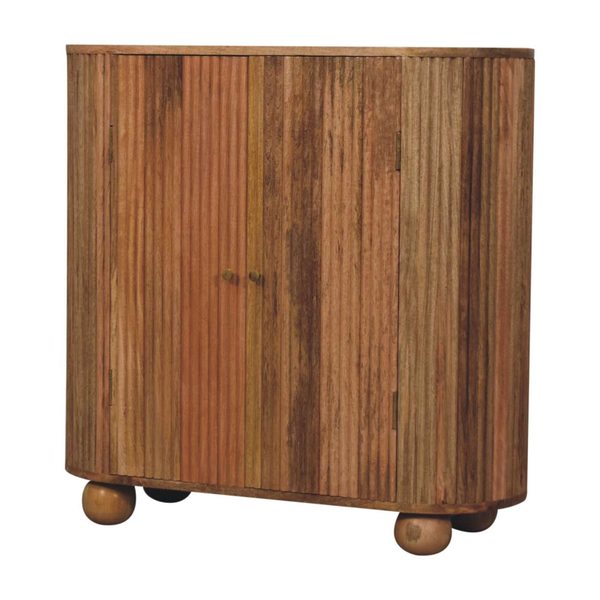
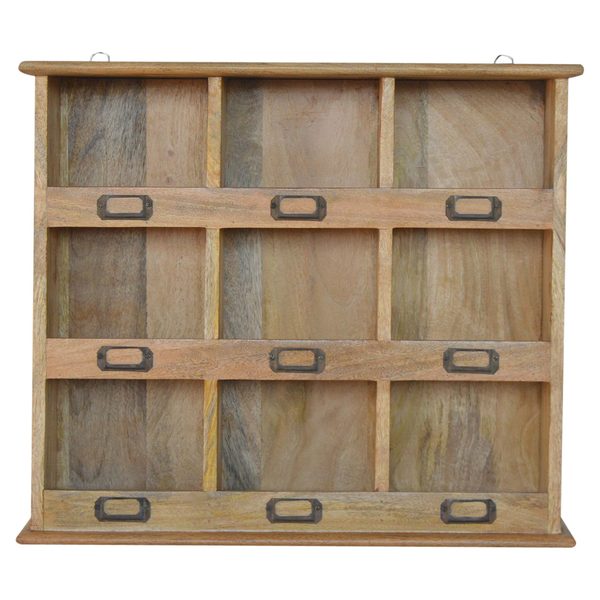

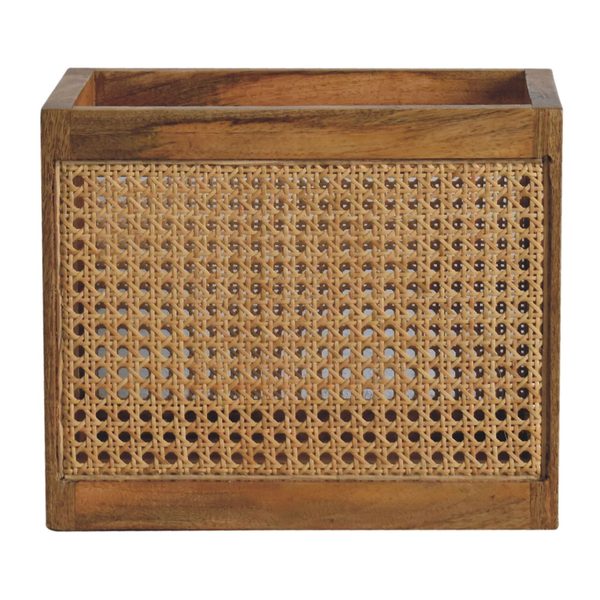
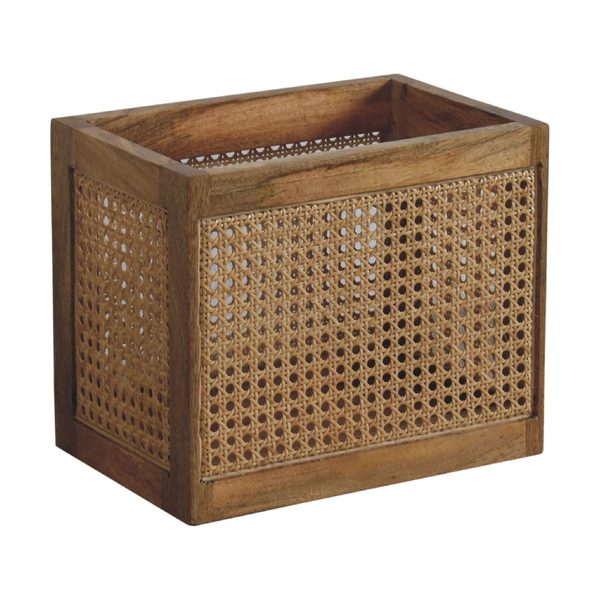
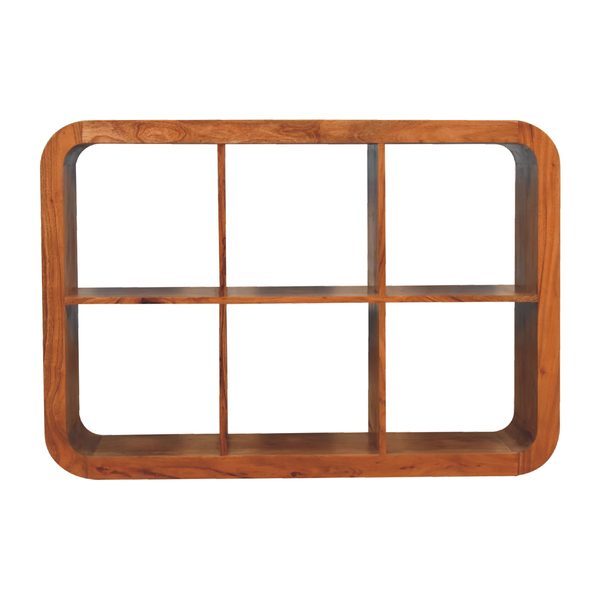
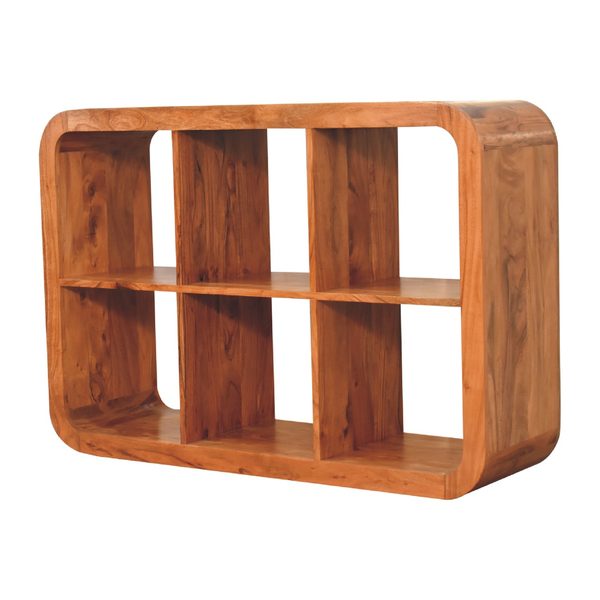
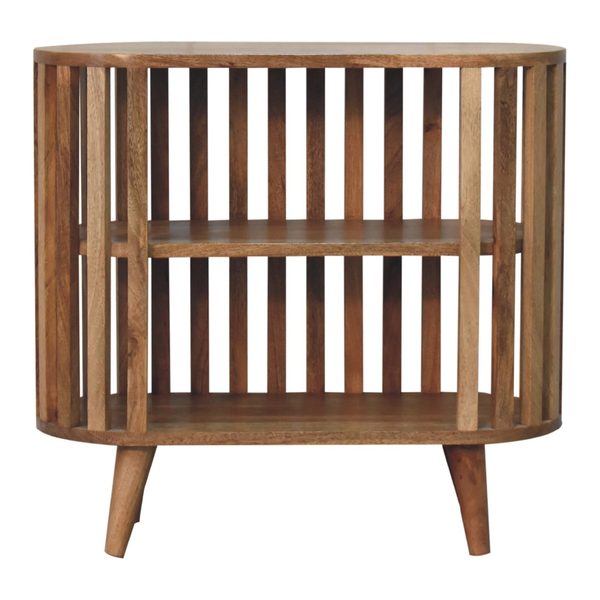

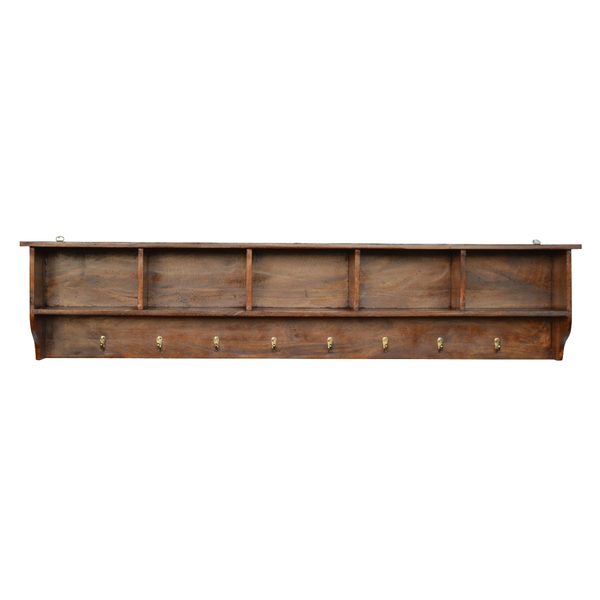
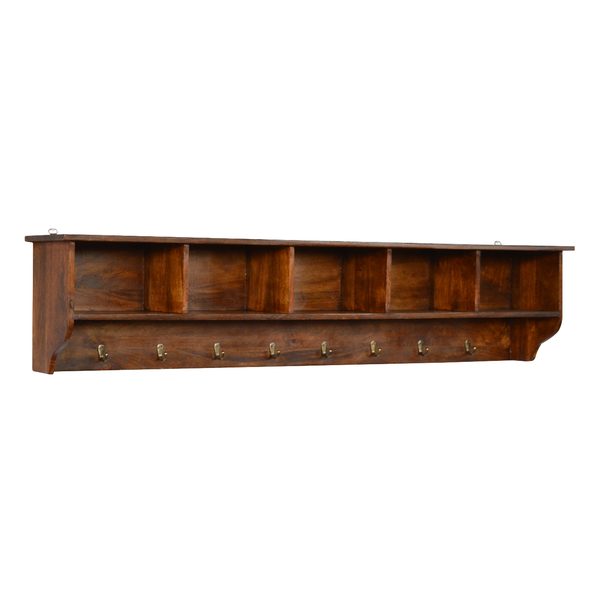
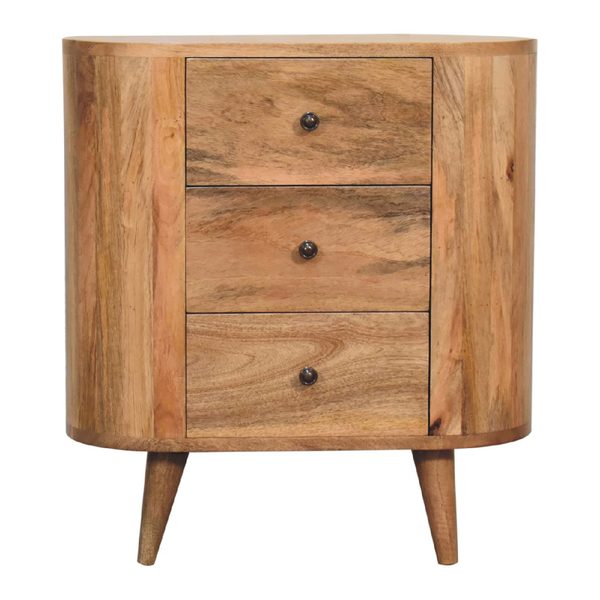
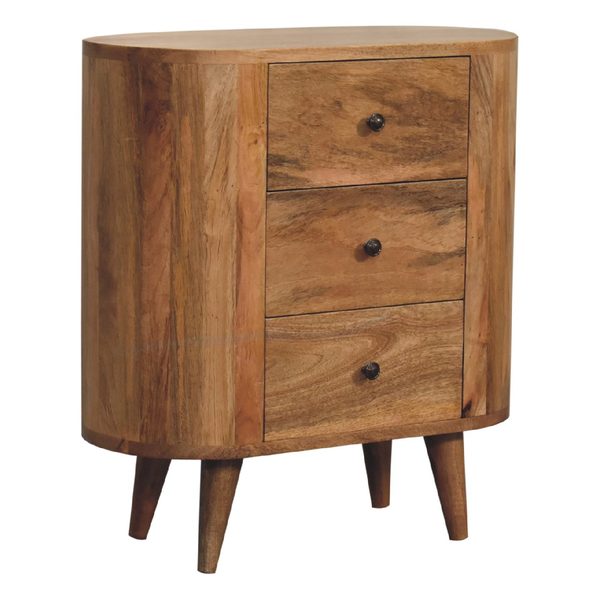
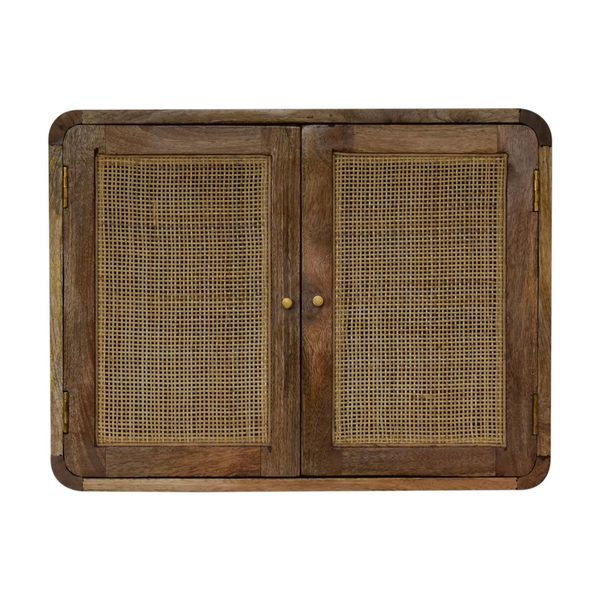
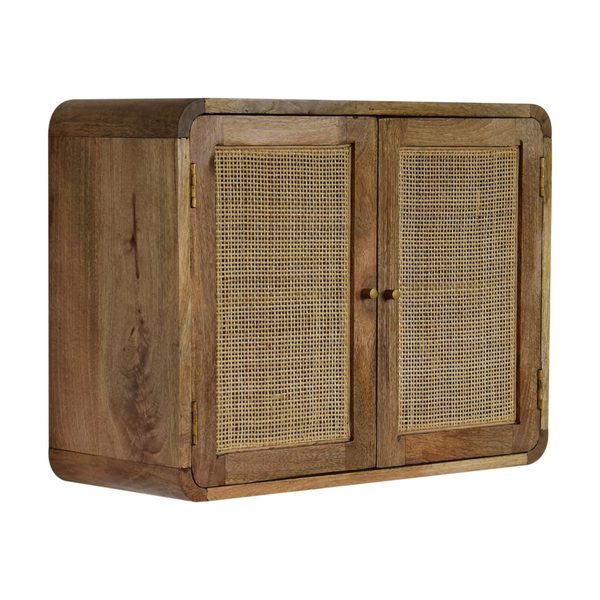
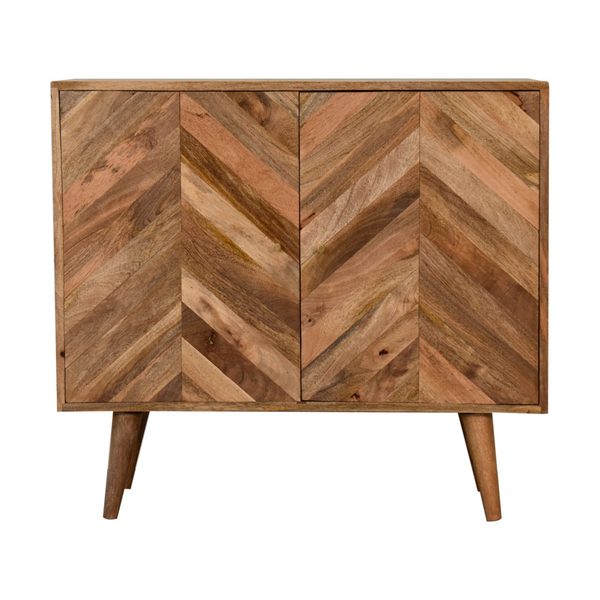

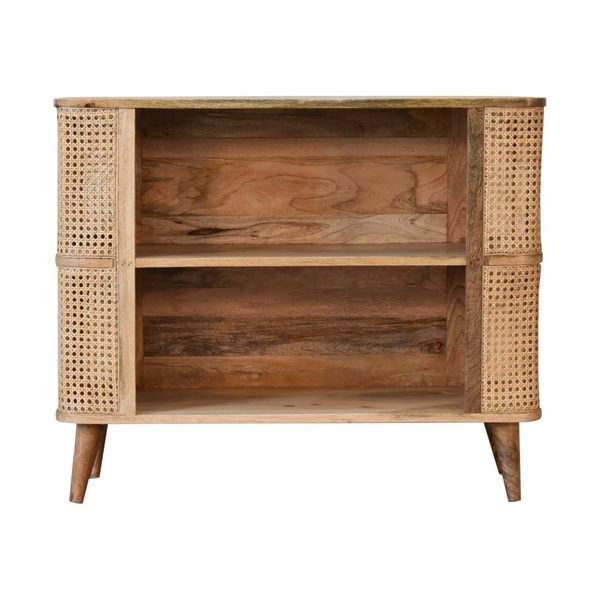
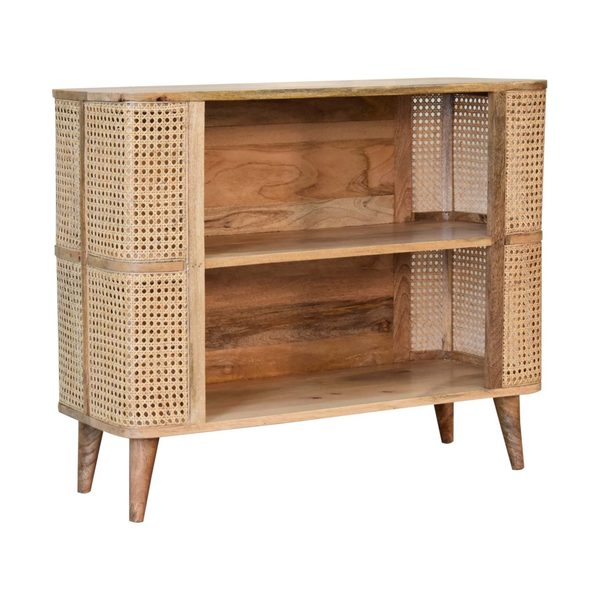
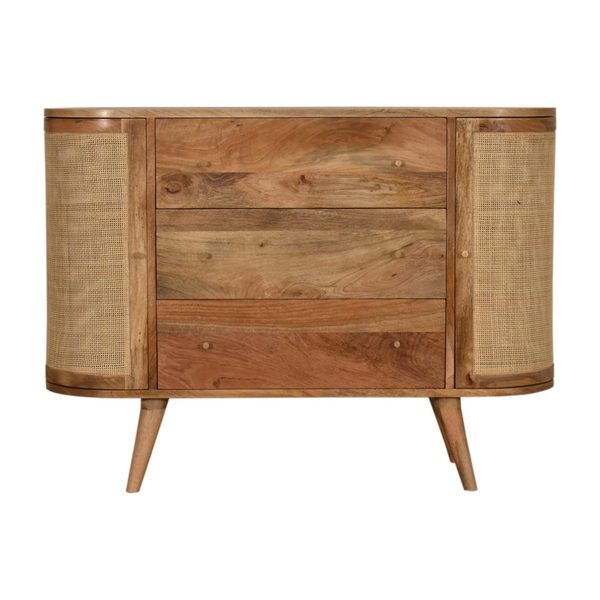
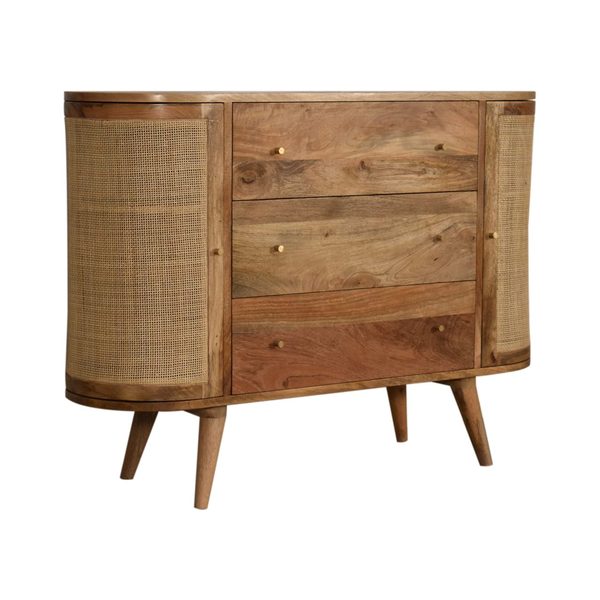
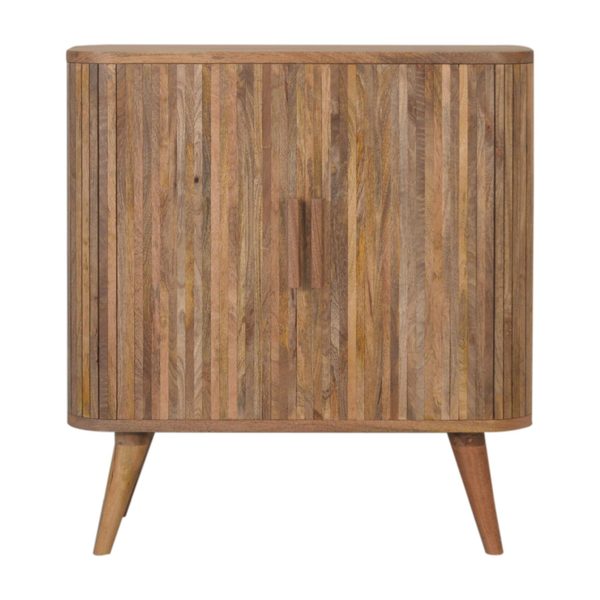

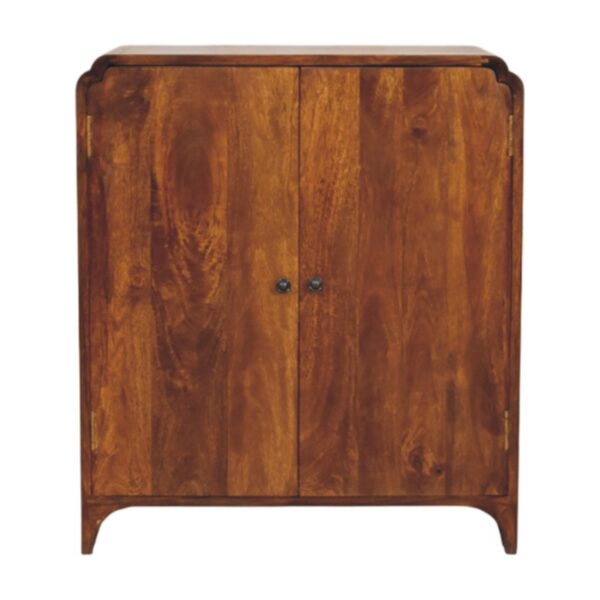
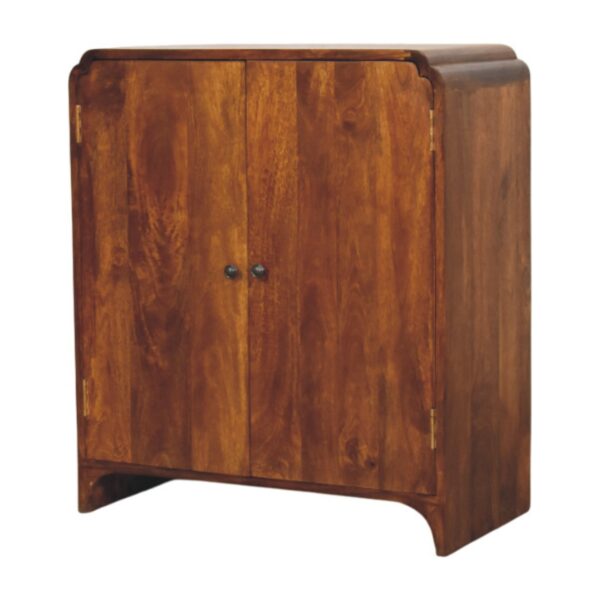
Is the problem wall width or depth into the room?
Measure the actual location and identify its limiting dimension. A narrow-width cabinet can still project too far into a route, while a shallow one may be too wide for the wall section. Do not treat the slim label as proof that both dimensions are reduced.
Include the full base, top and any projecting handles. Nearby skirting or other fixed details can also affect placement. Compare the closed form with the room, then add the opening movement separately. A useful slim choice begins with the specific constraint, rather than selecting the smallest-looking photograph and hoping the resulting proportion will solve a different space problem.
What storage remains useful inside the slimmer form?
Measure the belongings you intend to store and compare usable inside dimensions. Outside depth includes structure and fronts, so it cannot establish that a folder, box or folded group fits. Internal partitions can change the capacity further.
Decide which contents are essential and which might need another arrangement. Cabinets with shelves focus on compartment gaps; cabinets with drawers help with another access pattern. Verify any adjustment or mechanism in the product description. A compact exterior is useful only when the actual interior supports your storage task, rather than forcing important belongings into an awkward or inaccessible layout.
Can the cabinet open where it fits when closed?
Mark door or drawer movement and enough room for a person to handle contents. A cabinet in a narrow recess may fit neatly yet leave an opening blocked by a neighbouring wall or furniture. Check the actual direction and method of access.
Read assembly and securing requirements for the chosen design before placement. A slim form should not be used to infer a particular stability or fixing arrangement. Bedroom storage provides focused checks beside a bed, while home office storage helps around desks and chairs. Choose storage that works in the constrained room during use, not just a smaller closed shape that fills the remaining gap.
Frequently Asked Questions
Return to the cabinet and cupboard category if the storage task needs reconsidering before narrowing the footprint.