
Home Office Furniture
Home office furniture begins with the work you need to do. A laptop used briefly has different space needs from a separate screen, keyboard and paperwork used together. List the equipment first, then choose a desk and chair that let you reach it without crowding the surface or the room.
Read moreRead less
Compare desks and office chairs as a pair. Overall desk width does not tell you the usable space for legs, and a chair label does not establish which adjustments it offers. Use the actual dimensions and features to plan a working position you can test.
Shop by type
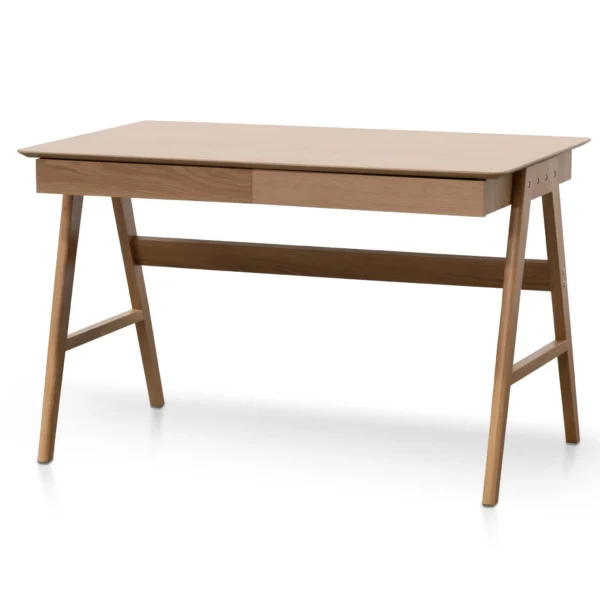
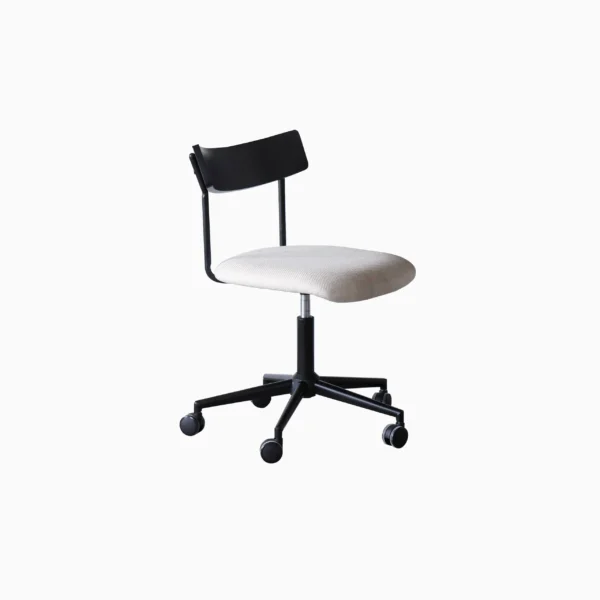
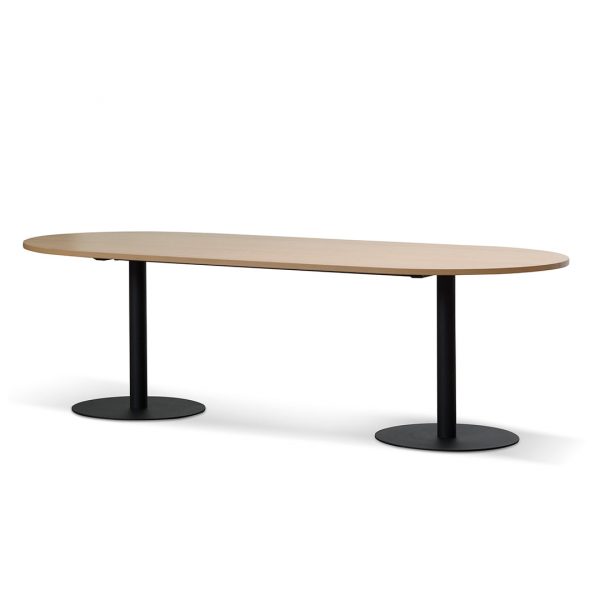
Showing 1–24 of 45 resultsSorted by recommended
-
-
On SaleOriginal price was: $339.00.$298.00Current price is: $298.00.
-
-
On SaleOriginal price was: $1,689.00.$1,486.00Current price is: $1,486.00.
-
-
-
On SaleOriginal price was: $633.00.$557.00Current price is: $557.00.
-
-
-
-
-
-
-
-
-
-
-
-
-
-
-
-
-
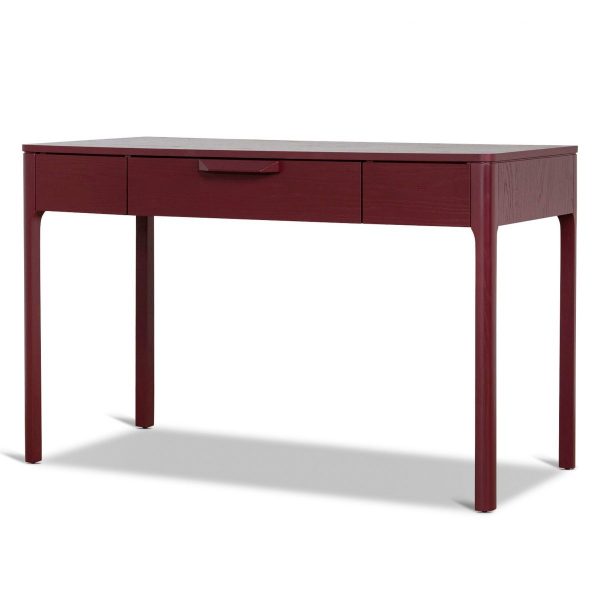

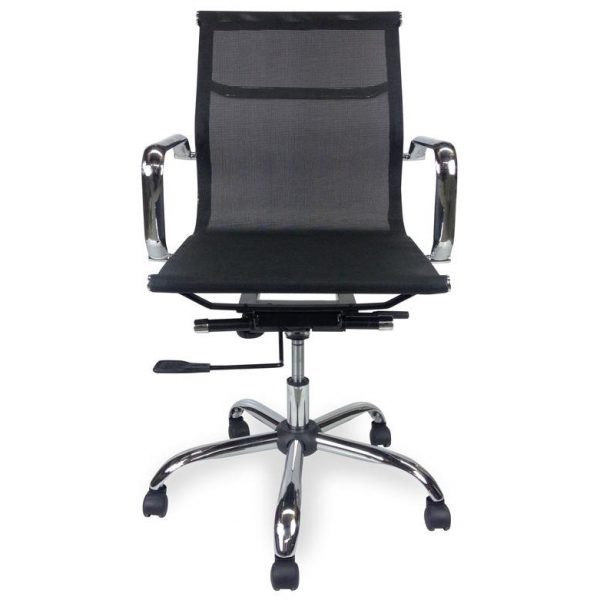
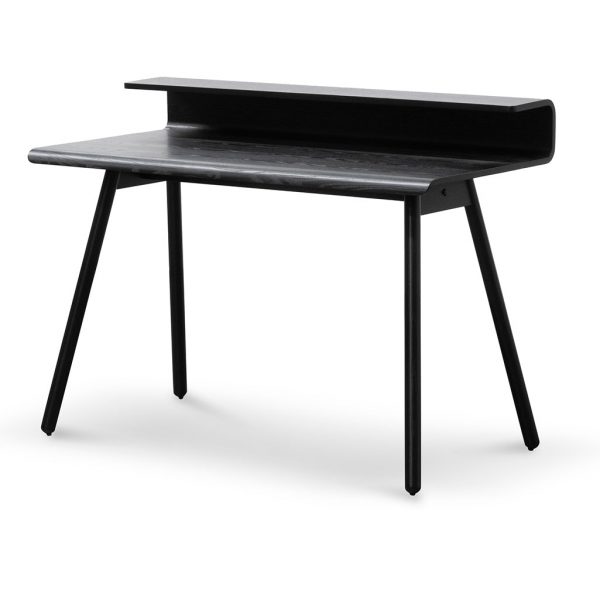
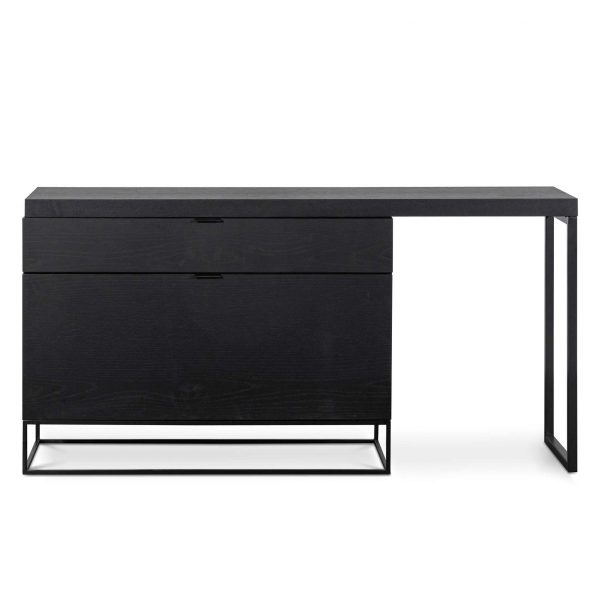

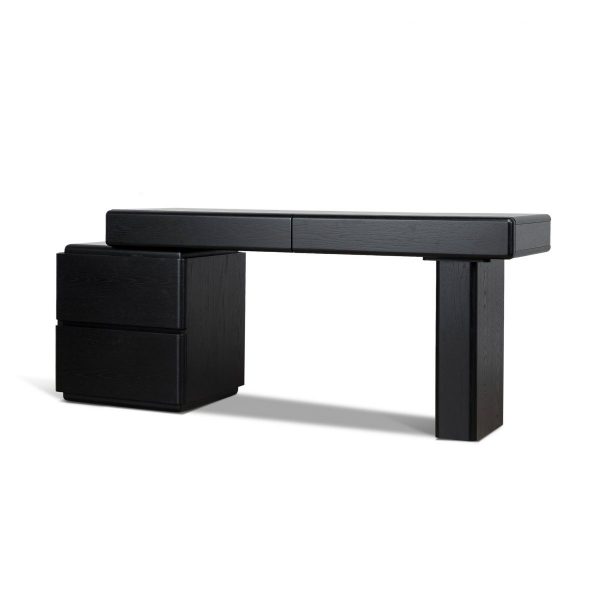
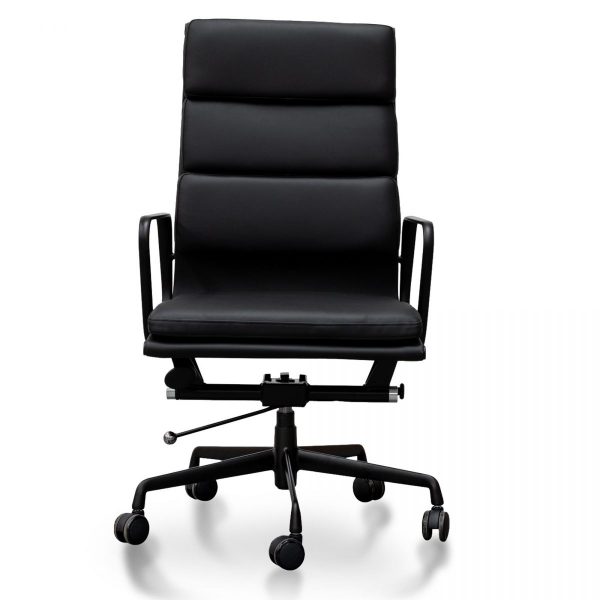
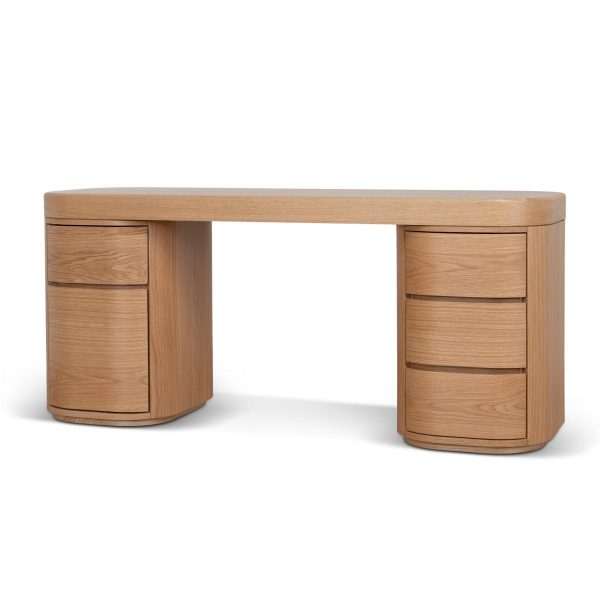
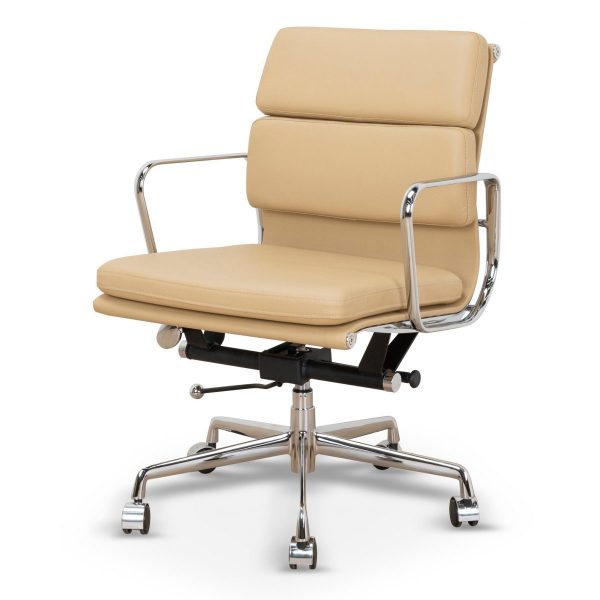
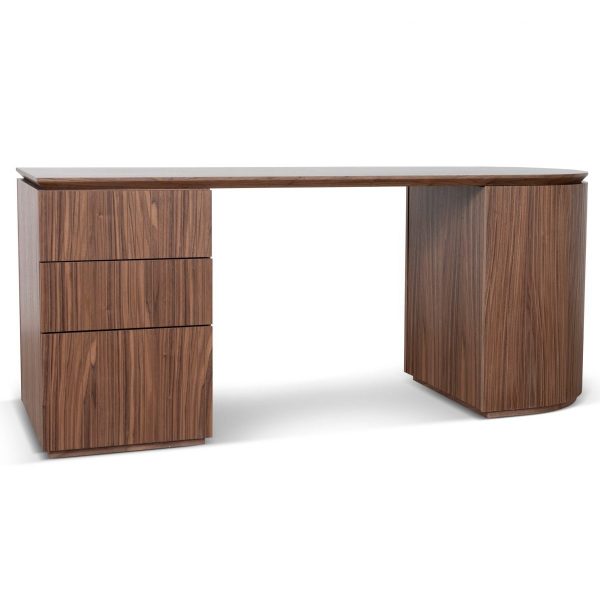
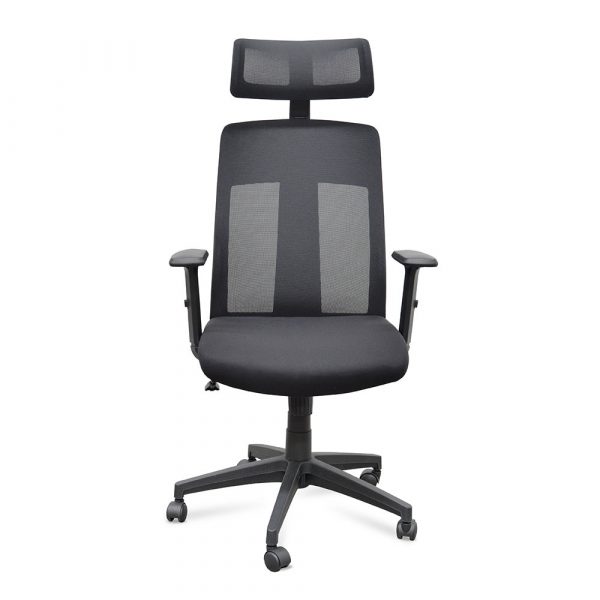
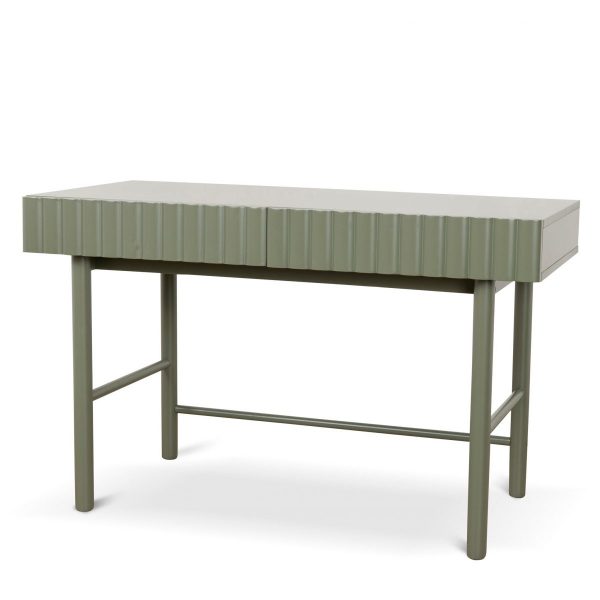
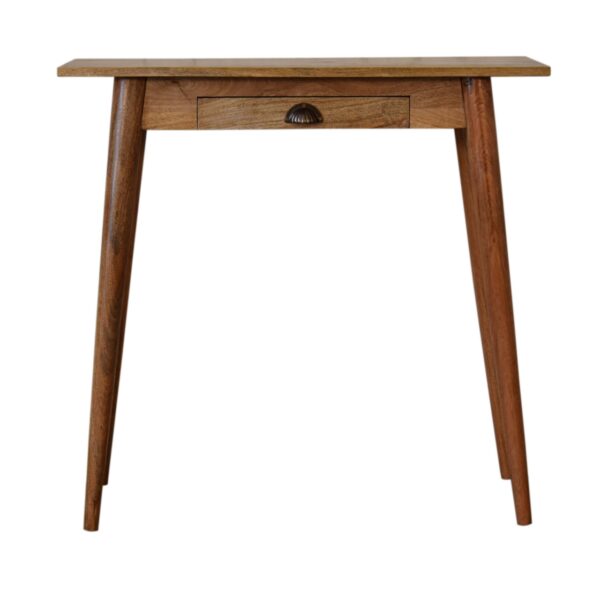
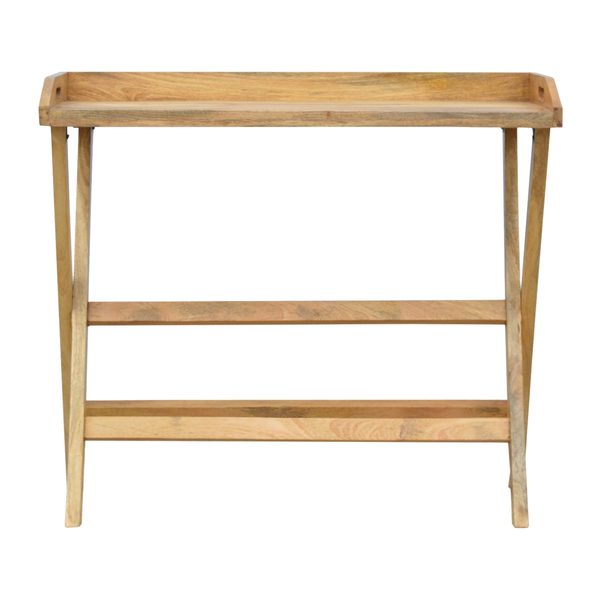
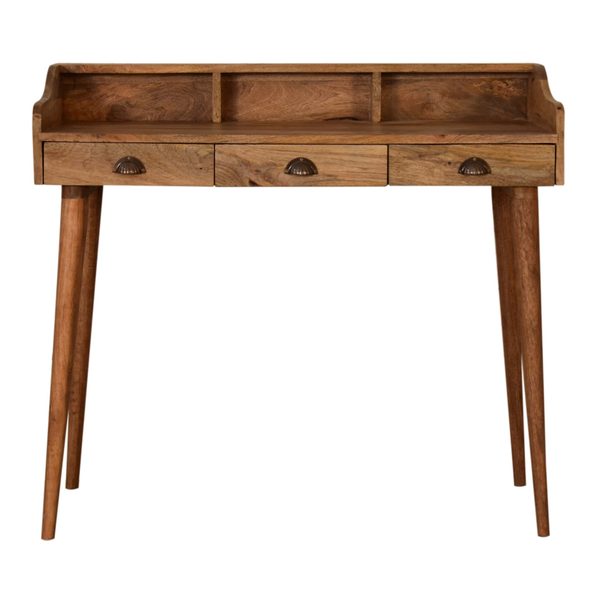

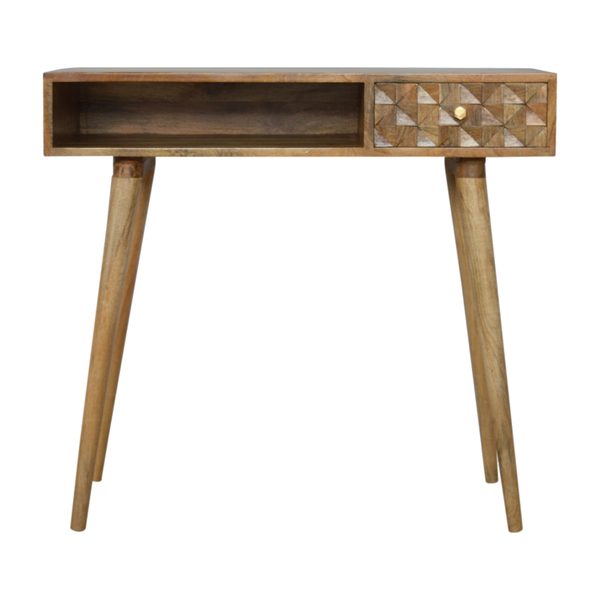
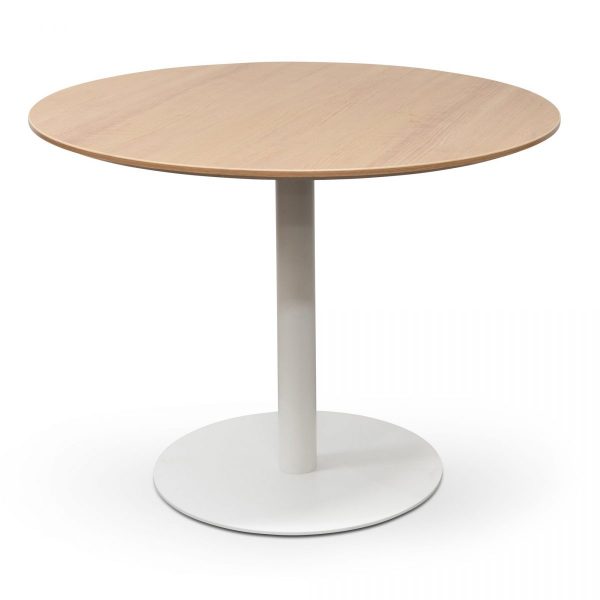
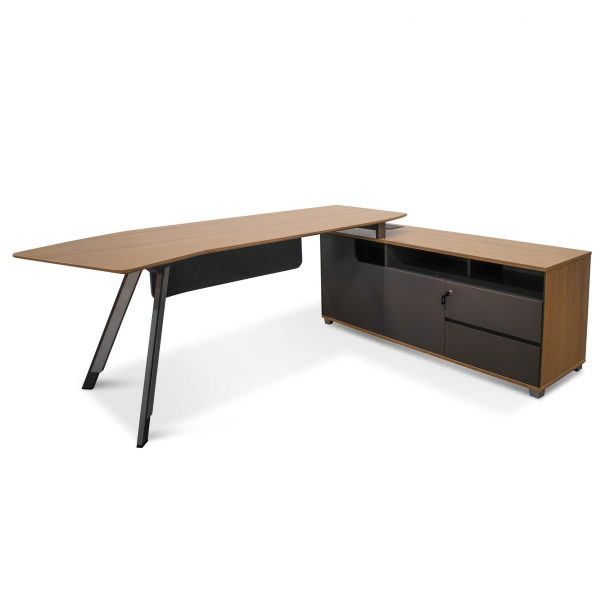
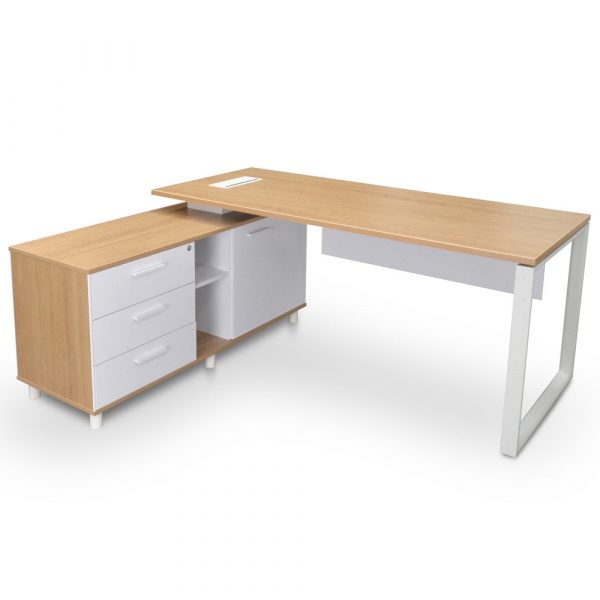
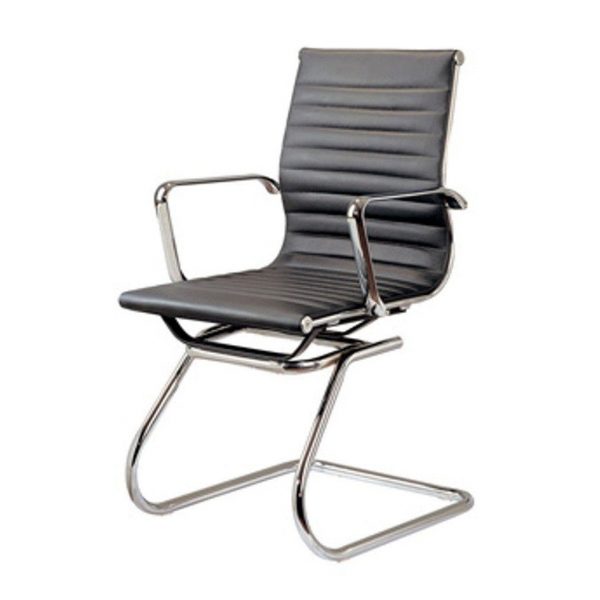
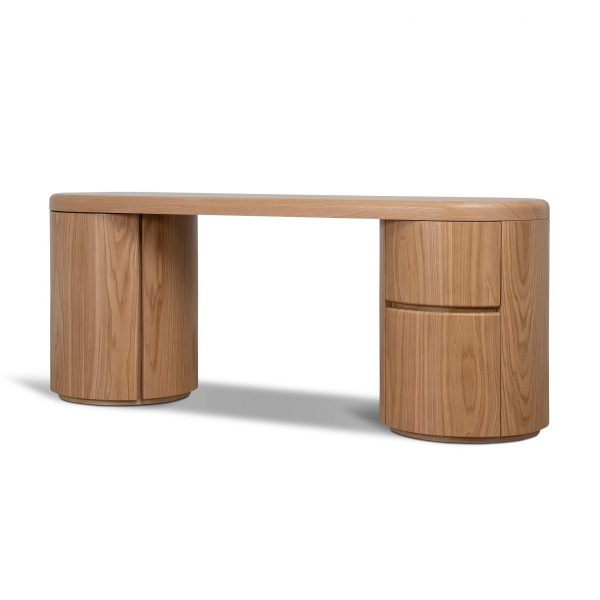
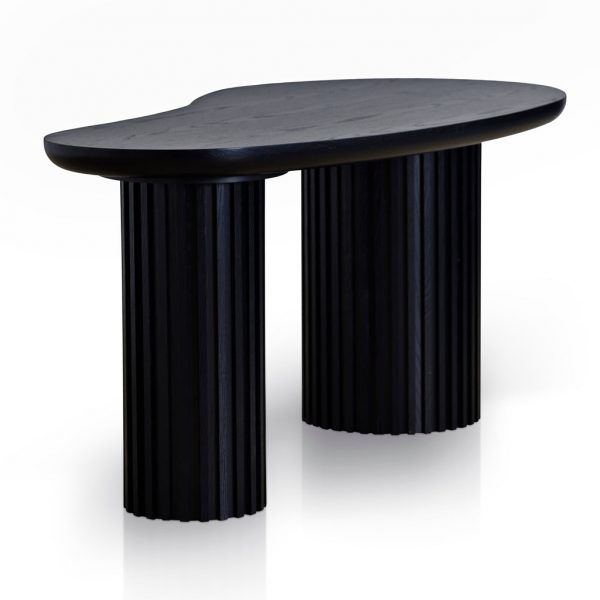
Size the working surface for simultaneous tasks
Lay out the equipment and materials you use at the same time. Include the keyboard and pointing device, not only the screen or laptop. Check whether a notebook or paperwork needs to remain open beside them. Desk depth matters when the screen and hands need different positions.
Compare usable top area after allowing for any raised shelf or other fixed feature. Keep equipment supports within the product’s stated limits, and check whether a monitor arm can attach before assuming it will. If the desk also holds hobbies or creative work, measure those tasks separately. A tidy photograph with one laptop may not represent the space your actual work needs.
Match the seat to the desk and the person
Check seat height, usable seat size and the stated controls against the person using the desk. Compare arm height with the underside and any apron or drawer. An armless chair can avoid that particular clash, but it still needs a suitable seat and back for the intended use.
When possible, test the working position with the equipment you use. Notice whether feet have support, the keyboard is easy to reach and the screen can be placed usefully. If an essential measurement or adjustment is not described, ask about the exact chair instead of inferring it from its name.
Plan the space behind and beneath the desk
Leave space to move the chair away from the desk and get up. Mark drawers or nearby cupboard doors in their open positions so storage access does not conflict with that movement. Think about where another person would pass if the work position sits in a shared room.
Locate outlets and choose a sensible cable route before committing to the desk position. Confirm any supplied cable openings or management features from the listing. Keep the under-desk area usable for legs rather than filling it with storage. A separate small storage piece may be better when equipment, files and a chair all compete for the same footprint.
Frequently Asked Questions
For a workstation that shares a room with home life, compare home office furniture for shared spaces.