
Home Office Furniture
Home office furniture often needs to share space with a bedroom, dining area or living room. The useful question is not how to make the room look like an office; it is how to give work a clear place while the rest of home life still fits. Decide what must stay ready and what you want to put away.
Read moreRead less
A desk can define the work position, while closed storage may keep supplies out of view. Plan their working openings alongside the furniture already in the room. A small footprint only helps when there is enough space to sit, reach and leave the desk.
Showing 1–24 of 45 resultsSorted by recommended
-
-
-
-
On SaleOriginal price was: $1,689.00.$1,486.00Current price is: $1,486.00.
-
-
-
On SaleOriginal price was: $633.00.$557.00Current price is: $557.00.
-
-
-
-
-
-
-
-
-
-
-
-
-
-
-
-
-
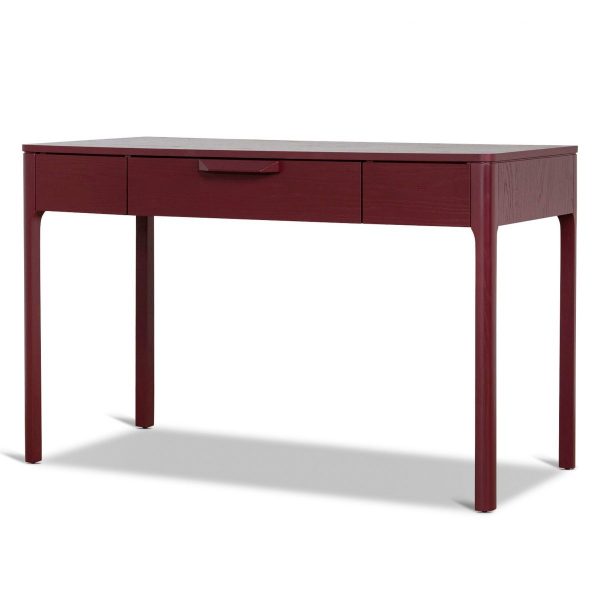

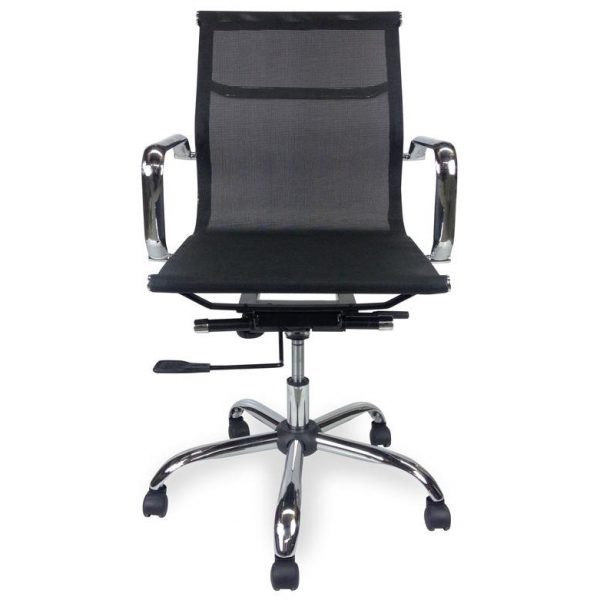
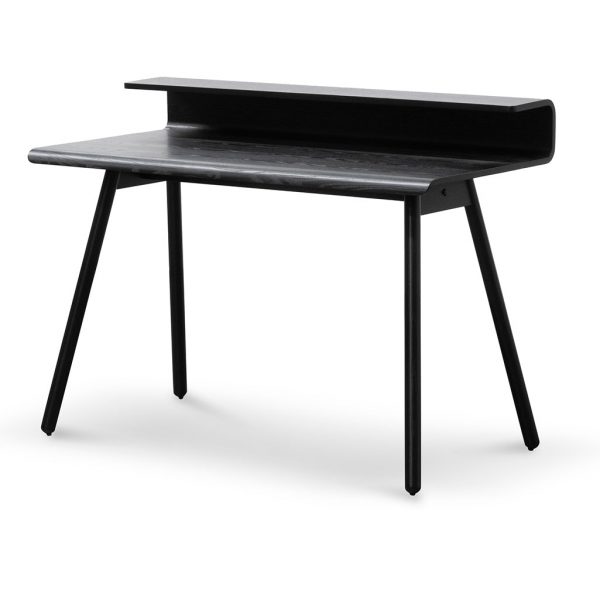
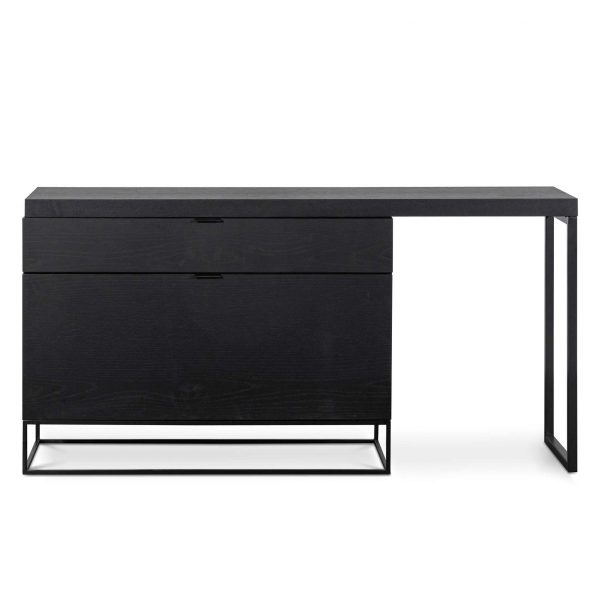

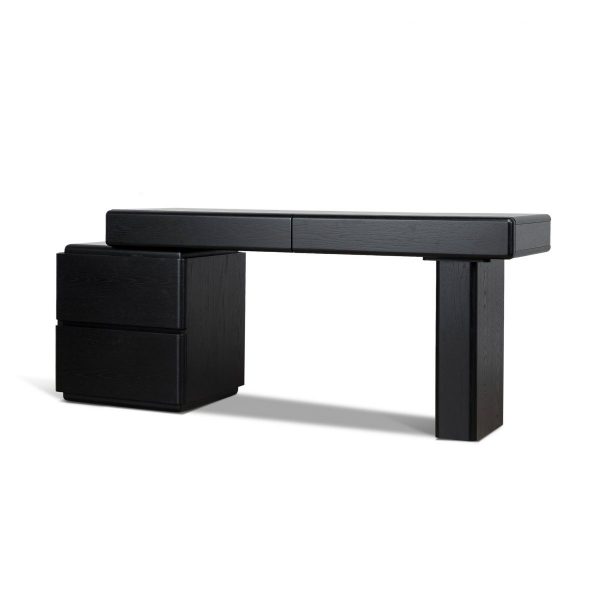
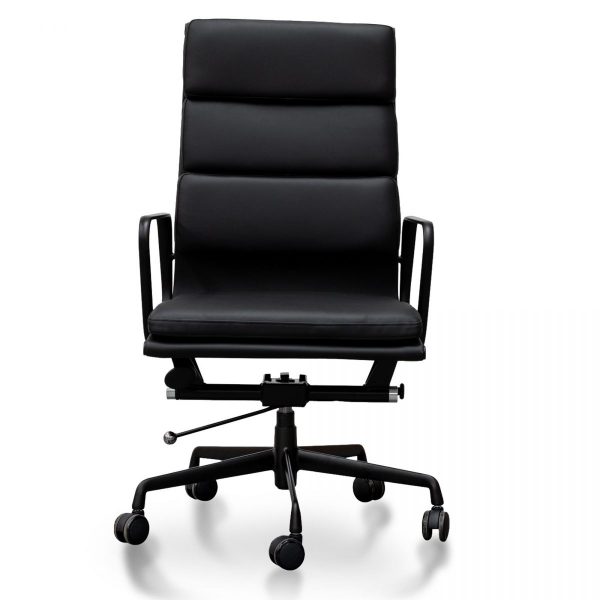
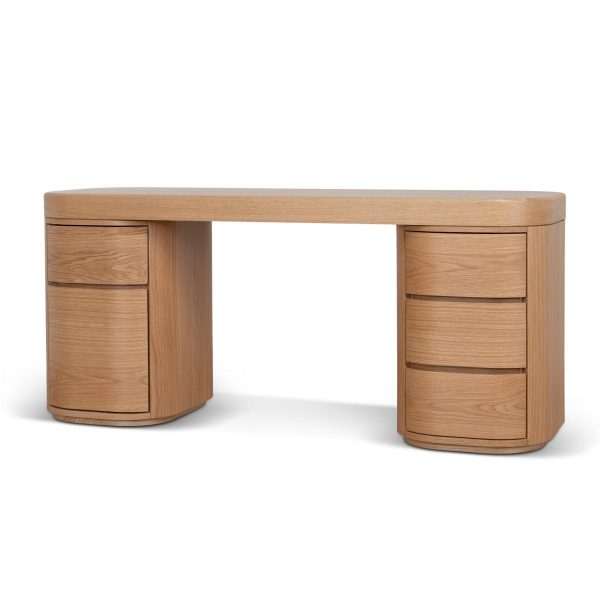
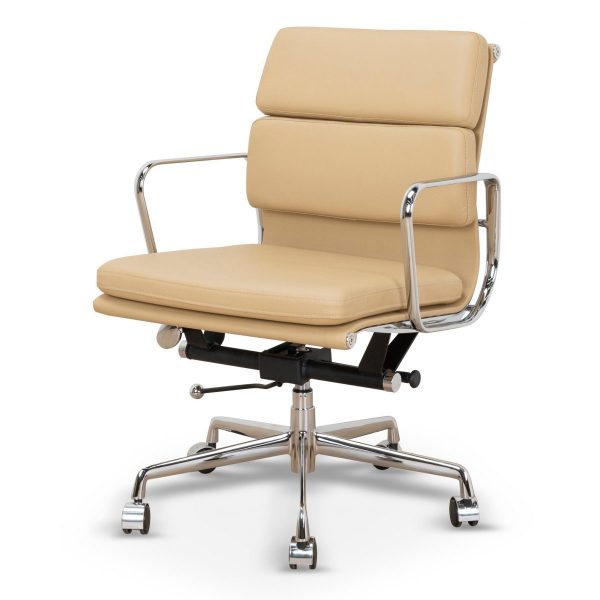
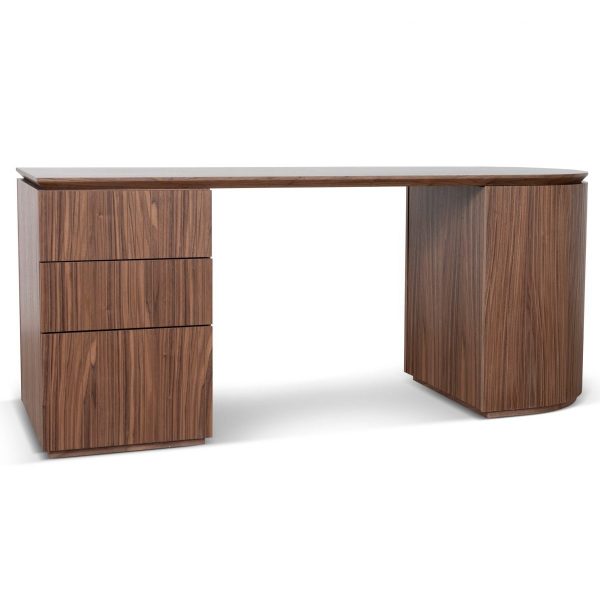
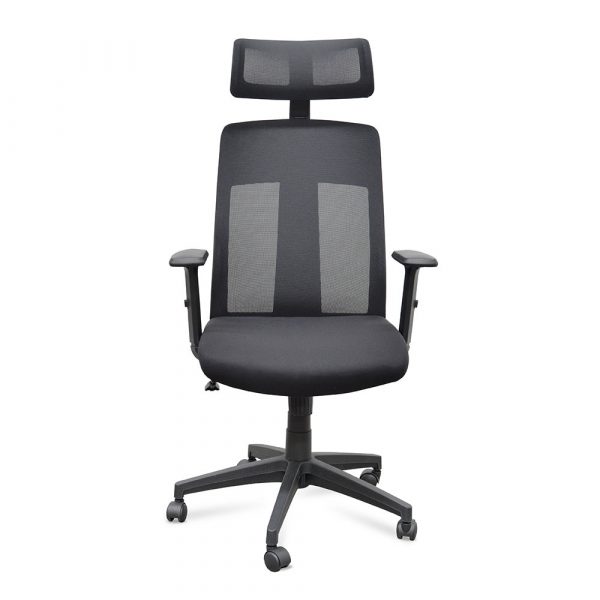
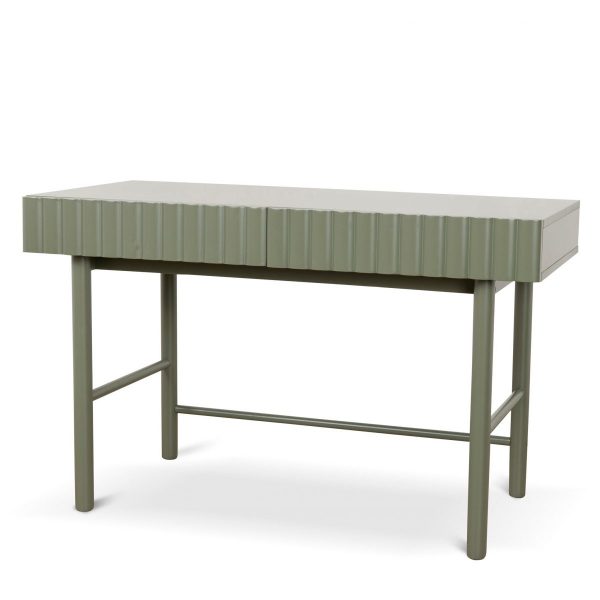
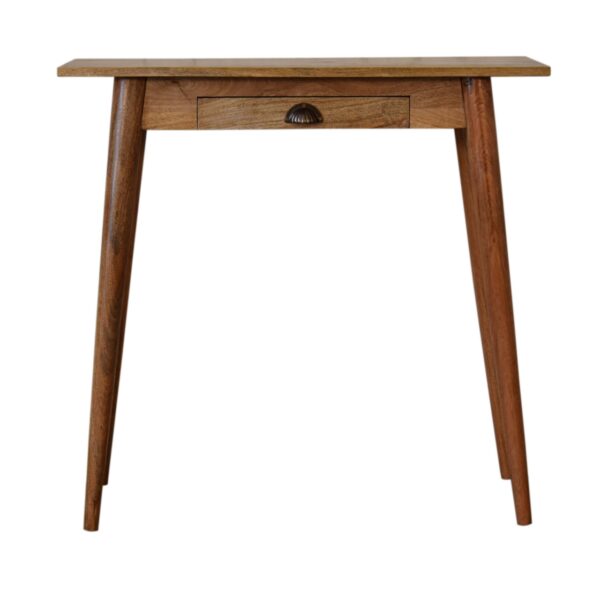
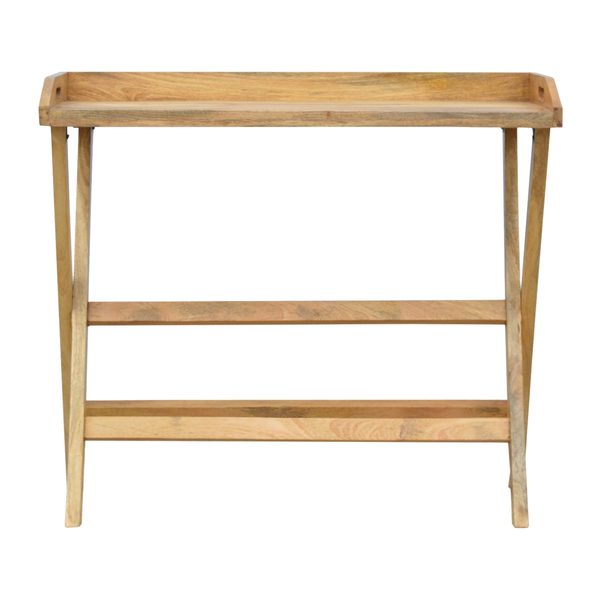
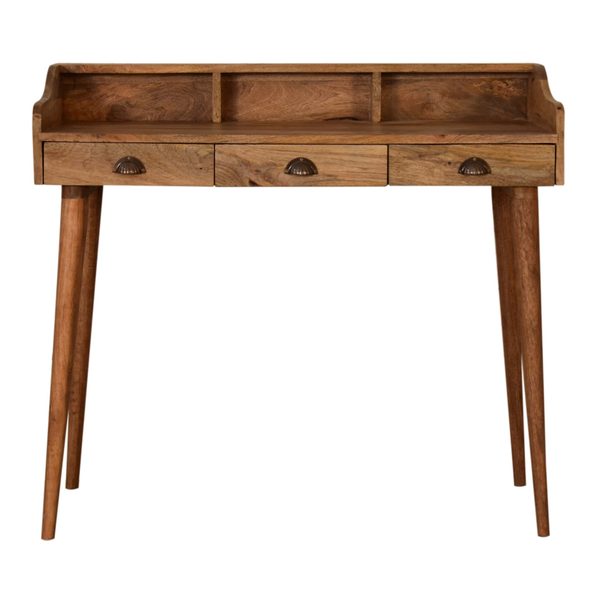

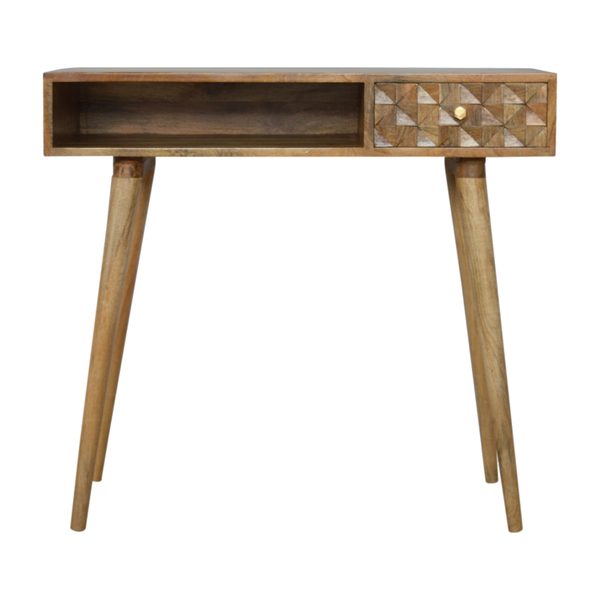
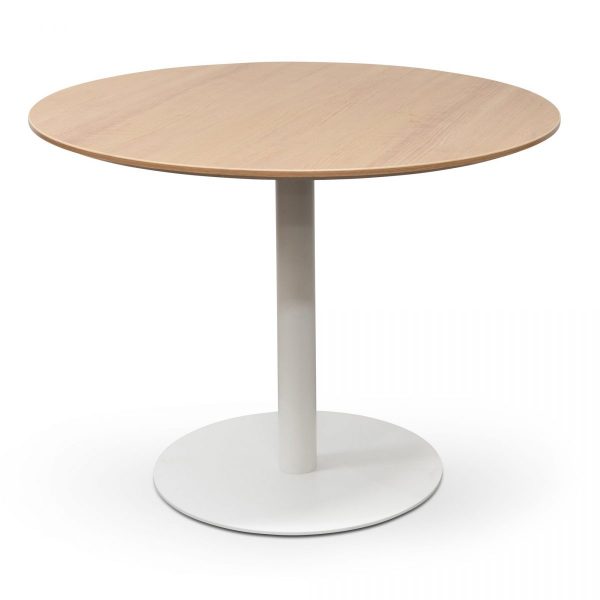
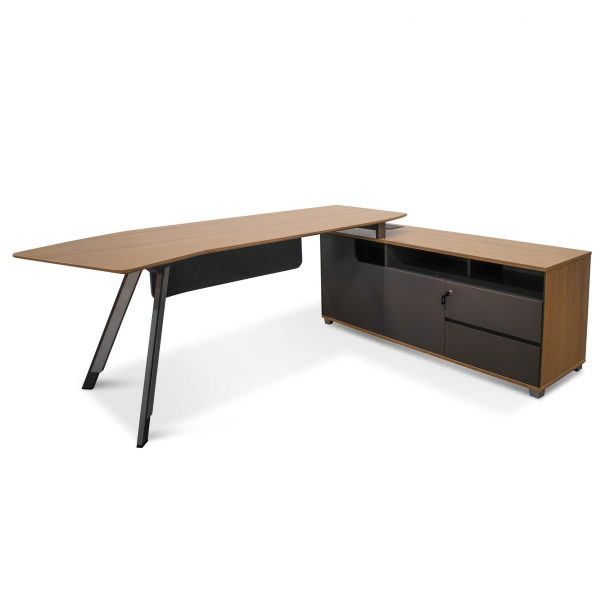
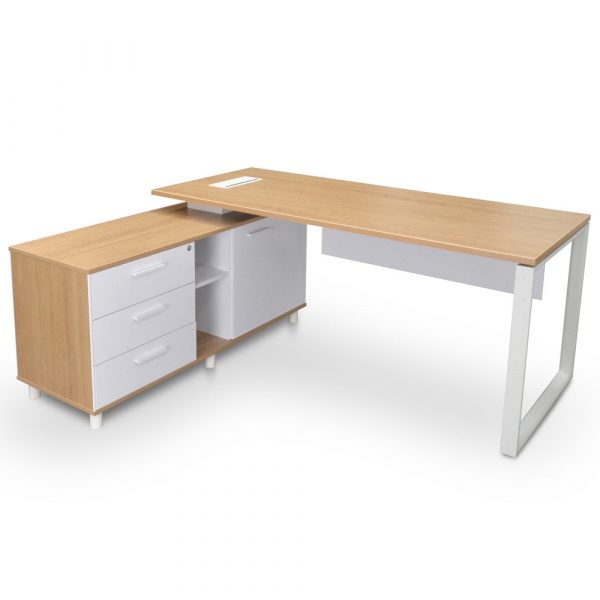
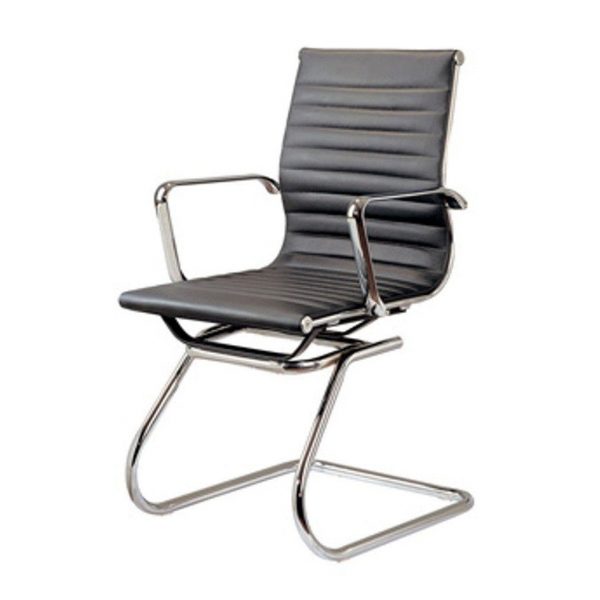
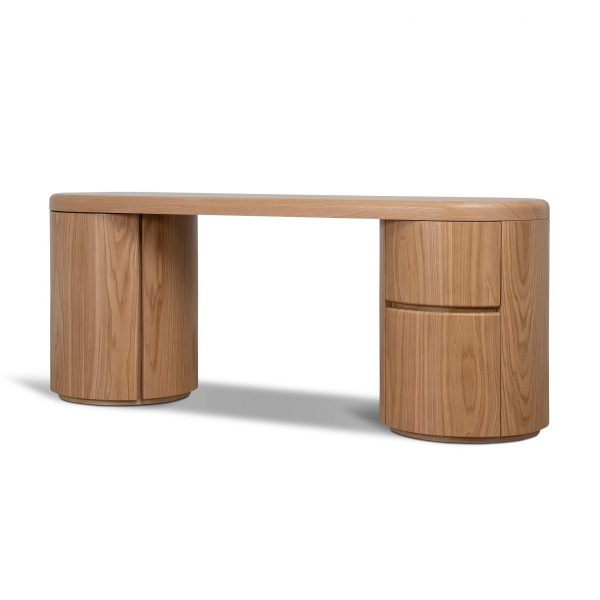
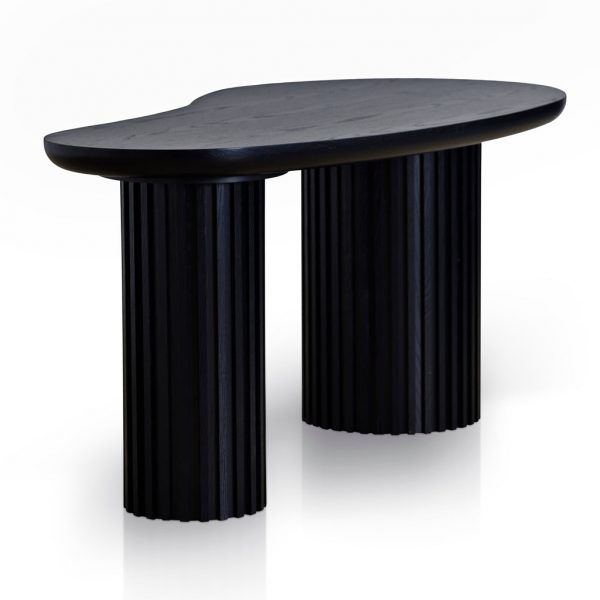
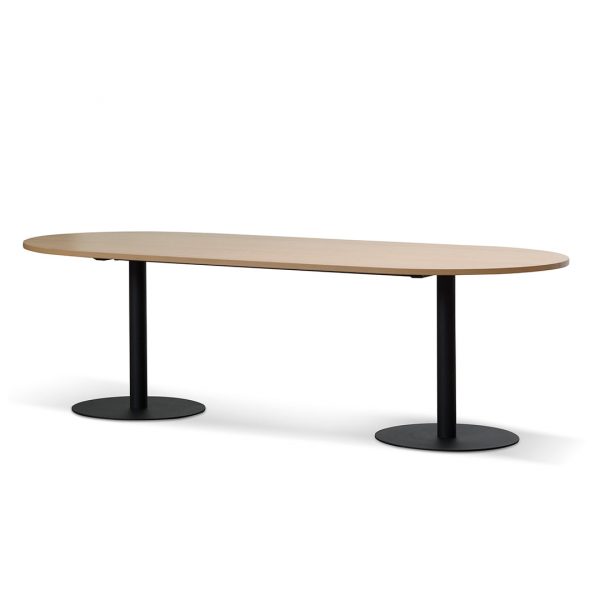
Choose a boundary that works without a separate room
Find a position where the work surface can stay clear and the chair can move normally. Consider daylight, screen reflections and nearby sockets, but also the route to the bed, sofa or dining seats. A corner is useful only if it leaves room for equipment and movement.
Give the work area a simple visual connection to the surrounding room, such as a compatible timber tone or outline. You do not need every piece to match. Check how the desk looks when the chair is pulled out and the screen is in place, rather than judging a photograph with the working equipment removed. The occupied arrangement is the one your household will live beside.
Plan what happens when the workday ends
Decide which things must remain set up and which should disappear from the shared room. A screen may stay on the desk, while papers, chargers and small supplies need a defined home. Measure the belongings before choosing drawers or a nearby cabinet.
Keep daily storage easy to use from the work position. If putting away paperwork means moving a chair and opening a distant cupboard, the routine may not last. Check usable compartment sizes and door movement. For objects you need to protect or keep private, confirm the actual closure or lock features; an opaque front alone does not establish secure storage.
Keep the shared room useful while work is happening
Picture the busiest overlap: one person at the desk while another gets dressed, uses storage or passes through. Leave those activities a practical route. A chair that tucks under the desk when empty may still occupy the only passage during work, so test both positions.
If calls are part of your work, choose the position with its background and ordinary room noise in mind. Keep cables out of shared routes using arrangements suitable for the equipment. If one permanent work position makes the room difficult for everyone else, reconsider its location or reduce the furniture rather than shrinking the usable seat or surface below your needs.
Frequently Asked Questions
Need to compare the desk and chair position in more detail? Use the home office setup guide.