
Buffets & Sideboards
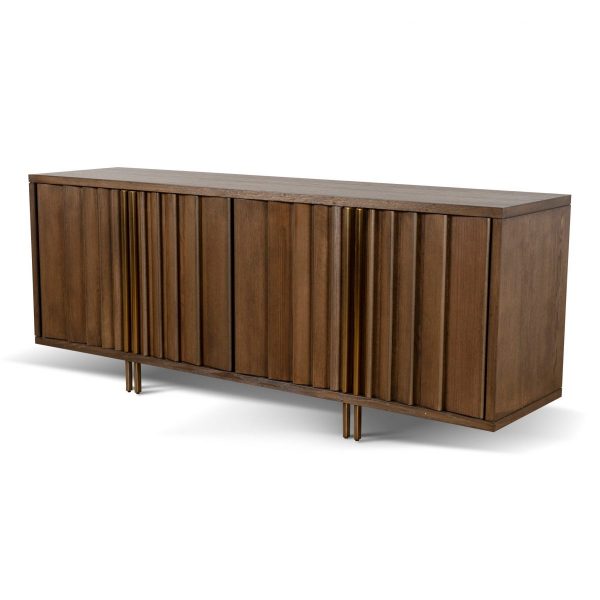
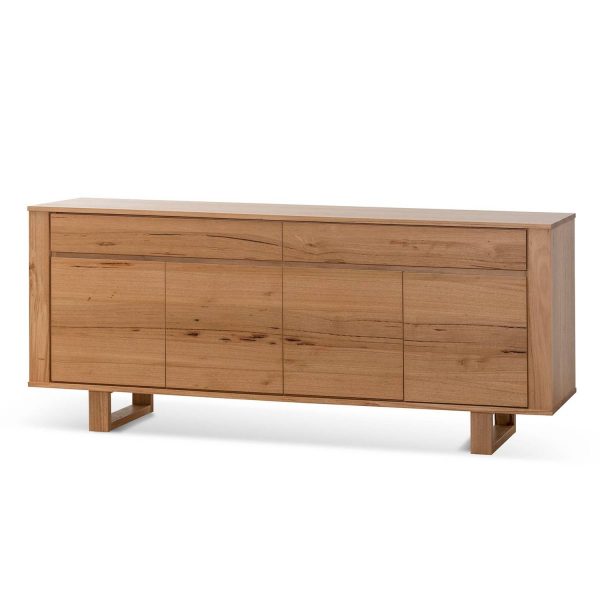
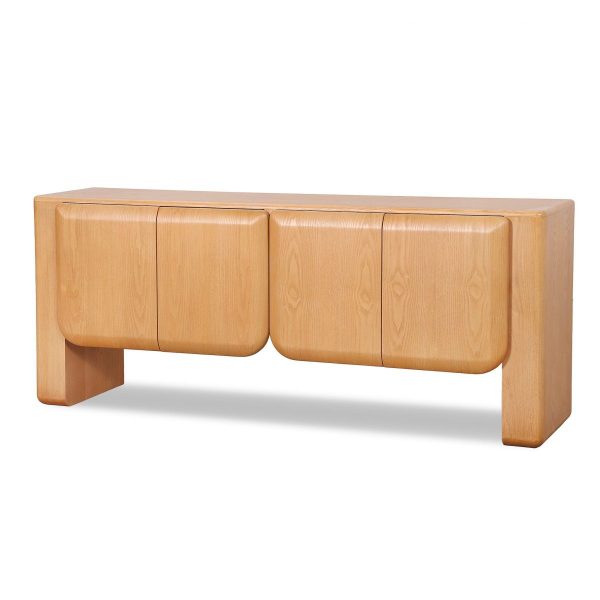
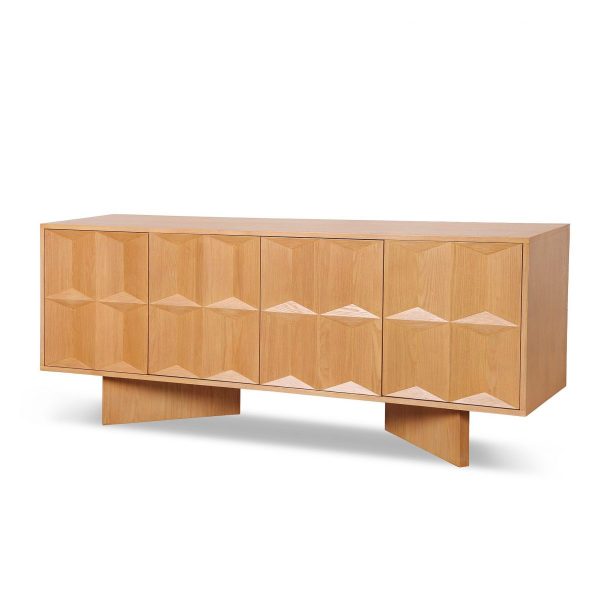
Buffets and sideboards should make the things you keep easier to organise and reach. Start with the objects: plates, serving pieces or another household group can need different compartment shapes. Compare the usable interior with those items, then check the complete cabinet in the room. A long exterior does not establish the storage arrangement behind every door.
Read moreRead less
Use this collection to choose the lower storage role before finalising materials. Storage furniture provides the wider comparison. Sideboards with drawers focus on smaller sorted items, while sideboards with shelves help assess upright or stacked groups. Dining room storage brings the table routine into the decision. Choose a cabinet whose actual compartments, access and top all serve your intended room.
Showing 1–24 of 70 resultsSorted by recommended
-
Week’s PickOriginal price was: $1,956.00.$1,623.00Current price is: $1,623.00.
-
-
-
On SaleOriginal price was: $2,363.00.$2,079.00Current price is: $2,079.00.
-
-
On SaleOriginal price was: $2,523.00.$2,220.00Current price is: $2,220.00.
-
-
On SaleOriginal price was: $2,449.00.$2,155.00Current price is: $2,155.00.
-
On SaleOriginal price was: $2,916.00.$2,566.00Current price is: $2,566.00.
-
On SaleOriginal price was: $2,517.00.$2,215.00Current price is: $2,215.00.
-
On SaleOriginal price was: $2,109.00.$1,856.00Current price is: $1,856.00.
-
On SaleOriginal price was: $2,285.00.$2,011.00Current price is: $2,011.00.
-
On SaleOriginal price was: $2,344.00.$2,063.00Current price is: $2,063.00.
-
On SaleOriginal price was: $1,594.00.$1,403.00Current price is: $1,403.00.
-
On SaleOriginal price was: $2,479.00.$2,182.00Current price is: $2,182.00.
-
On SaleOriginal price was: $2,129.00.$1,874.00Current price is: $1,874.00.
-
On SaleOriginal price was: $1,862.00.$1,639.00Current price is: $1,639.00.
-
-
-
-
-
-
-
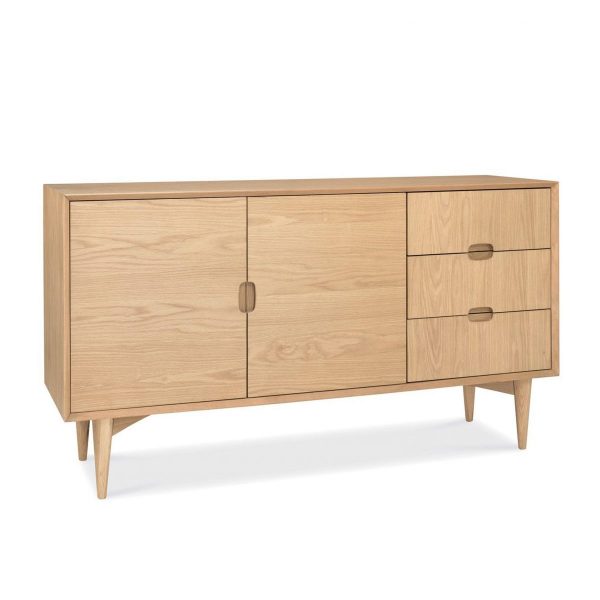


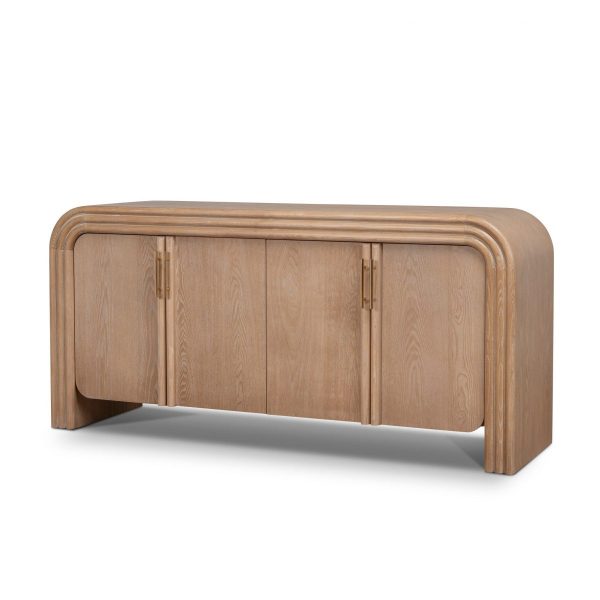
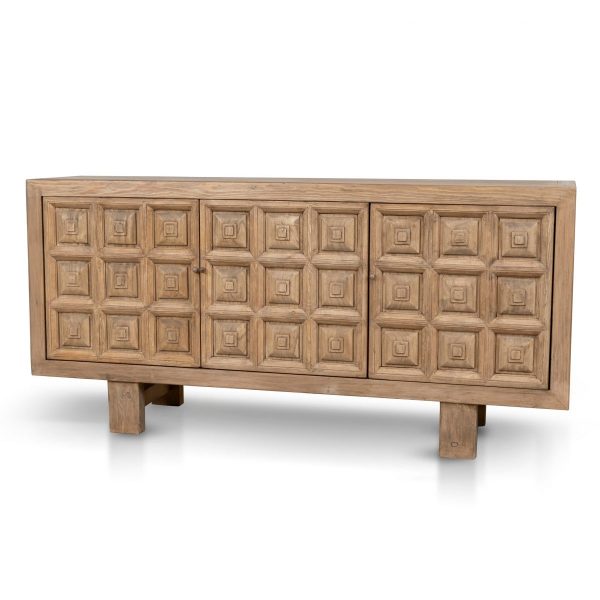
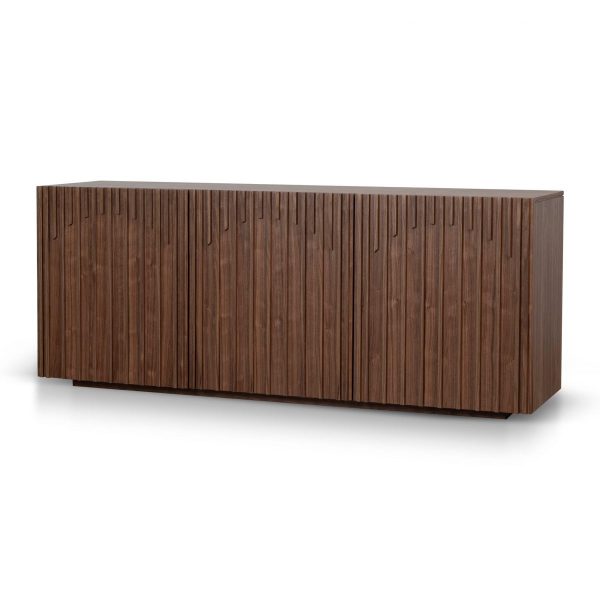
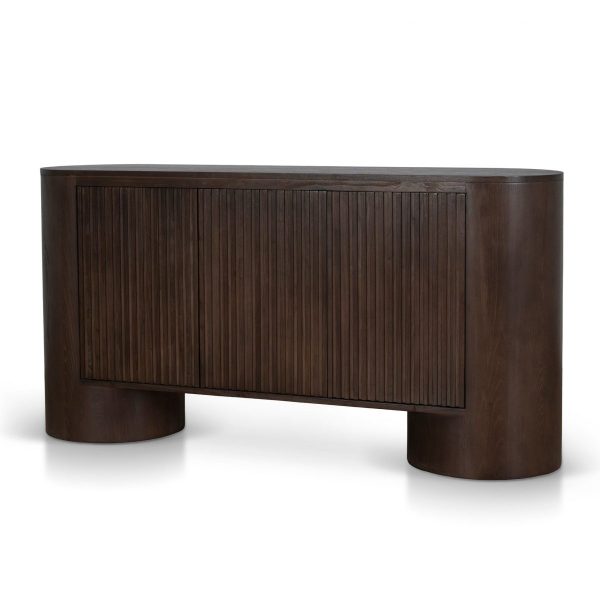
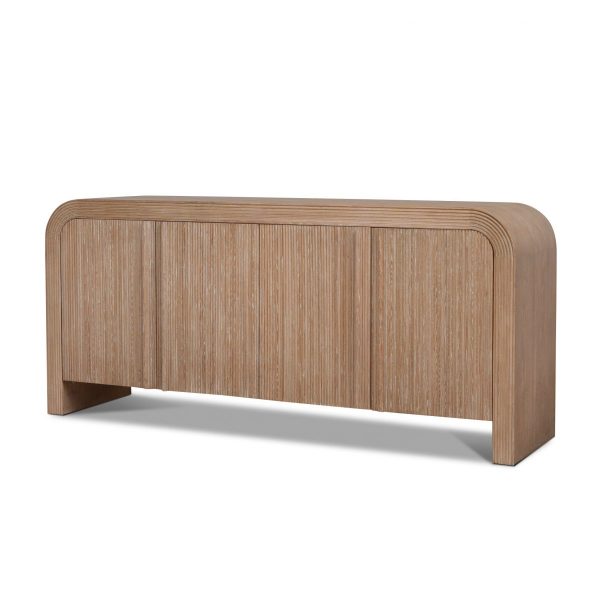

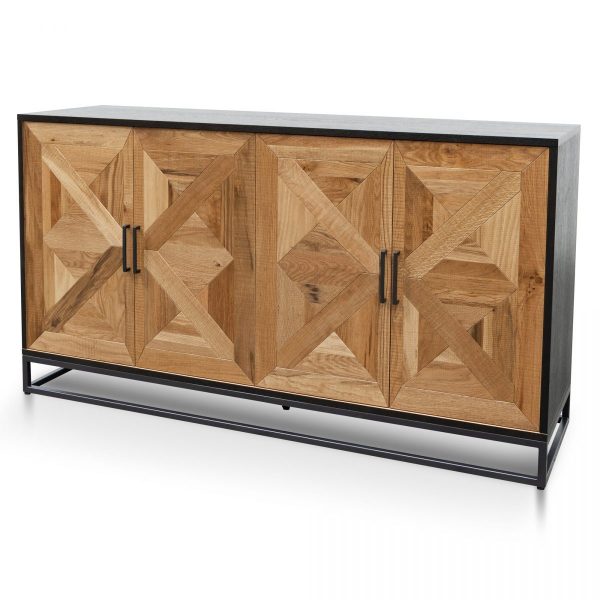
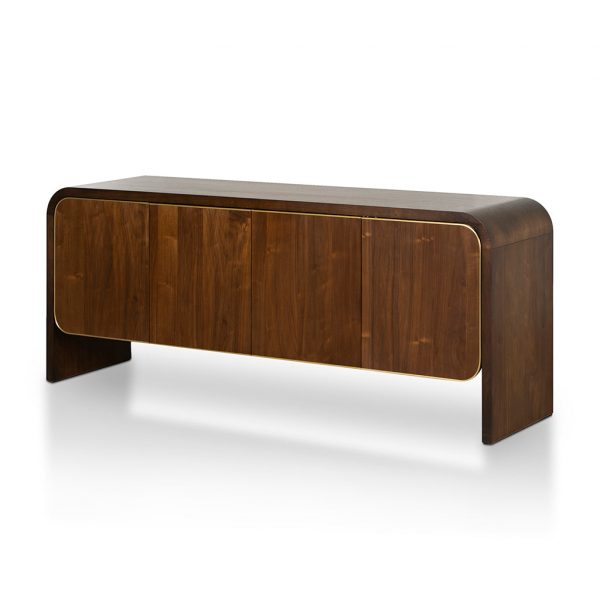
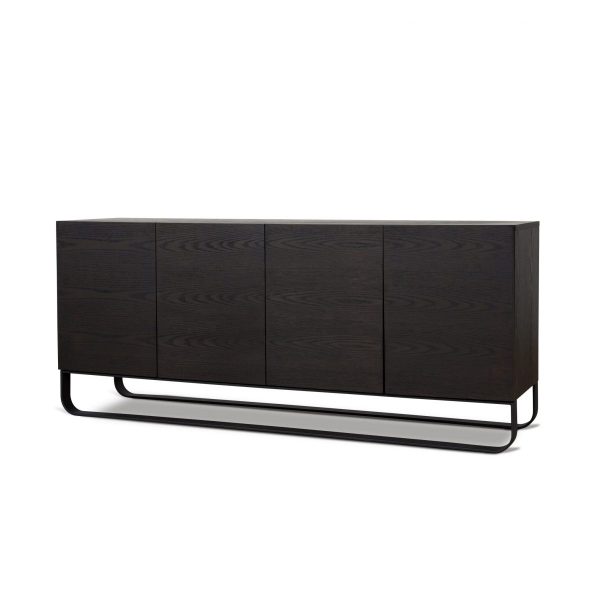
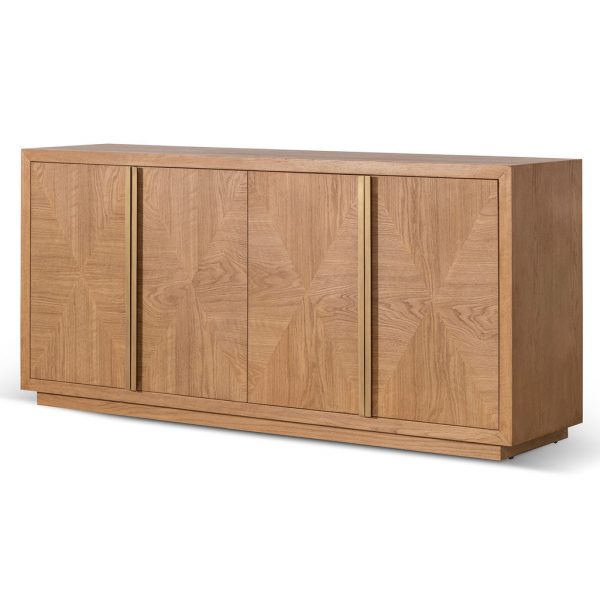
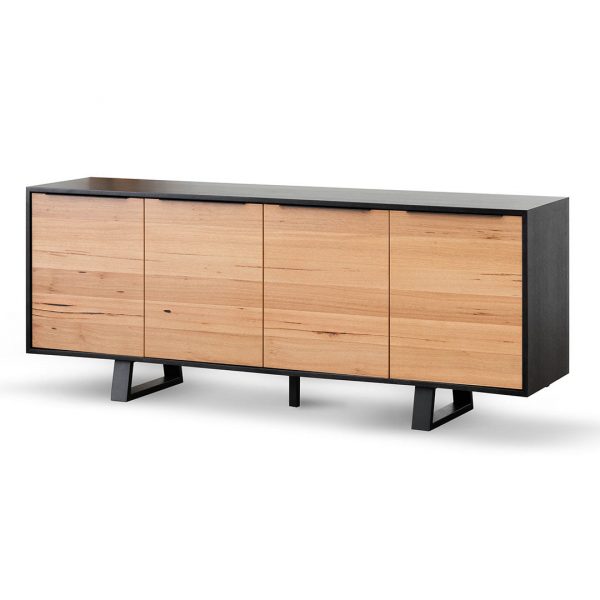
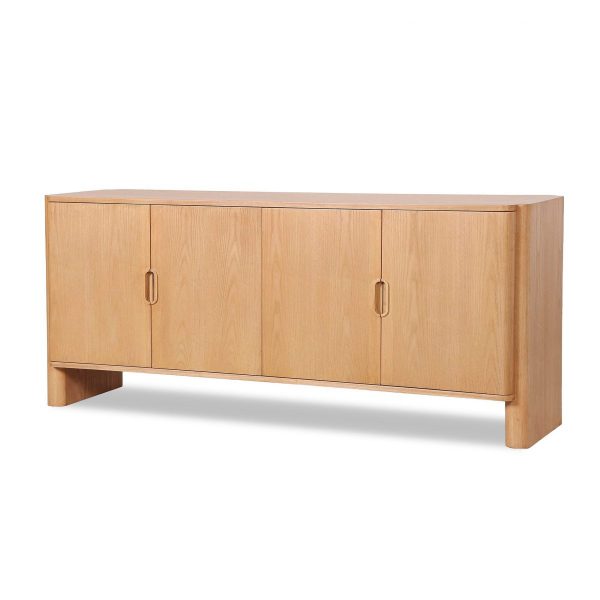

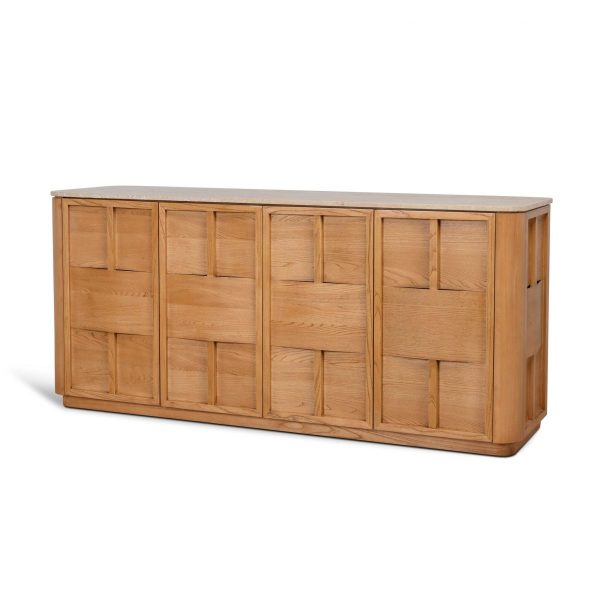
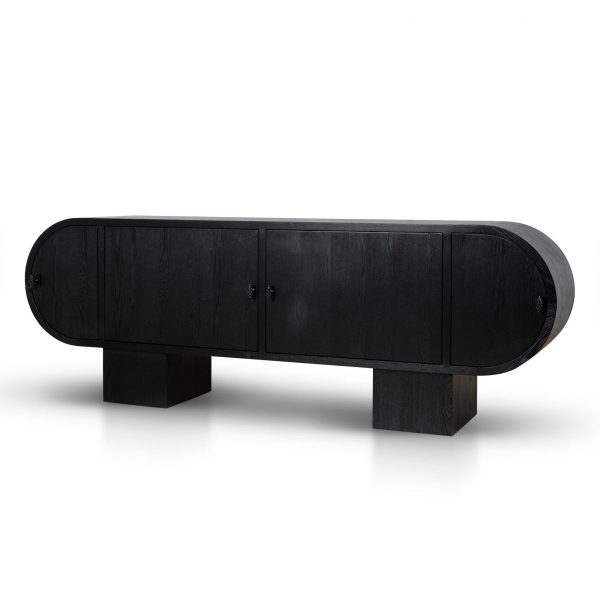
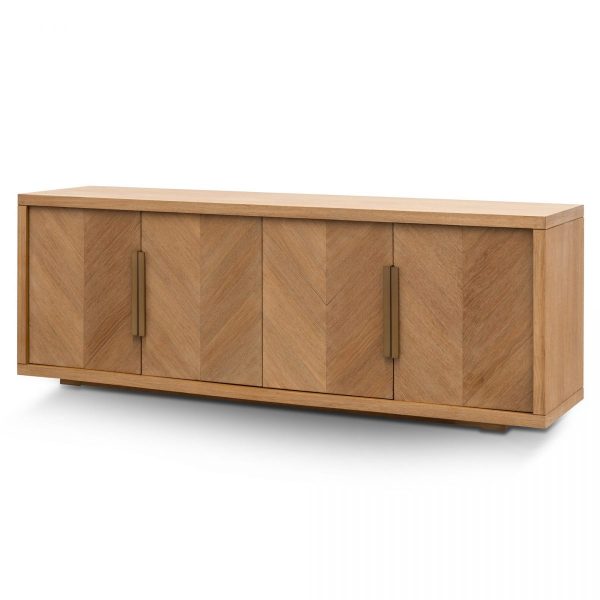
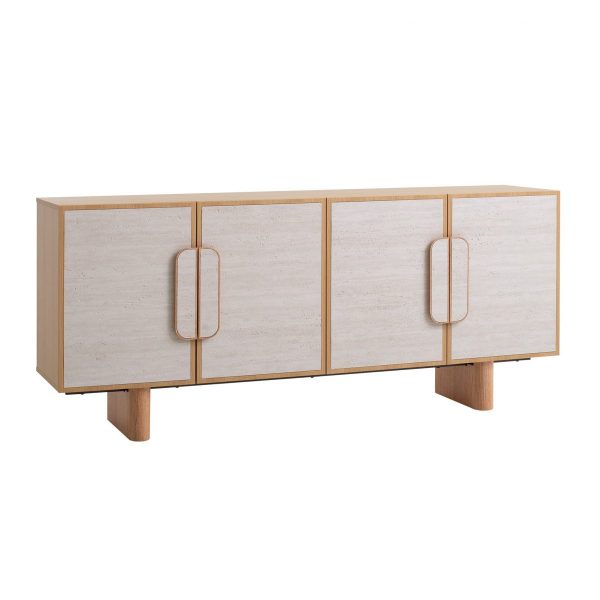
Sort the objects before deciding on doors and drawers
Group the items you want to store, separating smaller loose pieces from plates, taller vessels or another bulky object. Measure the groups as they will actually be arranged. Stacking everything into one pile can conceal the clearance needed to lift out an item without disturbing the rest.
Read internal width, depth and usable height rather than relying on outer cabinet size. Note dividers, hinges and other intrusions in the actual configuration. Drawers, shelves and adjustable fittings must be documented for the selected design. Sideboards with storage offer a deeper capacity check. Choose the compartment mix through ordinary retrieval, not the visual number of doors on the front.
Plan the cabinet while its storage is being used
Place the full assembled footprint against the intended wall, with skirtings or other fixed limits included. Then plot the documented door and drawer movement. Allow space for a person to retrieve items while nearby furniture remains in place. A cabinet can fit closed but interrupt the room when opened.
For a dining position, include chairs pulled back from the table and the route used during meals. Dining tables provide that related layout comparison. A slim sideboard may be worth comparing where depth is limited, but its usable interior and open movement still matter. Resolve access before choosing a longer cabinet purely for the wall composition.
Give the top a clear role and follow installation guidance
Decide whether the top will display objects, support another documented item or provide a temporary serving area. Read actual surface material, care and any loading instructions. A buffet name does not make every finish suitable for hot dishes or equipment. Keep the top’s purpose separate from the storage capacity below.
Compare material and finish with permanent room furniture after the working layout is clear. Timber sideboards and glass sideboards offer different component directions. Read assembly and installation instructions, including any required securing, and check delivery access for the largest component. Ask benssur about missing internal or opening dimensions so the finished cabinet provides useful storage as well as a considered room feature.