
Timber Sideboards
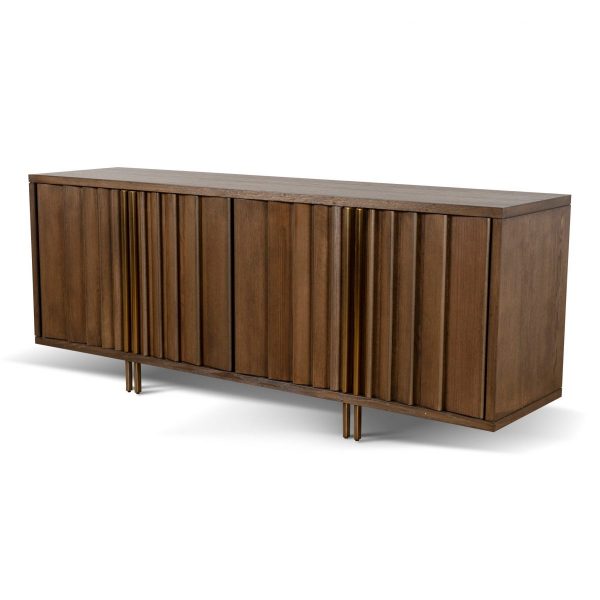
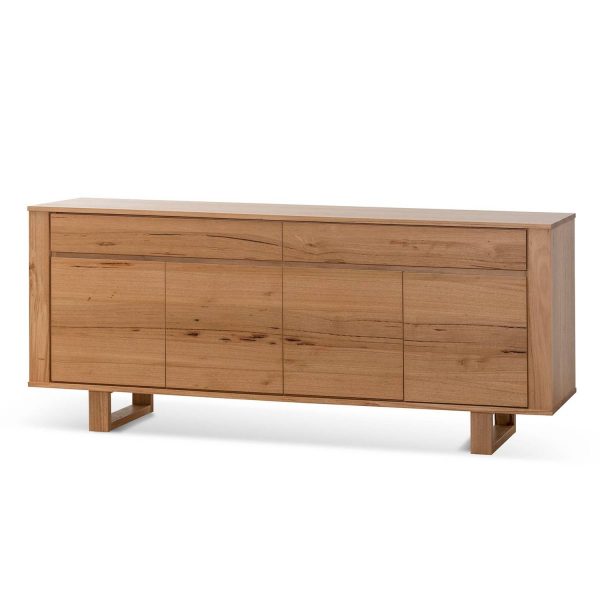
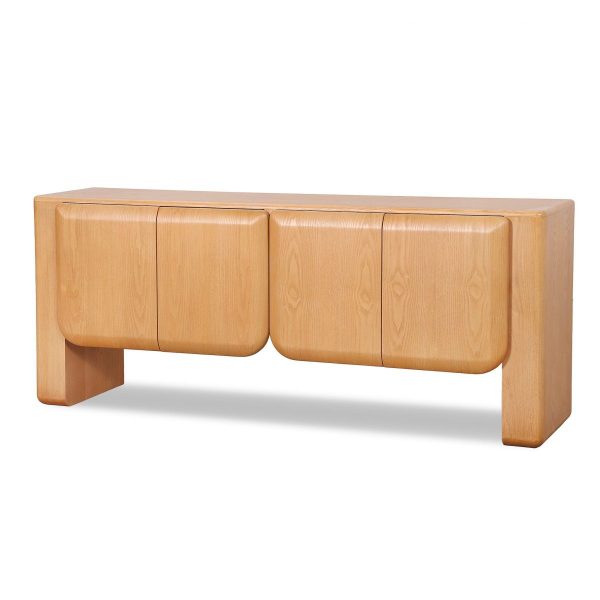
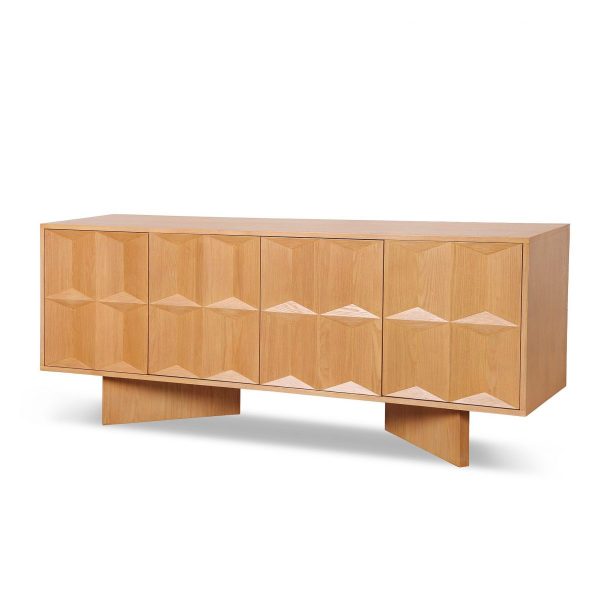
Timber sideboards should be compared through the actual wood components as well as their appearance. Start with front, top, sides, supports and internal materials. A timber description may cover specified areas beside veneer or another construction, so read the construction of each part. Then read the coating that meets objects and regular handle contact. Species alone does not explain the complete cabinet.
Read moreRead less
Use this collection to choose that wood build within practical storage. Buffets and sideboards provide the wider compartment guide. Natural timber sideboards focus more on visible grain, while oak veneer sideboards examine a documented wood layer. Choose components and finish alongside the room’s conditions and the daily use of the cabinet.
Showing 1–24 of 70 resultsSorted by recommended
-
Week’s PickOriginal price was: $1,956.00.$1,623.00Current price is: $1,623.00.
-
-
-
On SaleOriginal price was: $2,363.00.$2,079.00Current price is: $2,079.00.
-
-
On SaleOriginal price was: $2,523.00.$2,220.00Current price is: $2,220.00.
-
-
On SaleOriginal price was: $2,449.00.$2,155.00Current price is: $2,155.00.
-
On SaleOriginal price was: $2,916.00.$2,566.00Current price is: $2,566.00.
-
On SaleOriginal price was: $2,517.00.$2,215.00Current price is: $2,215.00.
-
On SaleOriginal price was: $2,109.00.$1,856.00Current price is: $1,856.00.
-
On SaleOriginal price was: $2,285.00.$2,011.00Current price is: $2,011.00.
-
On SaleOriginal price was: $2,344.00.$2,063.00Current price is: $2,063.00.
-
On SaleOriginal price was: $1,594.00.$1,403.00Current price is: $1,403.00.
-
On SaleOriginal price was: $2,479.00.$2,182.00Current price is: $2,182.00.
-
On SaleOriginal price was: $2,129.00.$1,874.00Current price is: $1,874.00.
-
On SaleOriginal price was: $1,862.00.$1,639.00Current price is: $1,639.00.
-
-
-
-
-
-
-
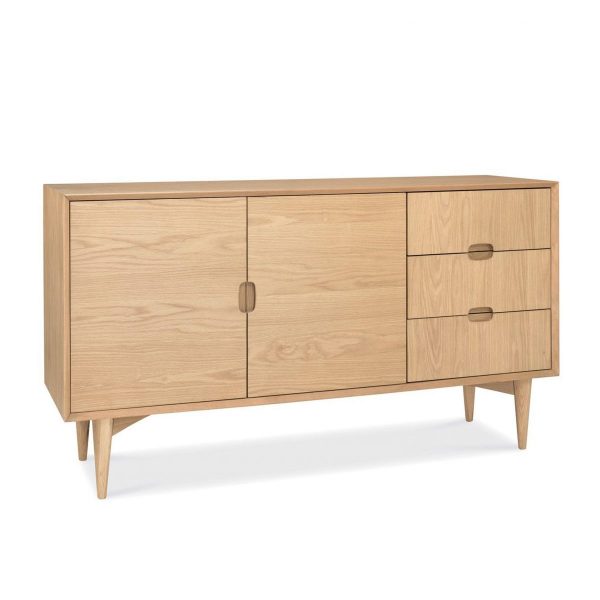


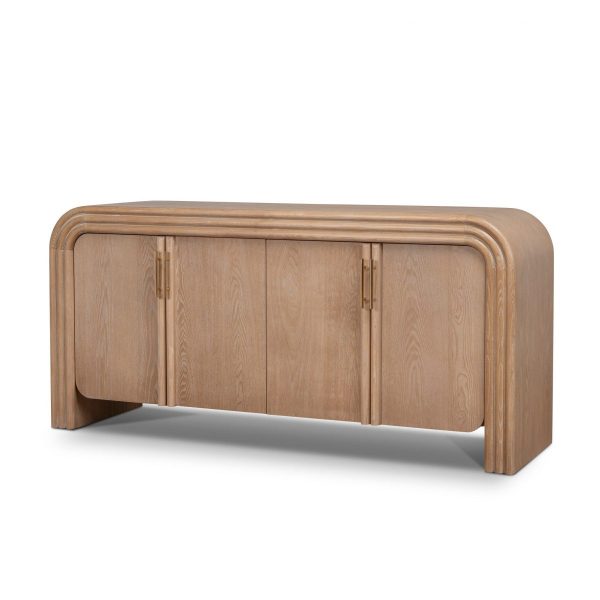
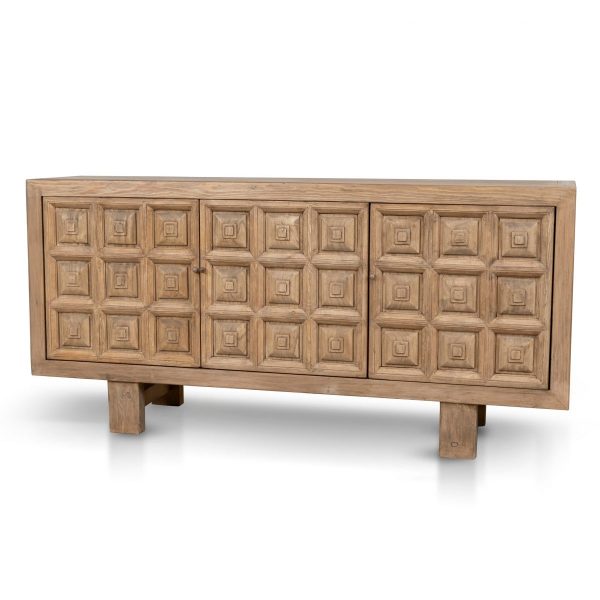
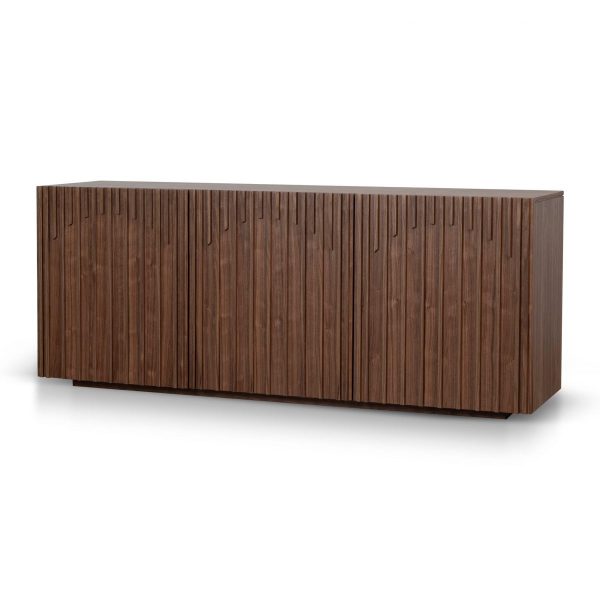

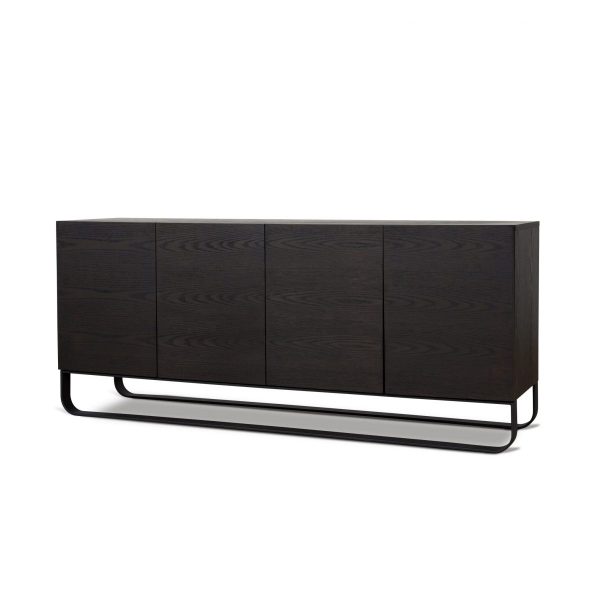
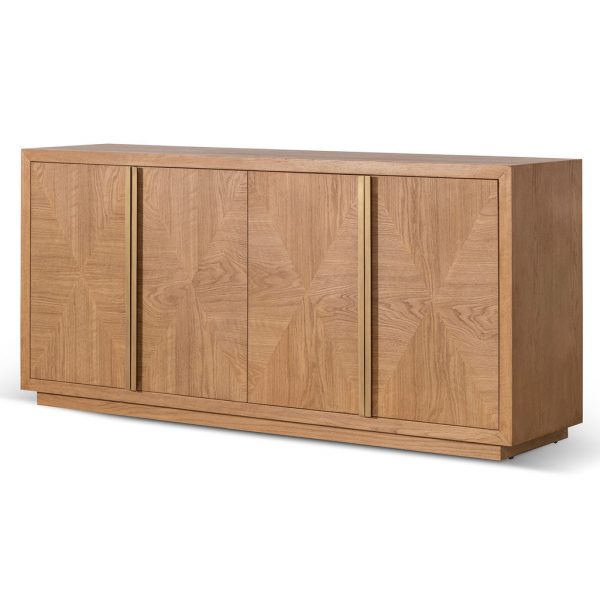
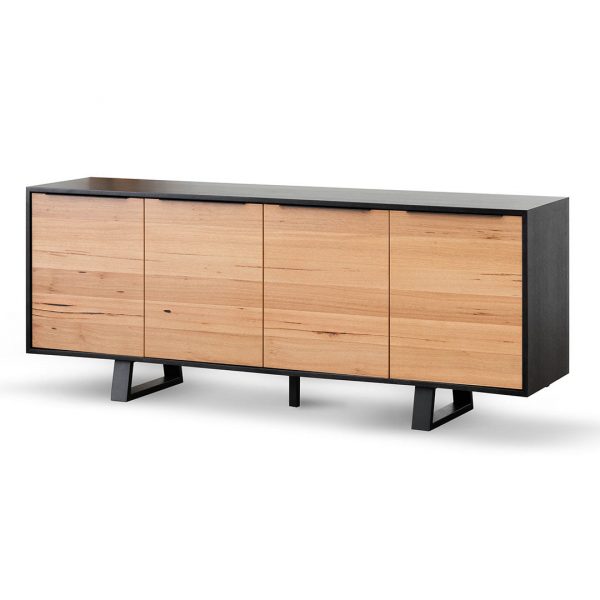
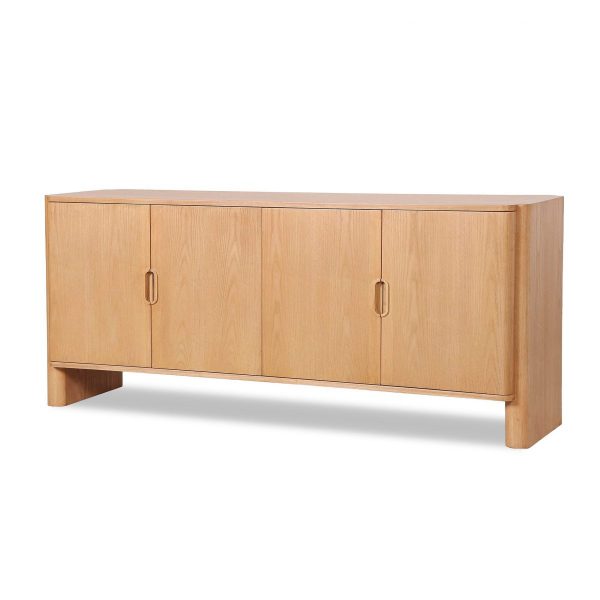

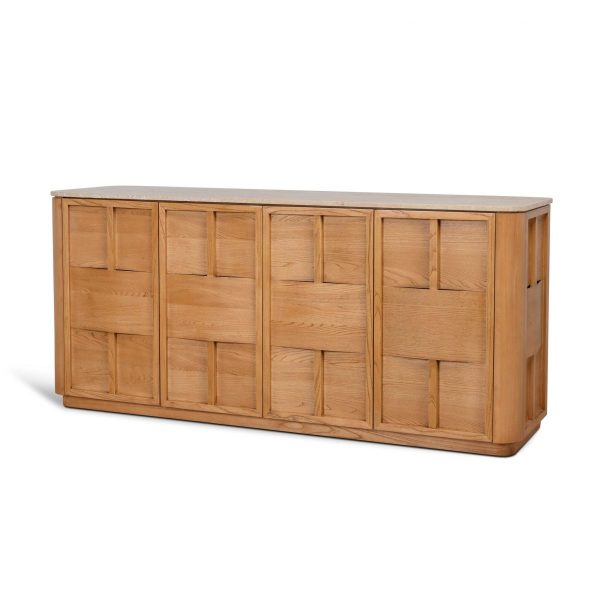
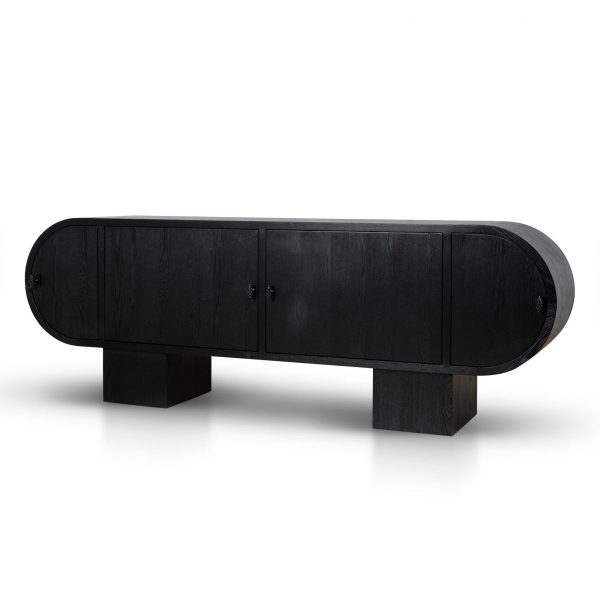
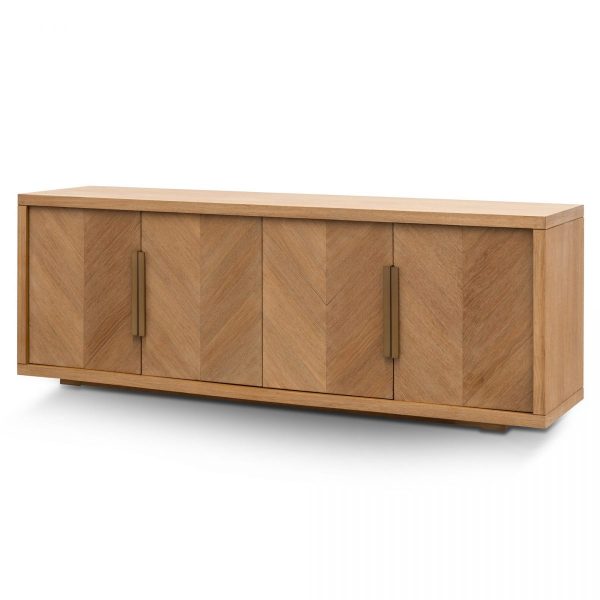
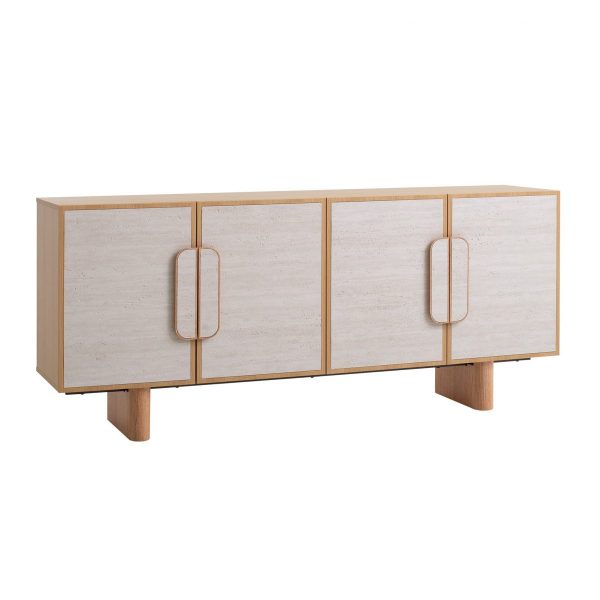
Read the wood build across visible and hidden components
Check which parts are solid timber, veneer or another stated material. A grain face does not establish the concealed back or internals, and a thick edge is not enough to identify construction. Ask about missing details where they affect the comparison. Keep species and finish separate rather than treating timber as one complete specification.
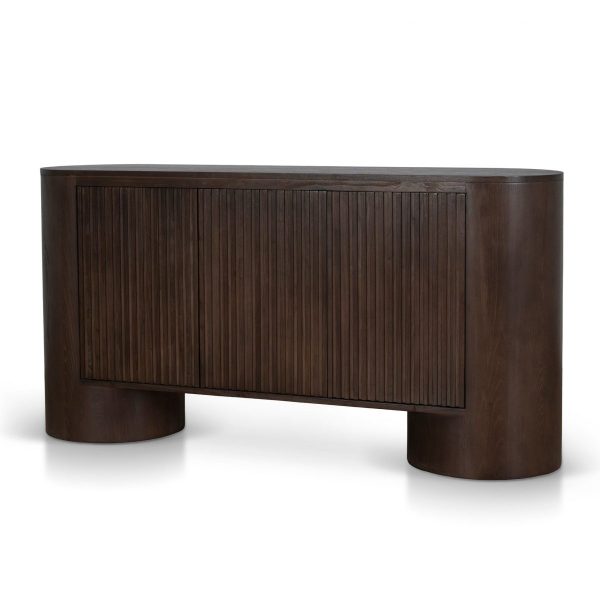
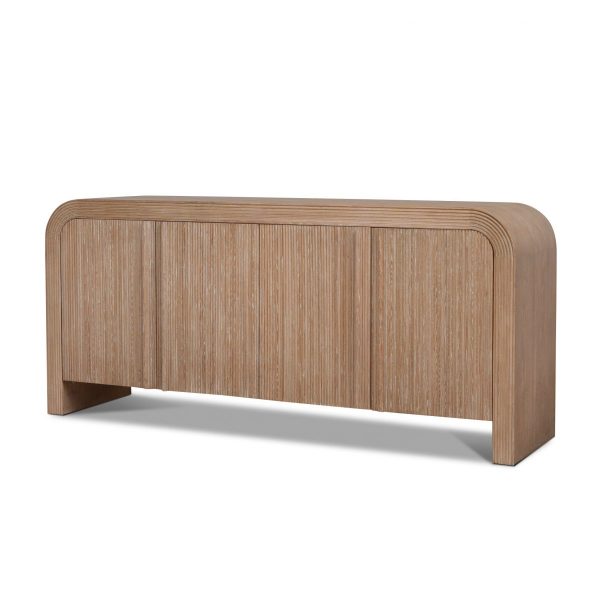
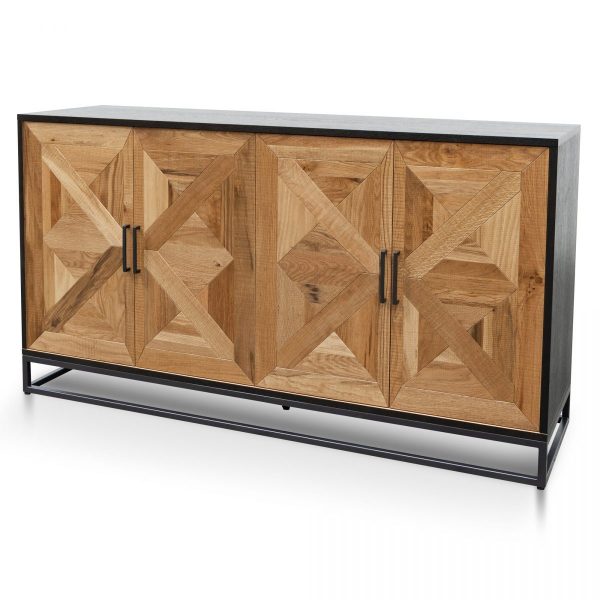
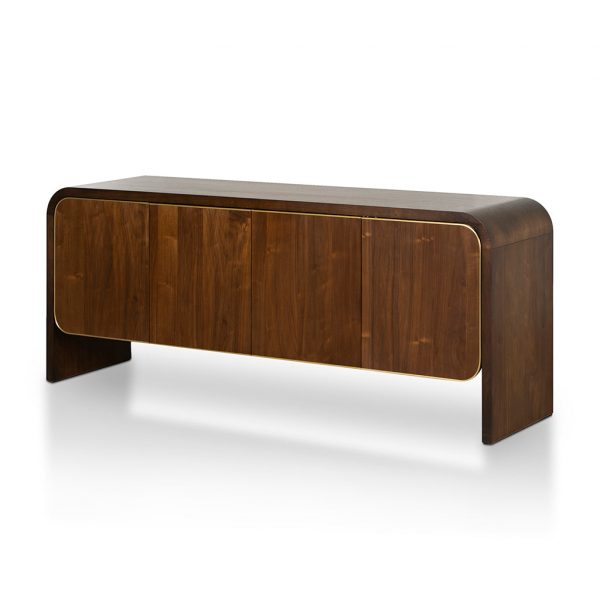
Review the full front, sides and top with permanent furniture. A broad cabinet has a different wood presence from narrow supports, so compare grain and tone at that scale. Mango wood sideboards and walnut veneer sideboards provide narrower material routes where documented. Choose the actual build, not an assumed quality hierarchy based only on visible grain.
Consider room conditions and the selected wood finish
Wood exchanges moisture with its surroundings, which affects its properties and performance. That makes actual placement and care guidance useful when choosing a timber cabinet. Read the manufacturer’s instructions for the selected construction and finish rather than treating every wood piece as unaffected by its environment. Ask about placement near sunlight, heating or another condition that matters to the intended room.
Choose the top’s contact routine through the coating. Timber does not mean permission to oil, wax or sand a finished surface. Compare display or temporary tasks with actual loading and care. Dining room storage helps connect those uses with the meal routine. Select a finish you can maintain rather than a wood appearance detached from ordinary contact.
Keep storage capacity and openings independent of wood character
Measure the items and their retrieval clearance against usable compartments. Read dividers and documented shelves or drawers; wood species does not determine those fittings. Sideboards with storage offer a deeper contents plan. A preferred timber front should not lead you to accept internals that leave important objects awkward to reach.
Plot the full cabinet and actual opening movement with surrounding furniture in use. Check wall limits, assembly and installation instructions, including required securing, then measure access for the largest delivery component. Ask benssur about uncertain material or usable dimensions before ordering. Choose a wood cabinet that serves both an understood storage routine and the conditions of its intended room.