
Oak Veneer Sideboards
Oak veneer sideboards should be compared through the wood layer and the cabinet behind it. Veneer is a thin wood surface on a stated supporting construction, rather than solid oak throughout. Start with the actual doors and edges: separate panels create a different grain arrangement from one uninterrupted tabletop. Review that whole front with the top and side visible in the room.
Read moreRead less
Use this collection to choose an oak surface on practical lower storage. Timber sideboards provide the wider component guide. Walnut veneer sideboards offer another documented wood direction, while buffets and sideboards compare compartments and access. Choose the actual grain and finish after the cabinet’s usable layout is clear.
Showing all 21 resultsSorted by recommended
-
Week’s PickOriginal price was: $1,956.00.$1,623.00Current price is: $1,623.00.
-
-
-
On SaleOriginal price was: $2,344.00.$2,063.00Current price is: $2,063.00.
-
On SaleOriginal price was: $2,129.00.$1,874.00Current price is: $1,874.00.
-
-
-
-
-
-
-
-
-
-
-
-
-
-
-
-
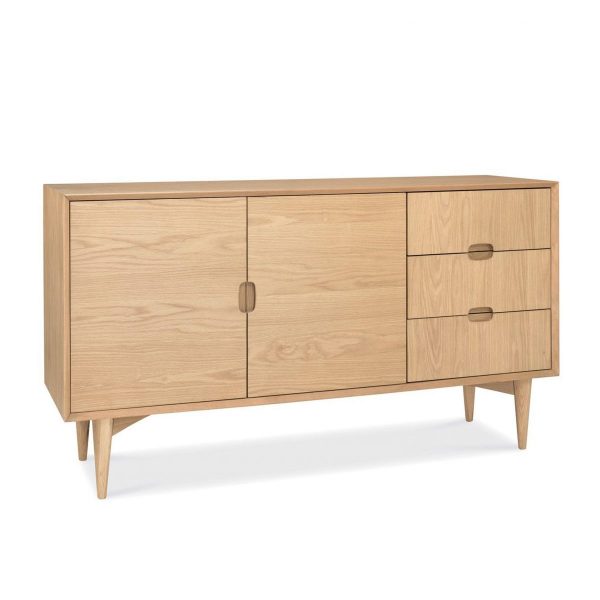


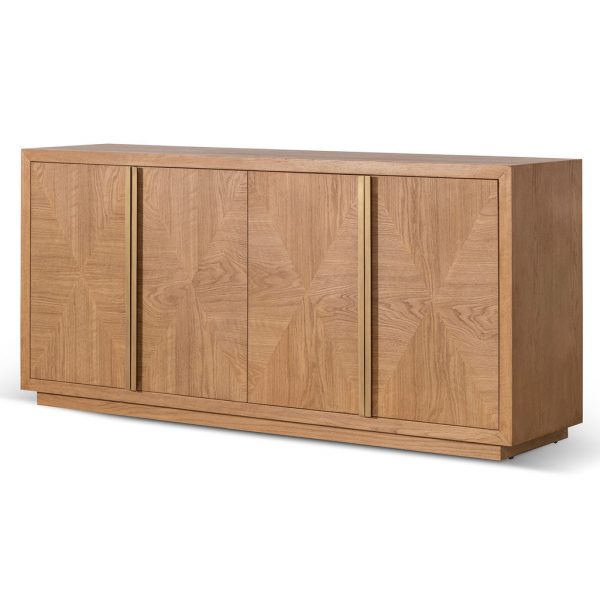
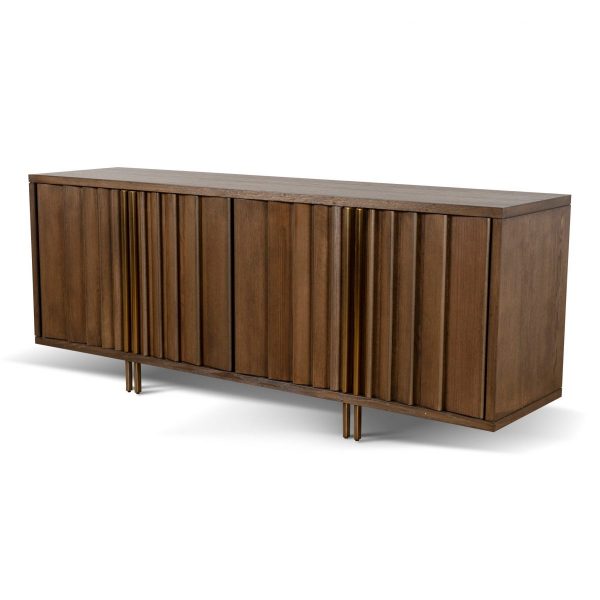
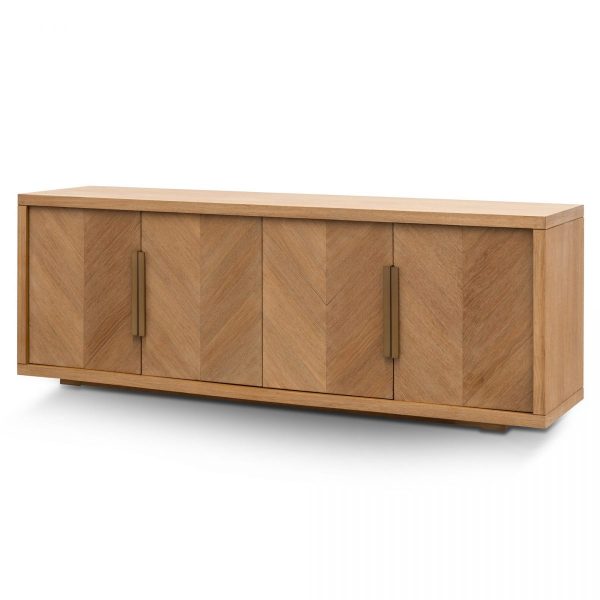

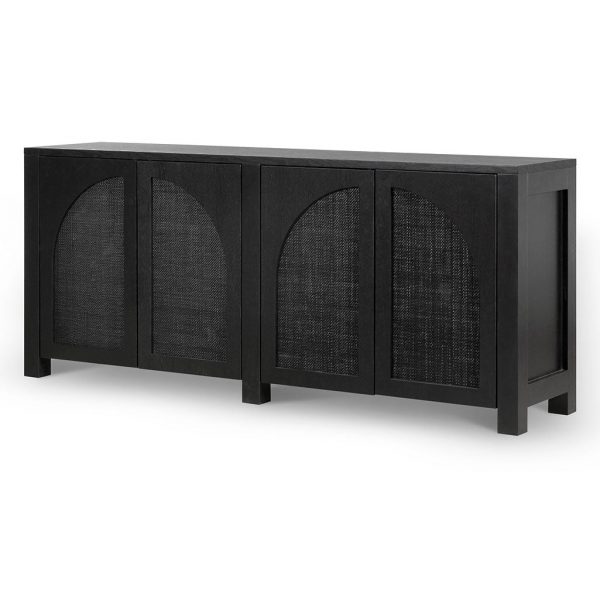
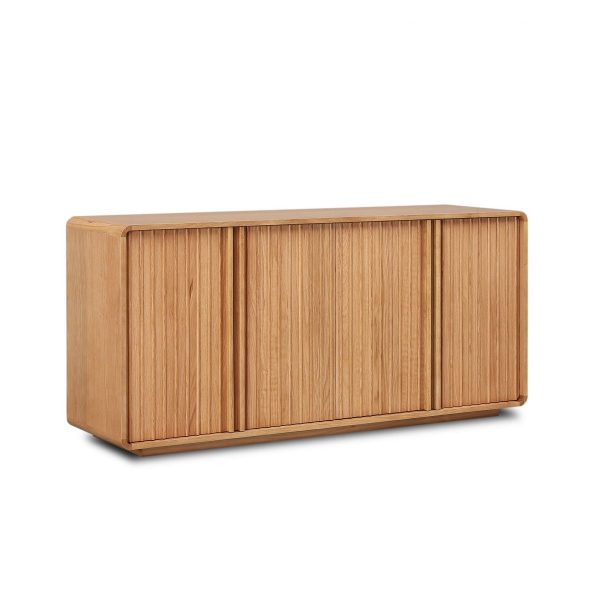
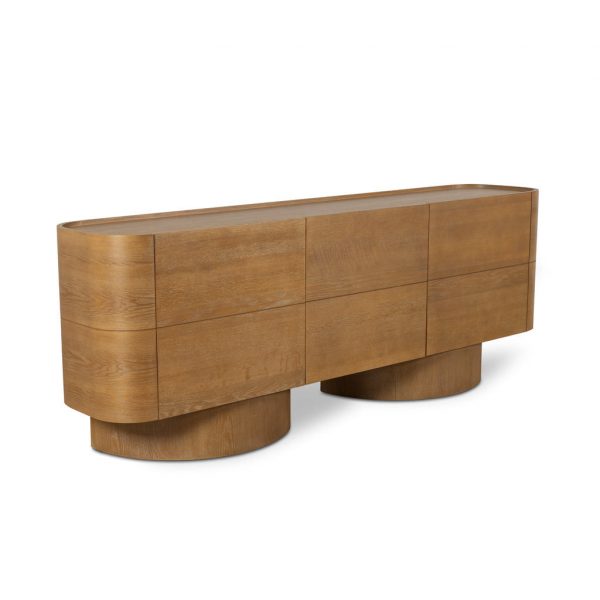

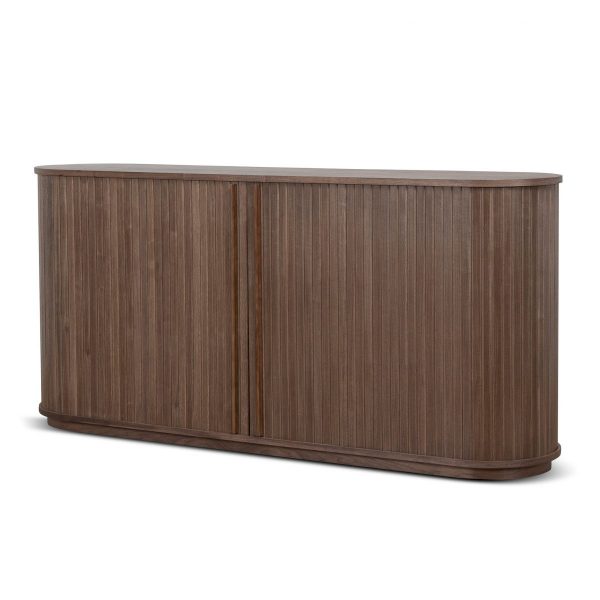
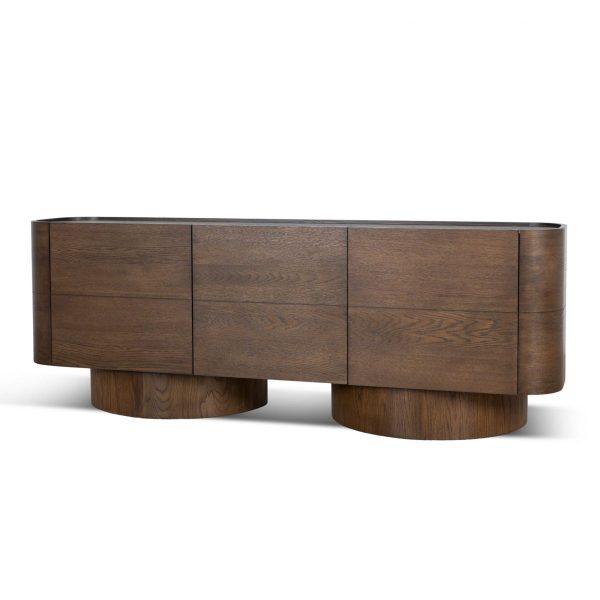
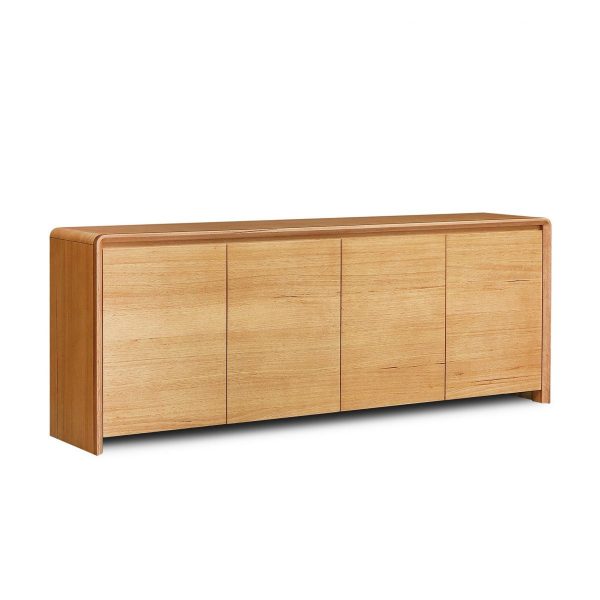
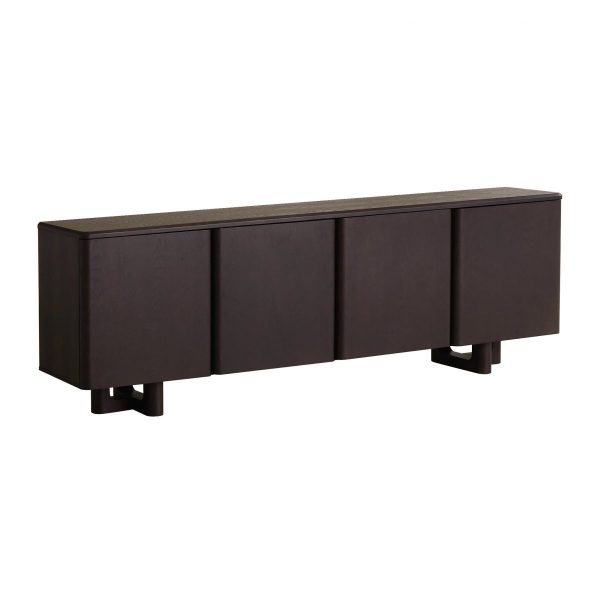


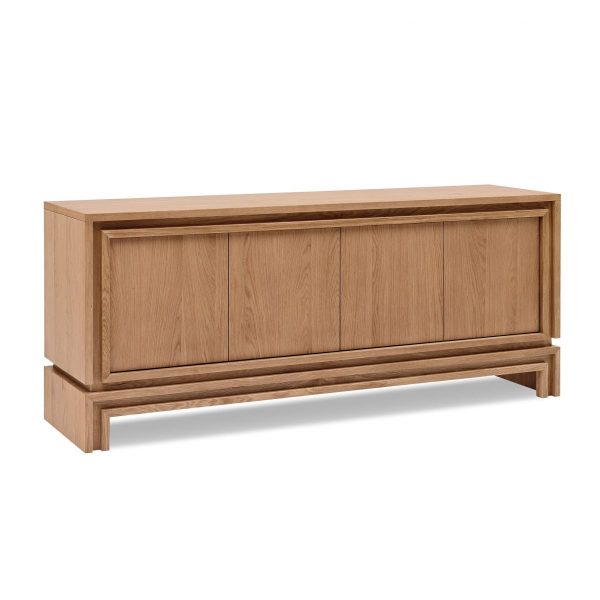
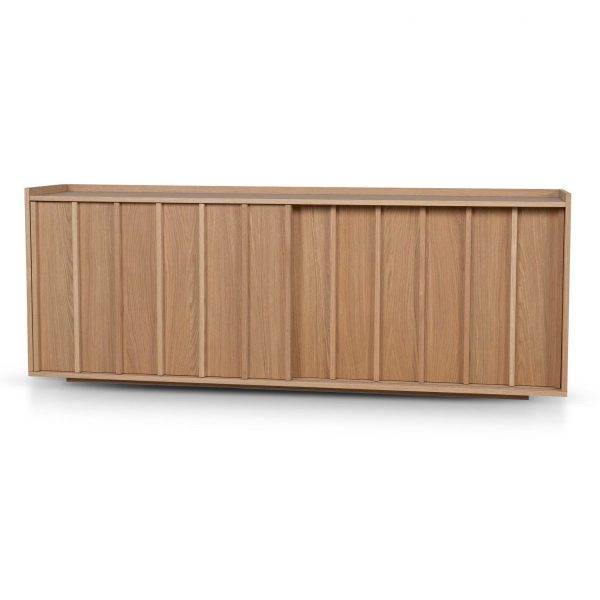
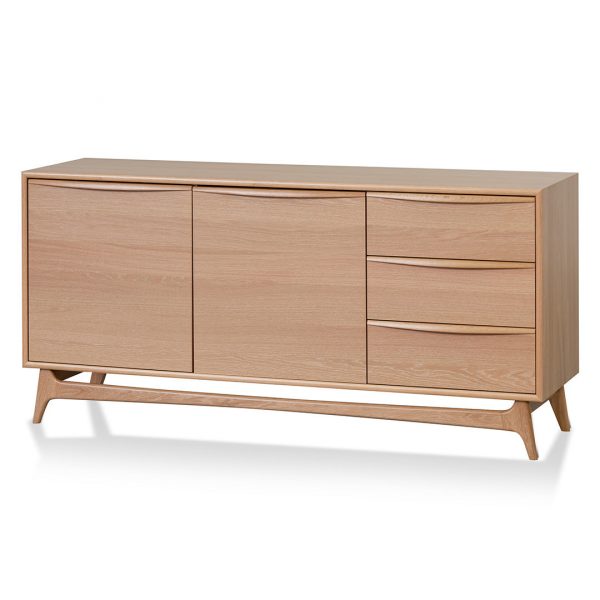
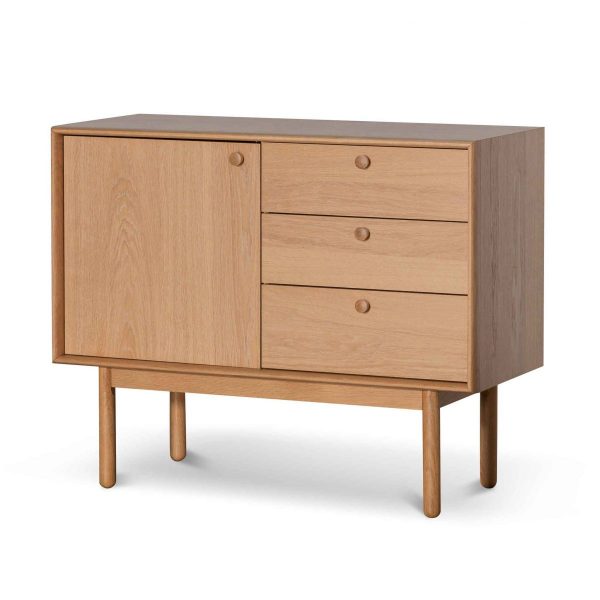
Compare grain across the separate door panels
Veneer cutting and matching methods affect the pattern. Book matching turns alternate sheets to create a mirrored relationship; slip matching lays sheets alongside each other without that turn. Read any method specified for the selected front, then review its full pattern when grain alignment is important to the room.
Check how the pattern meets door gaps, handles and edges. A continuous-looking front and more distinct panel areas create different visual rhythms. Compare them with the permanent floor and furniture without demanding an exact oak match. Compare the door gaps, selected grain and edges together from the usual room view.
Read veneered edges and the construction behind the surface
Check which components use oak veneer and what material supports them. The top, doors, sides and internals may have separate descriptions. A thick-looking edge is not proof of solid oak, and grain on the front does not establish the concealed cabinet build. Ask about missing component information before treating it as a deciding feature.
Read coating care for the selected veneer. Do not assume sanding or a treatment used on solid timber is appropriate for this wood layer. Natural timber sideboards focus more on visible grain character. Compare the chosen oak face with its stated construction and permitted cleaning or treatment for the surfaces you use.
Choose usable storage and access beneath the oak appearance
Measure the household objects in their planned groups and compare usable interior dimensions. Include clearance to retrieve them, plus dividers or fittings that interrupt the space. Sideboards with shelves help assess taller or stacked items, while sideboards with drawers focus on smaller sorting. Veneer does not supply either configuration automatically.
Plot the full cabinet with actual opening movement and surrounding furniture in use. Check the top’s supported tasks separately from the front appearance. Follow assembly and installation guidance, including any required securing, and measure delivery access. Ask benssur about uncertain veneer or internal measurements before choosing the oak cabinet for both useful storage and its considered room relationship.