
Walnut Veneer Sideboards
Walnut veneer sideboards should be chosen through the actual wood layer, its tone and the cabinet behind it. Veneer describes a thin wood surface on a stated supporting construction, rather than solid walnut throughout. A darker finish elsewhere in the room does not establish a walnut match, and a walnut-coloured surface does not establish genuine walnut veneer. Confirm which parts use that wood layer before comparing tone.
Read moreRead less
Then review tone and grain across the complete doors and top. Timber sideboards provide the wider component guide. Oak veneer sideboards offer another documented veneer direction, while buffets and sideboards compare useful compartments. Choose walnut appearance within a cabinet whose usable interior and opening access serve the actual contents.
Showing all 16 resultsSorted by recommended
-
-
On SaleOriginal price was: $2,474.00.$2,177.00Current price is: $2,177.00.
-
-
-
-
-
-
-
-
-
-
-
-
-
-
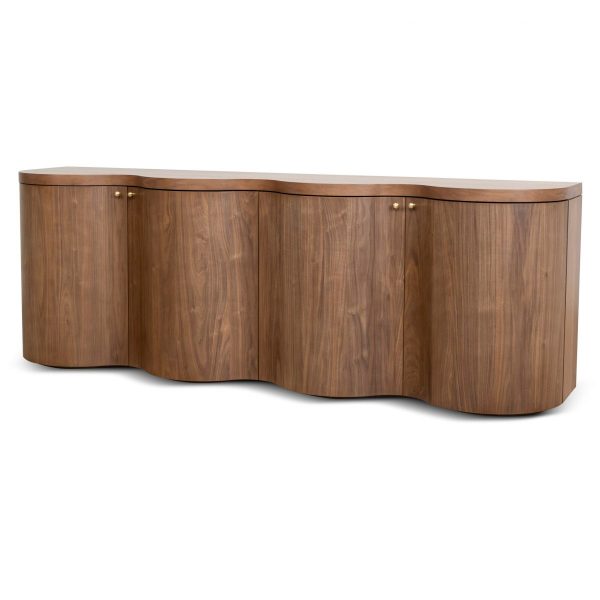

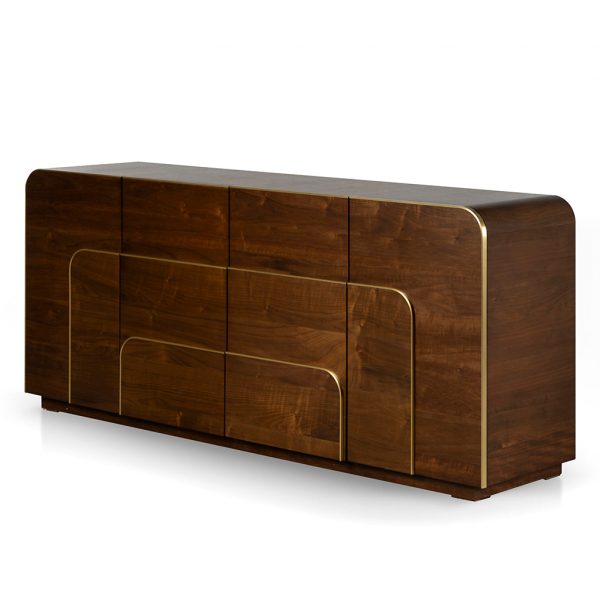
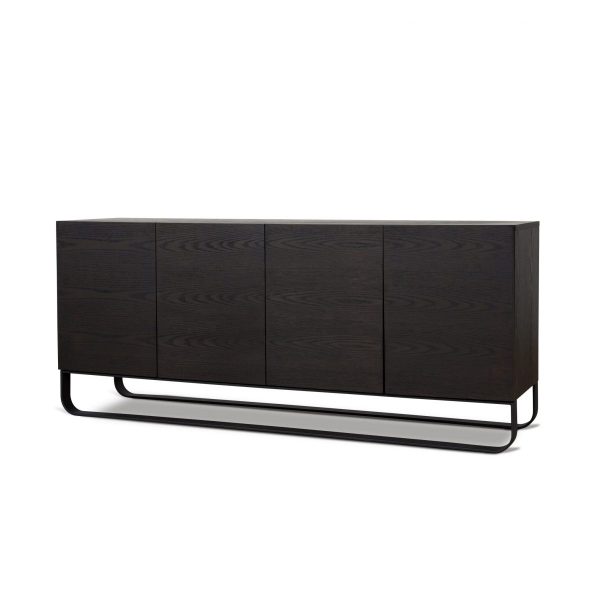


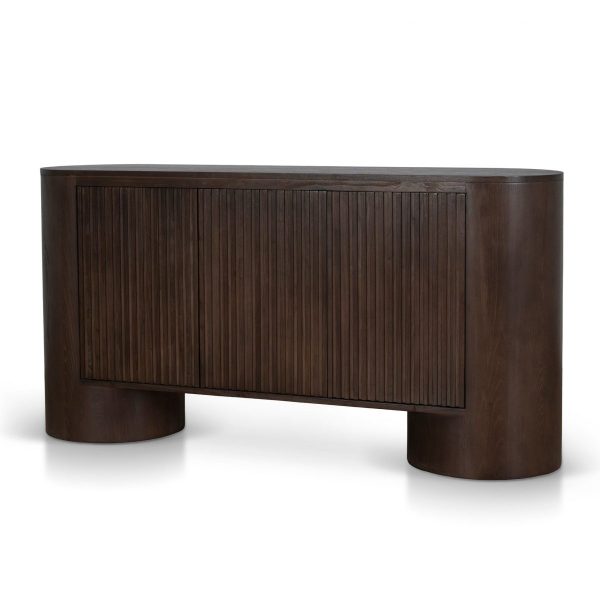
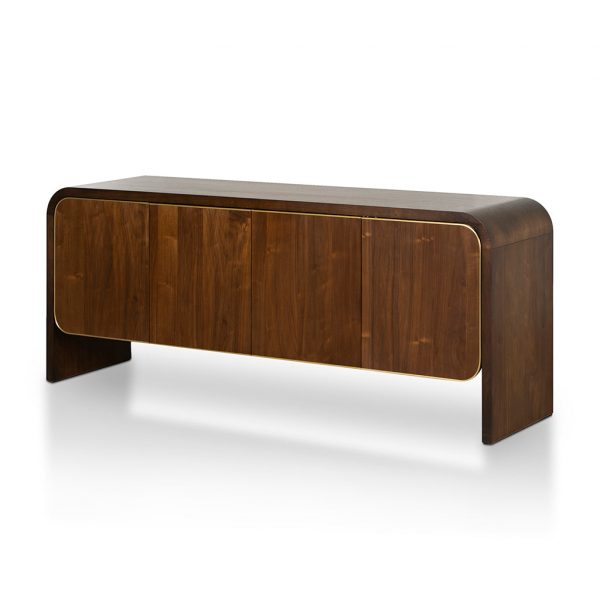

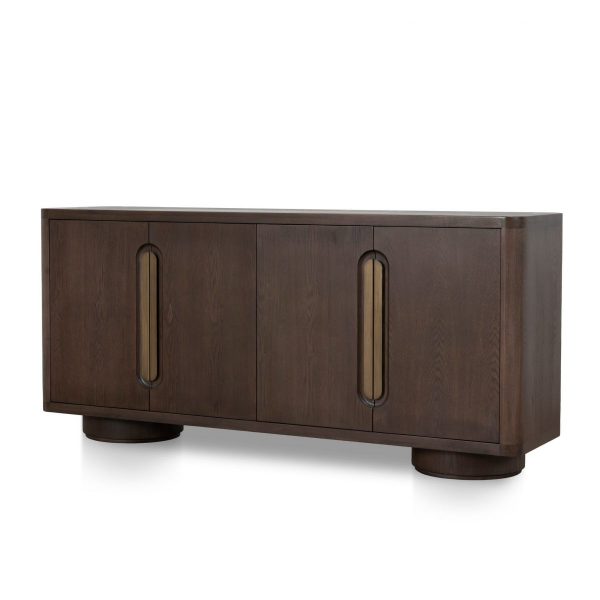
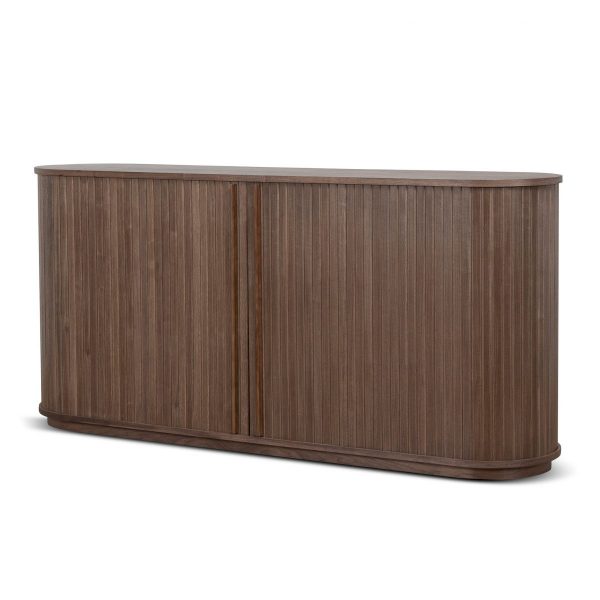
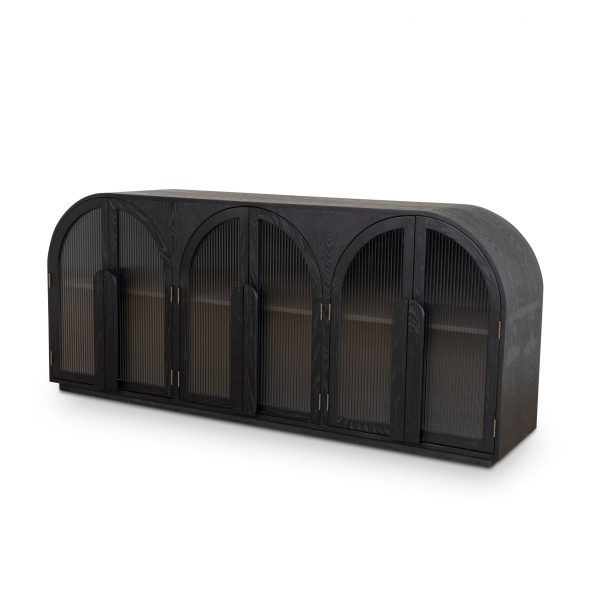
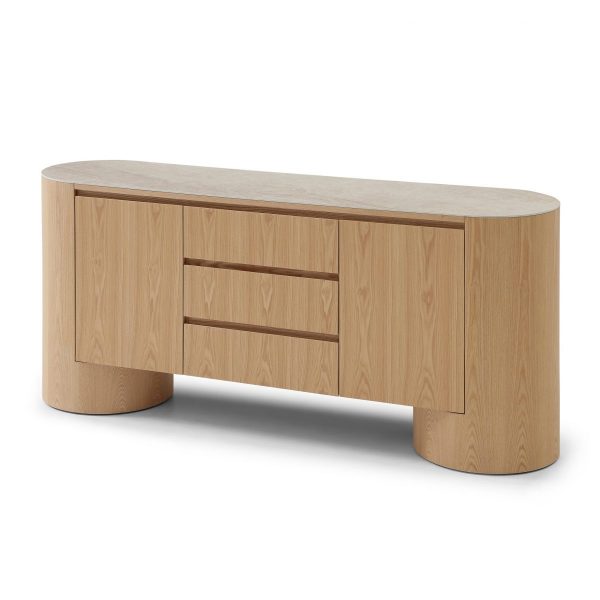


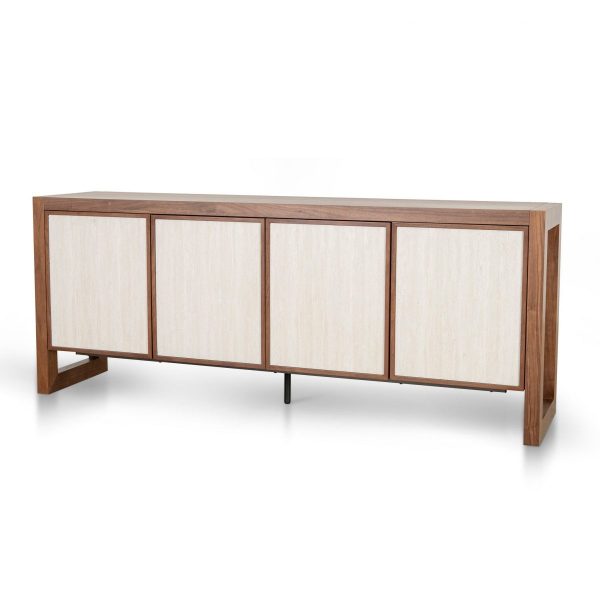
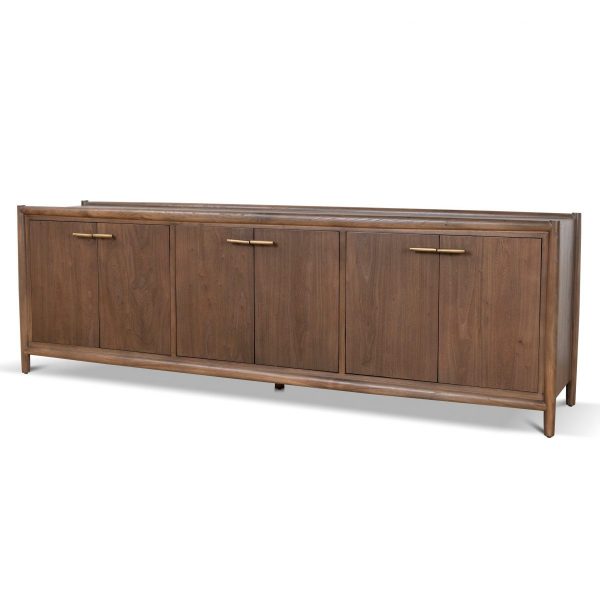
Choose the walnut tone from the actual front
Where American black walnut is specified, its heartwood can range from lighter brown to dark chocolate, while sapwood is much paler. The selected veneer and finish determine the cabinet’s actual appearance; review the selected veneer rather than expecting one fixed combination of light and dark areas. Confirm the species and review the full surface.
Compare that tone with the floor and other dark furniture. A considered difference can be clearer than an uncertain near match. Check how door gaps and grain layout divide the horizontal band. Brown sideboards provide a colour-led alternative when a particular wood identity is less important. Choose the whole walnut-front relationship rather than a single appealing close-up.
Read the veneer layer and finish behind the darker appearance
Check which components use walnut veneer and what supports them. Top, front, sides and internals may have separate descriptions. A dark thick-looking edge does not establish solid walnut, and the front’s material should not be extended to the hidden construction. Ask about missing information before making the species a deciding feature.
Read coating care for the actual surface. Do not assume permission to sand a veneer layer or apply a treatment used on solid timber. Grain matching must also be documented or checked on the selected product rather than borrowed from another cabinet. Choose the wood layer with its supporting build and maintenance understood, not from dark colour alone.
Make the walnut cabinet useful for stored objects and access
Group the household items and compare usable interior dimensions with lifting clearance included. Read dividers and actual fittings. Sideboards with shelves help assess larger groups, while sideboards with drawers focus on smaller sorting. Walnut veneer does not supply either layout or guarantee a particular compartment size.
Plot the assembled cabinet and documented opening movement with furniture in use. Keep the top’s display or temporary task within its material and loading guidance. Follow assembly and installation instructions, including required securing, then ask benssur about unclear internal or veneer details. The walnut front should complete a storage choice whose everyday retrieval already works in the room.