
Bar Carts
Bar carts give bottles, glasses and serving pieces a place beside the gathering, rather than across the dining table. The useful question is how you entertain: a quiet drinks corner needs different access from a cart brought beside guests. Start with what you serve, how much you keep ready and where used glasses will go. A visually open cart can feel light in a dining room, but its contents also become part of the room’s appearance.
Read moreRead less
Use this collection to plan a home bar that fits your routine. Compare each cart’s shelf arrangement and stated construction before deciding on colour. If movement matters, confirm the wheels and stopping method for that design. Ask benssur for help checking a shortlisted cart against your serving list.
Showing the single result
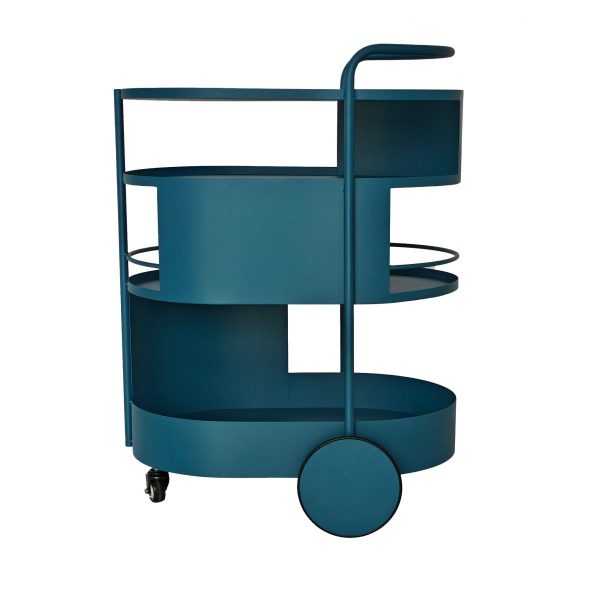

Will your bar cart stay in one place or move between rooms?
A stationary drinks station can sit beside a wall with its most-used shelf facing the room. A moving cart needs a route: test the journey from storage to the table, including doorways, rugs and the turn around a chair. Include handles and projecting rails when comparing the cart’s width. The narrowest doorway is only one part of the check; a tight corner can stop a cart that fits through the opening.
Read whether the design is intended to move when loaded and whether wheels can be secured. Avoid treating decorative wheels as proof of easy transport. If your main need is bringing drinks to guests, drinks trolleys focus the comparison on that serving task.
Arrange bottles and glasses around the way you serve
List the items that normally come out together: tall bottles, short glasses, a water jug, an opener and a tray. Compare their heights with the clear space between shelves. The top shelf is useful working space only if it can hold the tray you use without balancing items along the edge. Rails may help define the shelf boundary, but check how they affect lifting a tray or reaching a bottle.
Think about the return trip too. Used glasses need a place away from clean ones; a packed display leaves little room for them. Keep heavy items within the product’s stated loading guidance and avoid assuming that every shelf has the same capacity.
Give a drinks corner a clear relationship to the dining room
Place the cart where it is easy to approach without interrupting people getting up from their chairs. A finish close to the table can make the grouping feel settled; a coloured cart can mark a separate entertaining corner. Compare blue bar carts or green bar carts when an accent is part of the plan, rather than choosing colour before finding a workable position.
Open storage shows cables, packaging and spare utensils as clearly as attractive glassware. Decide what will remain on display and what belongs elsewhere. Check surface care for spills and glass rings, then choose trays or protection that the cart’s instructions permit. This keeps the display useful after guests leave.