
Storage Furniture
Storage furniture works best when it is chosen around the things you keep. Books, folded textiles, shoes and everyday household items need different compartments and different ways to reach them. Start by sorting those contents, then decide what should be on display and what you would prefer behind a door or inside a drawer.
Read moreRead less
The largest outside dimensions do not always give you the most useful storage. Internal divisions, openings and shelf positions matter too. Compare cabinets and cupboards, bookcases and shelving or smaller storage pieces through the objects you intend to put away. A clear contents list makes it easier to find furniture that suits your routine and the room it needs to fit.
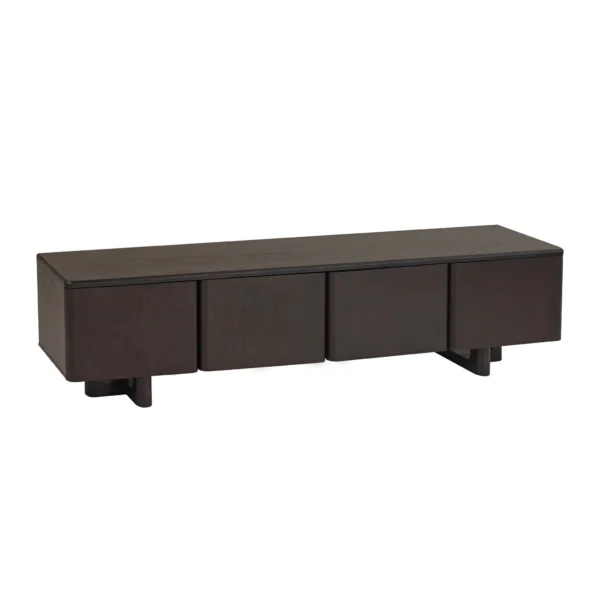
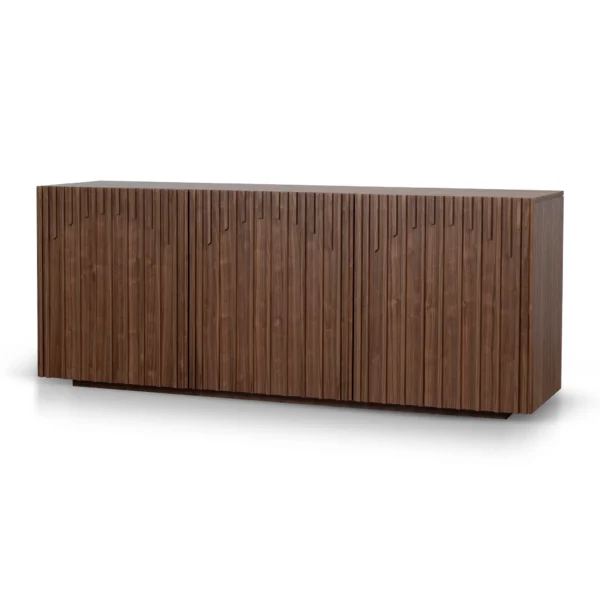
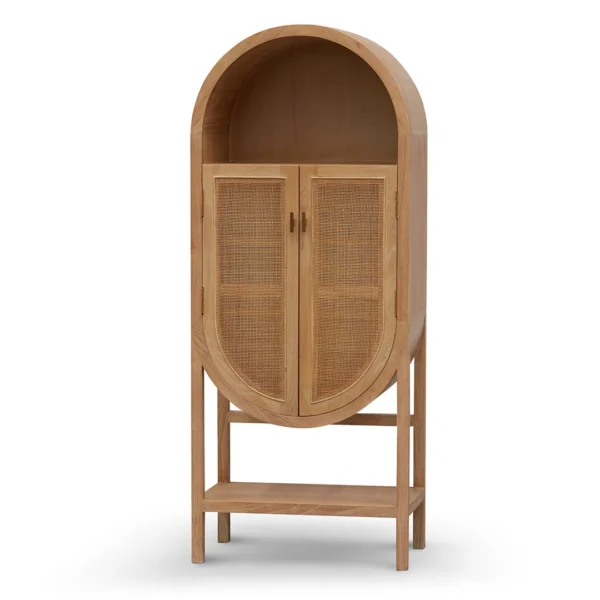
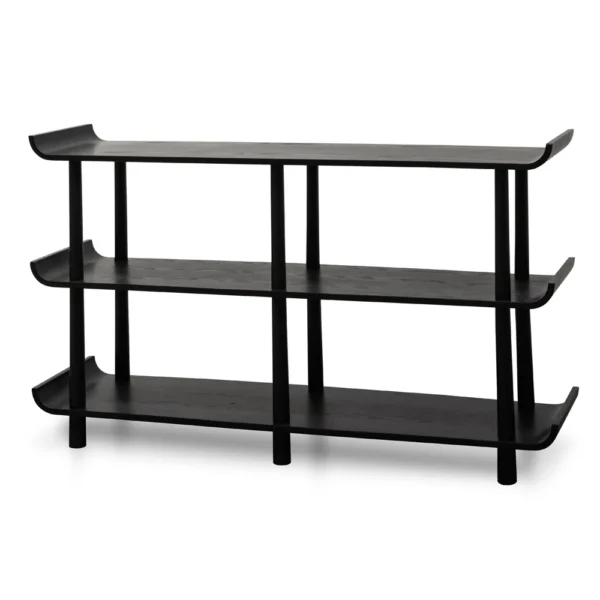



Showing 1–24 of 214 resultsSorted by recommended
-
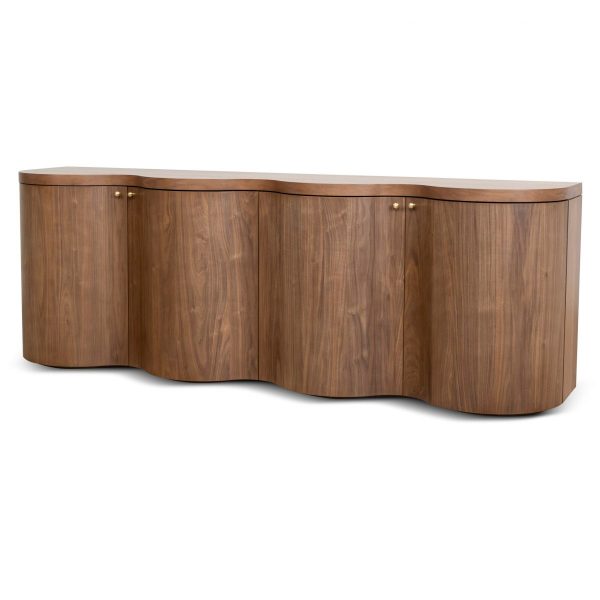
Week’s PickOriginal price was: $1,739.00.$1,443.00Current price is: $1,443.00.
-
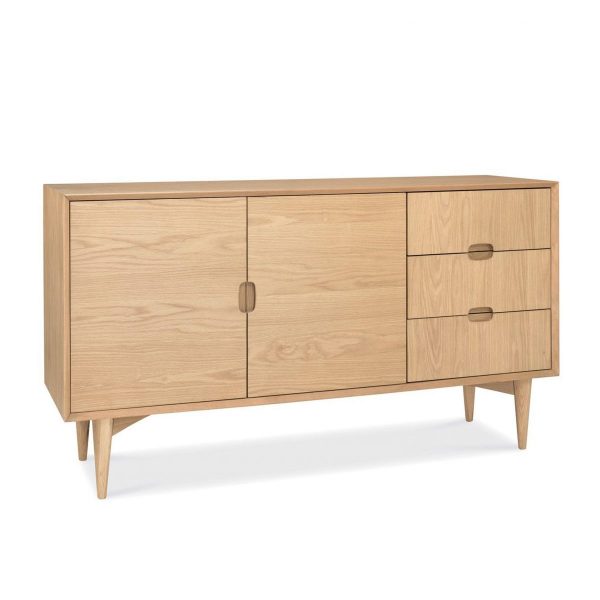
Week’s PickOriginal price was: $2,363.00.$1,961.00Current price is: $1,961.00.
-
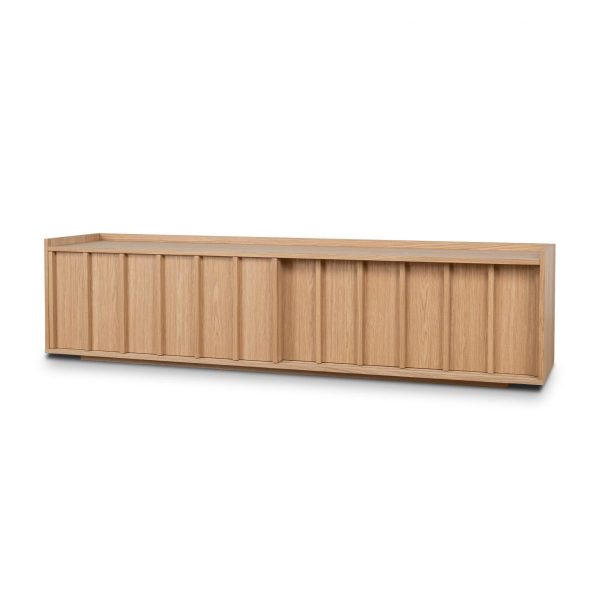
Week’s PickOriginal price was: $1,559.00.$1,294.00Current price is: $1,294.00.
-
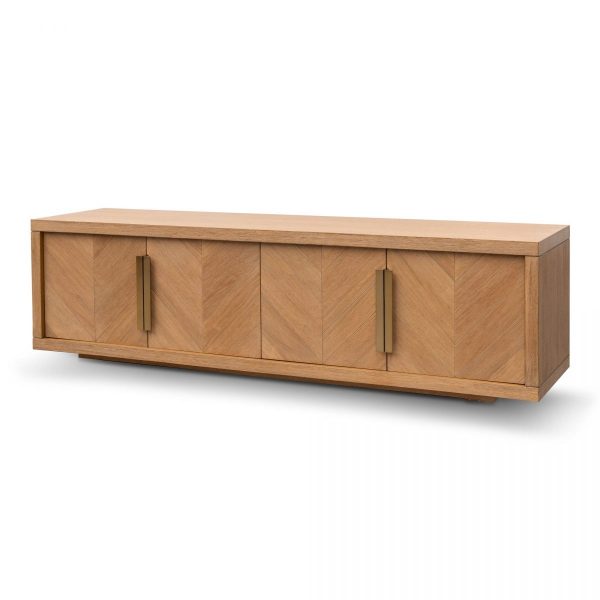
Week’s PickOriginal price was: $2,479.00.$2,058.00Current price is: $2,058.00.
-
-
-
On SaleOriginal price was: $1,739.00.$1,530.00Current price is: $1,530.00.
-
On SaleOriginal price was: $2,413.00.$2,123.00Current price is: $2,123.00.
-
On SaleOriginal price was: $2,222.00.$1,955.00Current price is: $1,955.00.
-
On SaleOriginal price was: $1,956.00.$1,721.00Current price is: $1,721.00.
-
-
On SaleOriginal price was: $1,707.00.$1,502.00Current price is: $1,502.00.
-
-
On SaleOriginal price was: $1,449.00.$1,275.00Current price is: $1,275.00.
-
On SaleOriginal price was: $2,382.00.$2,096.00Current price is: $2,096.00.
-
On SaleOriginal price was: $1,316.00.$1,158.00Current price is: $1,158.00.
-
On SaleOriginal price was: $1,516.00.$1,334.00Current price is: $1,334.00.
-
On SaleOriginal price was: $2,474.00.$2,177.00Current price is: $2,177.00.
-
On SaleOriginal price was: $1,666.00.$1,466.00Current price is: $1,466.00.
-
On SaleOriginal price was: $2,225.00.$1,958.00Current price is: $1,958.00.
-
-
-
-
On SaleOriginal price was: $2,319.00.$2,041.00Current price is: $2,041.00.



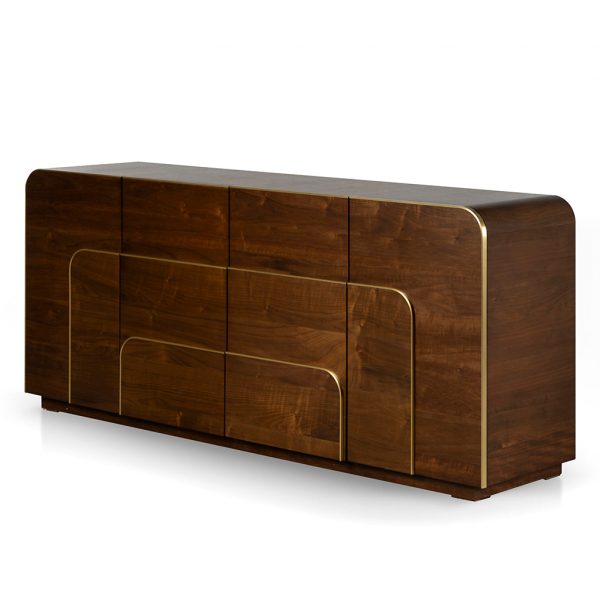
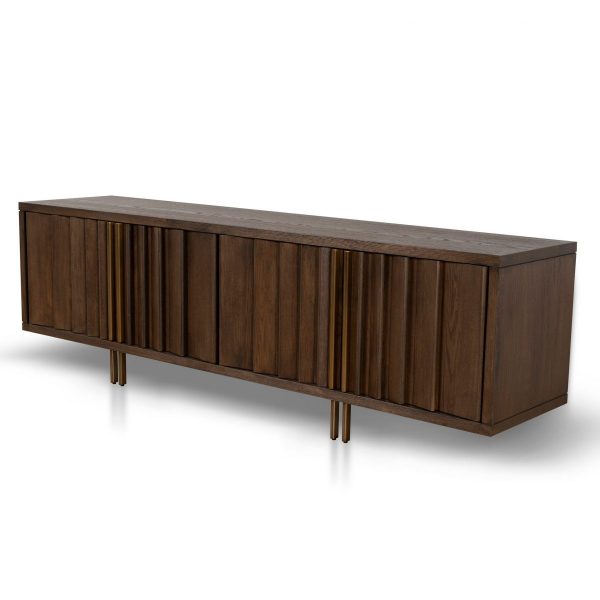

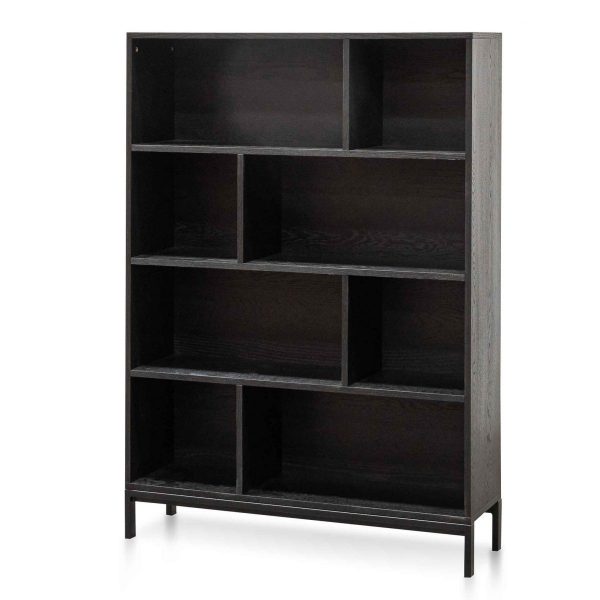
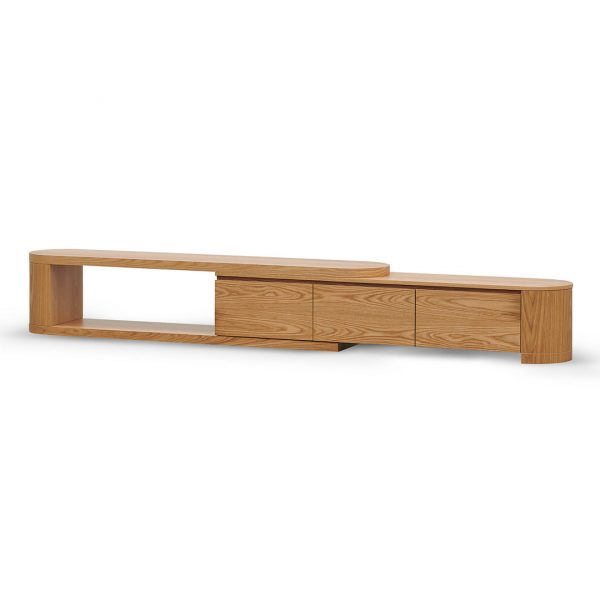
Measure what goes inside before the outside
Group the main contents by size and how often you use them. Measure the largest items, including handles or packaging where those remain in storage. Then compare the product’s usable internal dimensions, rather than estimating from the width of its front. Fixed divisions can limit the space available to one object.
Place frequently used items where they can be reached without moving several others. Seasonal or occasional belongings may suit a separate position. Read shelf adjustment and load information for the actual piece; an adjustable-looking photograph is not a specification. Use storage boxes for a contained group when the opening and interior fit the contents, rather than adding boxes that hide an already awkward arrangement.
Decide what should be visible and what should close away
Open shelving keeps the contents in view and gives displayed objects a place in the room. Closed storage offers a different visual result, with doors or drawer fronts taking the place of the contents. Choose that relationship deliberately. Neither format guarantees dust protection or makes every item equally easy to retrieve.
Compare doors, shelves and drawers with the way you put things away. A drawer can suit smaller grouped items, while a cupboard may suit taller belongings if its interior allows them. A mixed arrangement can serve both display and concealed storage. If footwear is the main problem, compare shoe storage with the actual shoes and their daily use, instead of assuming a general cabinet’s shelf spacing will work.
Keep the storage usable once it is in the room
Draw the full furniture footprint with doors and drawers in their working positions. Include the person standing in front of them and the route other people use past the piece. A cabinet that fits while closed can still be awkward beside a dining chair, doorway or bed.
For a wall-mounted option, check the stated fixing needs, the wall and the intended contents before choosing its position. Follow the actual product’s installation and anchoring guidance. Compare wall storage with a floor-standing piece through both access and installation, rather than treating a clear floor as the only space measure. Keep sockets, vents or equipment access available wherever those belong to the storage’s intended job.
Frequently Asked Questions
Planning storage around television equipment? Use TV and entertainment units to compare the equipment space and access that belong to that specific job.