
TV & Entertainment Units
TV and entertainment units should be chosen through the equipment you actually have and the room where it is used. Start with the television’s full assembled dimensions, including its stand where applicable, rather than the screen’s diagonal size. Compare those measurements and weight with the unit’s usable top and documented support. A wide-looking cabinet does not establish a universal TV capacity.
Read moreRead less
Then measure the devices and ordinary storage around it. Storage furniture provides the wider format comparison. TV units with shelves focus on equipment compartments, while TV units with drawers examine smaller organised items. Choose the complete equipment setup, access and seated view before the cabinet’s material or colour finishes the room.
Showing 1–24 of 88 resultsSorted by recommended
-
Week’s PickOriginal price was: $1,559.00.$1,294.00Current price is: $1,294.00.
-
-
On SaleOriginal price was: $1,739.00.$1,530.00Current price is: $1,530.00.
-
-
On SaleOriginal price was: $1,707.00.$1,502.00Current price is: $1,502.00.
-
-
On SaleOriginal price was: $1,449.00.$1,275.00Current price is: $1,275.00.
-
On SaleOriginal price was: $2,382.00.$2,096.00Current price is: $2,096.00.
-
On SaleOriginal price was: $1,316.00.$1,158.00Current price is: $1,158.00.
-
On SaleOriginal price was: $1,516.00.$1,334.00Current price is: $1,334.00.
-
On SaleOriginal price was: $1,666.00.$1,466.00Current price is: $1,466.00.
-
-
On SaleOriginal price was: $2,003.00.$1,763.00Current price is: $1,763.00.
-
On SaleOriginal price was: $1,736.00.$1,528.00Current price is: $1,528.00.
-
On SaleOriginal price was: $1,412.00.$1,243.00Current price is: $1,243.00.
-
-
Week’s PickOriginal price was: $999.00.$899.00Current price is: $899.00.
-
Week’s PickOriginal price was: $1,004.00.$904.00Current price is: $904.00.
-
-
-
-
-
-
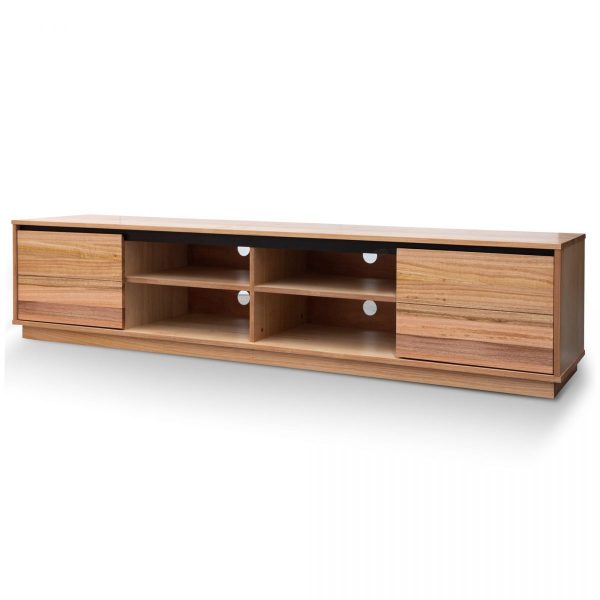


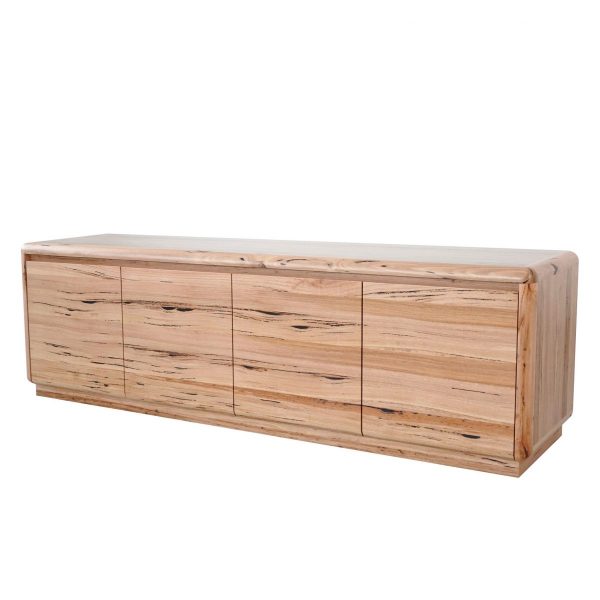
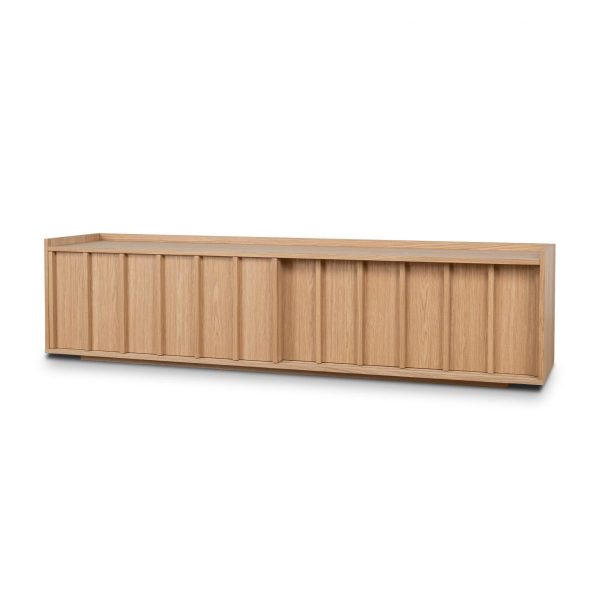
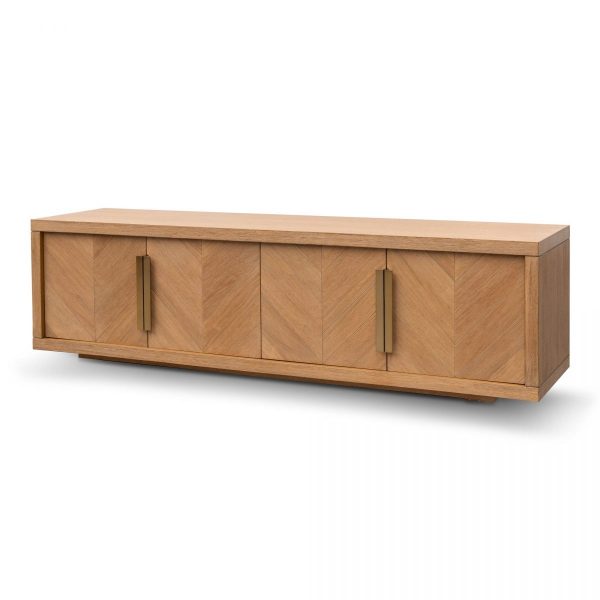
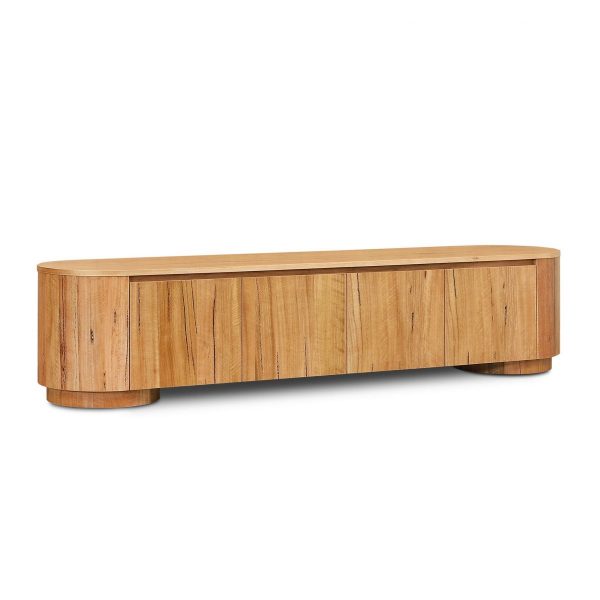
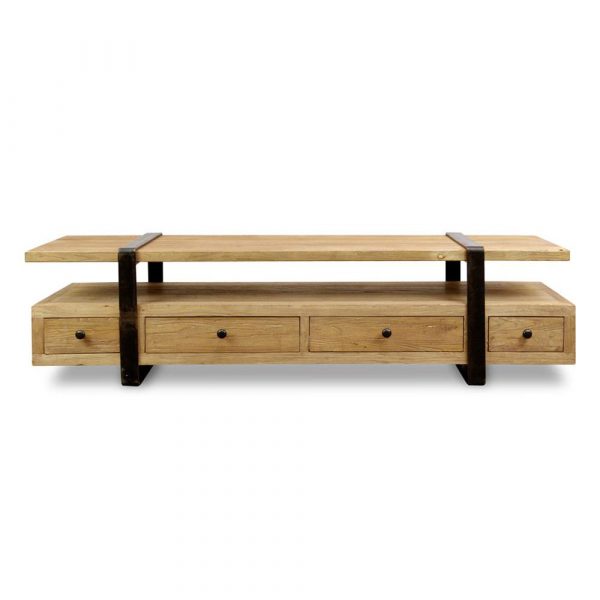
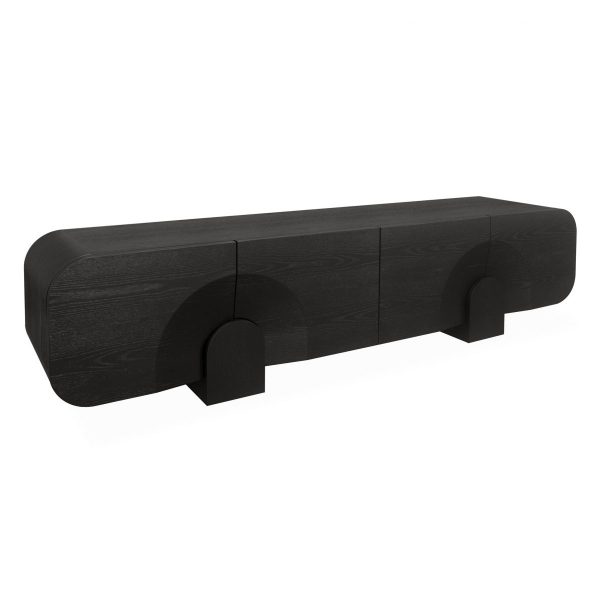

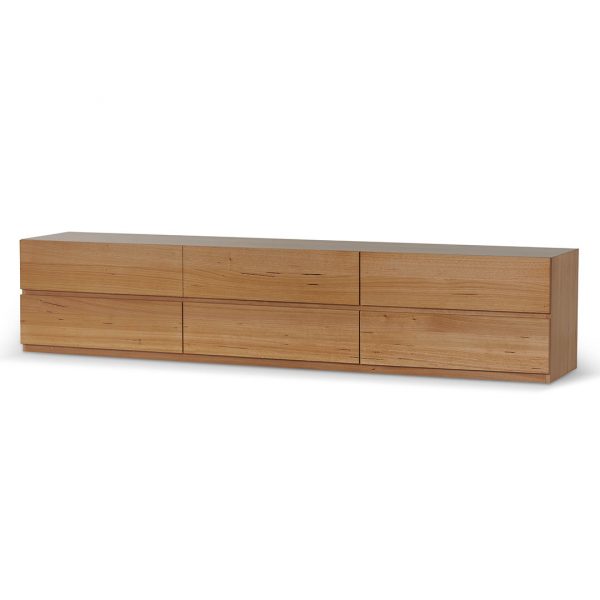
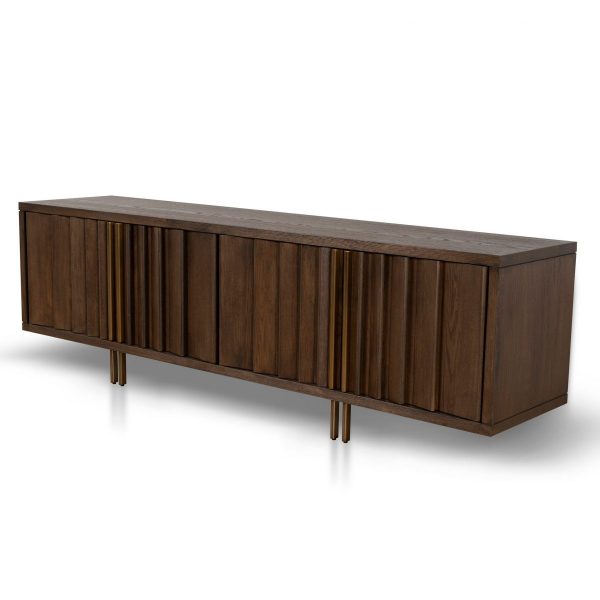
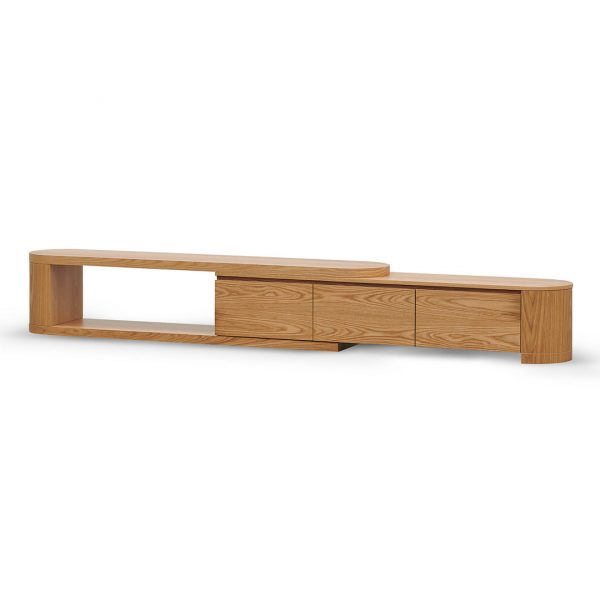
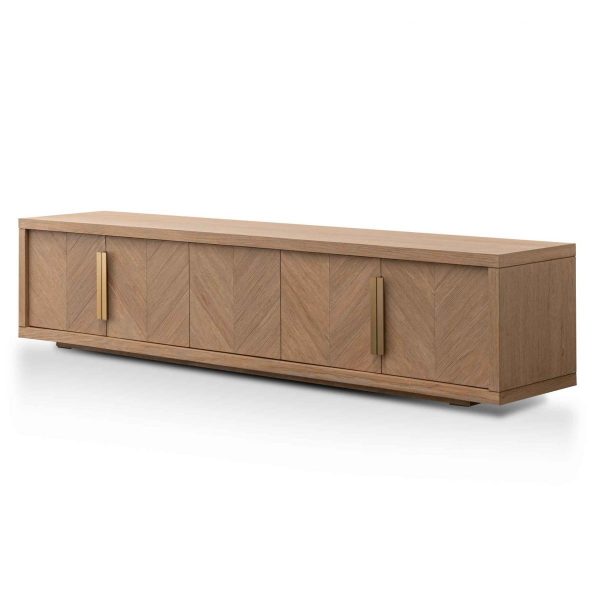
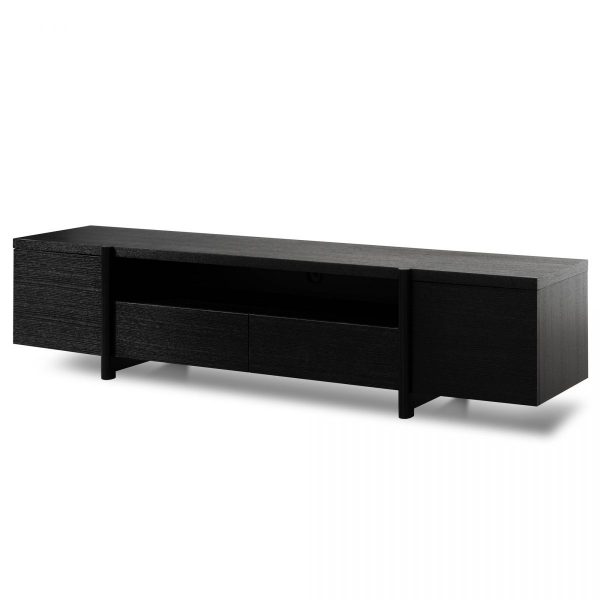
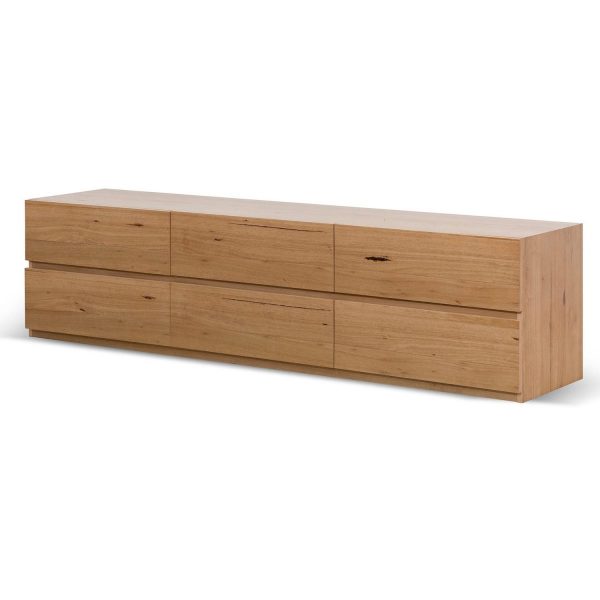
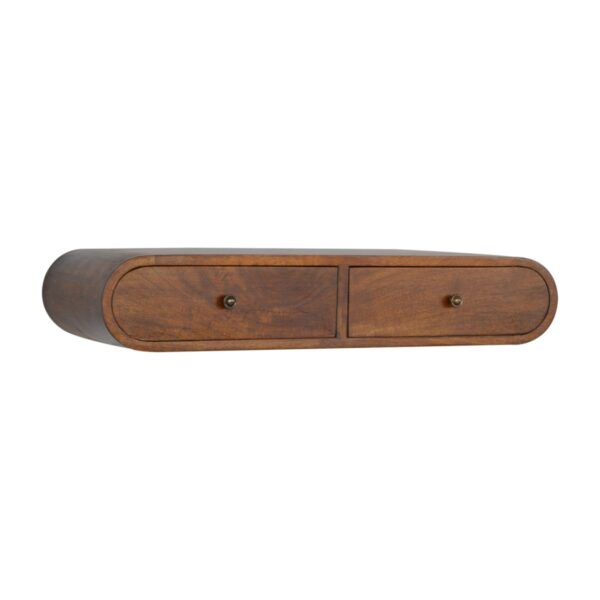
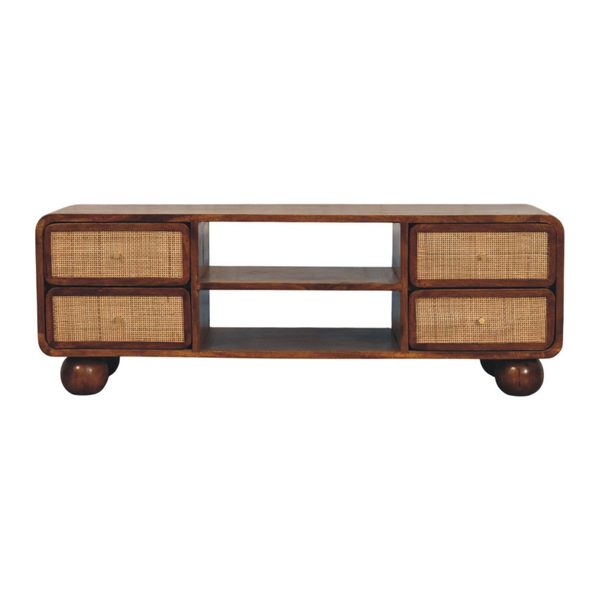
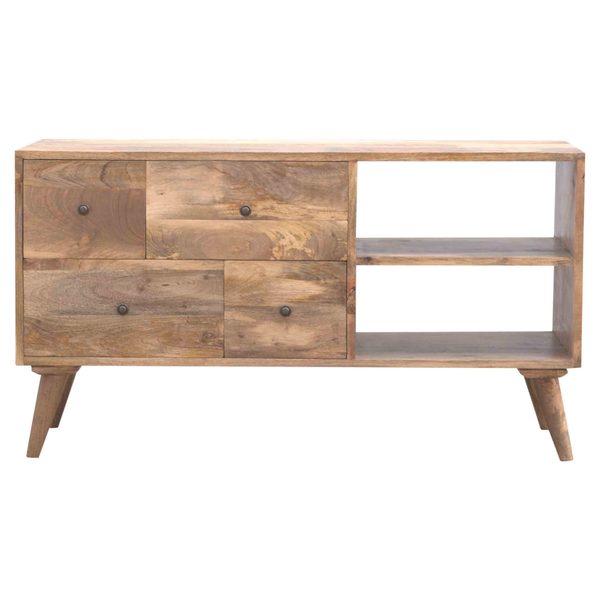
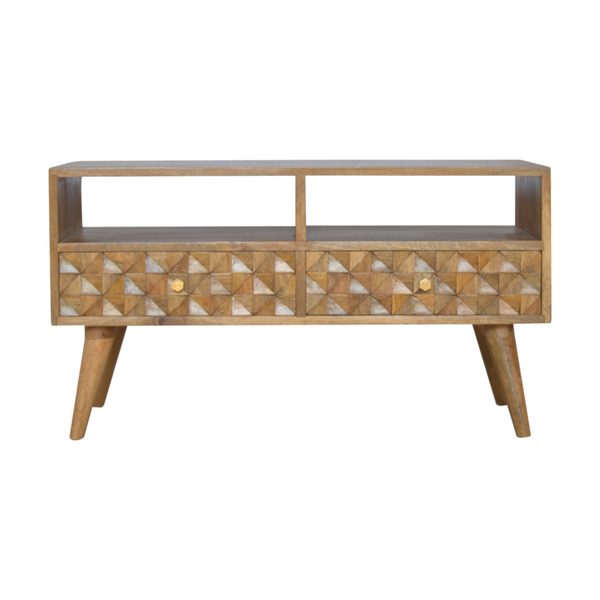

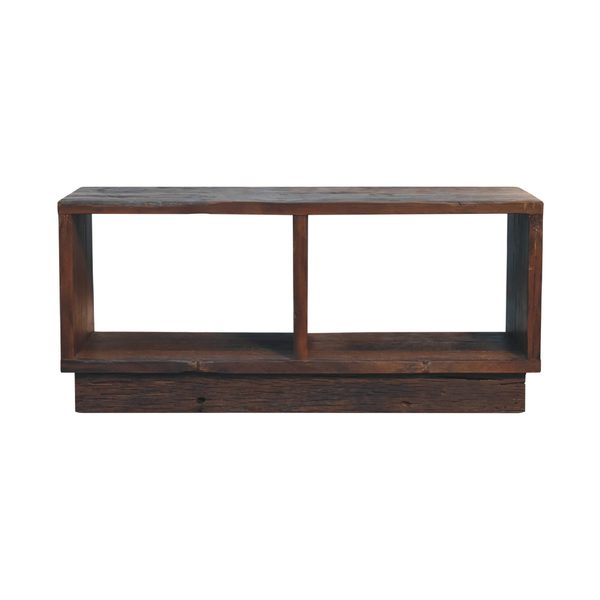

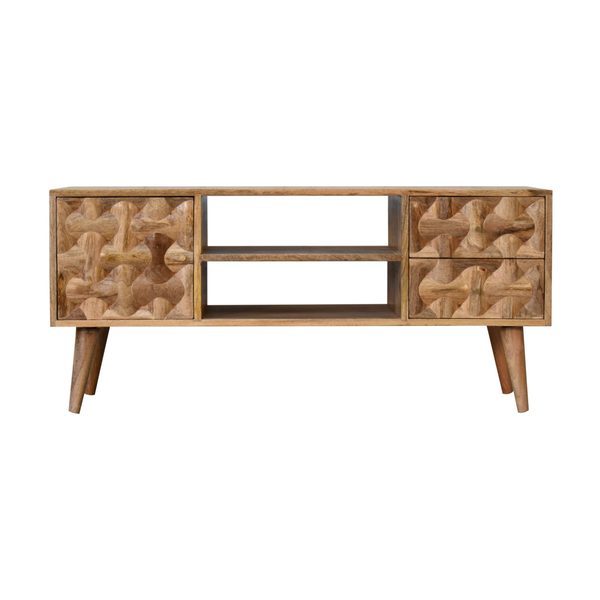
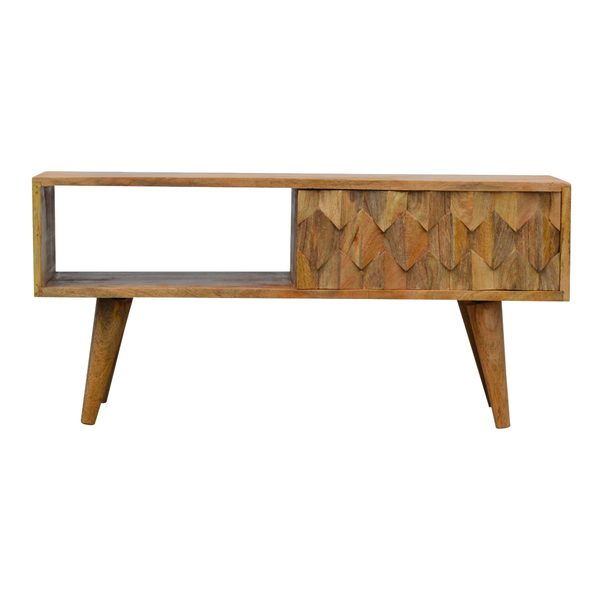
Fit the full television and stand to the supported top
Read actual TV width, depth, height and weight in its intended installation configuration. A screen-inch description gives diagonal size, not the assembled outline. For stand-mounted use, compare the complete TV and its support with the unit’s usable surface and loading guidance; do not choose a cabinet only because the feet appear to fit.
For a wall-mounted setup, the lower unit has a different equipment and visual role, with mounting requirements checked separately through the TV and installation guidance. Compare the actual seated view with the furniture plan rather than copying one universal height. Low TV units offer another proportion check after the equipment and installation method are clear.
Measure devices with connection and ventilation space included
List the equipment and read its full dimensions alongside plugs, connections and required access. A device that fits the bare compartment can still need space behind or around it. Follow the individual manufacturer’s ventilation instructions rather than assigning one gap to every appliance. Doors and shelf fittings can affect the real arrangement.
Read actual cabinet cable features separately. An entertainment label does not supply openings, integrated power or permitted closed operation. TV units with shelves help compare usable compartments, while TV units with storage examine the complete contents plan. Choose equipment positions through documented furniture and device requirements, not a styled photograph with cables hidden from view.
Keep the installed cabinet accessible within the living room
Plot full depth, wall limits and the actual door or drawer movement. Include space to reach connections and retrieve stored items, with surrounding seating in use. A tidy front should not leave ordinary controls or device servicing awkward. TV unit setup advice helps plan everyday controls, connections and retrieval after installation.
Read material care, assembly and installation instructions, including any required securing. Keep top loading separate from shelf or drawer limits. Check delivery access for the largest component, then ask benssur about missing usable dimensions or equipment guidance. The entertainment unit should support an actual room setup, with finish and wall composition chosen after the practical requirements are understood.