
TV Units
TV units should be compared as installed furniture, with the television, devices and ordinary stored items present. Start with what you need to reach during a normal session and what needs access when equipment changes. A bare device can fit a compartment while its connectors or service position do not. Read the actual setup rather than choosing only a tidy empty front.
Read moreRead less
Use this guide alongside the wider TV and entertainment unit fitting guide. TV units with shelves focus on device compartments, while TV units with drawers examine smaller sorting. Choose supported equipment positions and useful access first, then compare finishes on cabinets that remain practical once the room is fully furnished.
Showing 1–24 of 88 resultsSorted by recommended
-
Week’s PickOriginal price was: $1,734.00.$1,439.00Current price is: $1,439.00.
-
-
-
On SaleOriginal price was: $1,639.00.$1,442.00Current price is: $1,442.00.
-
On SaleOriginal price was: $2,264.00.$1,992.00Current price is: $1,992.00.
-
-
On SaleOriginal price was: $2,439.00.$2,146.00Current price is: $2,146.00.
-
-
On SaleOriginal price was: $1,734.00.$1,526.00Current price is: $1,526.00.
-
-
-
On SaleOriginal price was: $1,419.00.$1,249.00Current price is: $1,249.00.
-
-
On SaleOriginal price was: $1,603.00.$1,411.00Current price is: $1,411.00.
-
-
-
-
-
-
-
-
-
-

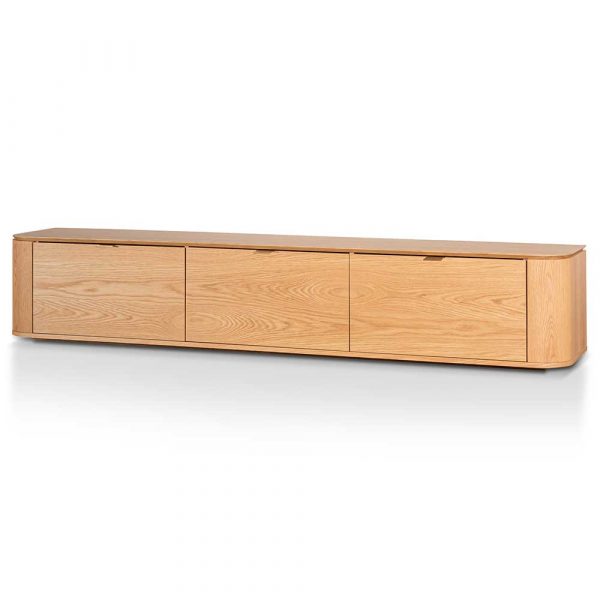
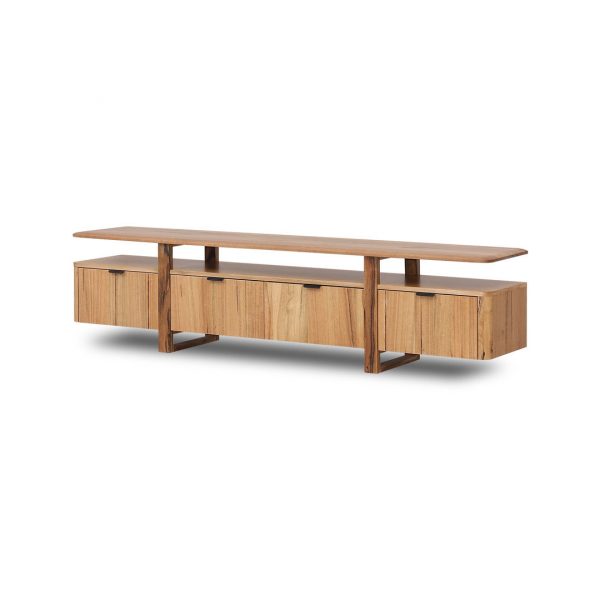
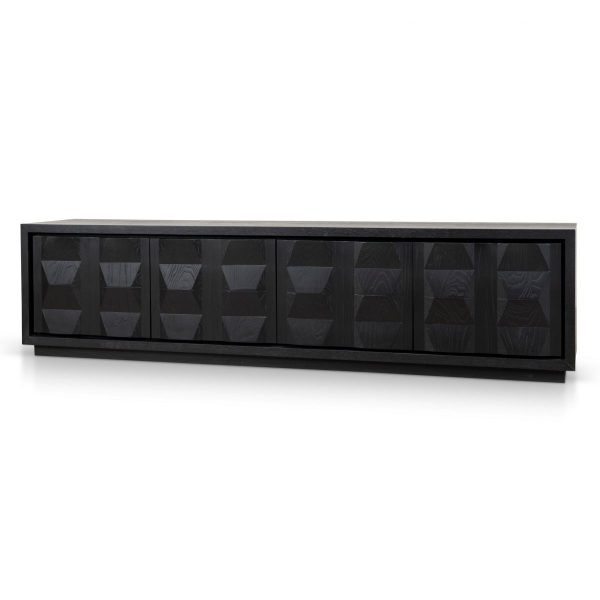
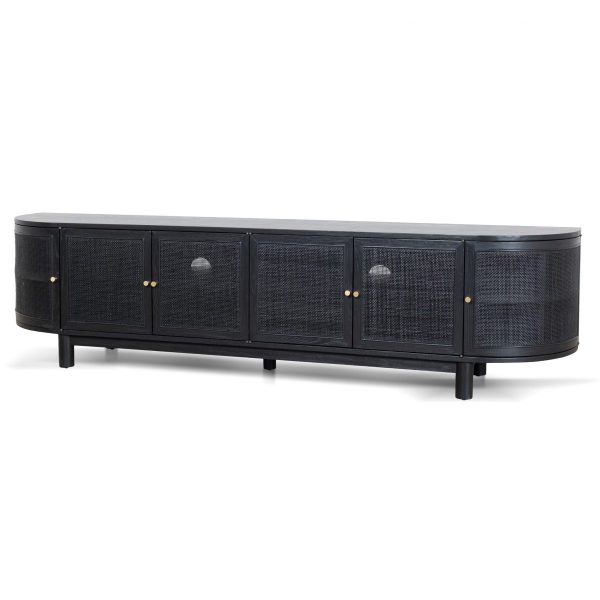
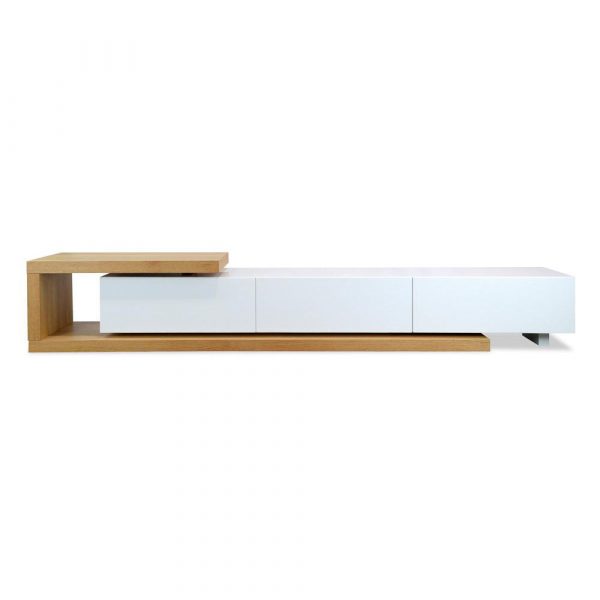


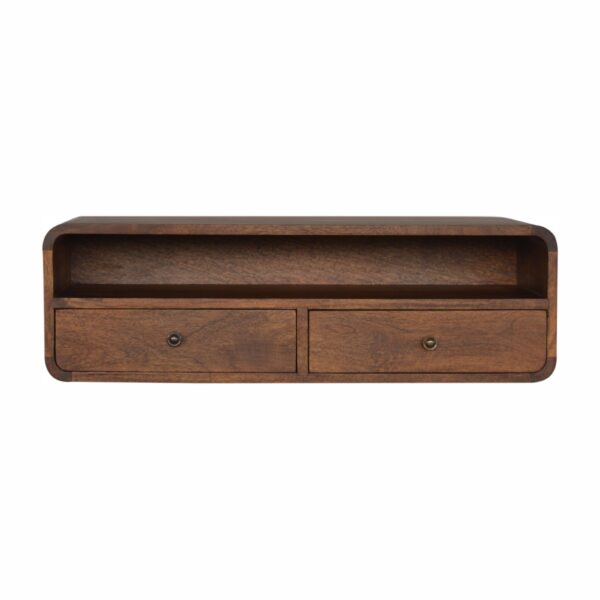

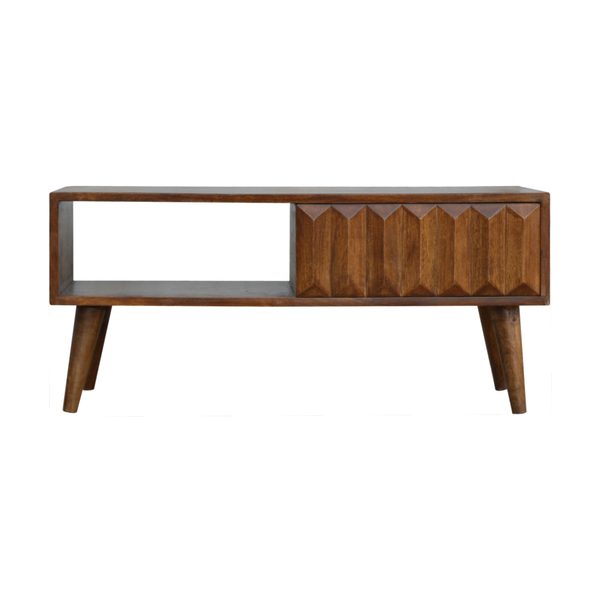
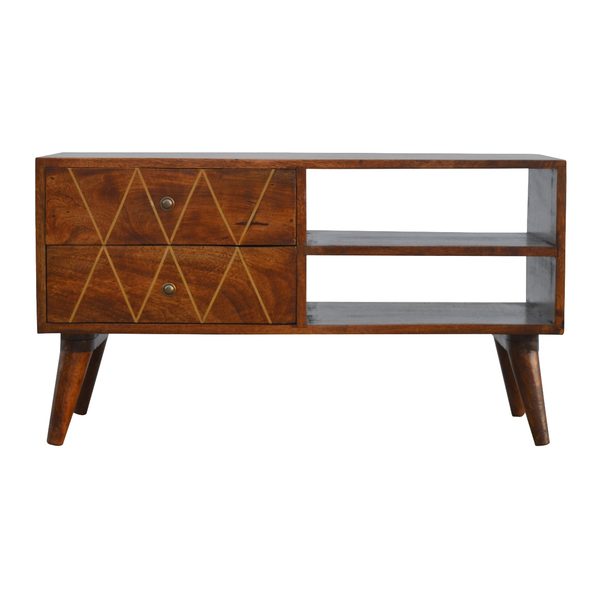
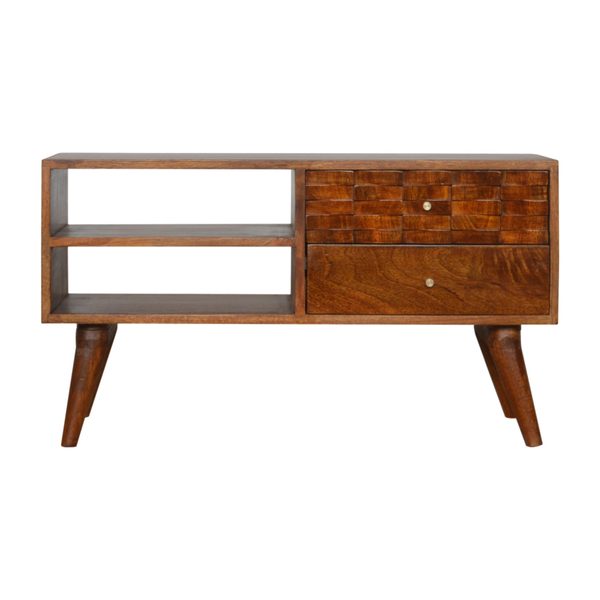
Measure the connected equipment rather than its bare body
List the devices and read their dimensions with the connections actually used. Plugs and leads can need space beyond the body, so include them in the depth and access plan. Follow each manufacturer’s installation and ventilation instructions rather than forcing equipment into a compartment whose maximum outline only just accommodates it.
Read actual cabinet openings and fittings. A cable feature, door or adjustable shelf must be documented rather than inferred from the entertainment role. TV units with storage help allocate ordinary contents around equipment. Choose an installed configuration you can operate and maintain, not just a photograph where the devices have been arranged without visible connections.
Keep controls and retrieval reachable during ordinary use
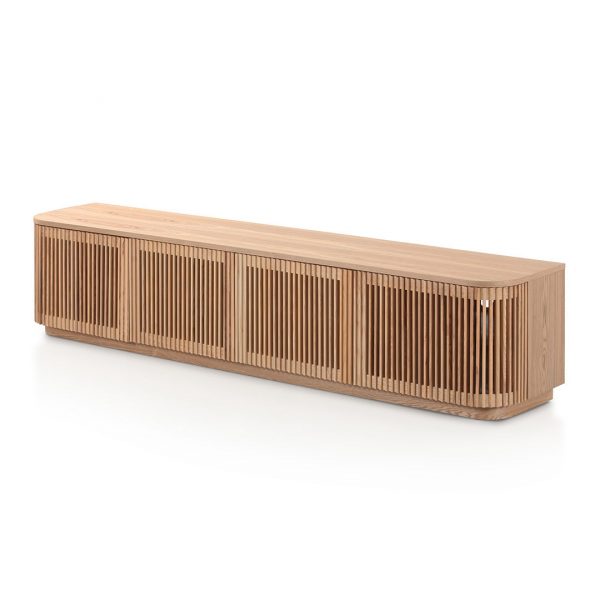
Check the positions of devices, controls and stored items with seating in use. If a door remains closed, confirm the actual equipment can operate that way rather than assuming visibility or a woven pattern proves compatibility. Read device ventilation and control requirements alongside the cabinet front.
Plot actual opening movement and a person reaching contents. Smaller items should not obstruct equipment access simply because spare space remains. TV units with drawers offer a closer sorting route. Choose the routine at the time the furniture is used, rather than assuming a neatly parked living room establishes convenient access during viewing or a future device change.
Check support and service access before choosing the final front
Compare the full assembled television, including its stand where used, with usable top dimensions and documented loading. Screen diagonal or the feet alone cannot establish fit. For a wall-mounted arrangement, assess the cabinet’s separate equipment role and actual installation guidance. Keep top capacity independent of shelf limits.
Mark full furniture depth, wall limits and connection access before finalising the position. Low TV units help assess proportion where height matters to the setup. Read finish care, assembly and securing instructions, then ask benssur about missing support or installed measurements. Choose a cabinet whose real access remains useful after equipment and surrounding seating are in place.