
TV Units with Shelves
TV units with shelves should be chosen through the equipment and stored groups that need each clear space. Start with device dimensions in their connected configuration, then compare usable height, width and depth. A shelf count does not establish equal compartments or the movement needed to reach connections. Read the actual fittings and any adjustment rather than assuming every media unit can be rearranged.
Read moreRead less
Use this collection to plan equipment positions within the wider TV and entertainment unit guide. TV units with drawers focus on smaller sorting, while TV units with storage examine the complete contents plan. Choose the clear spaces, supported loads and actual device operation first, with the cabinet’s finish chosen after that setup works.
Showing 1–24 of 42 resultsSorted by recommended
-
Week’s PickOriginal price was: $1,734.00.$1,439.00Current price is: $1,439.00.
-
-
-
On SaleOriginal price was: $2,439.00.$2,146.00Current price is: $2,146.00.
-
-
-
On SaleOriginal price was: $1,419.00.$1,249.00Current price is: $1,249.00.
-
-
-
-
-
-
-
-
-
-
-
-
-
-
-
-
-
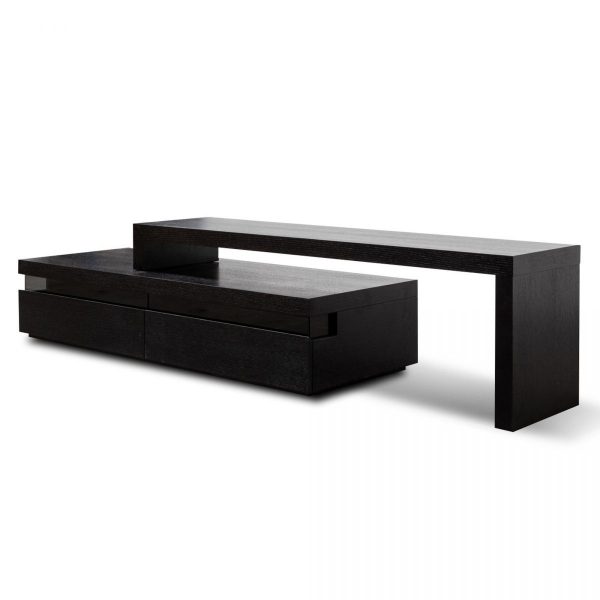

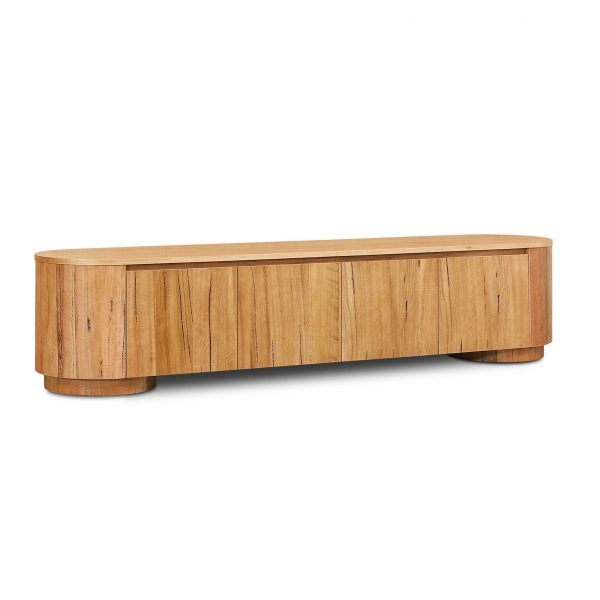
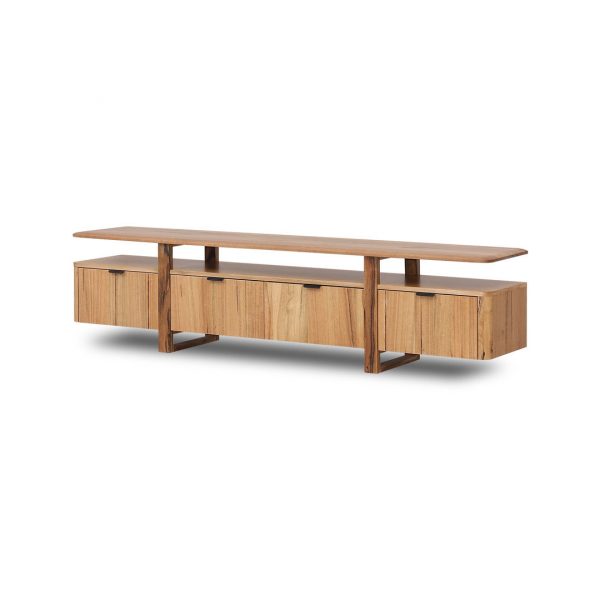
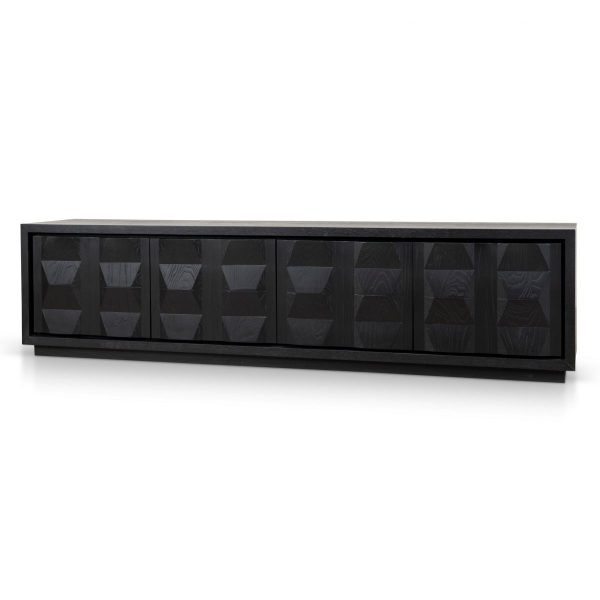
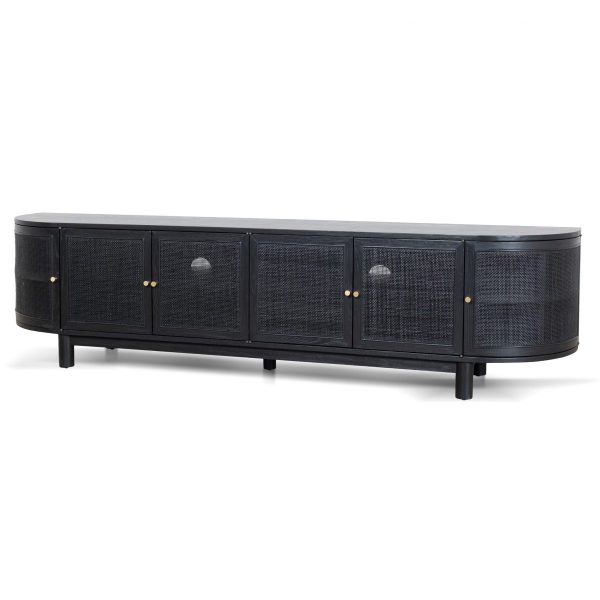
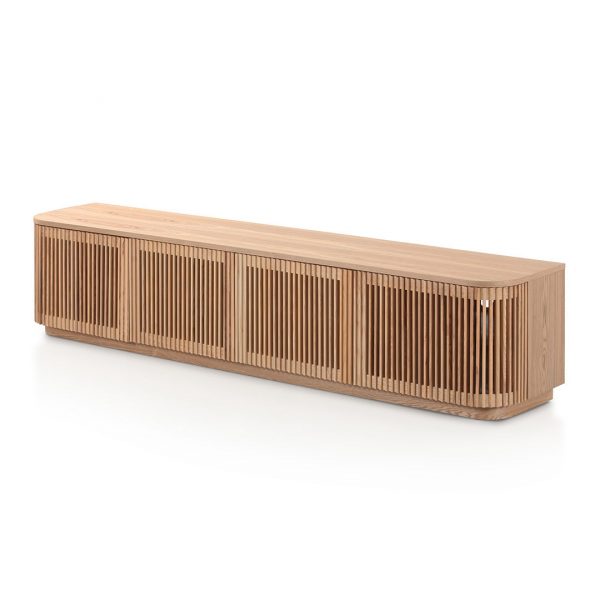
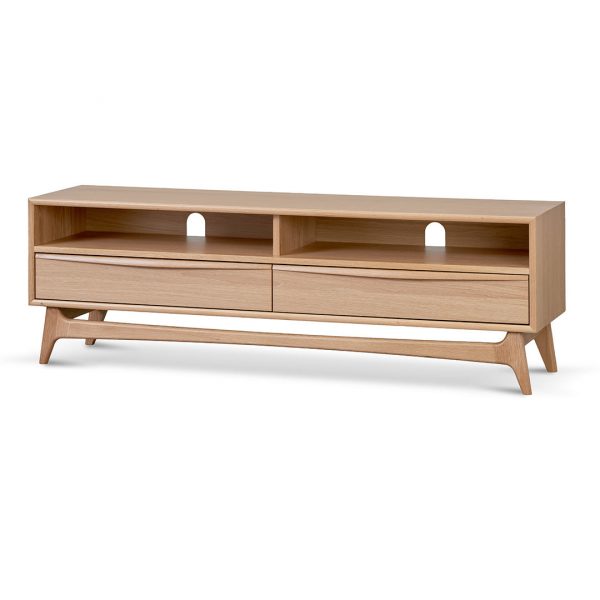
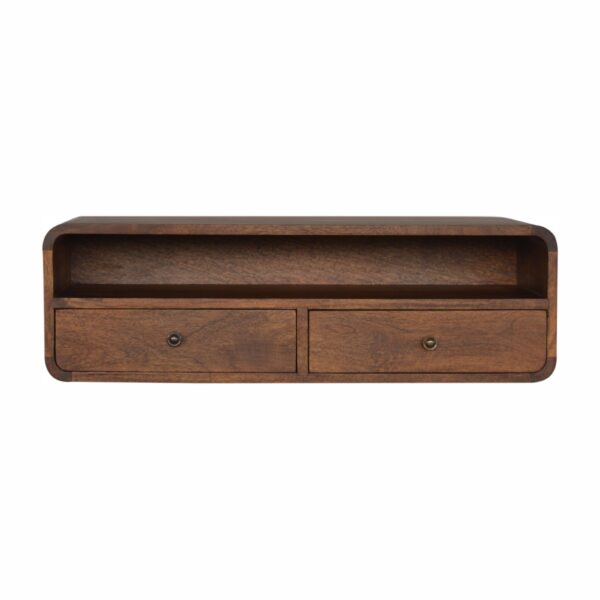

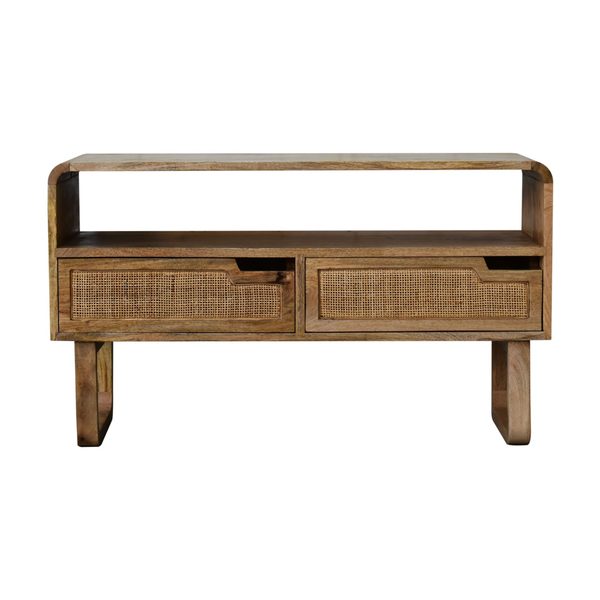
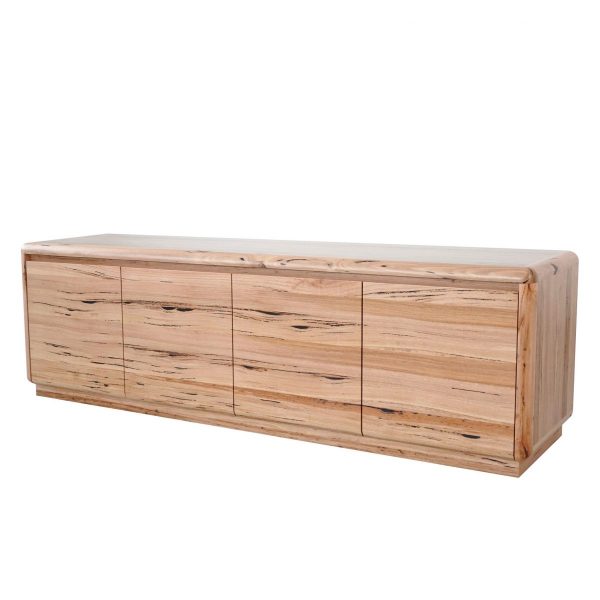
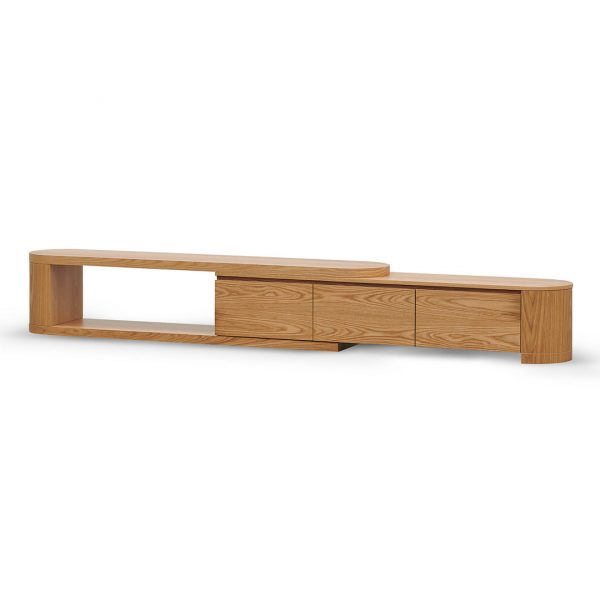
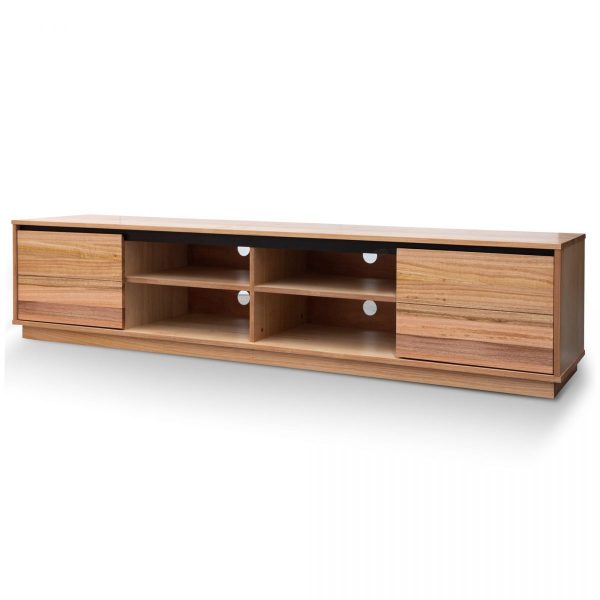
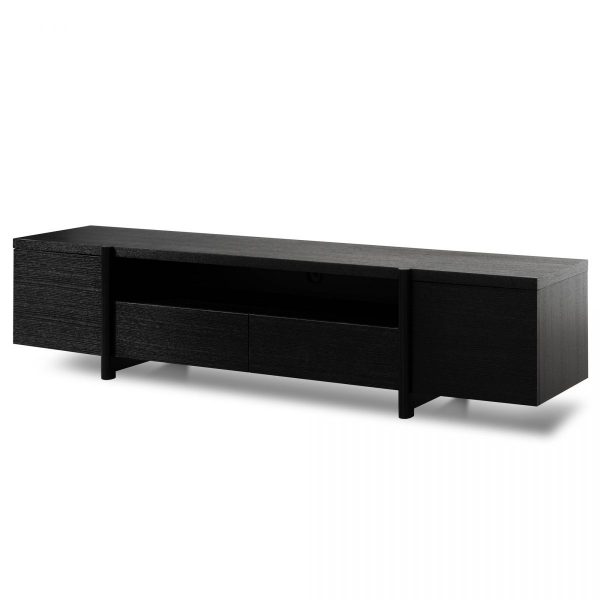
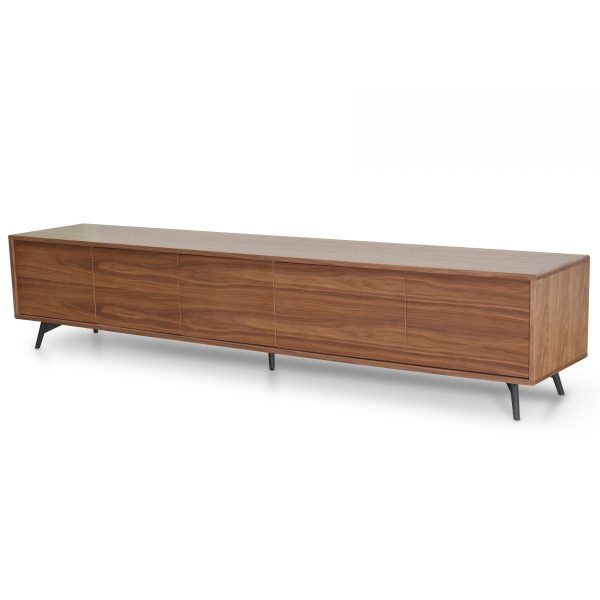
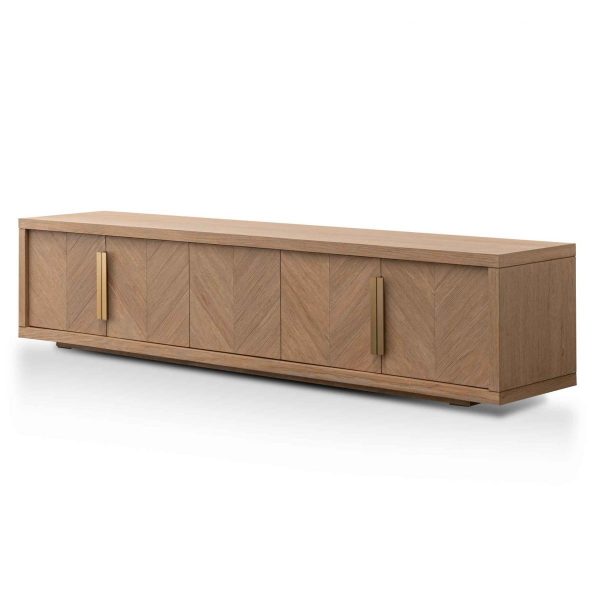
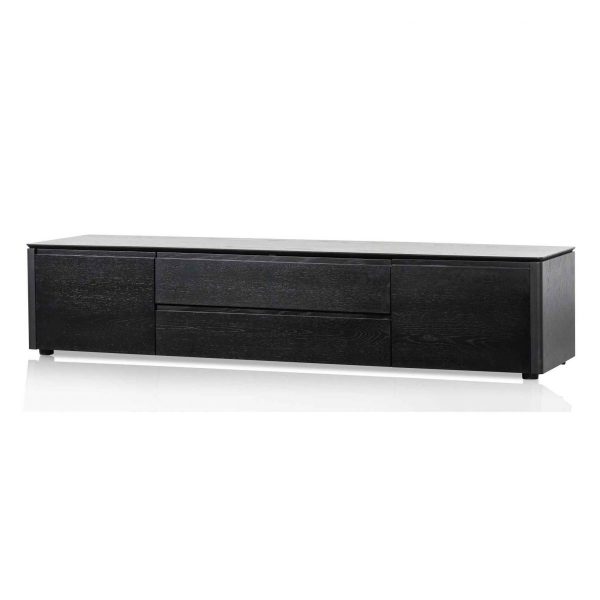
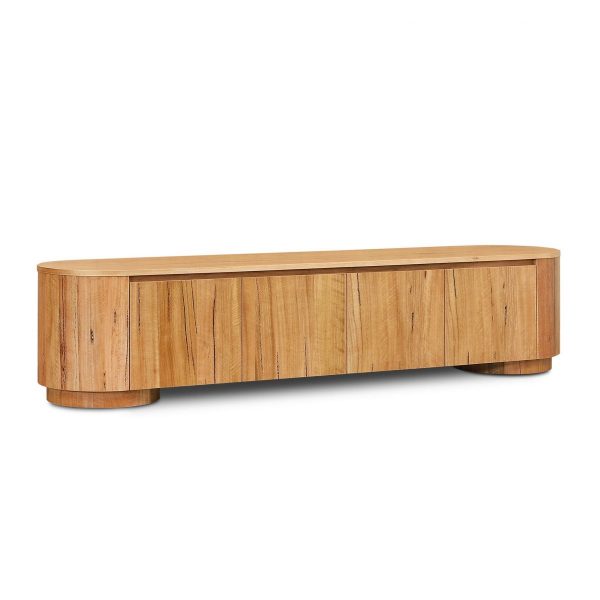
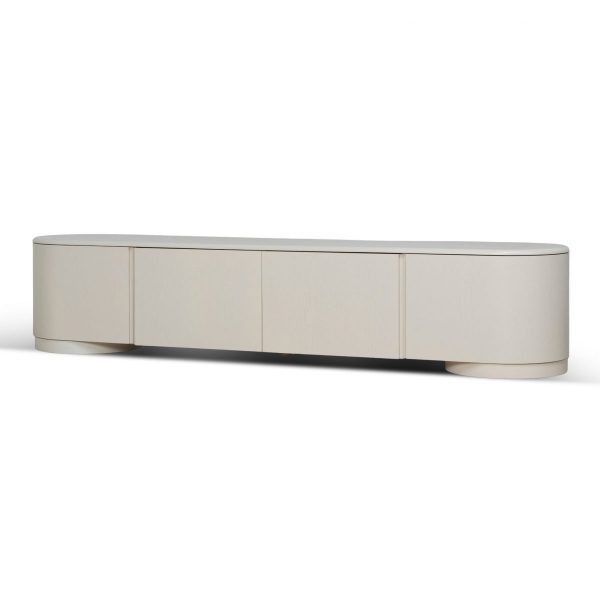
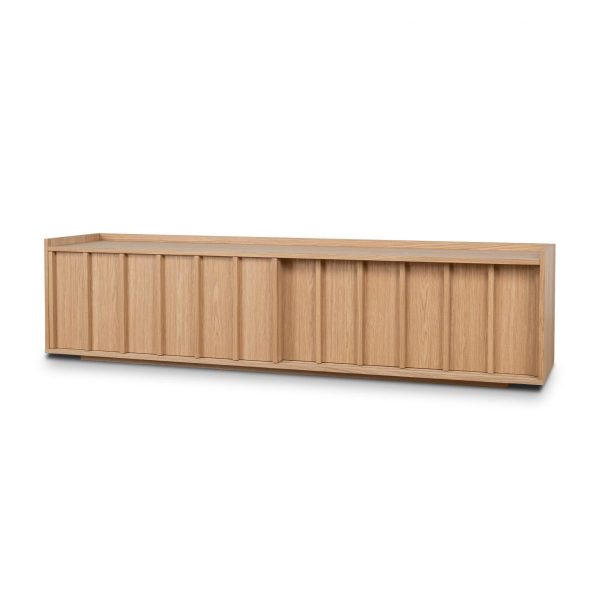
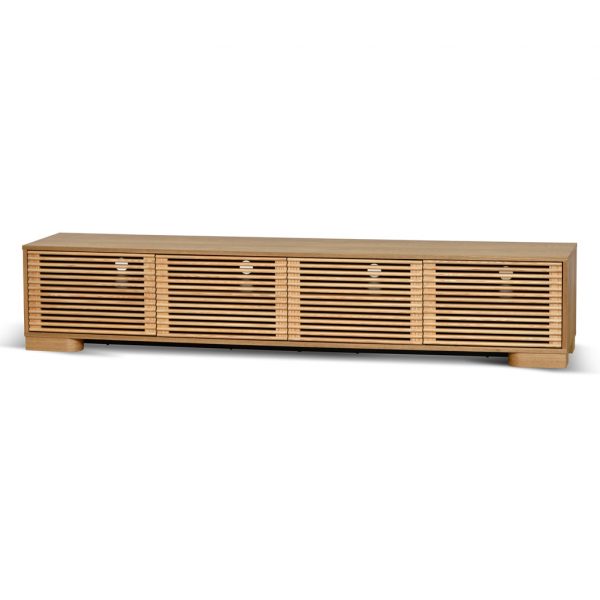
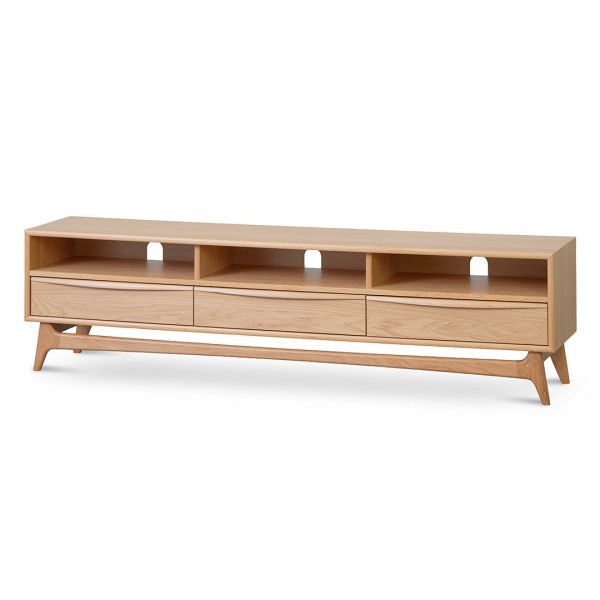
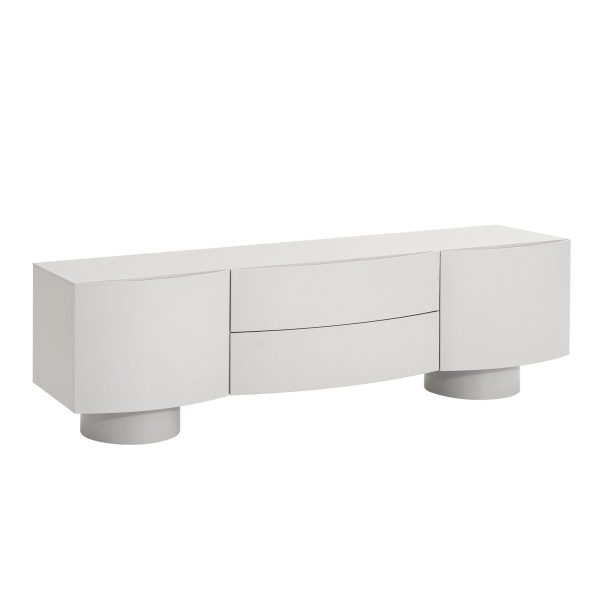
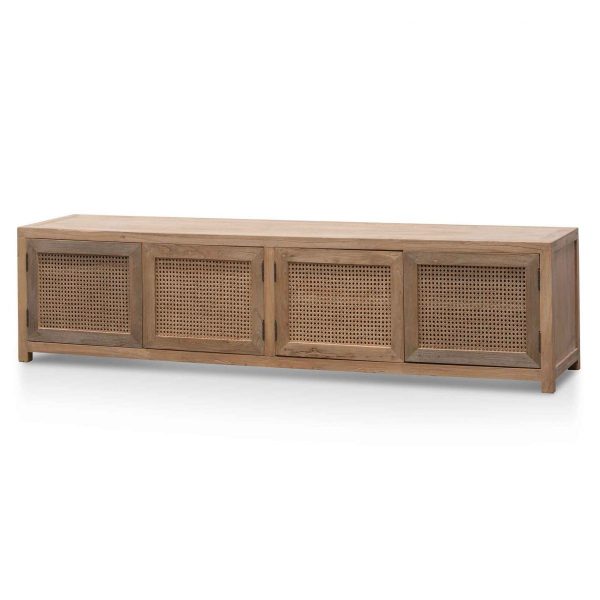
Measure clear shelf space with devices connected
Read the actual device width, depth and height, then include plugs and manufacturer-required operating space. The bare body can fit while the installed configuration does not. Compare usable compartment dimensions, noting supports, frames or another fitting that reduces the clear area. Overall cabinet depth is not the equipment shelf’s useful depth.
Follow the individual device’s ventilation and orientation instructions rather than assuming a close fit or rotated position is permitted. Check doors where present; an open-looking photograph does not establish the actual front configuration. TV unit setup advice examines connections and access more deeply. Choose the shelf through the installed device, not a neat outline with cables omitted.
Read shelf adjustment and loading as separate specifications
Confirm whether the supplied shelves are fixed or adjustable. Where adjustment is stated, read the actual positions and limits instead of expecting unrestricted spacing. A shelf photograph does not establish removable fittings or additional shelves. Use the selected shelf positions when allocating equipment to each place.
Read the loading and construction for each relevant shelf, separate from the cabinet top. A broad surface or thick-looking edge is not a capacity figure. If the television stands on top, compare its complete assembled dimensions and weight with documented support. Choose the actual shelf-and-top arrangement through useful compartment gaps, supported loads and access to connected devices.
Keep controls, storage and maintenance access useful
Place regular devices where their actual controls and connections can be reached. Confirm compatibility for any closed-front operation rather than assuming a glass or woven panel supplies it. Ordinary stored objects should not obstruct the operating space or the route to the equipment. TV units with drawers provide another accessory-sorting option.
Plot full furniture depth, documented openings and the person retrieving items with seating nearby. Read shelf, front and top care separately, then follow assembly and securing instructions. Ask benssur about missing compartment or adjustment measurements before ordering. Choose a useful media shelf layout that remains accessible when connected equipment and the rest of the living room are in place.