
Dining Tables
Dining tables need room for more than their tops. Chairs, people sitting down and the route past them determine whether a dining arrangement works. Start with the everyday number of users and the way the space changes when a meal is underway.
Read moreRead less
Then compare table shape, base and material as parts of that arrangement. A round top and a rectangular form create different seating relationships, while an extension can address occasional extra space if the room accommodates it. This guide helps you make those decisions in a useful order. Browse the dining tables below with your actual chair dimensions and room plan in mind, or ask benssur about details important to the setting.
Showing 1–30 of 116 resultsSorted by recommended
-
-
-
On SaleOriginal price was: $799.00.$679.00Current price is: $679.00.
-
On SaleOriginal price was: $1,526.00.$1,221.00Current price is: $1,221.00.
-
Week’s PickOriginal price was: $2,399.00.$1,919.00Current price is: $1,919.00.
-
On SaleOriginal price was: $2,532.00.$2,026.00Current price is: $2,026.00.
-
On SaleOriginal price was: $2,933.00.$2,346.00Current price is: $2,346.00.
-
-
On SaleOriginal price was: $2,846.00.$2,277.00Current price is: $2,277.00.
-
-
On SaleOriginal price was: $2,263.00.$1,810.00Current price is: $1,810.00.
-
-
On SaleOriginal price was: $2,532.00.$2,026.00Current price is: $2,026.00.
-
-
On SaleOriginal price was: $1,103.00.$882.00Current price is: $882.00.
-
-
On SaleOriginal price was: $1,103.00.$882.00Current price is: $882.00.
-
-
On SaleOriginal price was: $1,995.00.$1,596.00Current price is: $1,596.00.
-
-
On SaleOriginal price was: $2,264.00.$1,811.00Current price is: $1,811.00.
-
-
On SaleOriginal price was: $689.00.$551.00Current price is: $551.00.
-
-
On SaleOriginal price was: $2,916.00.$2,333.00Current price is: $2,333.00.
-
-
On SaleOriginal price was: $1,512.00.$1,210.00Current price is: $1,210.00.
-
-
-
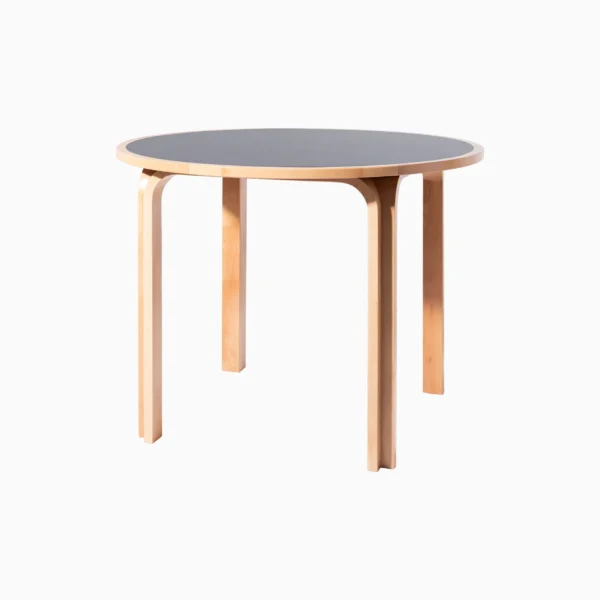

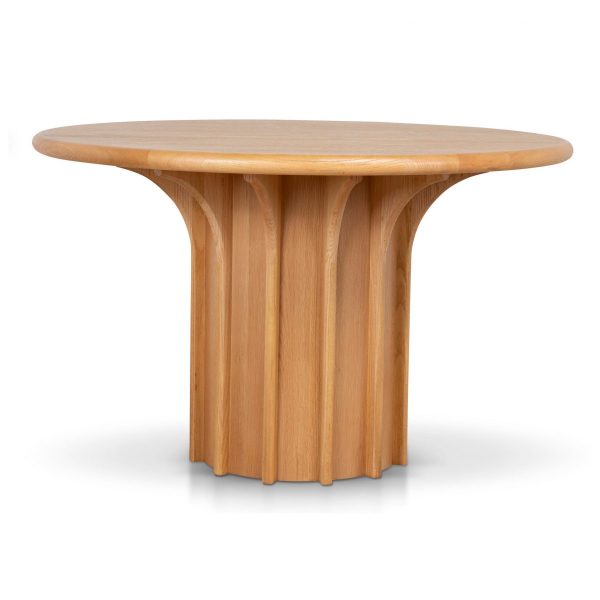
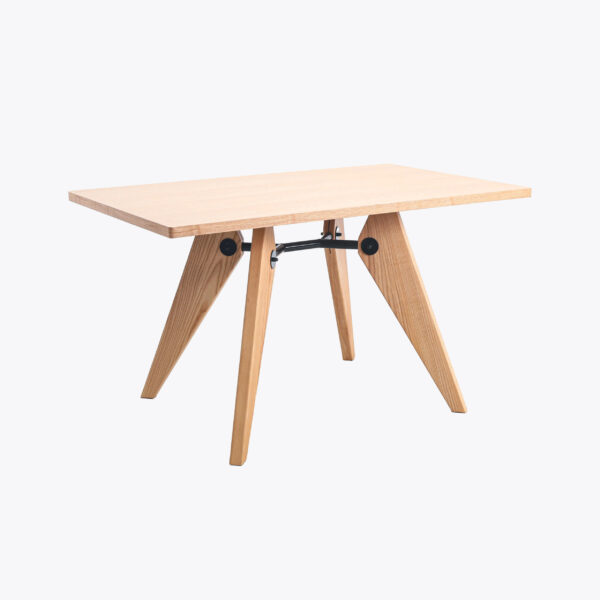
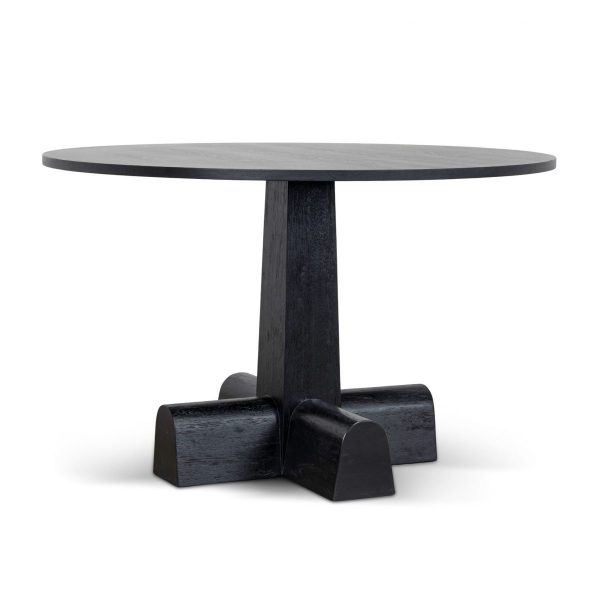
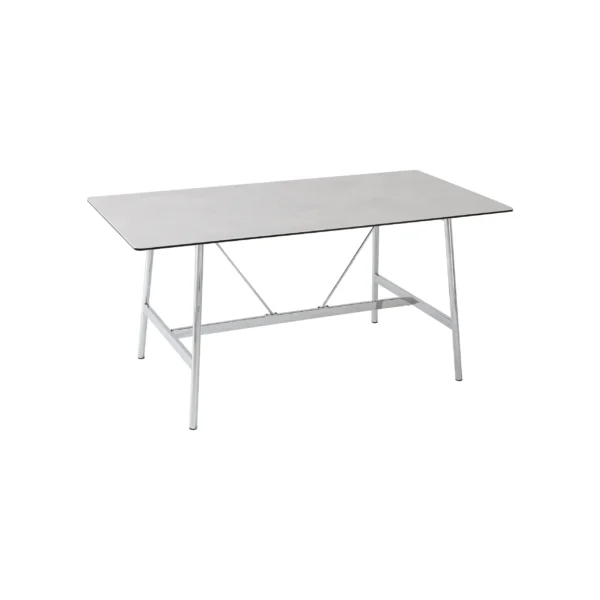
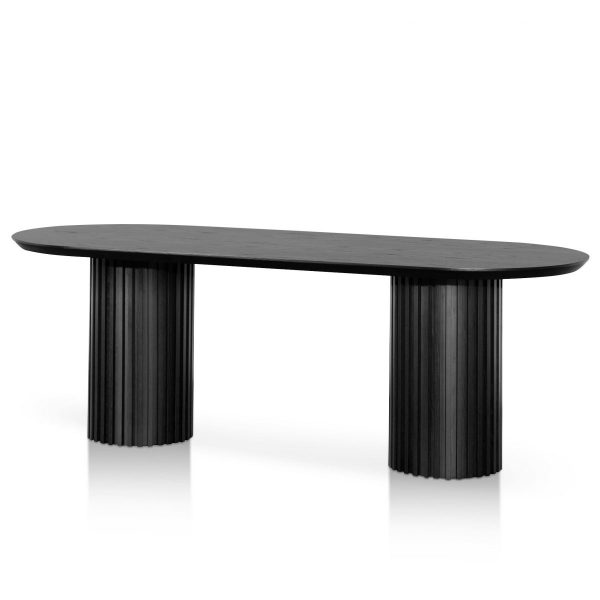
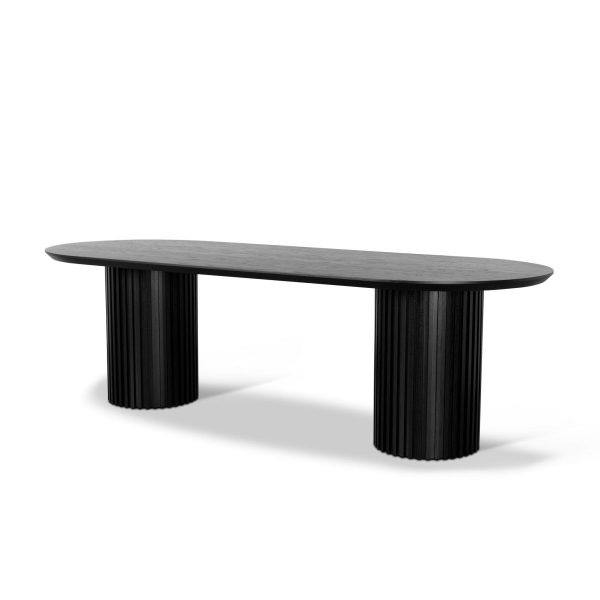
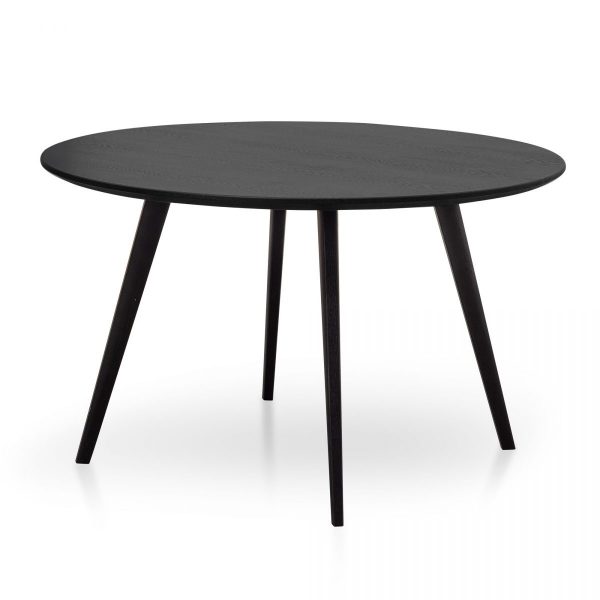
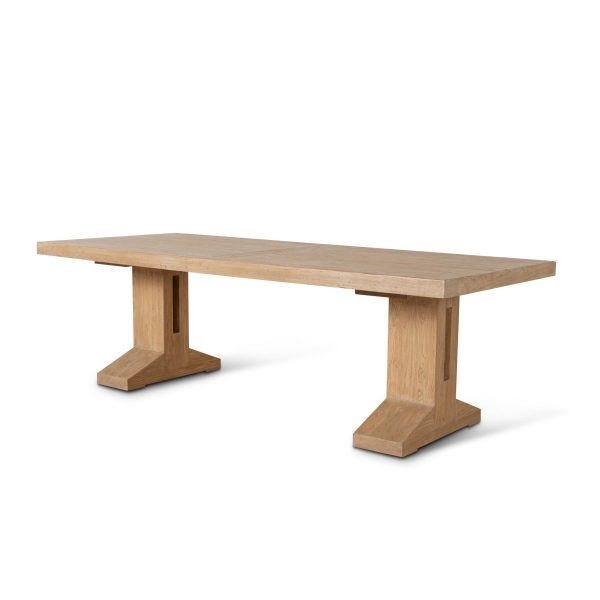
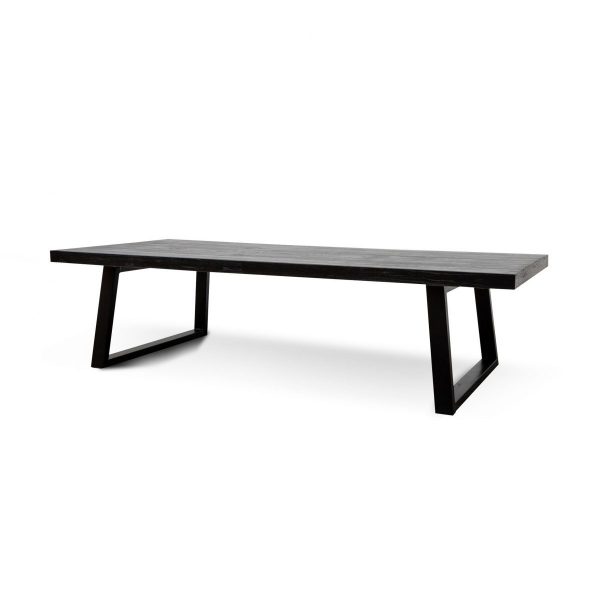
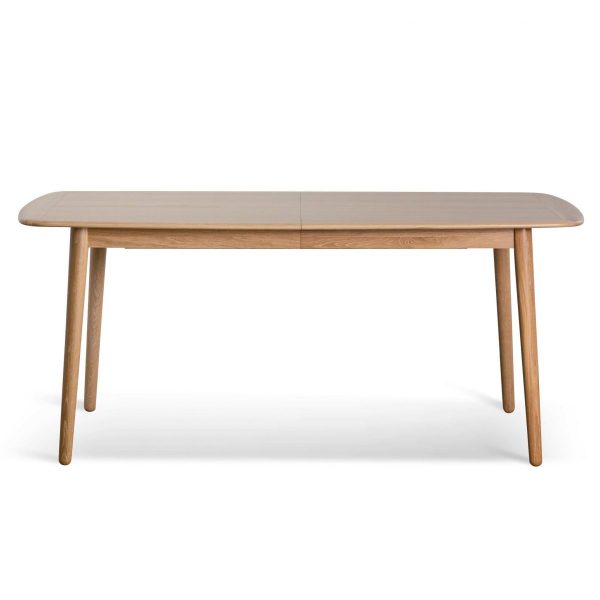
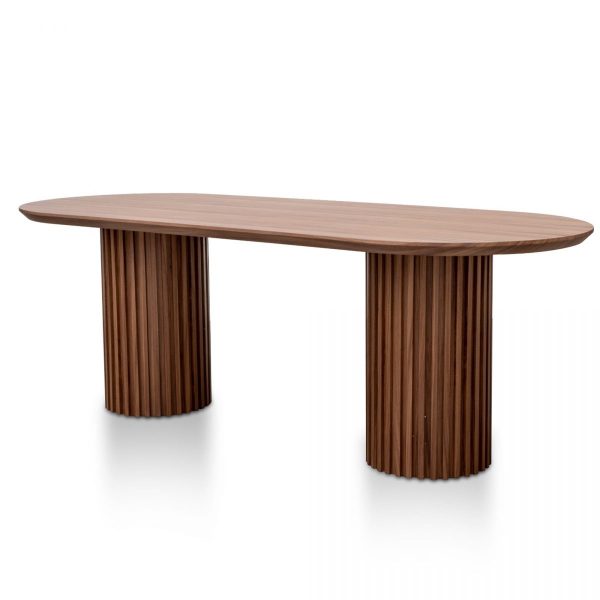
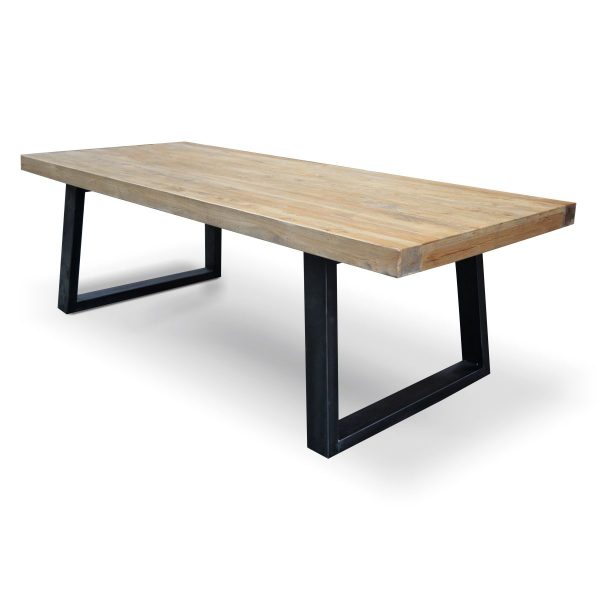
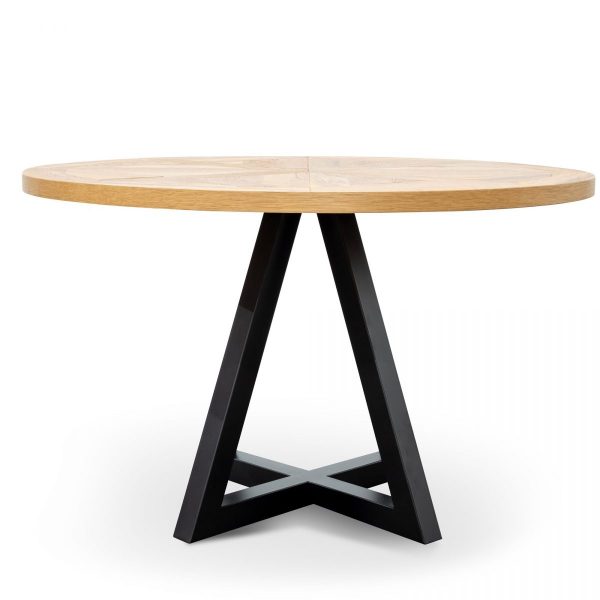
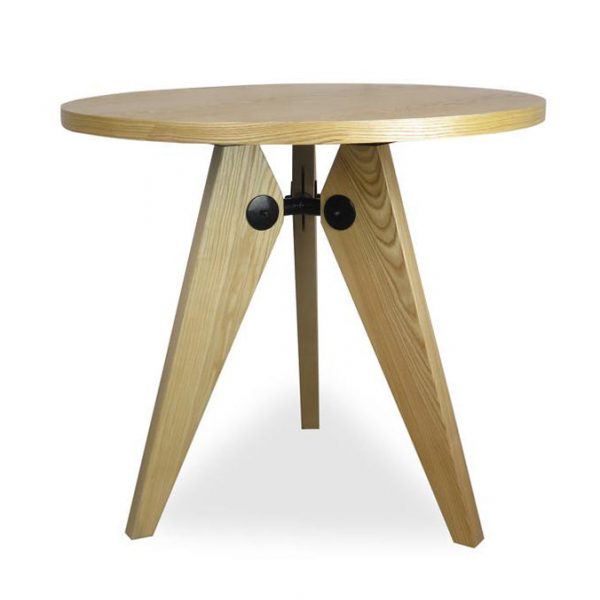
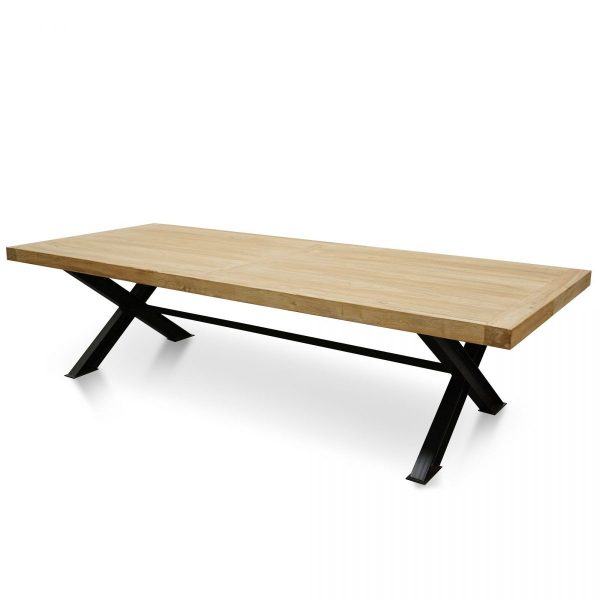
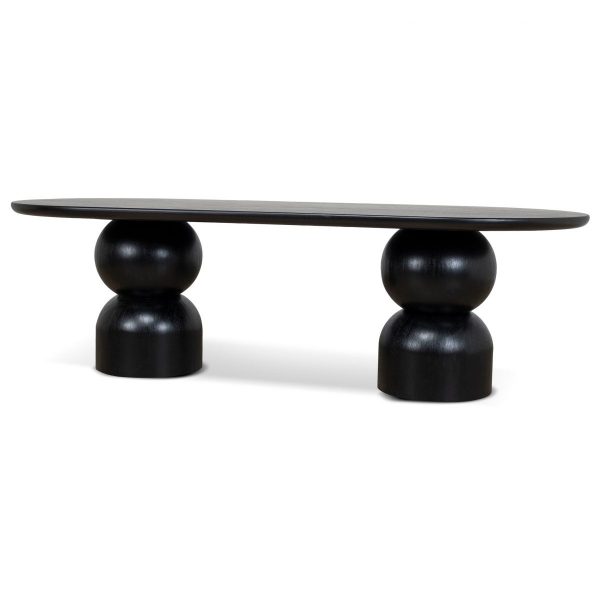
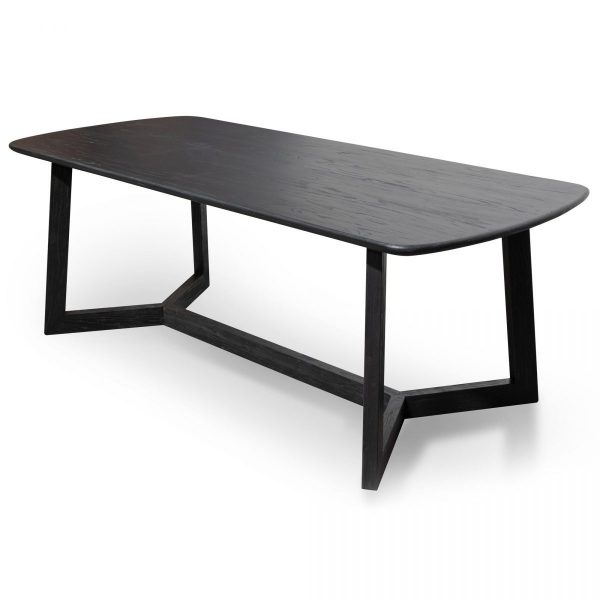
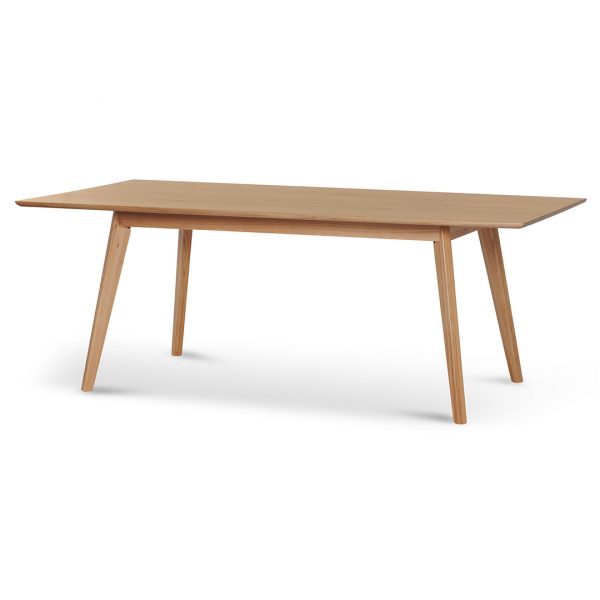
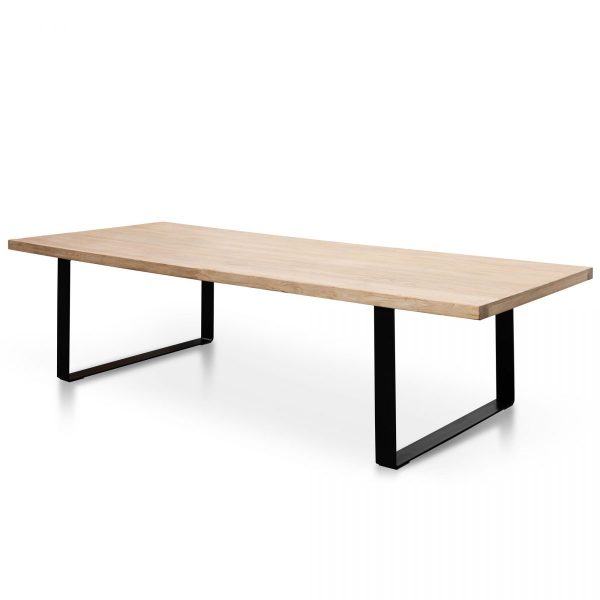
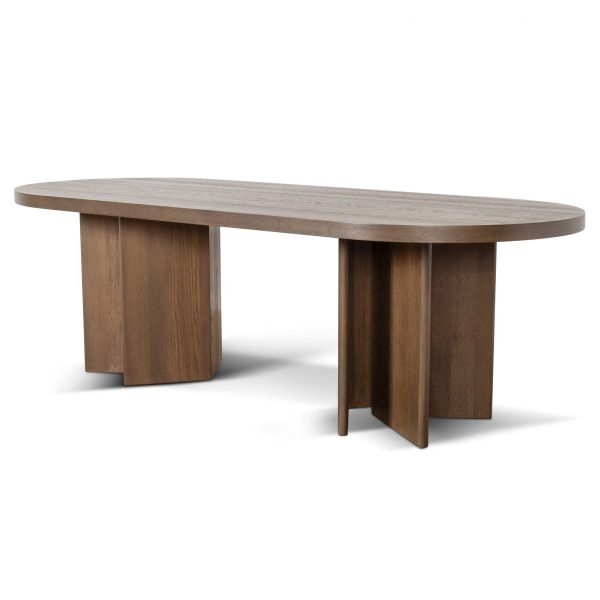
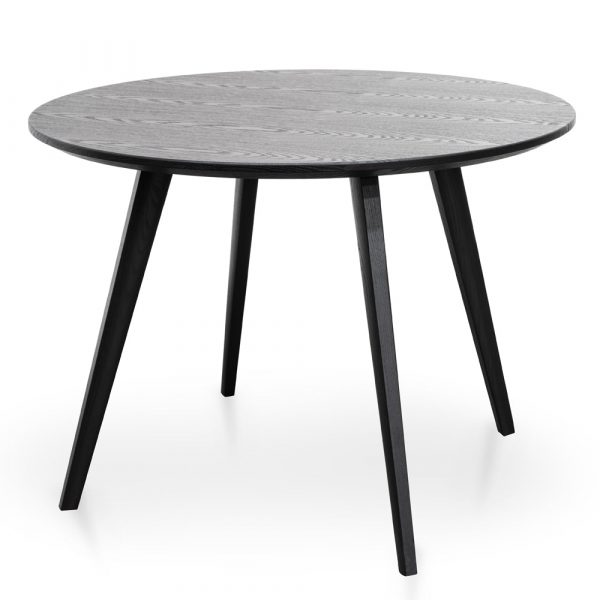
Plan the table with chairs occupied
Mark the table outline, then include the chairs in their normal sitting and pulled-out positions. Check room entry and the route around the occupied arrangement. A table can fit an empty room while leaving too little practical space once people use it.
Compare chair width, arms and the underside of the table. Legs, rails or a base can affect where each person sits. Use the dining chairs category to assess seating alongside the table rather than choosing the two independently. If room size is the main constraint, small dining tables offer a more focused comparison, subject to actual product dimensions.
Choose a shape for the room’s daily relationships
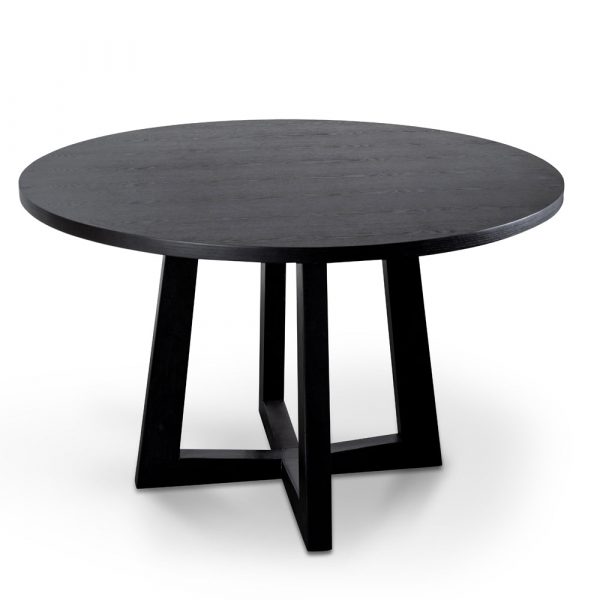
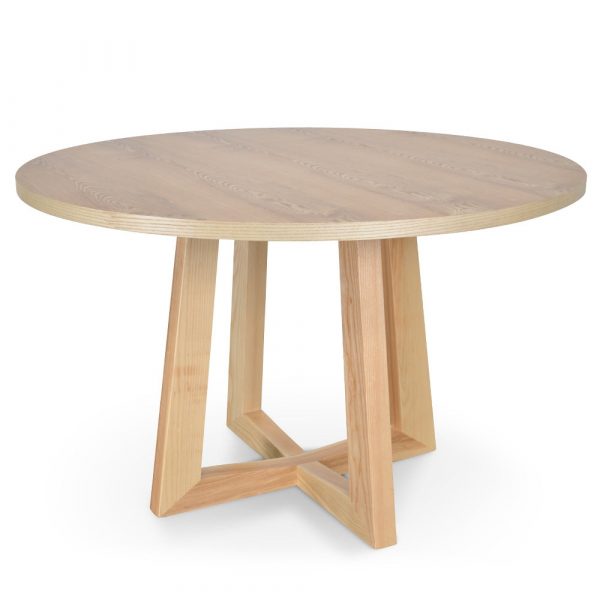
A round top can bring users around a shared centre; a rectangular top has a longer direction that may relate to the room. Neither is automatically the best fit. Compare the complete outline with chair positions and the available circulation.
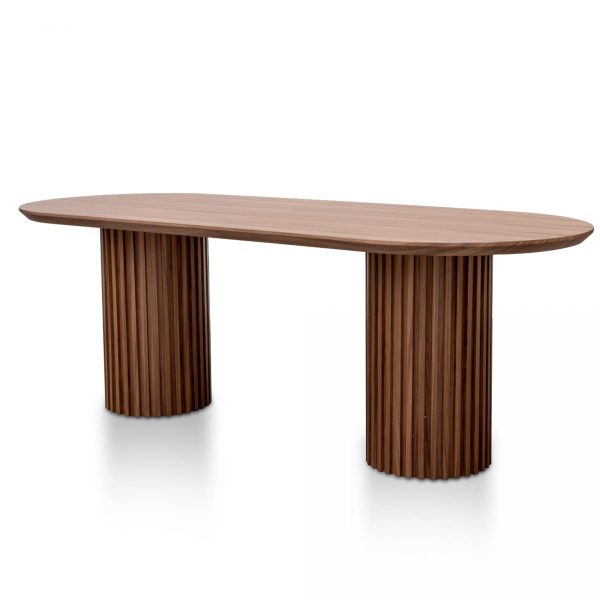
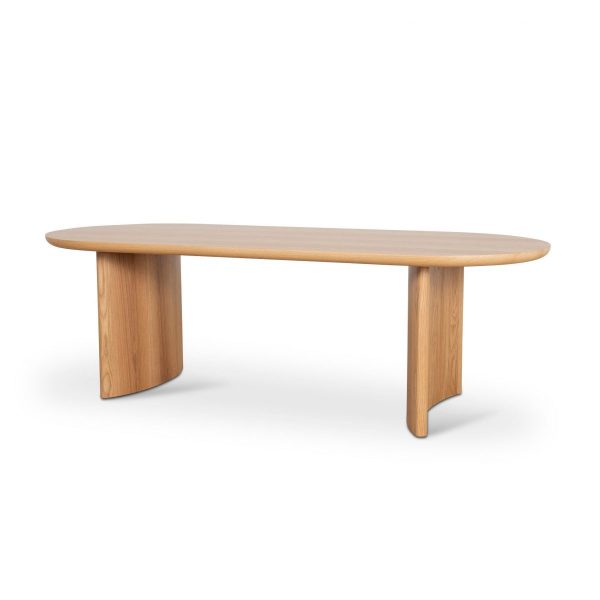
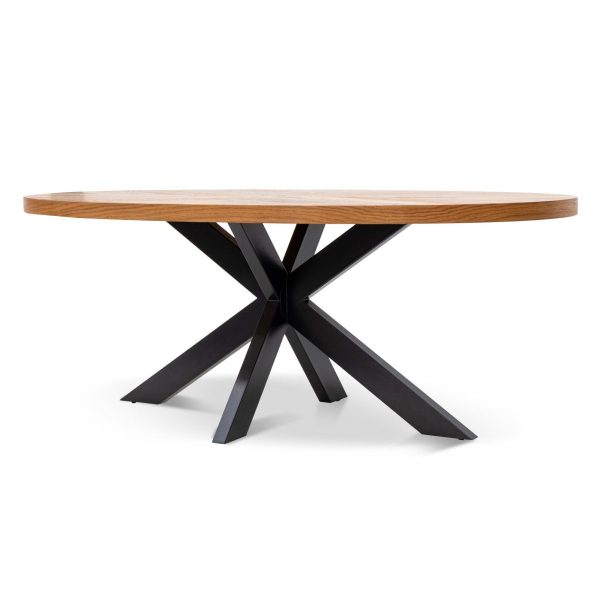
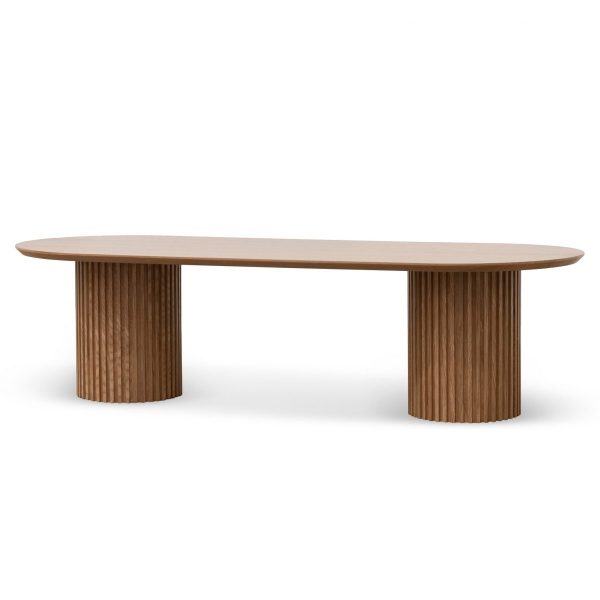
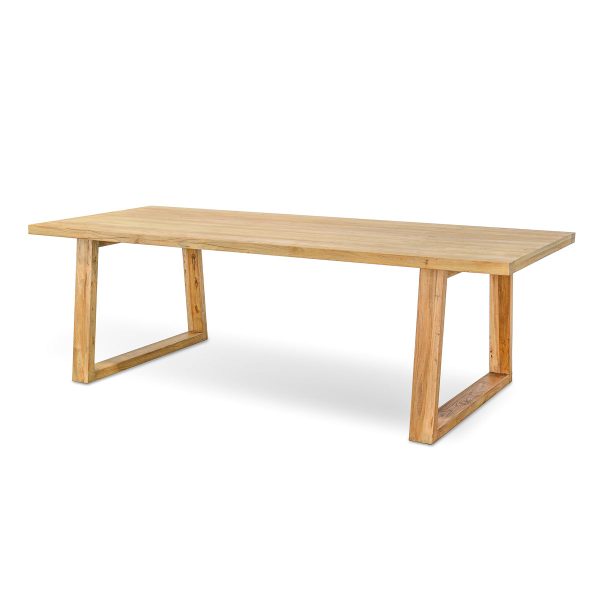
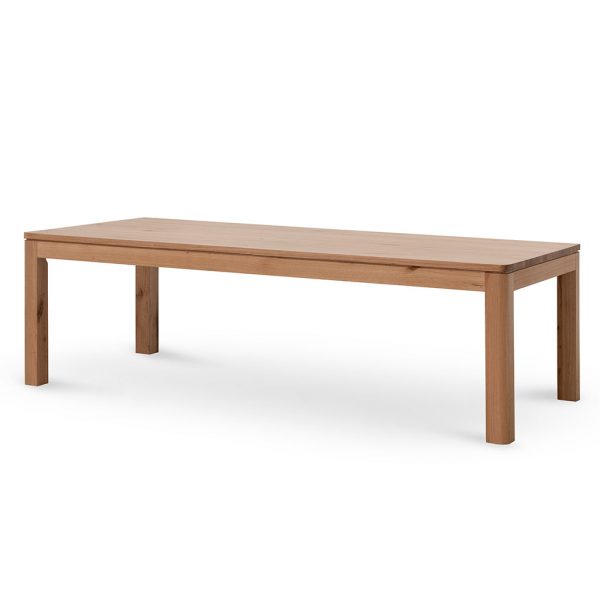
Review the actual base as well as the top. Supports can occupy knee space or restrict where chairs tuck in, even when the surface appears generous. Explore round dining tables and rectangular dining tables through those practical questions. Keep serving dishes, work or other daily tabletop use in the plan too, so shape is chosen around what happens at the table rather than style alone.
Decide whether flexibility solves a real need
If guests change the seating requirement, compare the room at the table’s everyday and expanded sizes. The BAUHAUS Extendable Dining Table provides a genuine extendable-table example; read its current dimensions and mechanism details before assessing it in your space. An extension is useful only when chairs and movement still work after opening.
Check tabletop and base construction separately, including the supplied care and assembly guidance. Do not treat a timber-looking surface, stone-effect finish or metal detail as proof of the whole specification.