
Round Dining Tables
Round dining tables arrange people around a shared centre rather than along a long axis. That can create a clear relationship between diners and serving space, but diameter still uses room width in every direction. A circular top should not be assumed compact simply because it has no corners.
Read moreRead less
Start with the everyday chairs and the space they occupy around the perimeter. Then check the base, usable top and routes through the room. This guide helps compare a round form for its actual dining purpose. Browse any listed pieces, or review oval dining tables when a longer direction with curved ends might serve your room more usefully.
Showing 1–24 of 28 resultsSorted by recommended
-
On SaleOriginal price was: $689.00.$606.00Current price is: $606.00.
-
On SaleOriginal price was: $3,239.00.$2,850.00Current price is: $2,850.00.
-
On SaleOriginal price was: $1,526.00.$1,343.00Current price is: $1,343.00.
-
On SaleOriginal price was: $1,103.00.$971.00Current price is: $971.00.
-
-
-
-
-
-
-
-
-
-
-
-
-
-
-
-
-
-
-
-
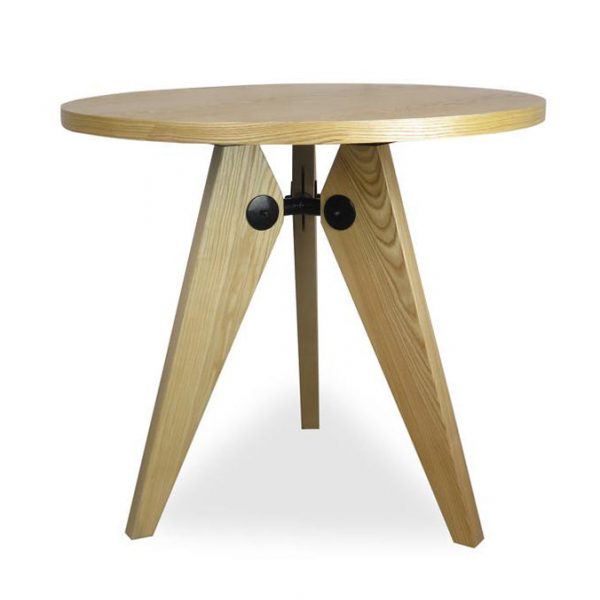

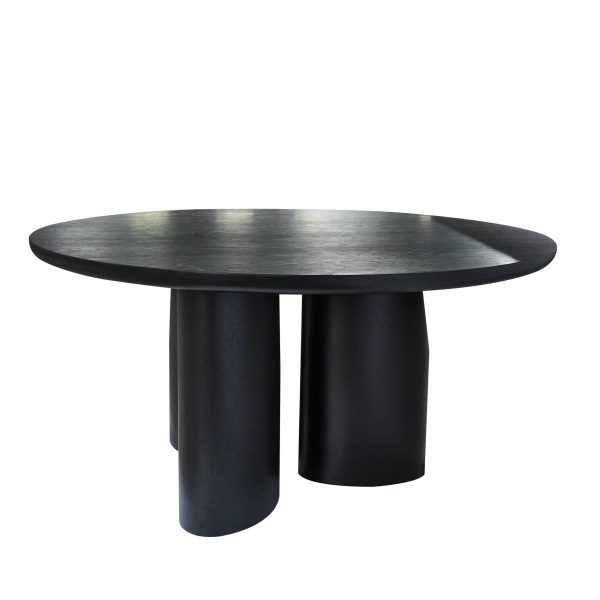
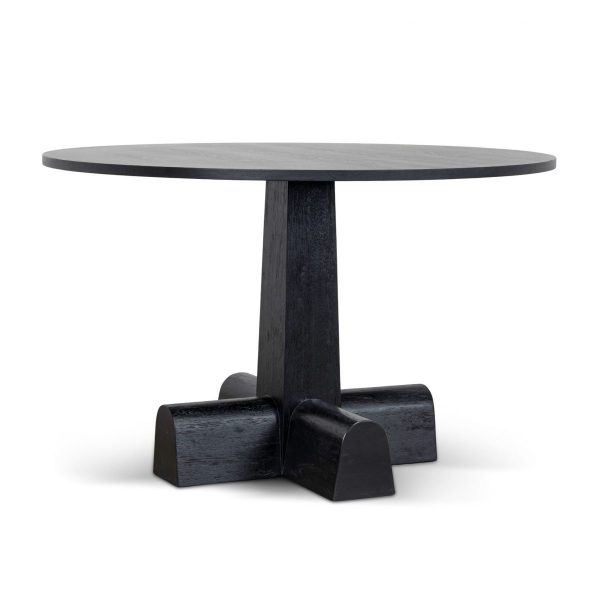
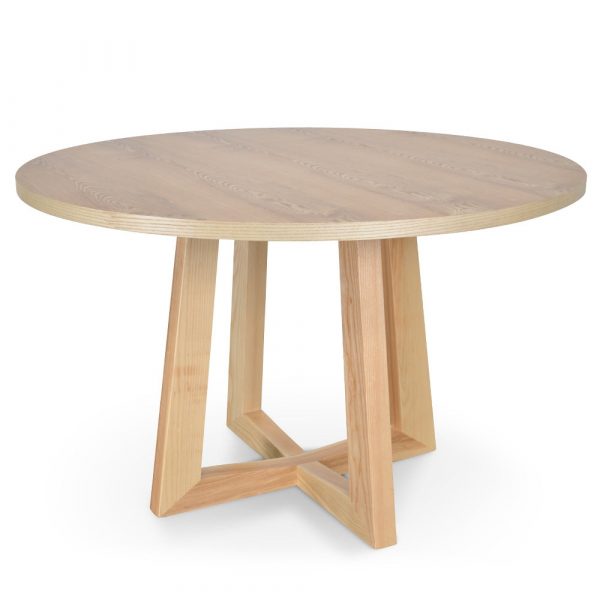
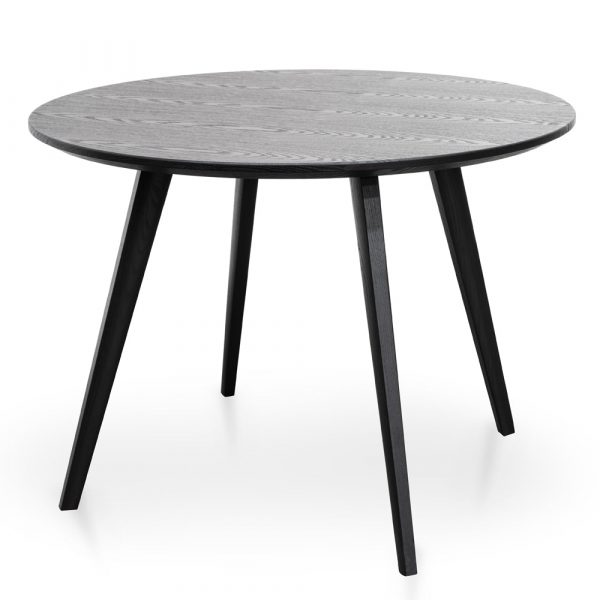
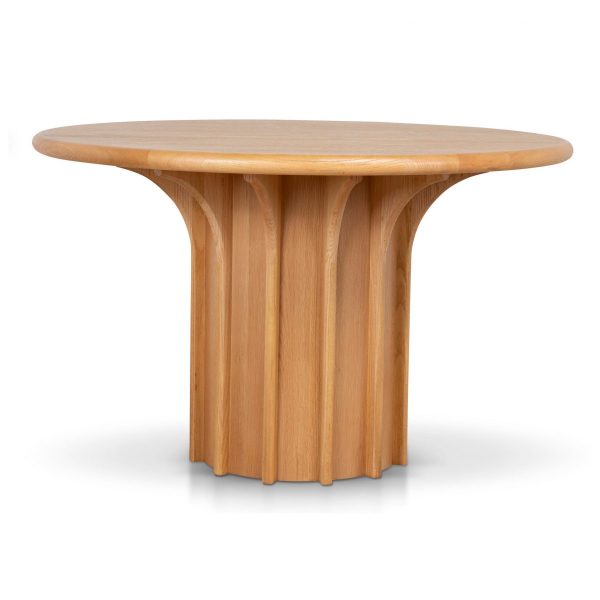
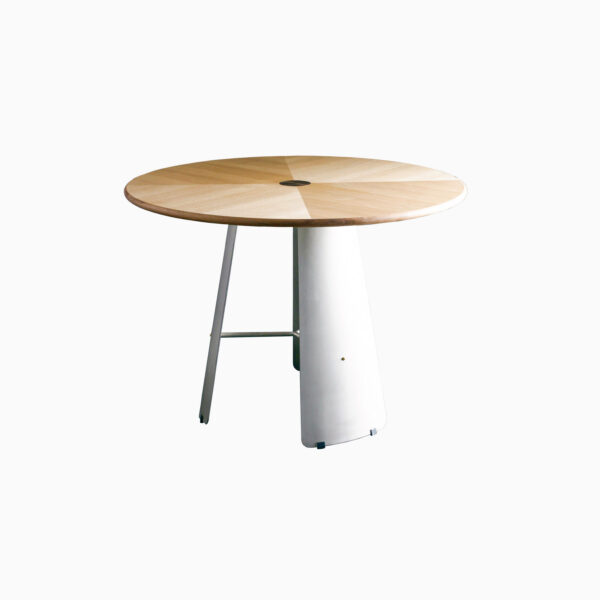
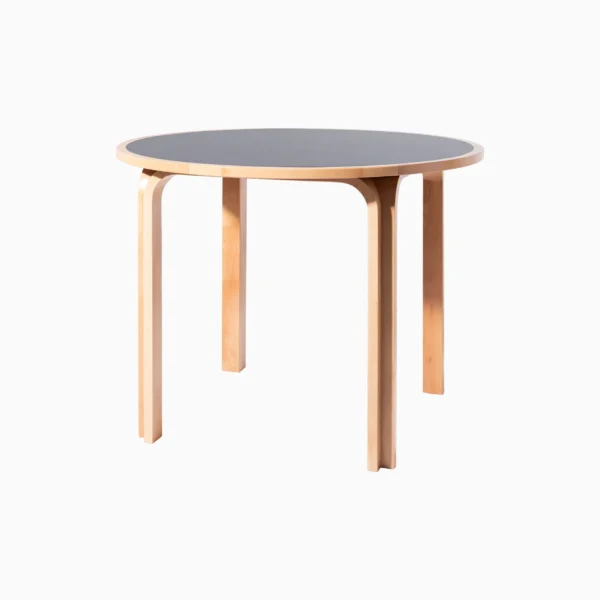
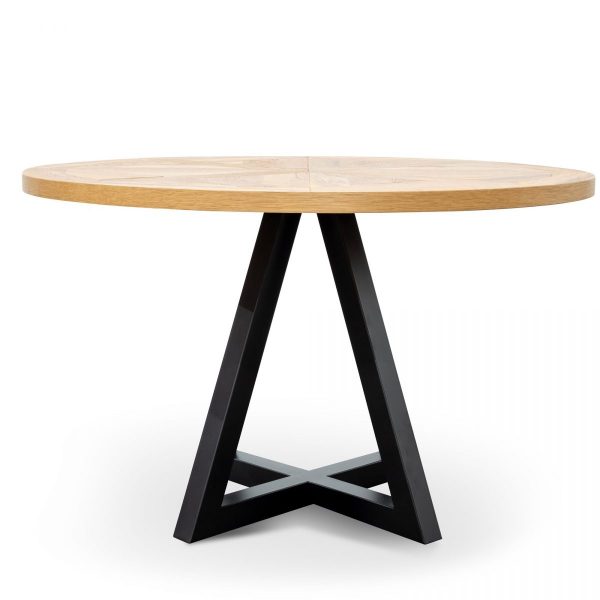
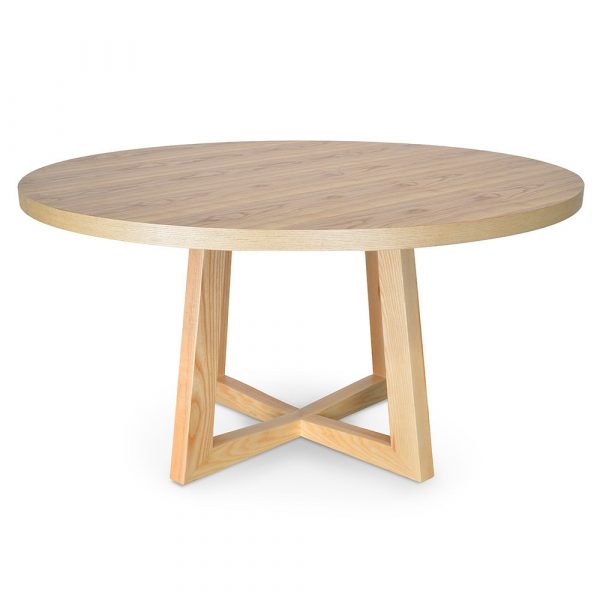
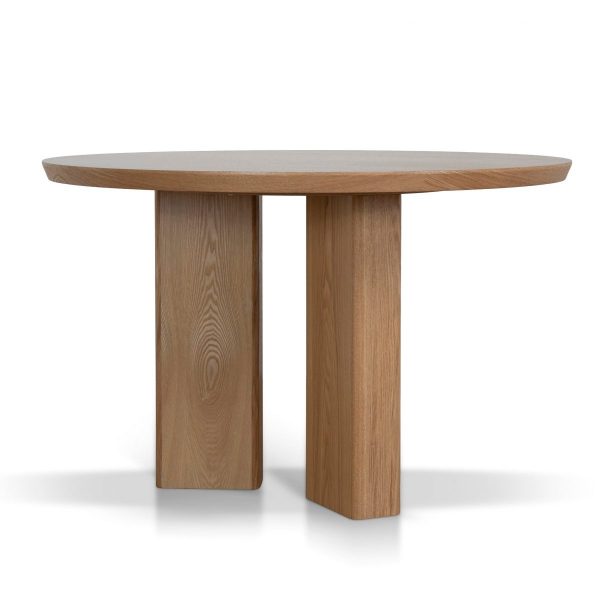

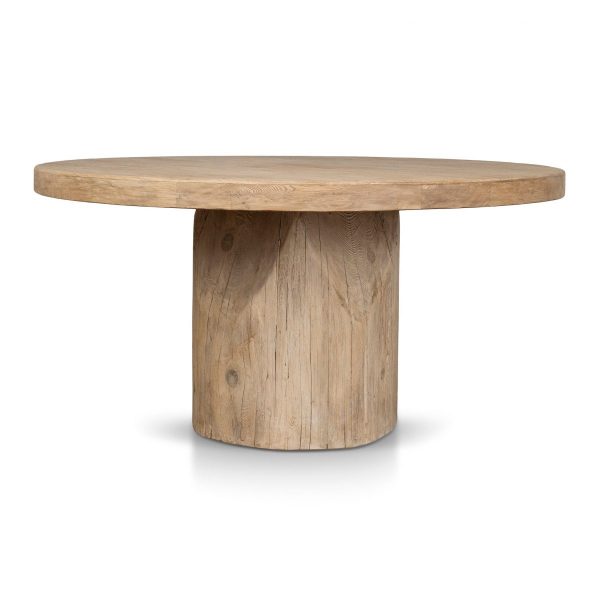
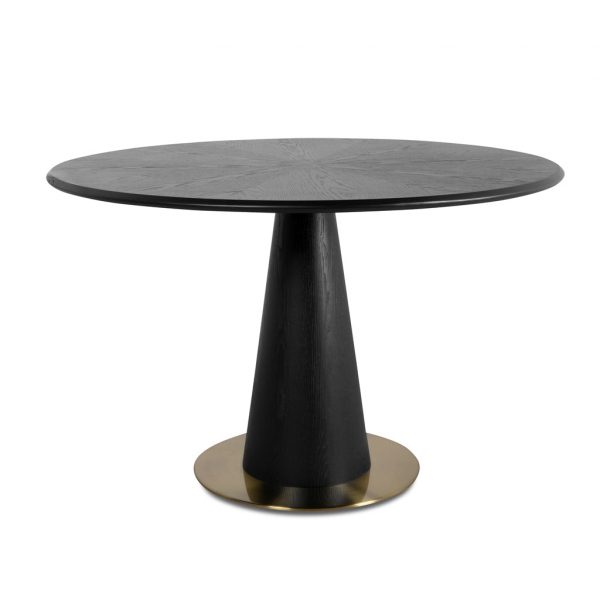
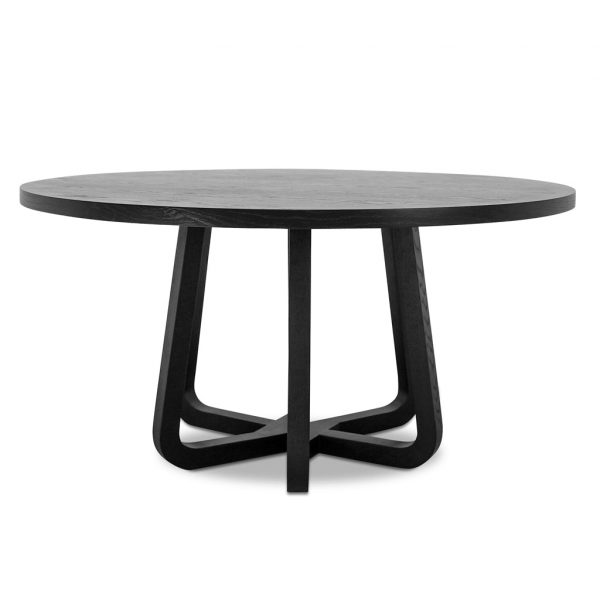

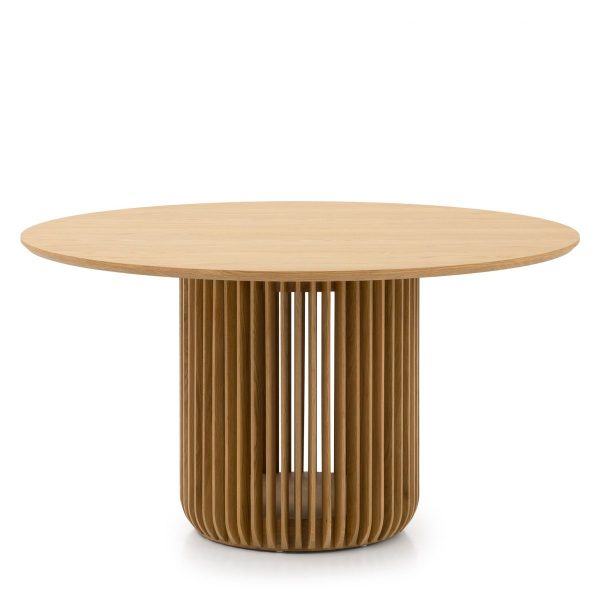
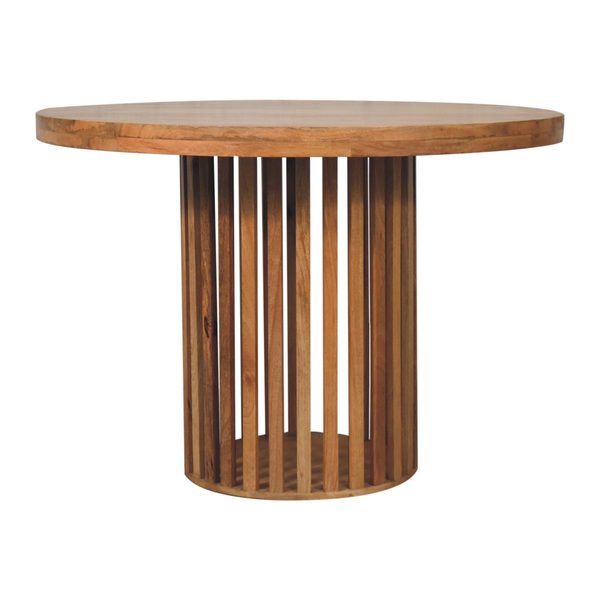
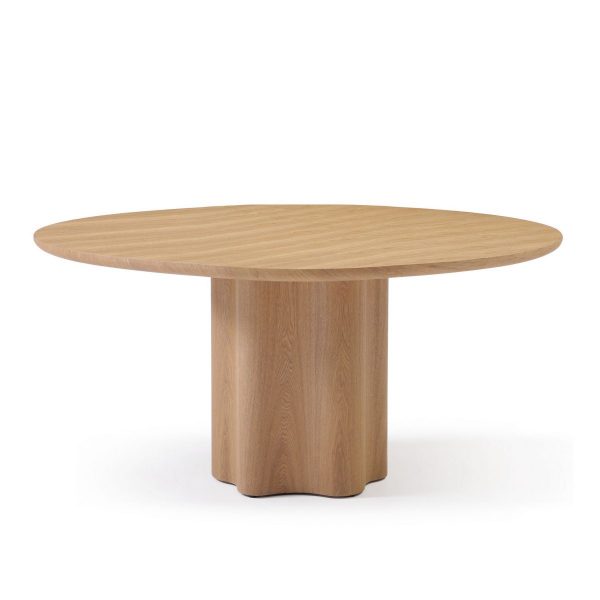
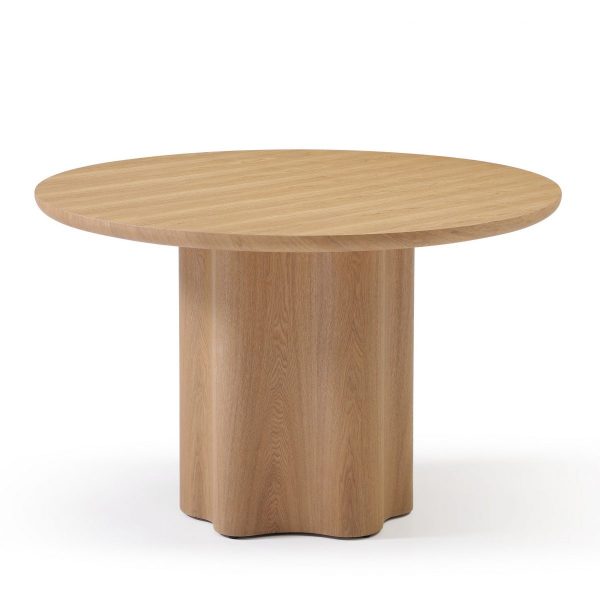
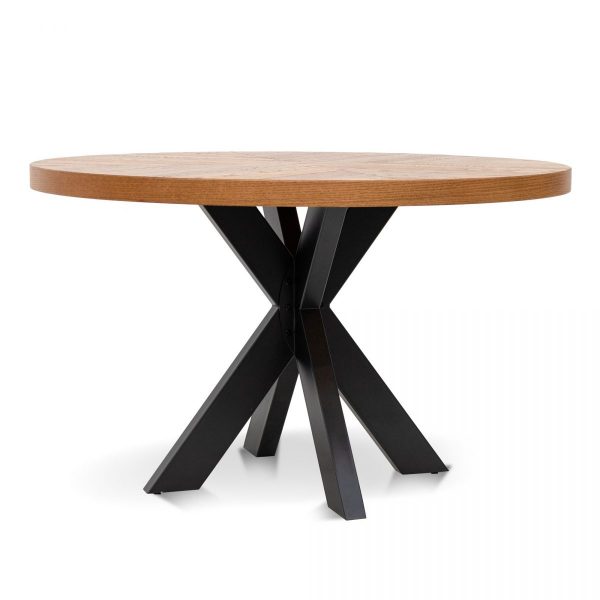
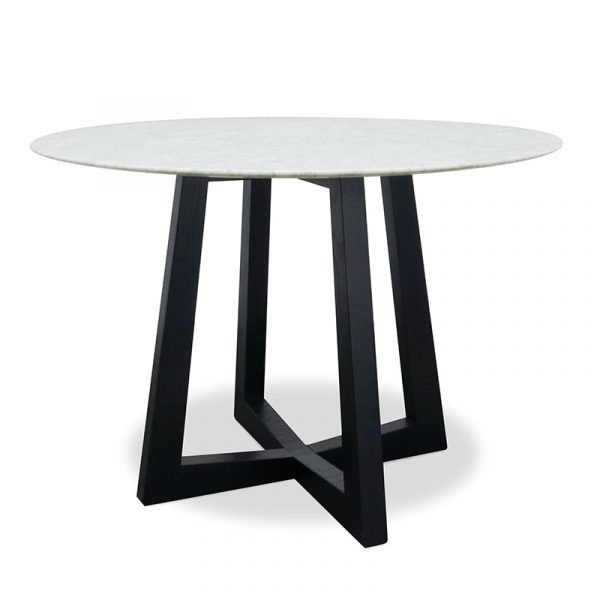
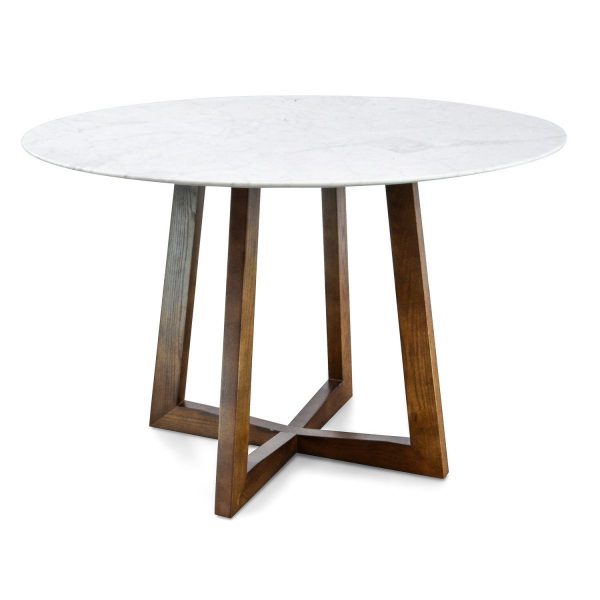
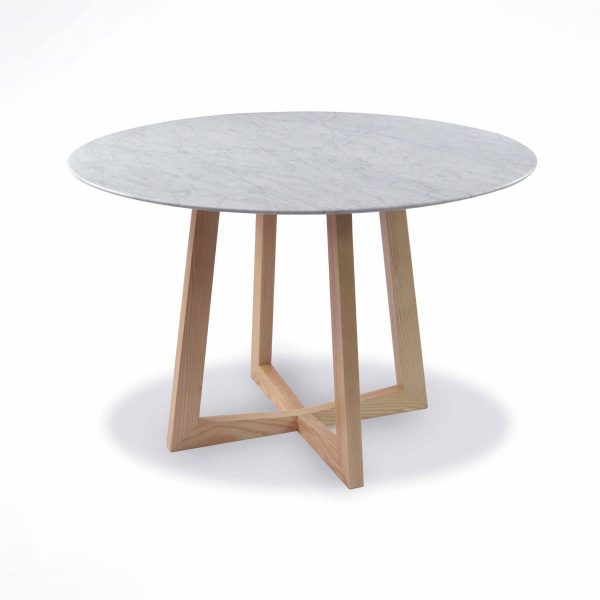
Plan the whole circle in the room
Mark the stated diameter and occupied chairs around it. Include pulled-out positions and nearby doors or storage. The maximum width extends in every direction, so a round table can use a different part of the room from a narrower long form.
Choose the actual diameter for daily use rather than an assumed number of chairs. The LOULAN Round Dining Table provides a genuine round-table example; check its selected dimensions and base arrangement before comparing it with your room. A circular outline may change corner relationships, but it does not remove the footprint needed for people sitting and moving around an ordinary meal.
Compare perimeter positions with the supports below
A round top does not guarantee a central pedestal. Legs or another support system can affect where chairs sit around the circle. Review the base diagram and compare each intended position rather than assuming all points on the perimeter are equally clear.
Use dining chairs with actual chair width, legs and arms in mind. More chairs can reduce individual room even when they appear to fit around the edge. If central support is your main priority, compare pedestal dining tables while confirming the particular top shape.
Keep the shared centre practical to reach
Lay out the dishes and serving objects used during meals. As diameter changes, the centre can become farther from each person, so consider how the household serves food rather than choosing the largest round surface available.
Read material and care details for the actual top. Round is a shape, not a promise of timber, stone or easy maintenance. Confirm assembly and any component or handling information too. For restricted rooms, compare small dining tables by full occupied footprint.