
Pedestal Dining Tables
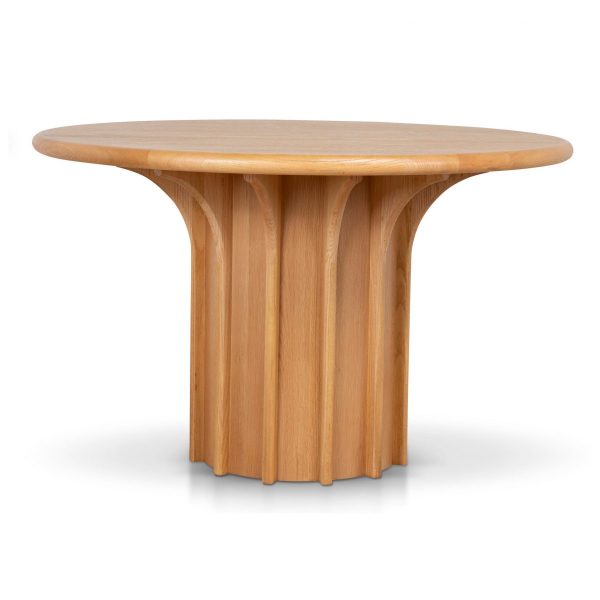
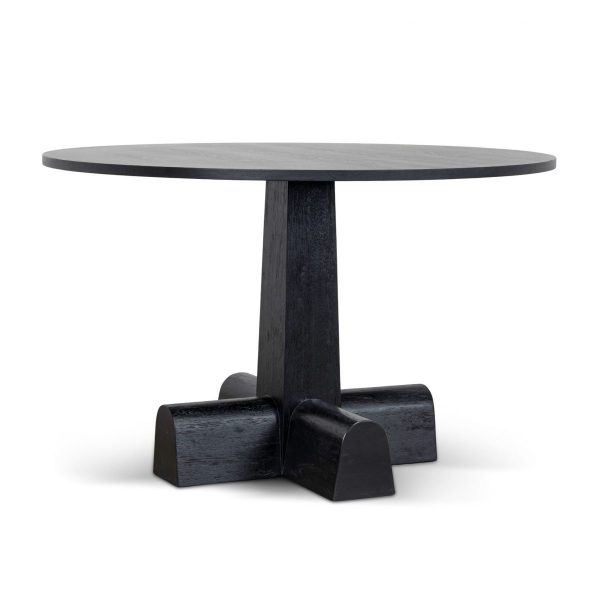
Pedestal dining tables place attention on the relationship between a central support and the top above it. The base can offer a different outline from corner legs, but it is still real furniture occupying space beneath the table. Check its full shape rather than assuming every chair position will be clear.
Read moreRead less
Start with the chairs you want to use and where feet and knees sit during a meal. Then compare the top overhang and usable surface. This guide helps make the support choice practical. Browse any specified pedestal designs, or review the wider dining tables category for other base arrangements with their actual seating clearances in view.
Showing 1–24 of 25 resultsSorted by recommended
-
On SaleOriginal price was: $2,196.00.$1,932.00Current price is: $1,932.00.
-
On SaleOriginal price was: $1,333.00.$1,173.00Current price is: $1,173.00.
-
On SaleOriginal price was: $2,259.00.$1,988.00Current price is: $1,988.00.
-
On SaleOriginal price was: $2,234.00.$1,966.00Current price is: $1,966.00.
-
On SaleOriginal price was: $2,353.00.$2,071.00Current price is: $2,071.00.
-
-
-
-
-
-
-
-
-
-
-
-
-
-
-
-
-
-
-


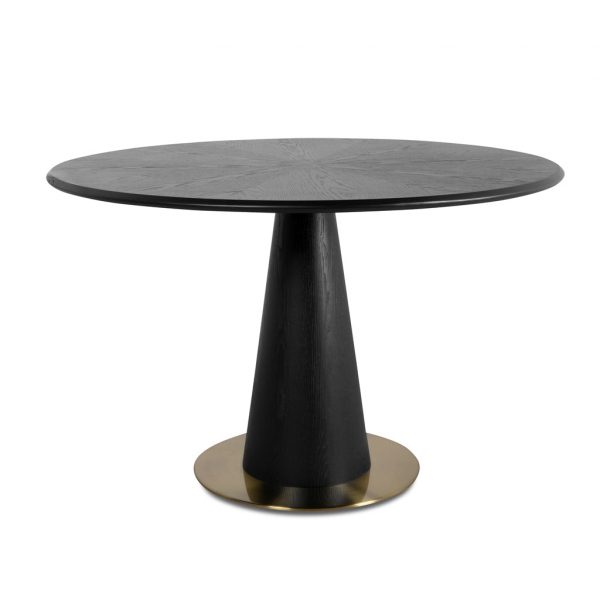
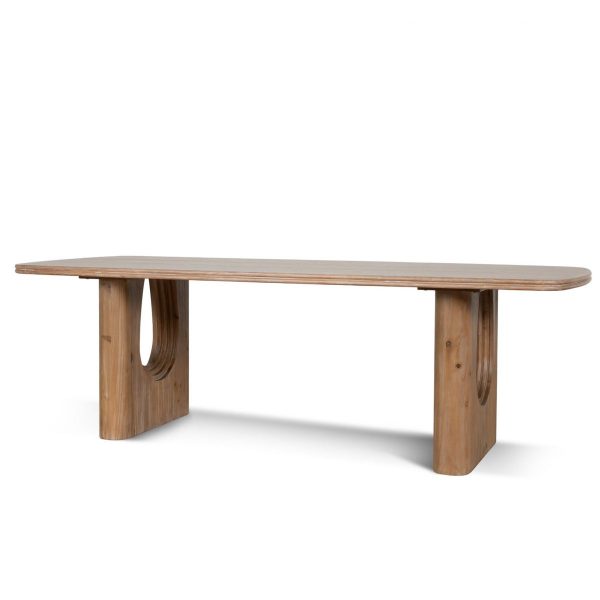
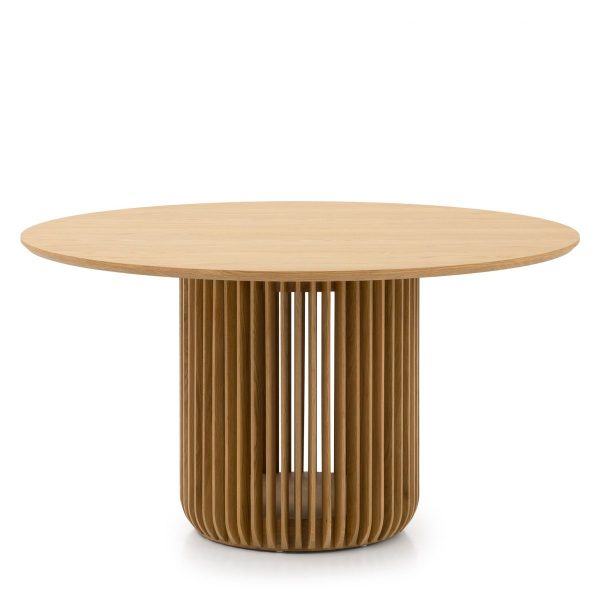
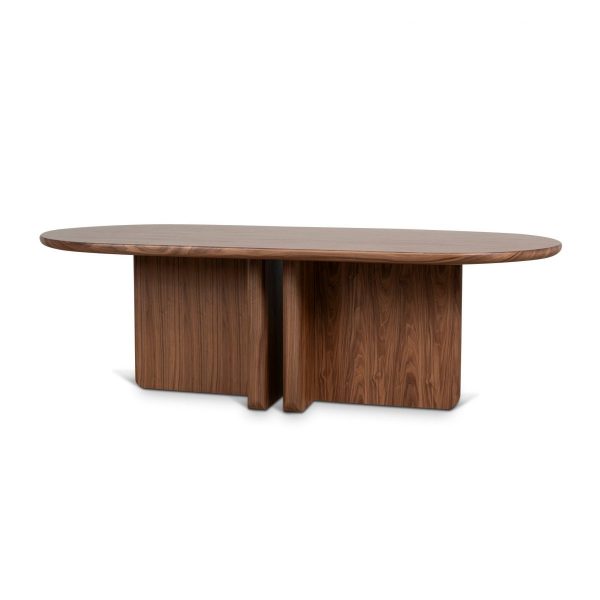

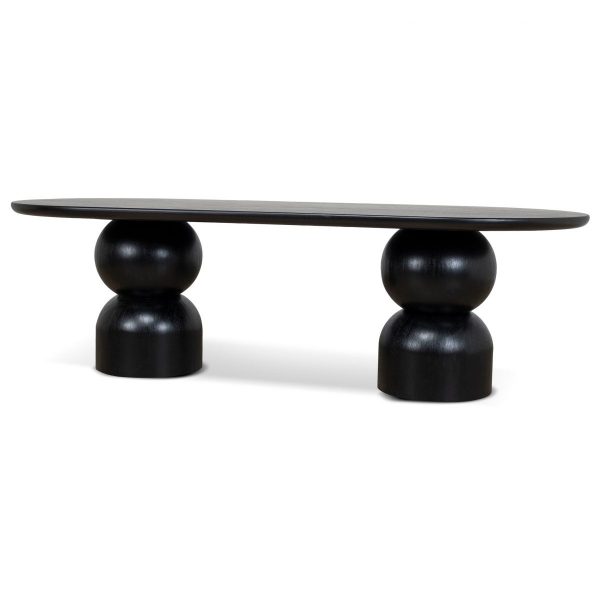
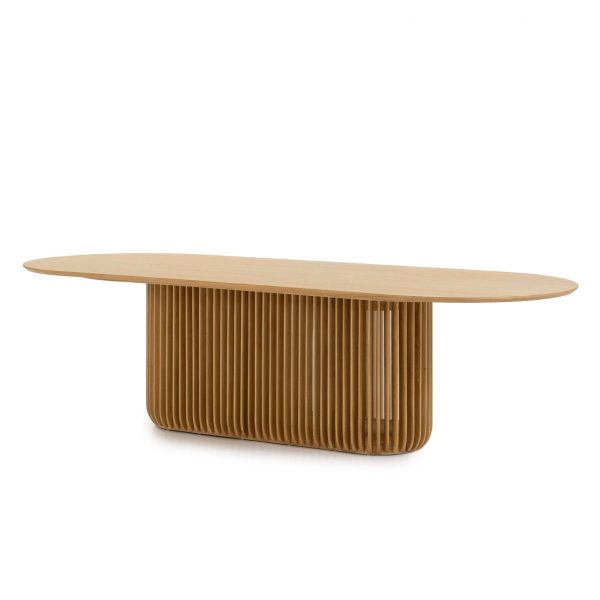
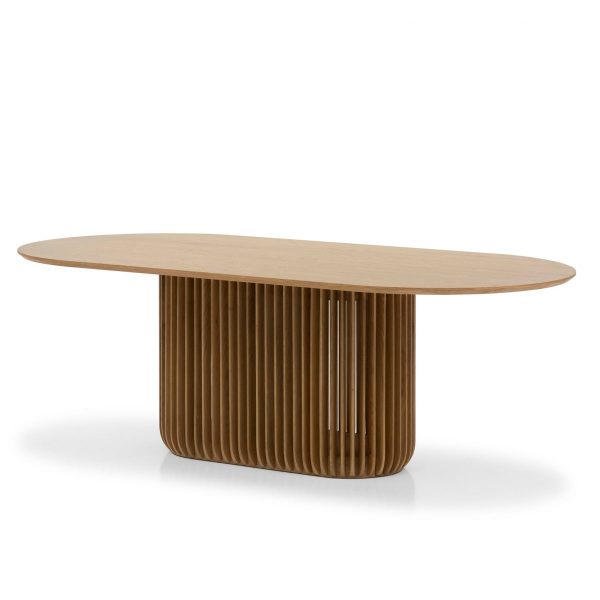
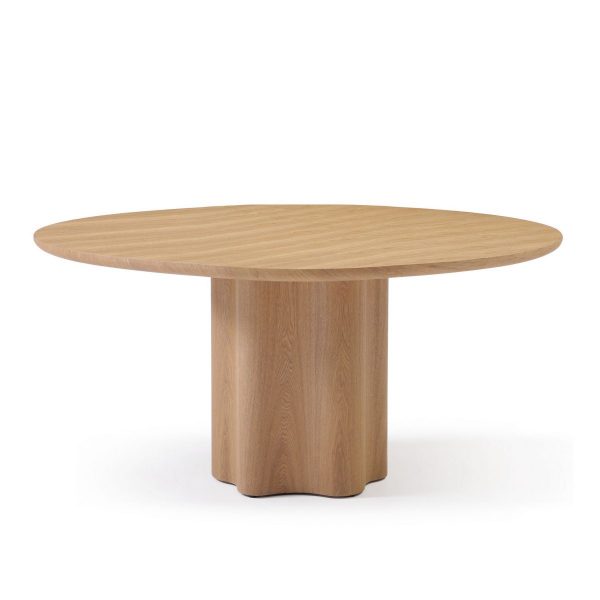
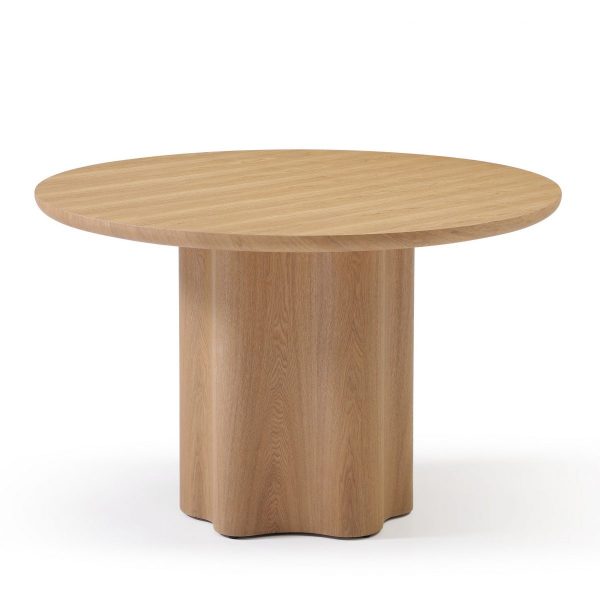
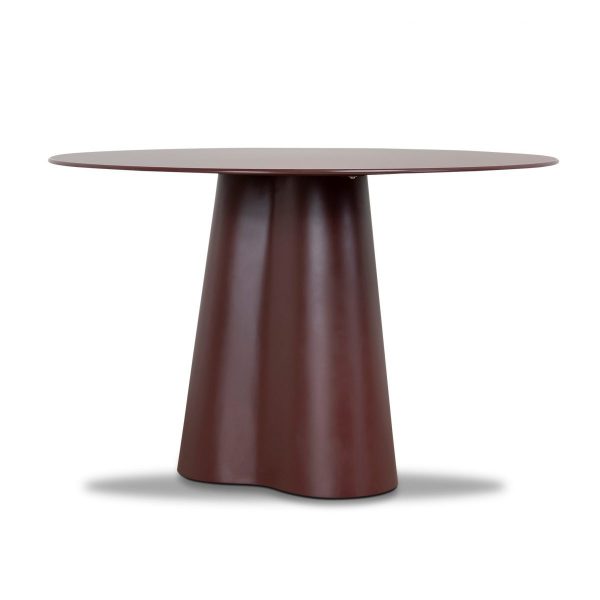
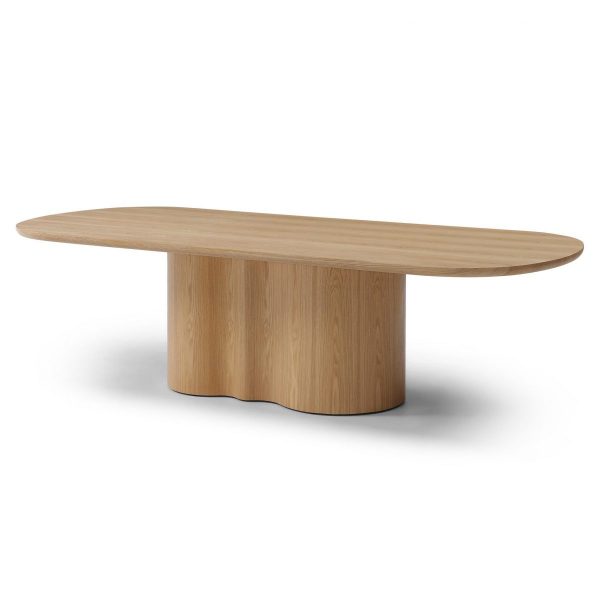
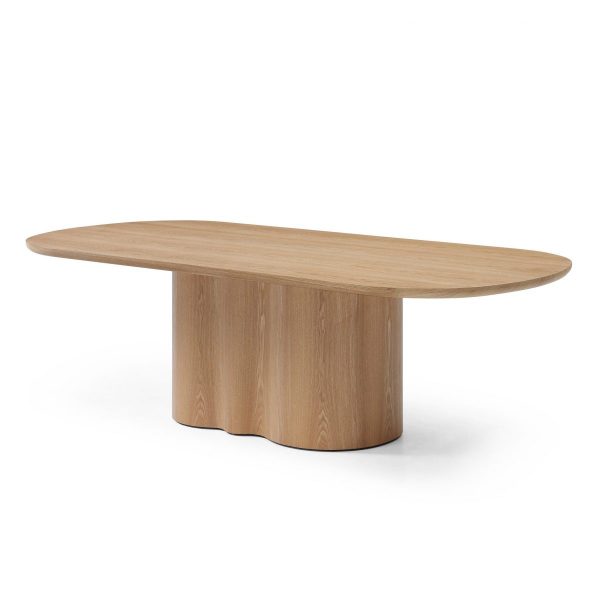
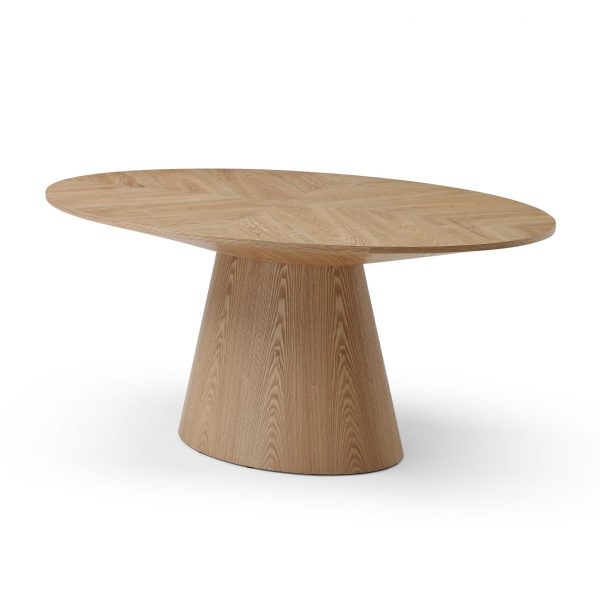
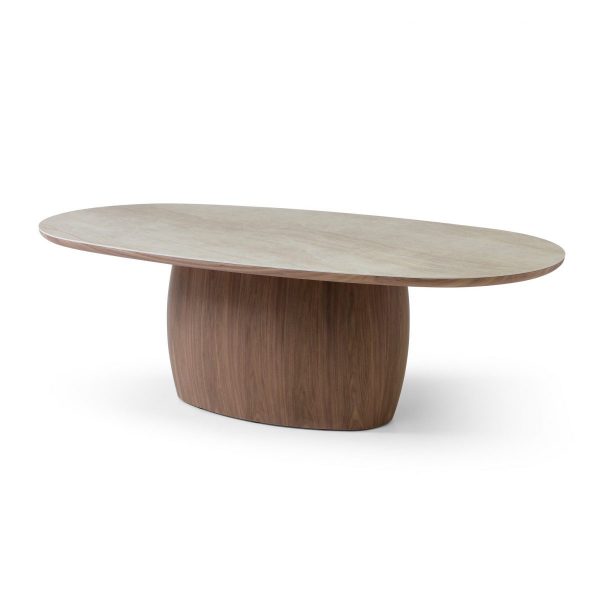
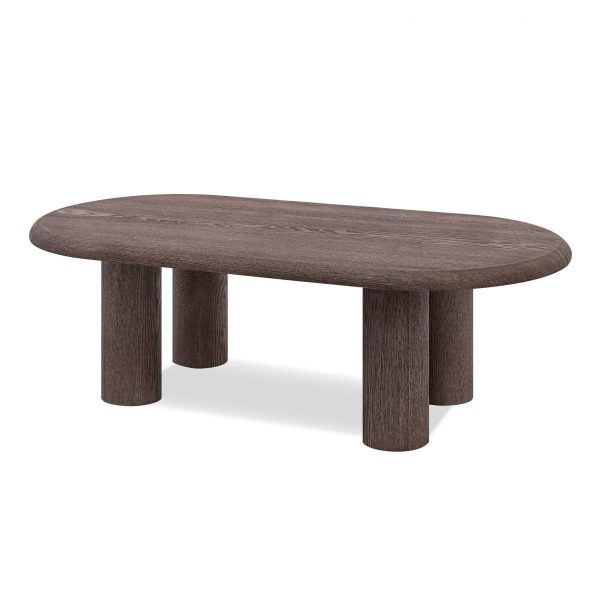
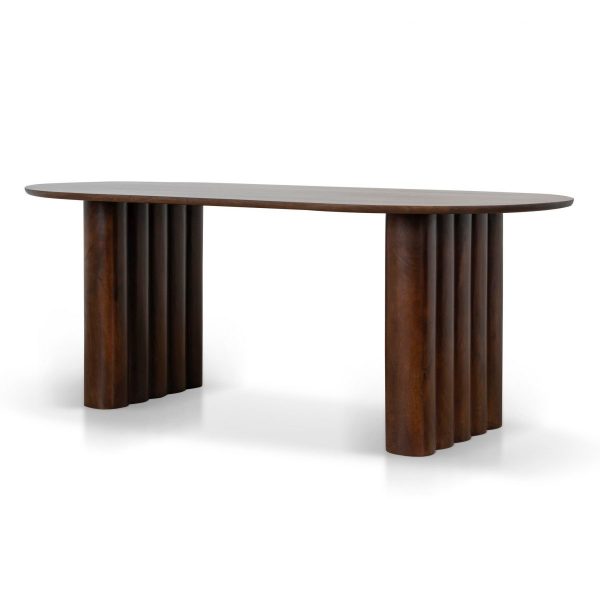
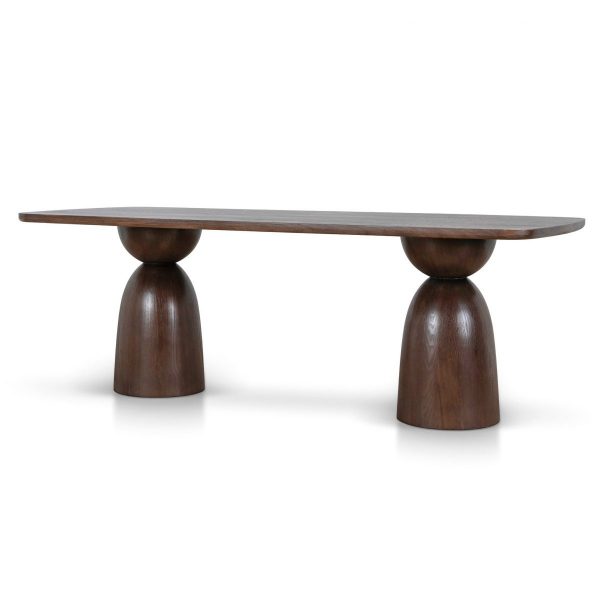
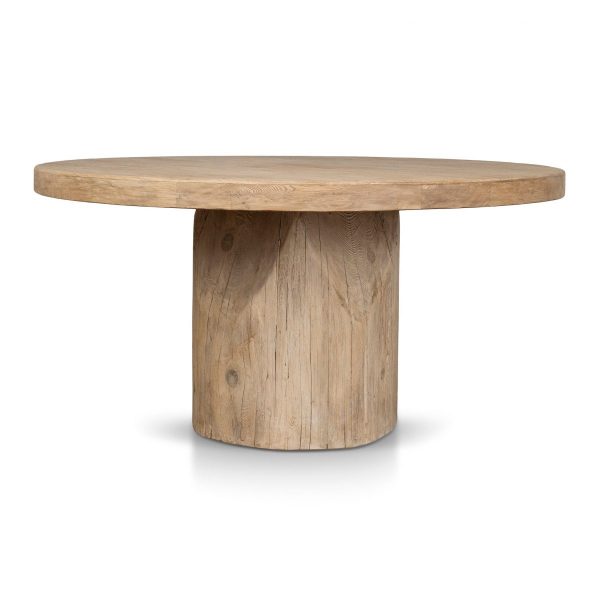
Mark the base separately from the tabletop
Read any supplied base dimensions and draw its footprint as well as the top. A narrow-looking stem may sit over a wider floor-level form. That lower area can affect feet, chair legs or how closely a seat approaches the table.
Check where the widest support parts fall relative to the intended sitting positions. Do not infer capacity or stability from appearance alone; follow the actual product use and assembly guidance. If the base information is missing and fit is tight, ask about it before ordering. The pedestal decision concerns the whole support system, not just a clear-looking stem visible beneath an empty top.
Test each chair position around the support
Compare seat width, legs and any arms with the actual base and underside. A chair may tuck under one part of the table but meet a support at another. Assess the occupied arrangement rather than assuming a central base leaves every perimeter position identical.
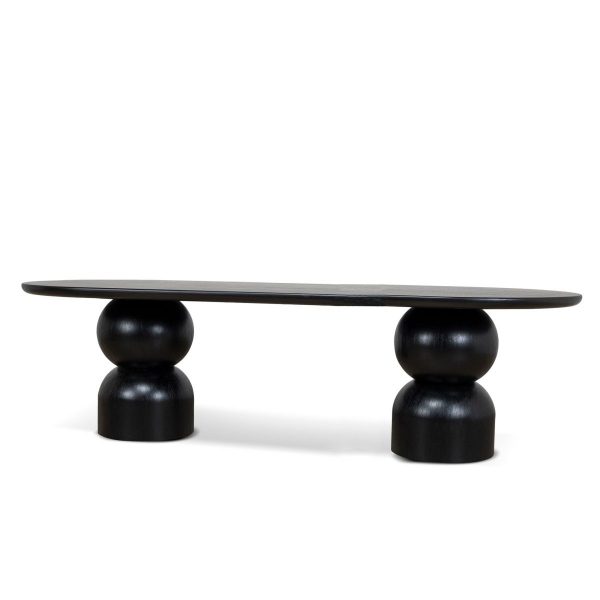
Use dining chairs with the top and base measurements together. If the shape is part of the decision, compare round dining tables or oval dining tables by actual seating geometry. A pedestal does not establish either top shape. Choose the combination that gives useful positions to the household, not a general belief that the absence of corner legs solves every fit problem.
Check tabletop use and base assembly
Read the top material, base construction and finished dimensions as distinct details. A substantial pedestal does not by itself establish load limits, assembly method or a particular tabletop performance. Follow the product’s guidance for each component and any fixing or handling requirements.
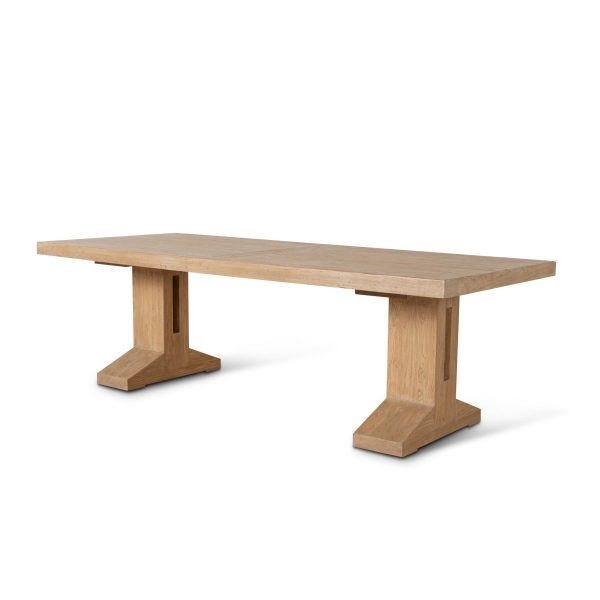
Consider the table with serving objects and people present. The top needs practical working area while the base supports a usable arrangement below. Confirm room routes and chair movement around the whole piece. For a conventional long outline, compare rectangular dining tables with their actual supports.