
Rectangular Dining Tables
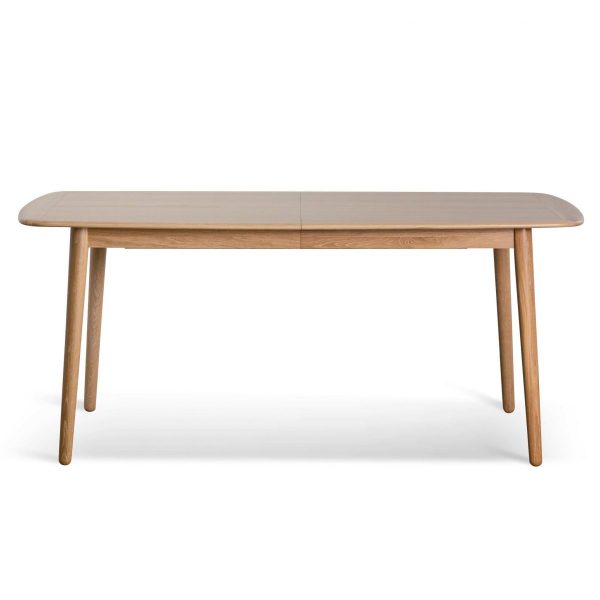
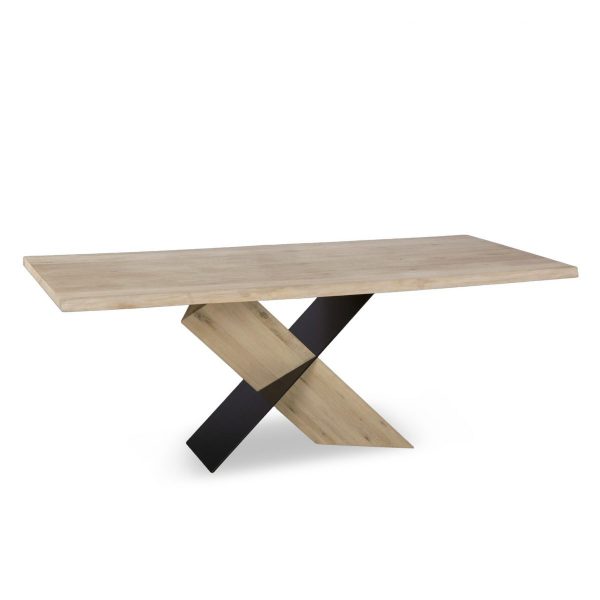
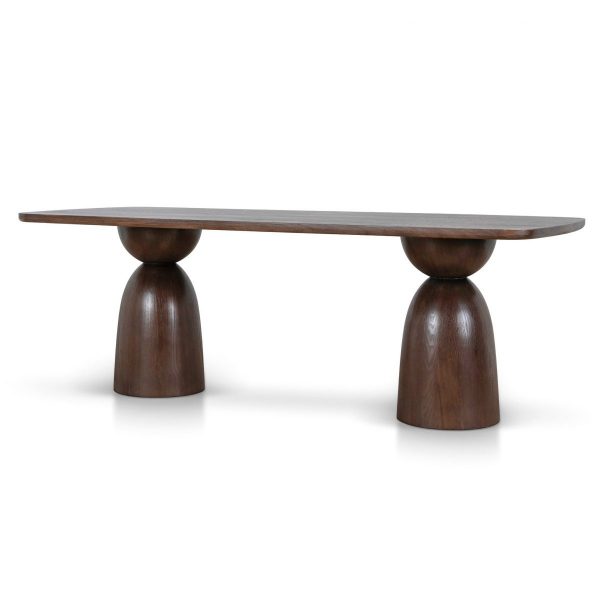
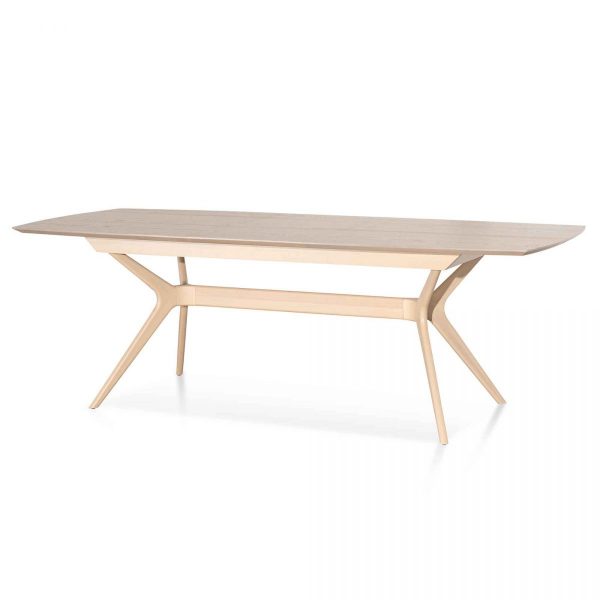
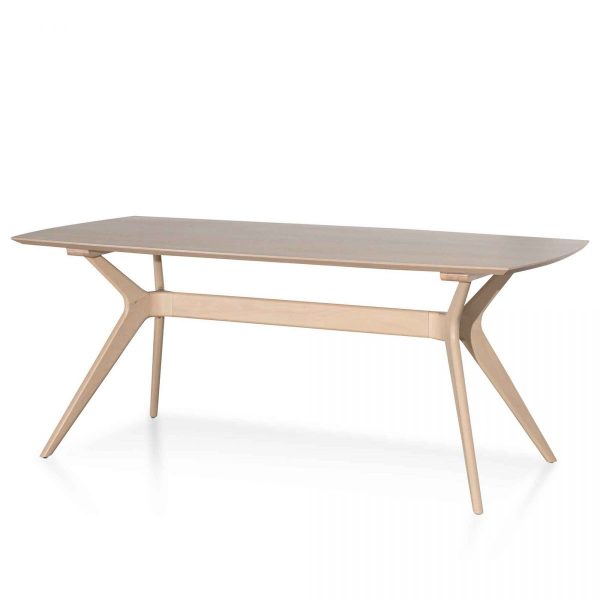
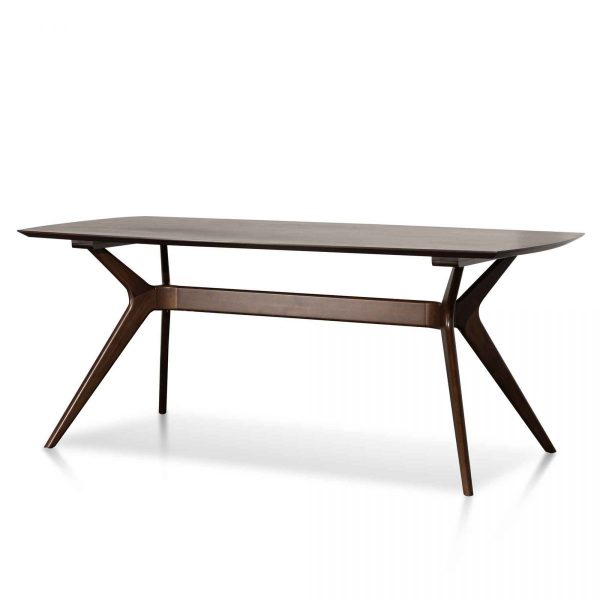
Rectangular dining tables create a clear long direction in the room and a distinction between side and end positions. That can suit an elongated dining area or a regular row of place settings, but the actual length, width and supports determine how useful those places are.
Read moreRead less
Start with the number of everyday diners, then mark their chairs around the full outline. Check serving space and the route beyond each end rather than treating length as a fixed capacity promise. This guide helps compare a rectangular form through those practical relationships. Browse any listed pieces, or assess oval dining tables when curved ends serve a different room or seating purpose.
Showing all 12 resultsSorted by recommended
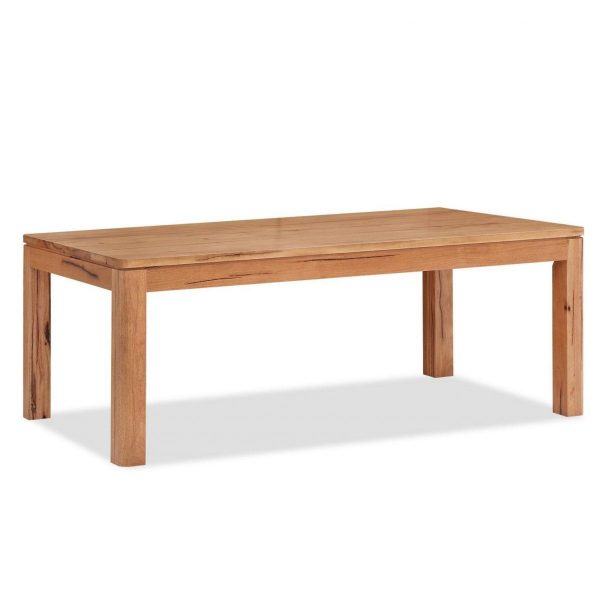

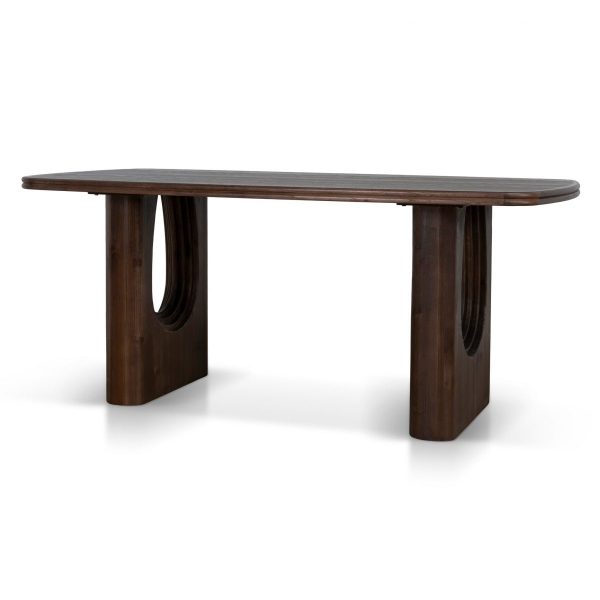
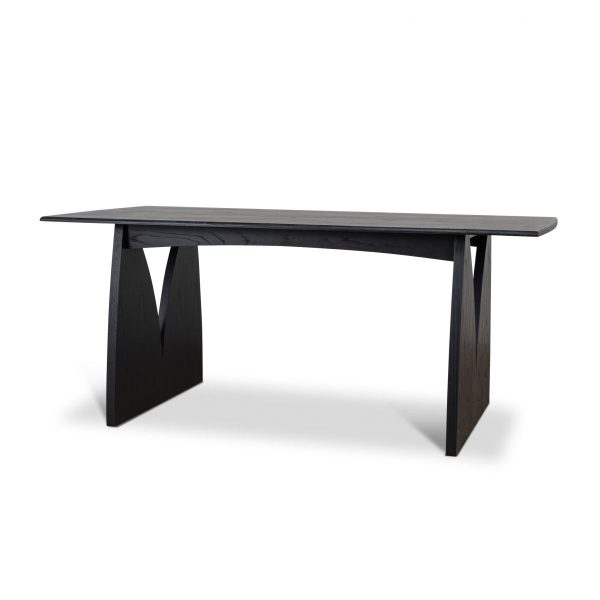
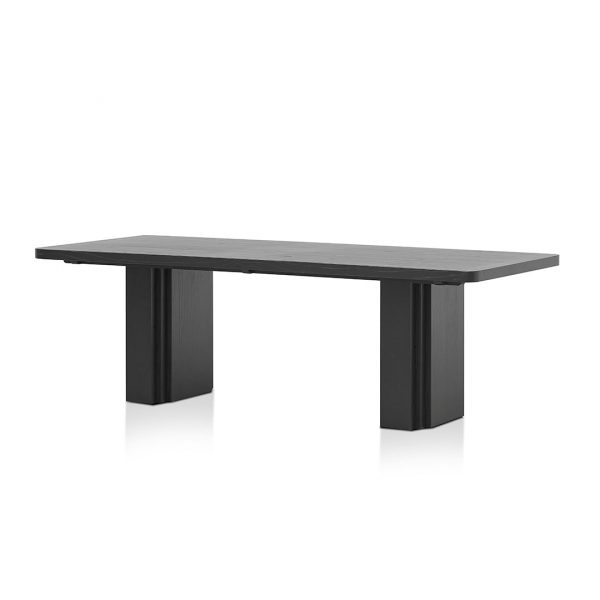
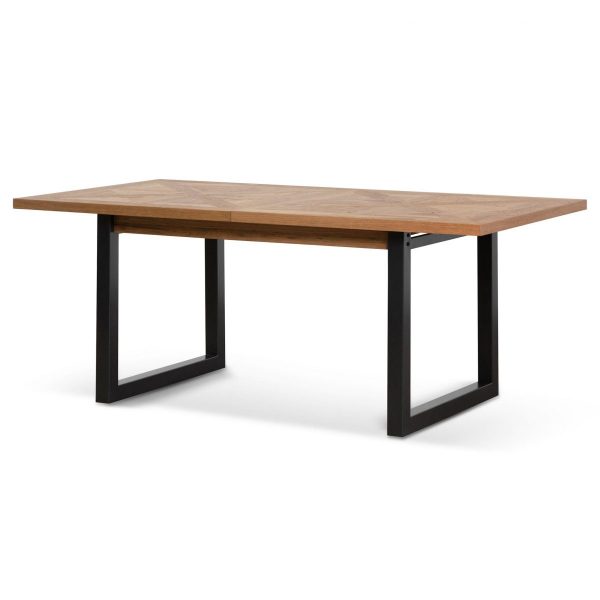

Plan the long axis with the occupied chairs
Place the table’s long direction on the room plan, then include chairs on the sides and at the ends where needed. Check doors and movement past the outer positions. A rectangle can align neatly with a room while leaving an awkward narrow route behind an occupied chair.
Use actual chair width and pulled-out space instead of dividing table length by an assumed seat allowance. Compare dining chairs against the chosen supports and underside. If the whole footprint is constrained, review small dining tables by actual dimensions. The long outline should support the usual meal arrangement without taking every available route through the room.
Understand side seating and end seating separately
Supports near corners can affect side and end users differently. Check legs, rails or the actual base rather than assuming a full-width top means every position is clear underneath. Arm height and chair leg spread also influence how seats approach the table.
Test place settings and serving objects within the stated width. A long surface can still have limited centre area between people sitting opposite one another. If width is the main problem, compare narrow dining tables with that tradeoff in mind. Choose the top and supports as one arrangement instead of adding nominal end seats solely because the rectangle looks large from above.
Decide whether a changing length is useful
Some rectangular designs offer a specified extension, while others have a fixed footprint. Do not infer the feature from the long shape. The BAUHAUS Extendable Dining Table is a genuine extendable example; use its current dimensions and instructions to compare ordinary and open configurations in your space.
Keep the tabletop material and care separate from geometry too. Rectangular does not establish solid timber, veneer or another surface. Read assembly and delivery details once room fit is clear.