
Shoe Storage
Shoe storage should fit the footwear you actually wear, not a generic pair count alone. Compare the length, width and height of larger shoes, boots or other regular pairs with the usable compartments. Structure and the opening method can change what fits inside an outside dimension.
Read moreRead less
Then plan the entrance with storage open and a person handling shoes. A neat closed piece should not narrow the door or walking route during use. Start with the pairs used most often, then decide which larger or occasional footwear needs a different gap. Slim shoe cabinets refine limited space, while entryway storage takes a closer look at arrival routines. Choose actual capacity and layout before material or colour completes the room.
Showing all 3 resultsSorted by recommended
-
On SaleOriginal price was: $933.00.$886.00Current price is: $886.00.
-
-


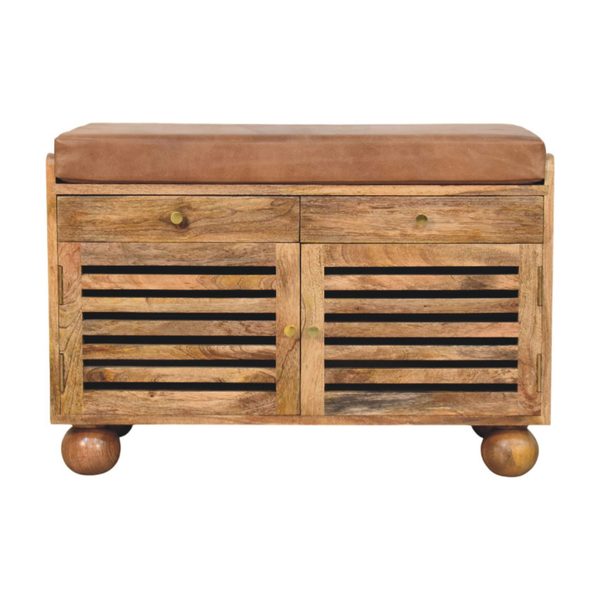
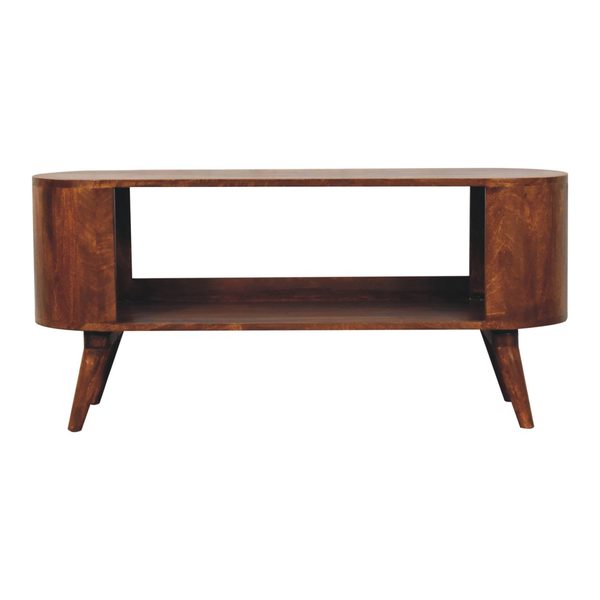
Which pairs and shoe heights must the compartments fit?
Group everyday footwear separately from larger or less frequently used pairs. Measure the longest, widest and tallest items that matter to the routine, rather than assume all shoes need the same space. Boots can present a different compartment problem from lower footwear.
Compare usable inside dimensions and the opening needed to remove a pair. Any stated capacity should be understood alongside the actual layout and shoe sizes. Do not assume adjustable shelves or a particular rack from the cabinet name. A useful choice makes regular pairs easy to find and return, rather than squeeze the largest number into a space that does not suit them.
How does the opening method affect the entrance?
Read whether the actual product uses doors, drawers, tilting fronts or another stated arrangement. Each needs its own movement and inside dimensions. A slim closed appearance does not establish how far the storage opens into the room.
Mark the full footprint and occupied access near the entrance door and other furniture. Include hands, feet and room to remove footwear without blocking the route. Entryway benches offer a separate seated shoe-changing task where that is needed, with intended use checked. Choose storage and any seating as compatible roles rather than assume one furniture label supplies both.
What daily care and organisation keep footwear access useful?
Plan how pairs are returned and which groups need separate space. Follow footwear care before enclosed storage and do not assume the cabinet is a drying unit. Read interior and exterior materials, cleaning and any ventilation feature only as stated.
Follow assembly and securing instructions for the actual design. Mango wood shoe cabinets focus on a named material, with inside usefulness still central. Appearance can connect the entrance after the real footwear and opening method work. Give the everyday pairs a convenient return position, keeping larger footwear separate where its height needs another gap. Check the interior cleaning instructions around the areas shoes touch before choosing a finish for the entrance.
Frequently Asked Questions
Compare leather shoe cabinets for a covered material detail after the actual footwear and opening method fit.