
Mango Wood Shoe Cabinets
Mango wood shoe cabinets are a specific timber choice within entrance organisation. Confirm where the named wood appears and how that component is constructed. A warm wood-like finish cannot prove mango wood, and one timber part should not become an all-solid-material description.
Read moreRead less
Then measure the footwear you use against actual compartments and their opening method. The species name does not establish capacity, adjustment or ventilation. Shoe storage covers those practical pair-fit checks. Mango wood can show varied grain and colour beneath the chosen coating. Fronts, sides and a top may contribute differently to the hallway view, depending on where the wood is specified. Compare the surfaces left visible during use, then check their finish care alongside the everyday footwear routine.
Showing all 3 resultsSorted by recommended
-
On SaleOriginal price was: $933.00.$886.00Current price is: $886.00.
-
-


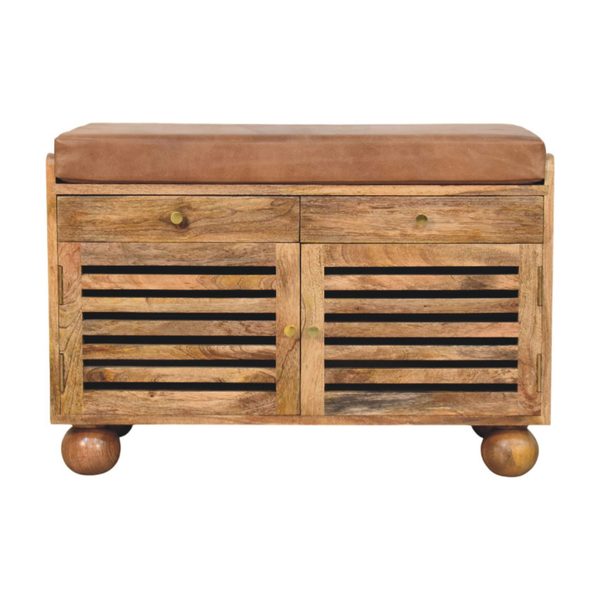
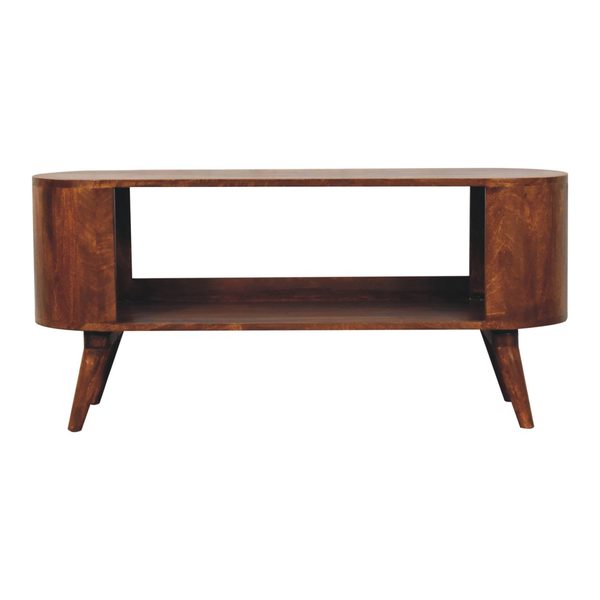
Which components are named as mango wood?
Read the body, fronts, top and internal parts separately. Keep solid timber, veneer and mixed construction accurate where stated. Ask about unclear material when the named wood is central to the brief.
The species should not establish origin, sourcing certification or a mechanism. Those need their own evidence. Available interior and edge views can support the description without replacing it. Check whether mango wood appears on broad fronts, exposed sides or another named component. A grain detail on the front is seen differently from the top beside the door, so compare the actual visible parts with their finish and construction information.
How does the inside layout serve your actual shoe sizes?
Measure the largest regular pairs and taller footwear, then compare useful inside depth, width and height. Door, drawer or tilting arrangements can affect retrieval differently, so read the exact method. Outside size alone cannot identify usable pair space.
Check any stated capacity alongside real compartments and shoe sizes rather than assume one universal count. Do not infer adjustable shelves or fittings from mango wood. Slim shoe cabinets offer a smaller-footprint comparison if needed, with inside fit still central. Choose named timber on an actual storage layout that makes everyday pairs straightforward to remove and return.
What finish and room access complete the wood choice?
Read the applied coating’s care for frequent hand contact and footwear-related use. Do not choose oil or another cleaner from the species alone. Wood responds to moisture, so follow actual interior and placement guidance rather than treat a cabinet as a drying unit.
Mark full base, opening movement and a person handling shoes beside the entrance door. Follow assembly and securing instructions. Entryway storage considers the broader arrival routine. Look at the grain across the visible fronts and sides from the normal approach. A shared coating can connect the cabinet with nearby timber while allowing the mango pattern to vary; keep the care of shoe-contact interiors separate from that exposed finish.
Frequently Asked Questions
Use leather shoe cabinets for another material-detail comparison while preserving real footwear fit and access requirements.