
Leather Shoe Cabinets
Leather shoe cabinets bring a covered detail to furniture used during arrivals and departures. Start by reading which surface carries the leather and how the finish is described. Keep genuine leather separate from microfibre leather or another imitation, and compare any other panels individually.
Read moreRead less
Then check the usable compartments and opening method against the shoes you wear. The wider shoe storage guide helps with those first footwear choices. Here, consider the leather visible near hands, bags and footwear during use. The amount of grain, the coating and the care required at those contact areas matter to the material choice, alongside enough inside room for pairs and clear daily access near the door.
Showing the single result
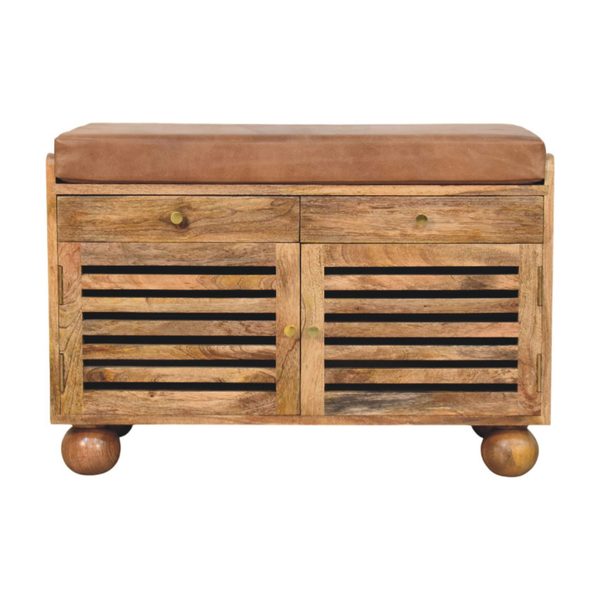

Which cabinet surface is described as leather?
Read the material specification and any panel distinctions, keeping genuine leather and imitation coverings separate. A leather-looking surface is not enough to identify the construction. Ask about unclear detail when this material is the reason for choosing.
The internal storage, supporting body and opening mechanism need their own descriptions. Do not infer grade, origin or one ageing pattern from leather alone. Read the stated leather finish as well as its location. Aniline and pigmented descriptions can indicate different visible grain and coating choices, so compare the actual appearance and care for the named finish before deciding which covered detail suits the entrance.
Do the real compartments fit your footwear routine?
Measure regular pairs and the larger shoes or boots you need to store. Compare usable width, depth and height with the actual layout and opening. A drawer, door or tilting front can change how contents are handled, so read the stated method.
Do not assume shelf adjustment, a drying function or a fixed capacity for every shoe size. Slim shoe cabinets provide a constrained-footprint comparison if needed, with inside usefulness still checked. Try removing and returning the larger everyday pairs within the stated opening. Keep footwear clear of the covered area as the care directs, then check that the chosen material detail remains practical during that ordinary handling.
What leather care belongs near an entrance?
Consider frequent hand contact and the proximity of footwear to the actual covered surface. Follow the chosen leather finish’s guidance, keeping interior care separate. Do not select solvent cleaners, oils or heat-drying as a household shortcut; these can affect a leather finish.
Read the actual intended use around moisture rather than treat the cabinet as a shoe dryer. Mark full footprint and opening movement with a person handling contents, then follow assembly and securing instructions. Entryway storage focuses on the wider arrival routine. Identify the covered surfaces touched most often and keep their approved cleaning routine with the interior instructions. Where a bag or shoe passes close to an edge, leave enough handling room to avoid unnecessary rubbing against the leather detail.
Frequently Asked Questions
Compare mango wood shoe cabinets for exposed timber grain, with the same actual footwear and entrance requirements.