
Entryway Storage
Entryway storage should make arriving and leaving easier while keeping the door and hallway usable. Start with the belongings that need a place each day, including footwear and any other items you actually put away. Their dimensions and retrieval routine help choose useful compartments instead of a closed shape that simply fills the wall.
Read moreRead less
Then test opening movement and the person using it beside the entrance door. Do not assume a seat, hooks or another function unless the product states it. Shoe storage covers the closer footwear fit, while entryway benches offer the separate seated task. Plan where each daily item goes when you come in and where you collect it before leaving. Footwear, a bag and smaller belongings may need different places. Compare those roles with the available compartments, and keep the route from the door clear during that ordinary routine.
Showing all 10 resultsSorted by recommended
-
-
On SaleOriginal price was: $933.00.$886.00Current price is: $886.00.
-
-
-
-
-
-
-
-
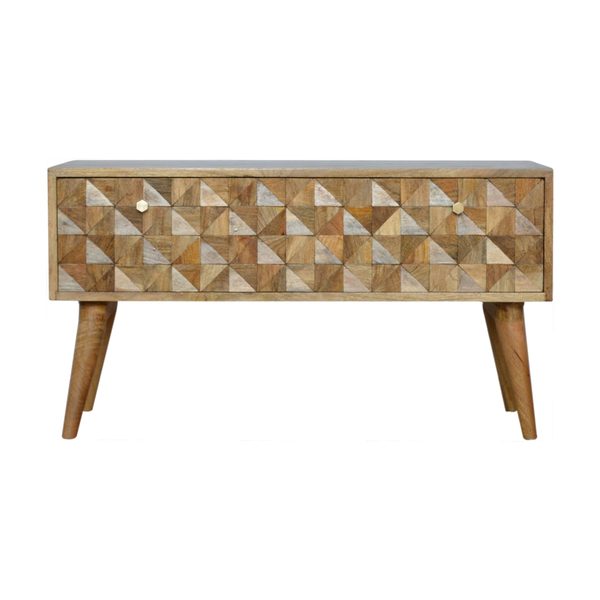


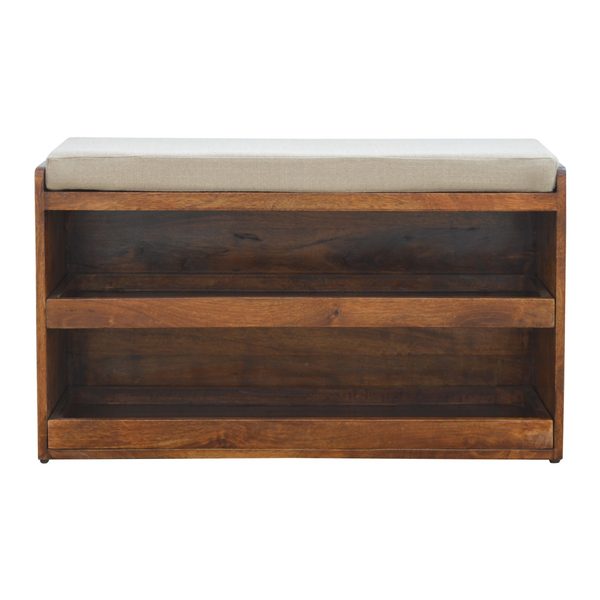
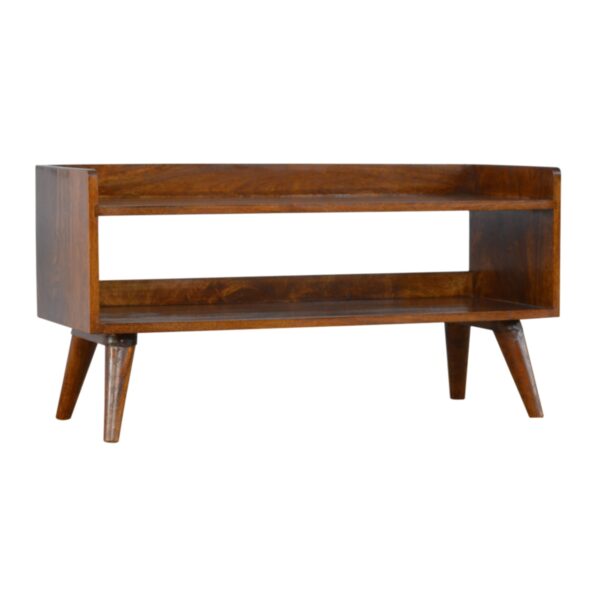
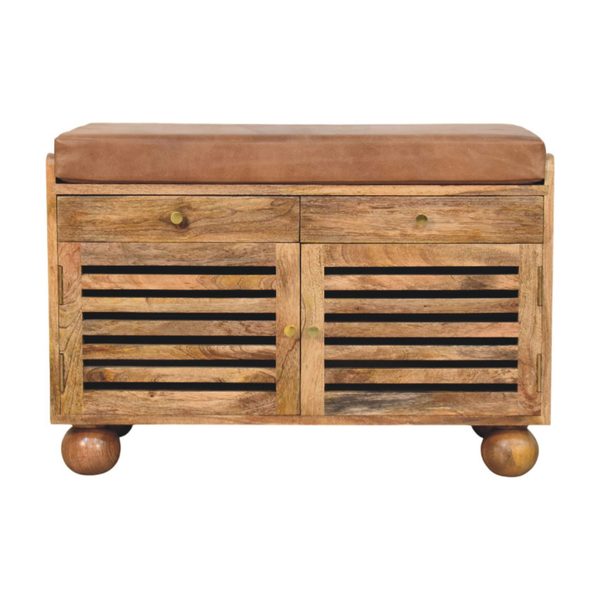


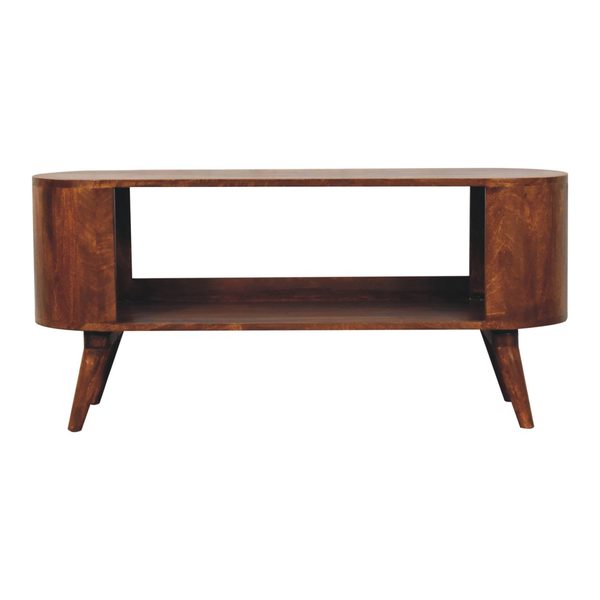

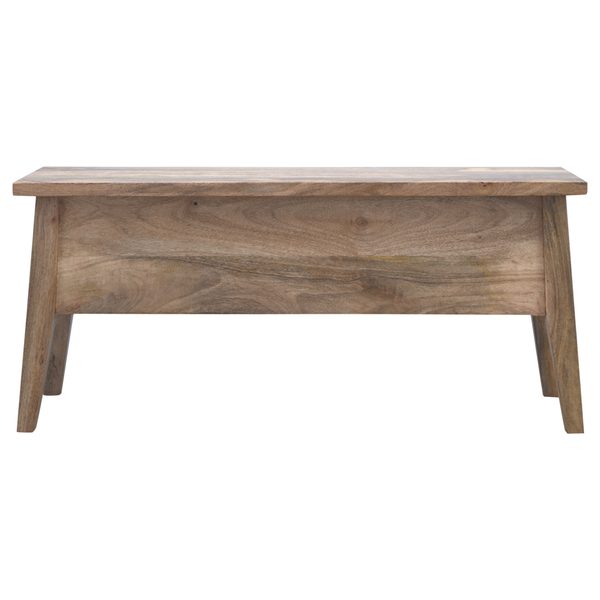
Which daily belongings need a clear place on arrival?
List the groups put away and collected again: regular shoes, bags or other actual items. Measure larger pieces and decide whether they need an inside compartment or another suitable arrangement. A storage label cannot establish a hanger, organiser or shelf for every group.
Keep frequently used contents straightforward to return, not only easy to remove from a styled arrangement. Slim shoe cabinets provide a footprint-led footwear comparison when that is the main need. Arrange the groups in the order you use them. An item collected on every departure needs a convenient place, while occasional belongings can sit farther from that main retrieving position if their access still works.
Can the entrance work with storage open and occupied?
Mark full footprint, projections and the actual opening movement. Include the door swing and the space where a person handles shoes or other contents. A hallway may remain clear beside closed storage while becoming difficult to pass during use.
If a separate seat helps the routine, compare its occupied space with the storage access rather than park both neatly and stop there. Do not infer seating from a solid-looking cabinet top. Cabinets and cupboards offer broader compartment choices where the actual features suit the entrance. Test a normal arrival with the storage in use: opening the door, putting down belongings, handling footwear and moving farther into the home. If one position blocks another action, compare a different opening direction or shallower form.
What materials and instructions suit frequent entrance contact?
Read interior and exterior finishes separately, considering hands, bags and footwear around the unit. Follow product care rather than apply one cleaning method to every component. Check any moisture or ventilation feature only as stated, without assuming the furniture dries shoes.
Follow assembly and securing guidance for the selected design. Material and colour can connect the entrance after compartments and access work. Mango wood cabinets and leather cabinets focus on actual material detail. Pay attention to the surfaces touched during arrivals, such as pulls, edges and the compartment floor. Keep their cleaning method suited to the actual material, then choose the visible finish that connects the useful arrangement with the hallway.
Frequently Asked Questions
Use shoe storage when the next choice is the real footwear sizes and inside compartment method.