
Wall Storage
Wall storage should use a room position that keeps contents practical to find and reach. Start with the items and whether they need open access or an actual closed compartment. Then compare useful depth and inside gaps, not just the width of wall covered by the furniture.
Read moreRead less
Read the selected design’s mounting or placement method before choosing its position. The label should not establish one shared fixing system or a complete installation kit. Wall mounted storage focuses on a specific mounted arrangement, while mango wood units examine a named timber. Choose the contents and actual setup first, allowing finish to complete useful organisation in the real room.
Showing all 2 resultsSorted by recommended
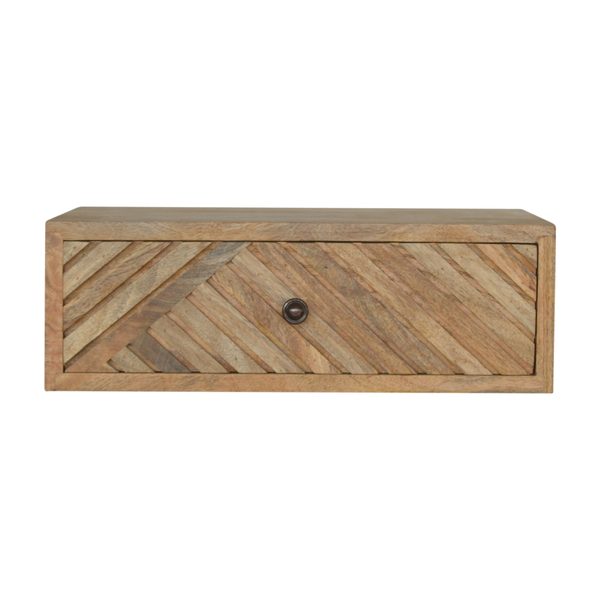

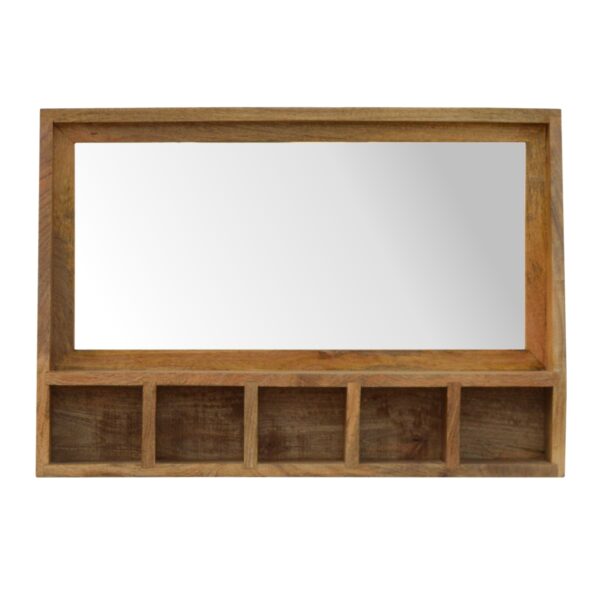
Which contents need open access or closed compartments?
Measure taller items, grouped widths and depth, leaving practical room to remove and return them. An open shelf and a cabinet can serve different visibility and access tasks, so read the actual layout before choosing one from the room image.
Confirm shelves, dividers, doors and any adjustment only where stated. Contents used often may need a different position from occasional items. If the task is better served at floor level, bookcases and shelving offer a separate comparison. Separate daily items from occasional ones before planning the levels. The things you reach for most often should have a convenient place, while display pieces can be considered alongside the remaining useful gaps.
Can the installed form remain easy to reach and open?
Compare the intended height and depth with ordinary access to the actual contents. Include projections, any door swing and nearby furniture or room features. A clear wall outline may use more space when a compartment is open and a person is retrieving an item.
Mark the full form at the proposed position before settling the arrangement. Check switches, doors and the route past it, following intended use rather than treating shelves as steps. Wall mounted storage refines this placement task where mounting is the chosen method. Try the reaching position with the furniture below left in place. A desk or cabinet can increase the distance to the contents, so check access to the rear of a deeper unit as well as to its front edge.
What installation and care belong with the selected design?
Read the actual wall or placement requirements, fixing arrangement and stated loading. Different wall materials can need different appropriate fixings, so follow product guidance and obtain suitable installation help where the wall or support is unclear. Do not choose a method from furniture weight alone.
Verify supplied fittings and any other requirements instead of assuming one complete kit. Read surface care for the actual materials, keeping contents and loading within intended use. Storage furniture provides another format if installation or access does not suit. Keep the installation and loading information with the planned contents. Once the position and access work, compare open and enclosed surfaces with the room to decide which arrangement you want in view.
Frequently Asked Questions
Compare cabinets and cupboards if the contents need a different compartment layout or easier access from the floor.