
Wall Mounted Storage
Wall mounted storage should be chosen for the actual wall position and the contents you will use there. Start with the room features around it: furniture, doors, switches and the place where a person reaches. Keeping furniture off the floor does not remove its depth or opening movement from the room.
Read moreRead less
Then read the selected unit’s mounting, loading and supplied fittings. Wall storage covers the broader contents comparison. Plan the complete mounted position before choosing the finish. A unit above a desk has a different reaching distance from one beside a clear standing area. Compare its depth, usable gaps and openings with that real position, then confirm the support the design requires.
Showing all 2 resultsSorted by recommended
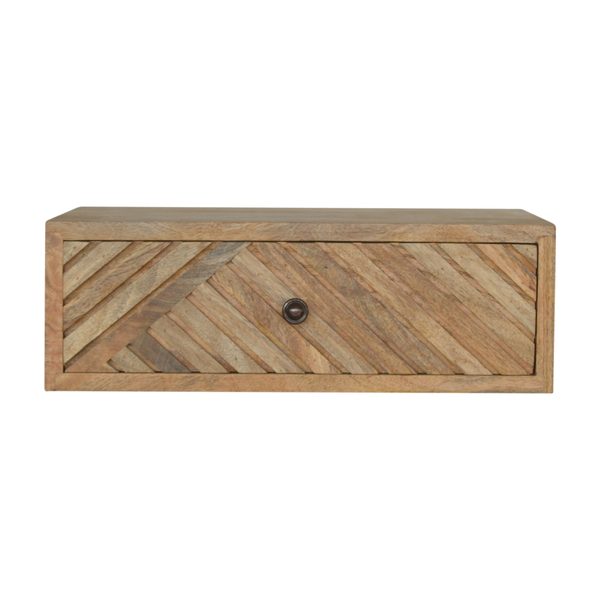

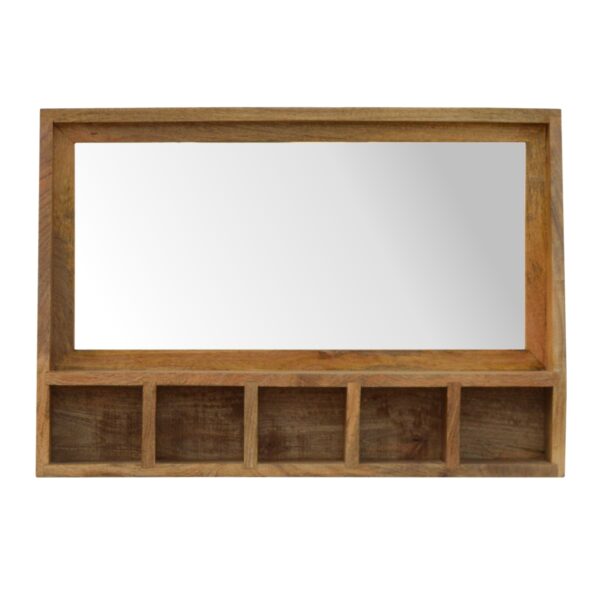
Does the actual wall support the intended mounting?
Read the unit’s fixing arrangement and wall requirements before choosing hardware or a final position. Different wall materials can need different appropriate fixings. Follow the actual product guidance and obtain suitable installation help where the wall or support is unclear.
Confirm supplied items and any additional requirements rather than assume brackets or fasteners shown in a photograph form a complete kit. Furniture weight alone is not a mounting plan; the actual contents and stated use matter too. Keep the installation information with the planned contents and room measurements. If the required fixing positions affect the final location, resolve that before deciding where doors or open compartments will sit.
Can contents be reached without crowding nearby furniture?
Measure useful compartment depth and gaps with the things you want to store. Test removal and return at the planned height, including the position of furniture underneath or beside the unit. A convenient viewing height and a practical retrieving position are related but different checks.
Mark the complete depth and any door swing with the person using the storage. Include switches, doors and room routes. Mango wood wall units provide a material-led comparison where that detail matters. Try reaching for the largest item at the proposed height and depth. Leave room to lift or tilt it as needed, and keep the everyday belongings accessible with the furniture below in its normal position.
What use and care belong after the position is chosen?
Follow stated loading, assembly and installation, keeping actual compartments and any adjustment feature accurate. Do not turn an open shelf into a step or give the unit an unsupported function. Read the useful interior rather than outside width as the complete capacity guide.
Follow care for the real surface and room conditions, keeping different materials’ instructions separate. If mounted reach or support does not suit the task, bookcases and shelving or cabinets and cupboards offer other formats. Plan which contents go in each usable gap and how they are returned. Check the clear space below the installed unit as well as its front, so the arrangement works for both storage and the activity already taking place nearby.
Frequently Asked Questions
Compare storage furniture if a different format better fits the contents, available support or daily reaching position.