
Living Room Furniture
Living room furniture needs an arrangement before it needs a matching finish. Think about where people sit, what they face and how they move through the room. The best starting piece may be a sofa, but its position matters as much as its width. A large open wall is not automatically the right place if it puts every other activity out of reach.
Read moreRead less
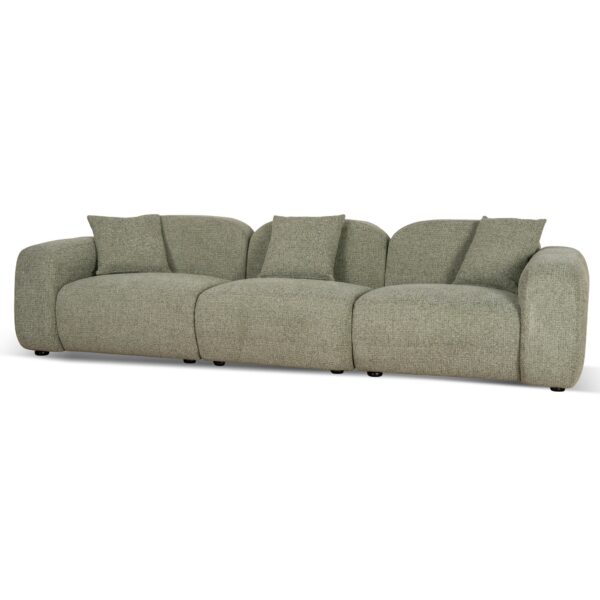
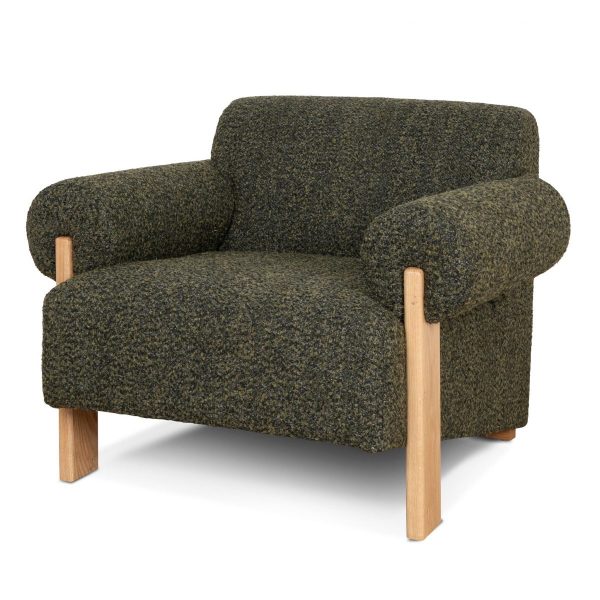
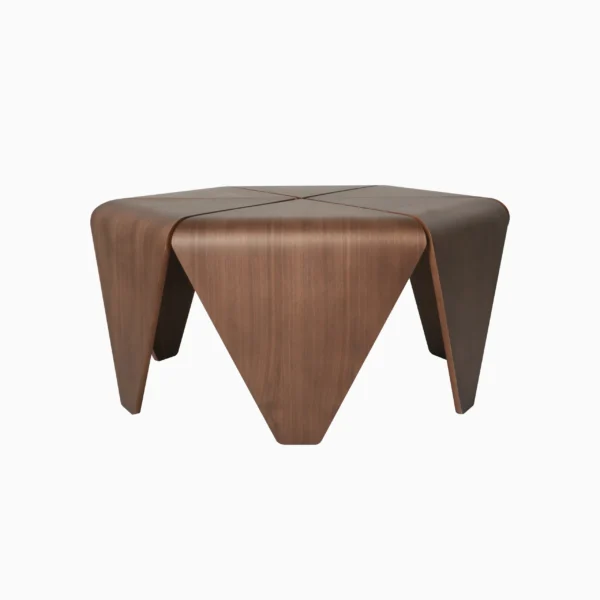
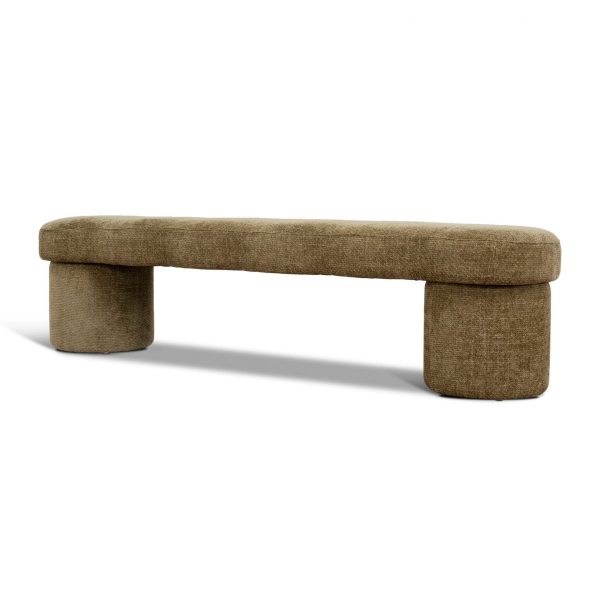
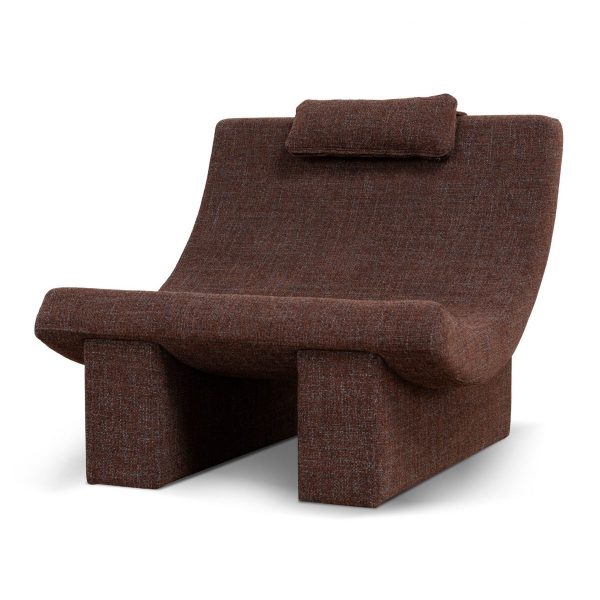
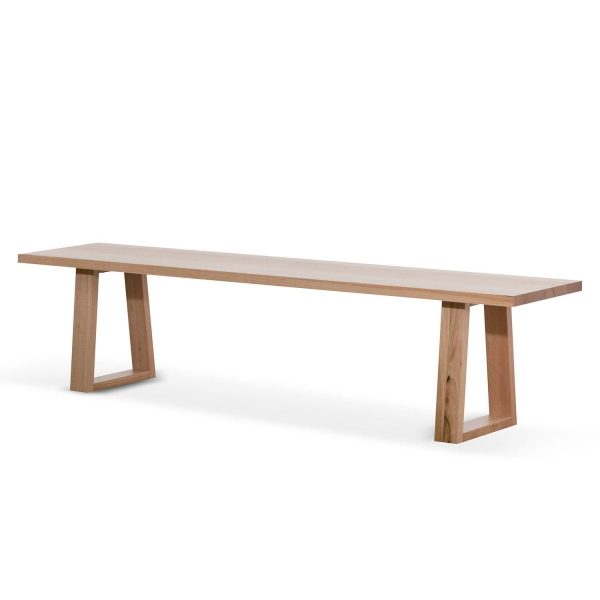
Compare sofas and lounge chairs as a seating group. Then place coffee tables or smaller surfaces where people can use them. Keep doors, windows and existing equipment in the plan from the beginning.
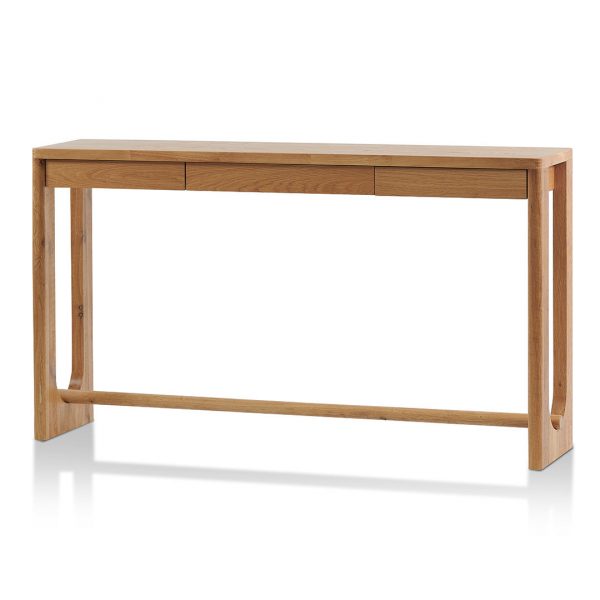
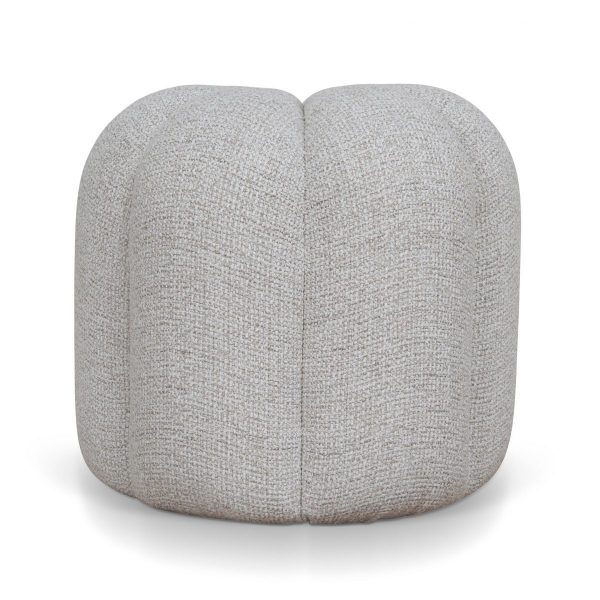
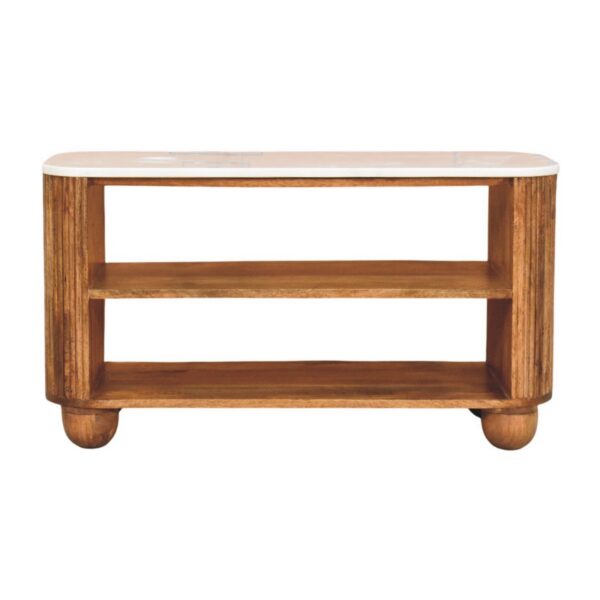
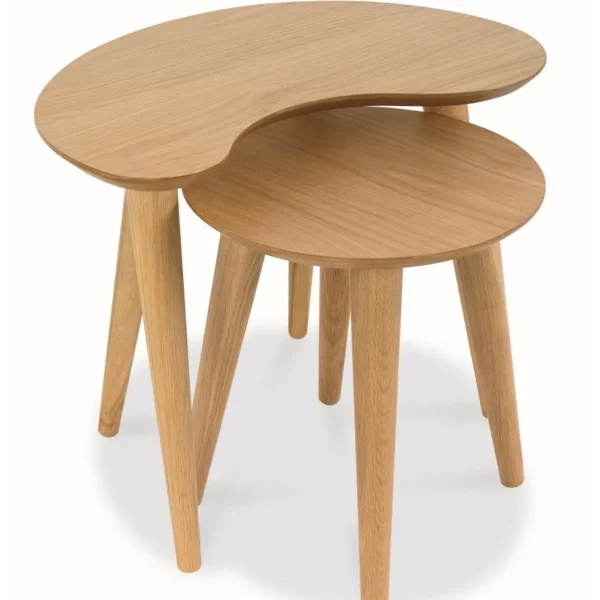
Showing 1–24 of 502 resultsSorted by recommended
-
-
Week’s PickOriginal price was: $887.00.$736.00Current price is: $736.00.
-
Week’s PickOriginal price was: $429.00.$356.00Current price is: $356.00.
-
Week’s PickOriginal price was: $2,969.00.$2,464.00Current price is: $2,464.00.
-
-
Week’s PickOriginal price was: $924.00.$767.00Current price is: $767.00.
-
-
Week’s PickOriginal price was: $1,637.00.$1,359.00Current price is: $1,359.00.
-
-
On SaleOriginal price was: $213.00.$187.00Current price is: $187.00.
-
-
-
On SaleOriginal price was: $571.00.$502.00Current price is: $502.00.
-
-
-
-
On SaleOriginal price was: $905.00.$796.00Current price is: $796.00.
-
-
-
On SaleOriginal price was: $806.00.$709.00Current price is: $709.00.
-
-
-
-
On SaleOriginal price was: $399.00.$351.00Current price is: $351.00.

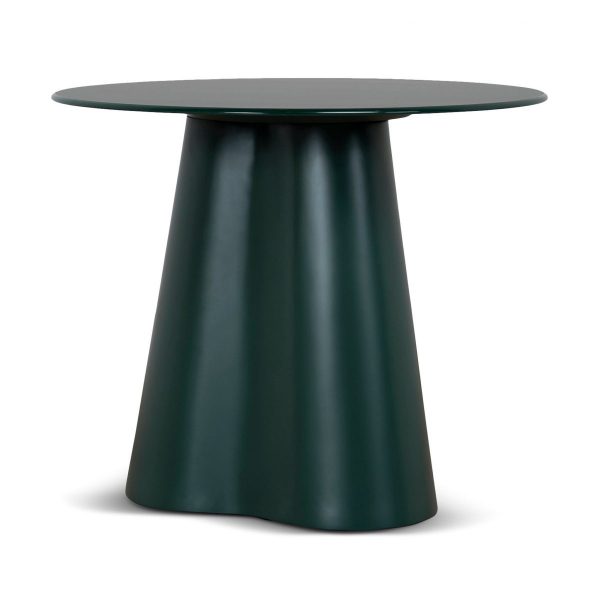
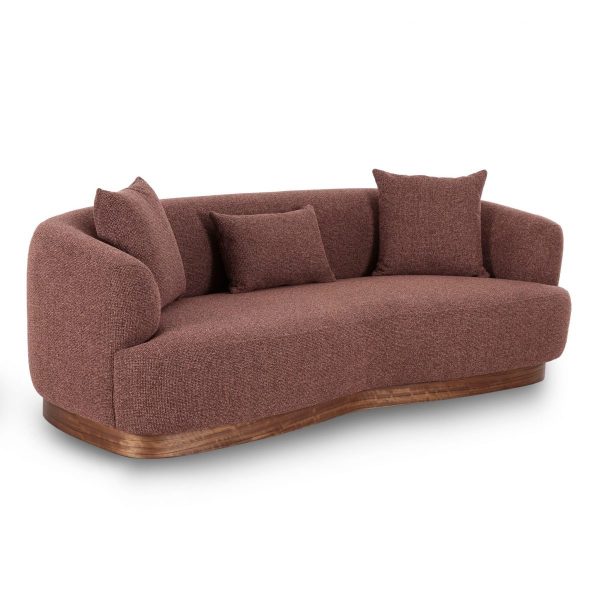
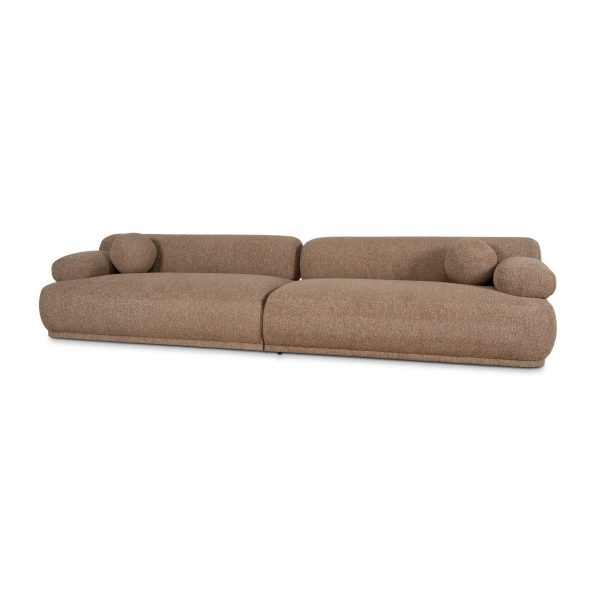
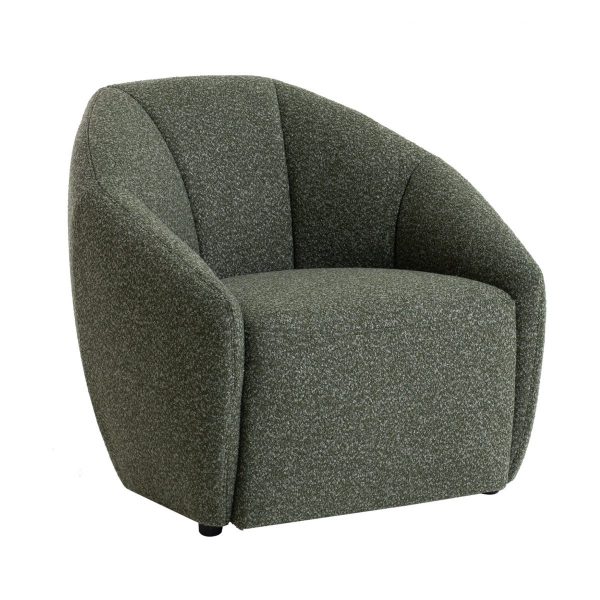

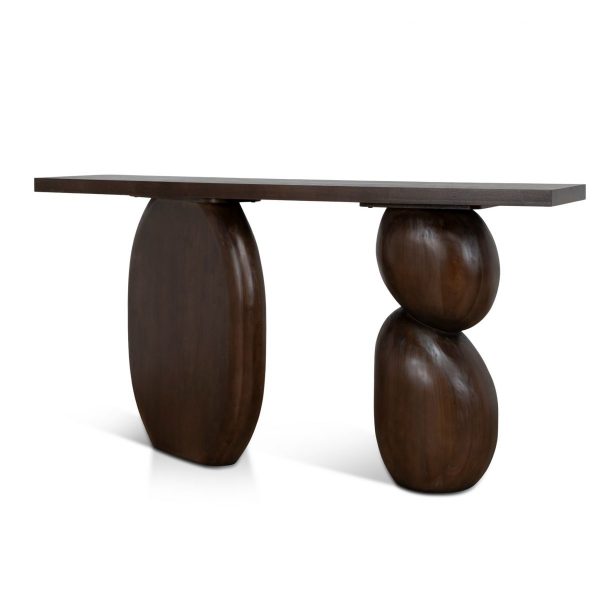
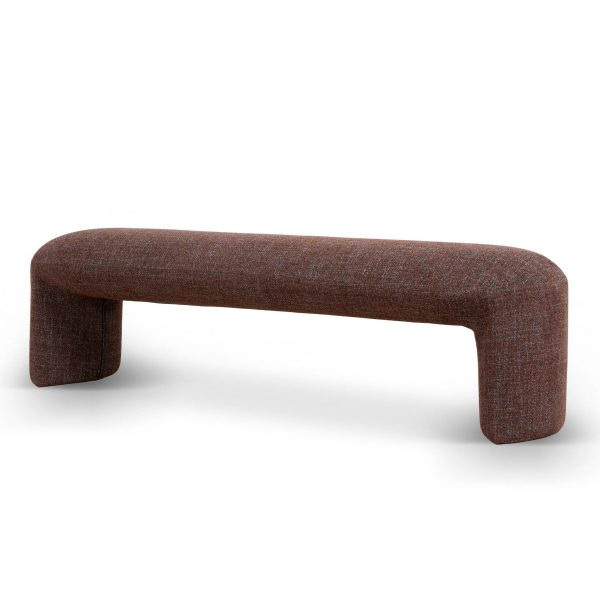
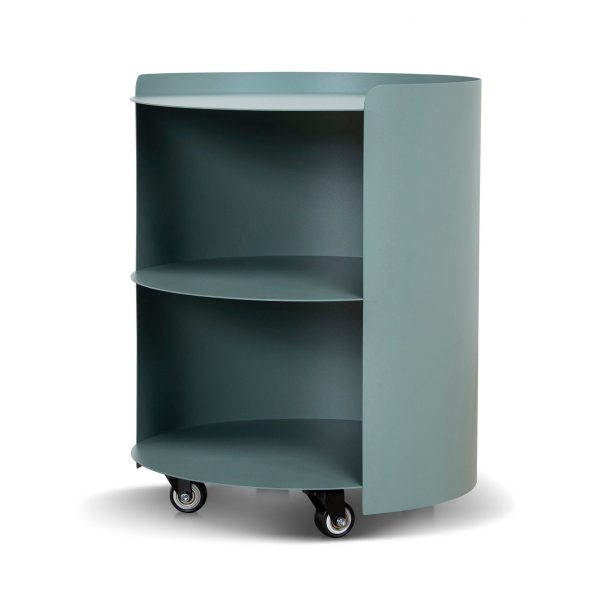

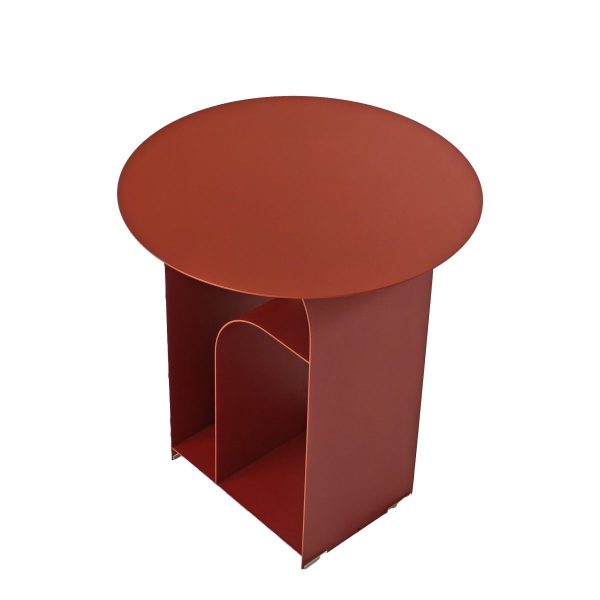

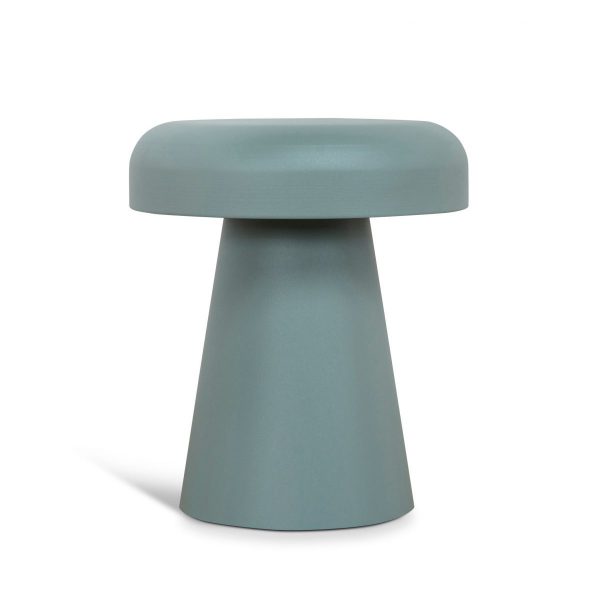
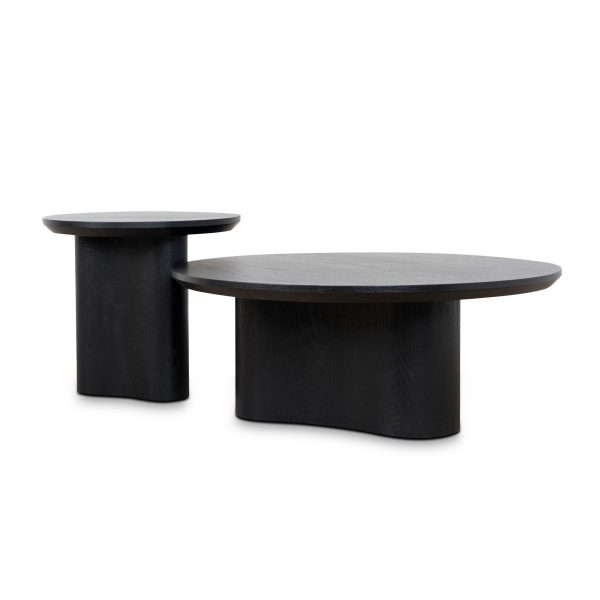
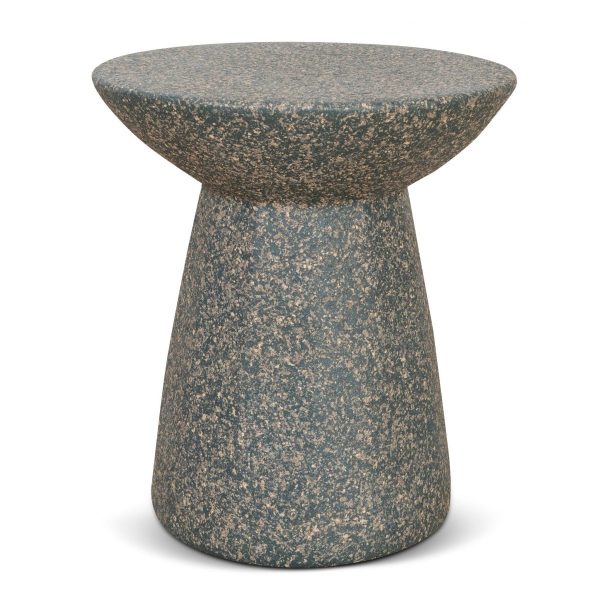
Choose what the seating group will face
A living room may focus on conversation, a screen, a view or more than one of these. Choose the everyday priority, then test the sightlines from each seat. A chair facing the sofa can help conversation, while a seat forced to turn sharply toward a screen may be awkward for regular viewing.
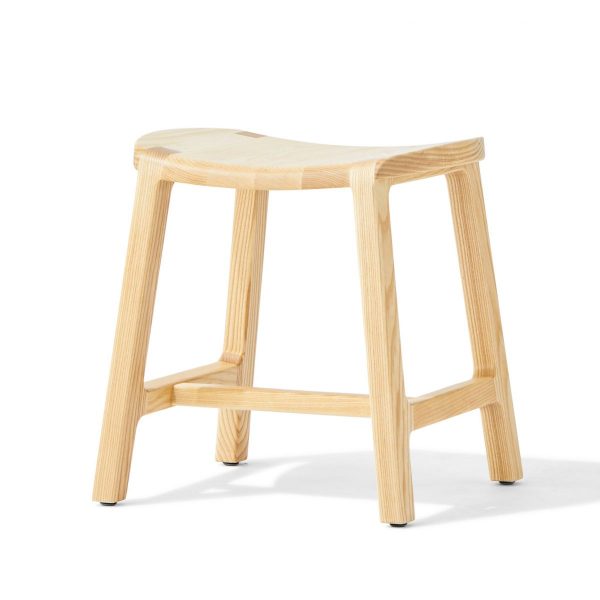
Mark the full seating footprints and keep the route through the room distinct from the group. A chaise projects beyond a straight sofa; an angled chair needs more floor area than its width suggests. Leave room for the furniture to be used, including any moving feature the actual product provides, before choosing an additional seat.
Put useful surfaces within the seating arrangement
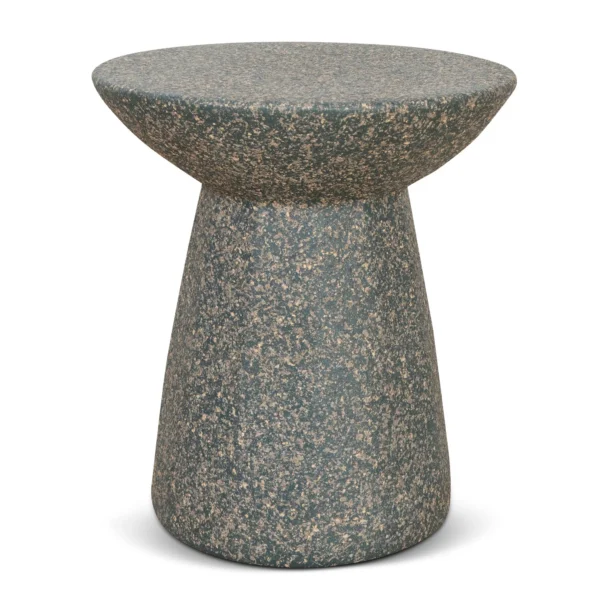
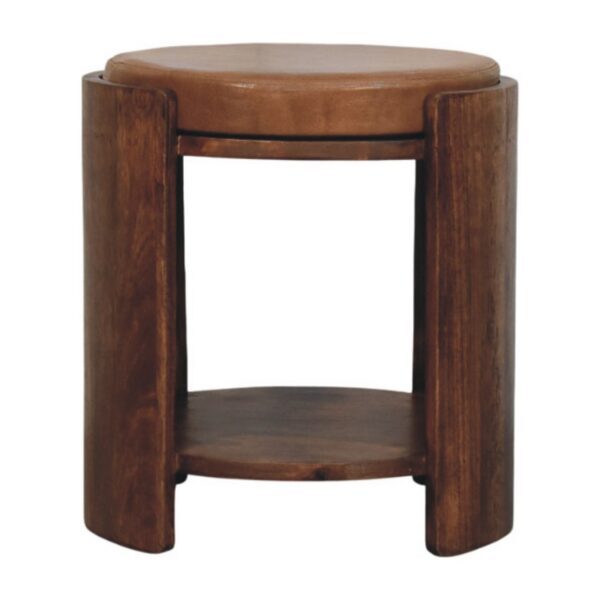
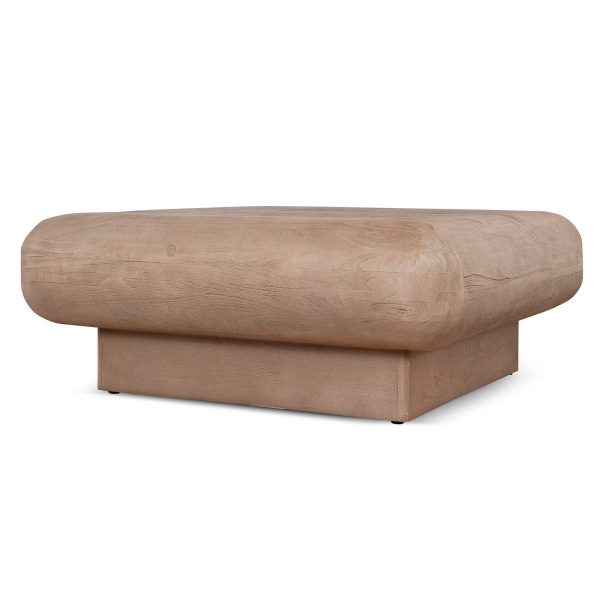
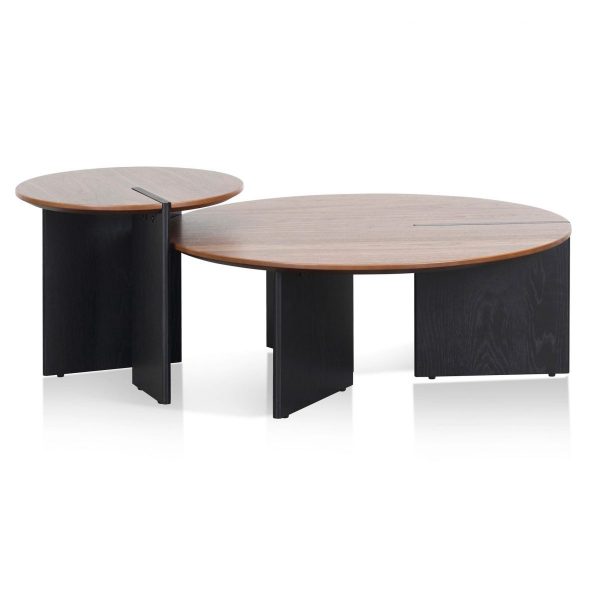
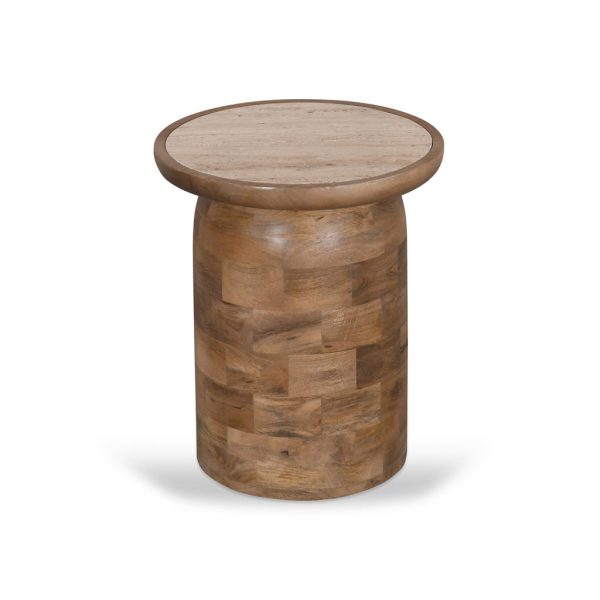
Decide where each seated person would put a drink, book or lamp control. A central coffee table can serve several positions, but it may not be convenient from the far end of a long sofa. A small side table can solve that gap without making the central table larger.
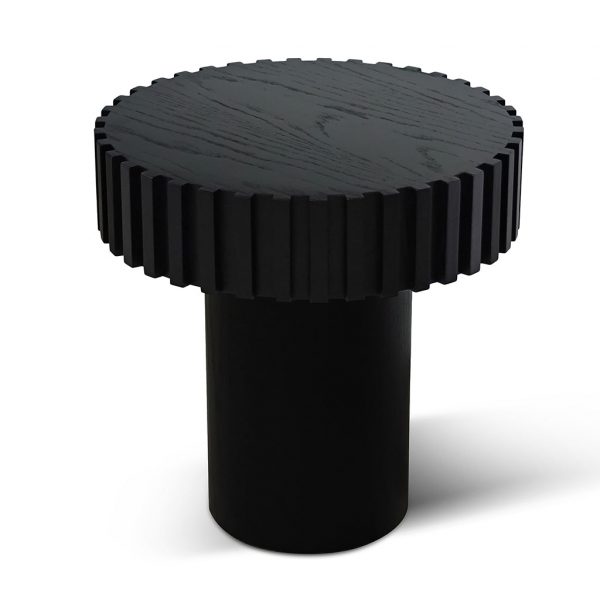
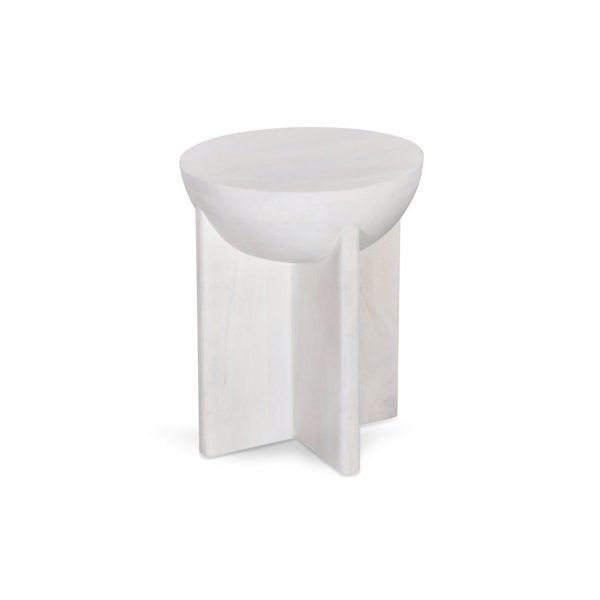
Compare table heights with the nearby seats and arms, then check reach as well as passage space. Keep the furniture’s actual outlines in mind: a broad base may occupy more of a walkway than a smaller top suggests. Side tables offer a different placement choice when a clear central floor area is important.
Fit storage around screens, cables and real belongings
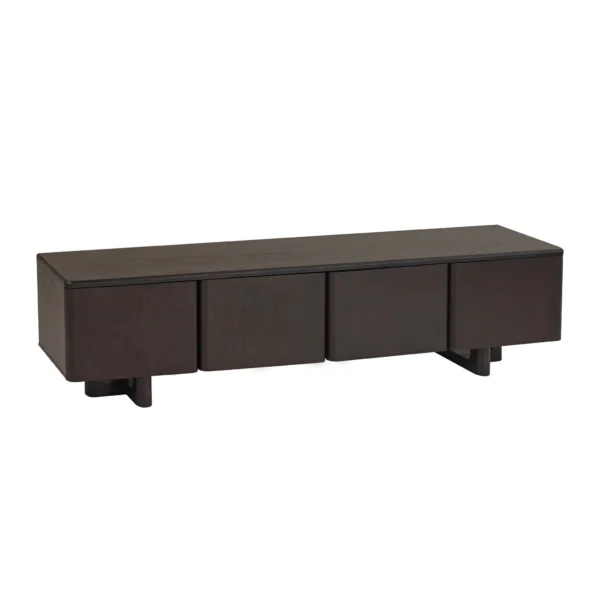
List what belongs in the room before choosing storage: books, games, media equipment or objects you want to display. A screen unit needs to work with the actual screen and any equipment, including usable shelf openings and the cable arrangement described for that piece. If a television will stand on top, compare its complete dimensions, including the stand, and weight with the unit’s top and stated loading guidance. Measure equipment against each usable compartment opening as well.
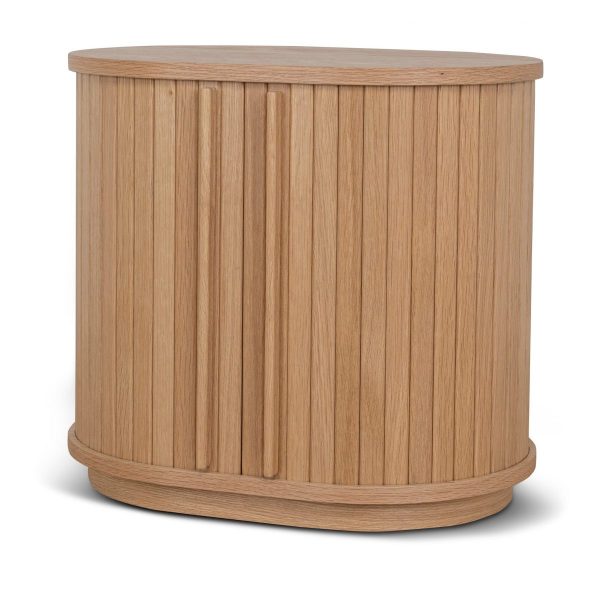
Keep door and drawer openings clear of seats and tables. Decide which objects should remain visible and which need a quiet home behind a front. Compare TV and entertainment units with other storage only after you understand the equipment requirements and the available wall space.
Frequently Asked Questions
Adding pieces around an established room? Read living room furniture for everyday routines.